Local choices, global impact
In Naperville, we feel the seasons in our bones—from sticky July afternoons near Centennial Beach to the first sharp air along the Riverwalk in October. Those changes are reminders that the environment isn’t an abstract concept; it’s the backdrop of our daily lives. Grocery stores, which touch everything from trucking routes to household meal plans, have an outsized role in shaping that backdrop. The good news is that the same decisions that make stores run smarter often shrink their environmental footprint. When residents see a store investing in efficiency and stewardship, trust grows, and the ripple effects carry through kitchens across town, starting with a conscientious grocery department that treats sustainability as good sense, not a slogan.
Lowering environmental impact isn’t a single initiative—it’s a hundred practical steps, many of them invisible to the casual shopper. From refrigeration choices to food donation protocols, the daily choreography of a store either wastes energy and resources or treats them as precious. Here in Naperville, where storms can snarl deliveries on Route 59 and deep freezes challenge heating systems, the stores that plan ahead and design thoughtfully are the ones that prove sustainability and reliability can work hand in hand.
Energy efficiency where it counts
Refrigeration is the beating heart of a grocery store and one of its biggest energy users. Modern cases with doors, high-efficiency compressors, and smart controls can dramatically reduce electricity consumption while keeping food safer. LED lighting across aisles and in cases does double duty—cutting power use and keeping produce looking like itself, not washed out by heat-heavy bulbs. Night curtains on open cases, well-maintained door gaskets, and sensors that adjust lighting by traffic flow sound mundane, but they stack up to real reductions you can measure on a utility bill and in a smaller carbon footprint.
Naperville’s climate pushes HVAC systems hard in both directions. Stores that invest in heat recovery—capturing waste heat from refrigeration to help warm the building in winter—lower overall energy demand. In summer, smart ventilation and demand-controlled fans keep air quality high without blasting systems at full tilt. These tweaks aren’t flashy, but they turn environmental responsibility into a baseline, not a bonus.
Cold chain integrity reduces waste
Food loss is an environmental issue as much as an economic one. Keeping the cold chain intact from loading dock to shelf protects the embedded resources in every gallon of milk and pound of berries. Temperature monitoring, quick backroom processing, and well-trained teams are the difference between a product that sells and one that spoils. Stores that audit these steps reduce shrink, save money, and keep edible food out of the trash—all of which lighten the load on landfills and cut methane emissions from decomposing organics.
Backroom organization matters too. First-expiring-first-out systems, clear labeling, and scheduled quality checks are the kind of operational discipline that rarely trends on social media but absolutely shapes environmental impact. When products move efficiently, fewer end up past their prime.
Packaging with purpose
Packaging is complicated—necessary for safety and shelf life, yet often wasteful. Thoughtful stores balance these needs by favoring recyclable or compostable materials where feasible, reducing unnecessary layers, and encouraging right-sized portions. In Naperville, where recycling programs and composting options continue to evolve, stores can lead by clearly labeling materials and offering in-store collection for hard-to-recycle items such as plastic film. The aim isn’t perfection; it’s steady progress and honest communication that helps shoppers make better choices.
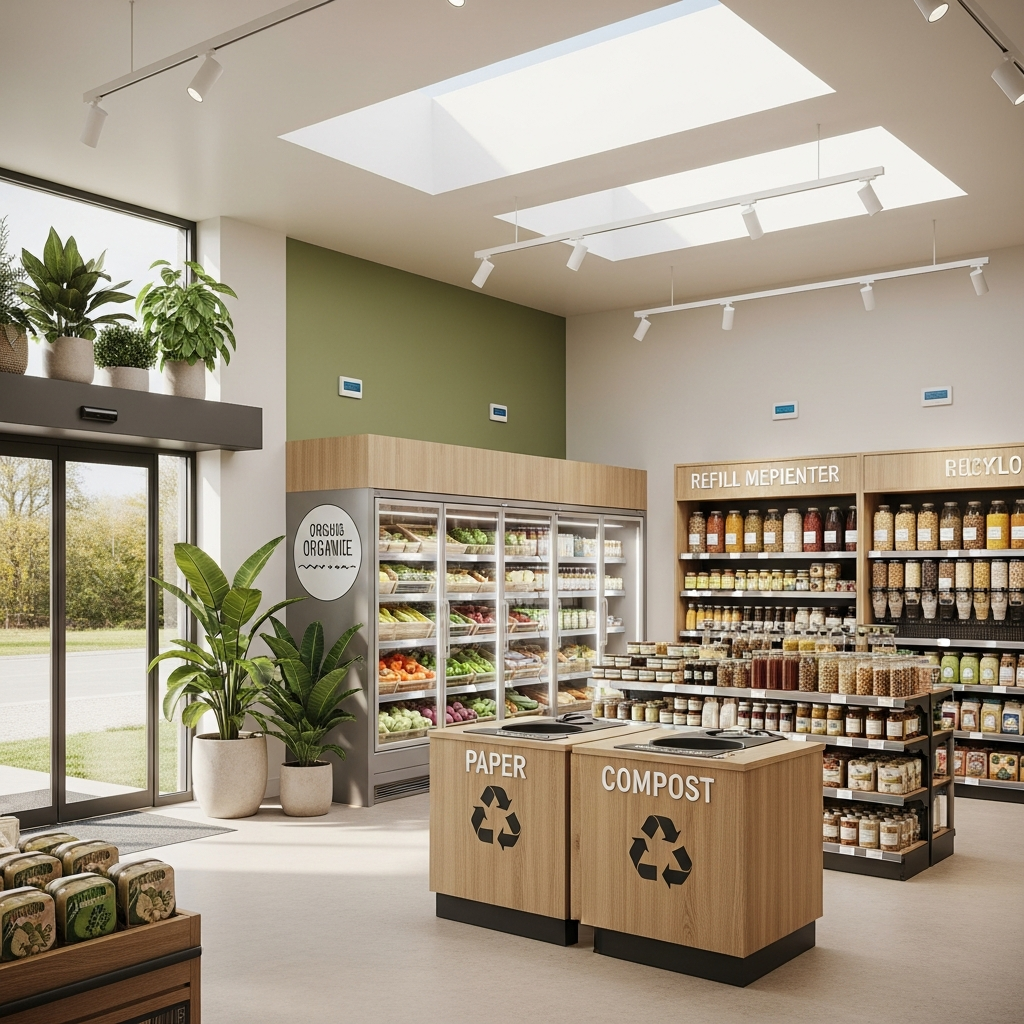
Bulk sections, when kept clean and well-managed, cut down on single-use packaging and allow households to buy exactly what they need. Clear allergen practices and staff oversight keep these areas safe while preserving the environmental upside. Refill programs for detergents or certain pantry items are another emerging tool, especially in neighborhoods where shoppers are eager to reduce waste without adding time to their routine.
Smarter sourcing and seasonal alignment
Transportation is a major contributor to a product’s footprint. While not every item can be local, aligning assortments with Midwest seasons reduces miles and often improves quality. Illinois sweet corn in summer, apples in fall, greenhouse greens in winter—these choices keep flavors vibrant and shorten supply chains. Stores that partner with regional distributors and farms can strike a balance between variety and impact, giving Naperville shoppers satisfying options year-round.
Sourcing also includes evaluating certifications and supplier practices. Whether it’s sustainably caught seafood, responsibly raised meats, or fair trade staples, clear labeling and consistent standards help shoppers vote with their carts. When a store does the homework—verifying claims and auditing vendors—it becomes easier for residents to make values-driven choices quickly and confidently.
Waste not: donation, diversion, and data
Even the best-run stores will have overages and mismatches between supply and demand. The key is what happens next. Donation programs that move near-date but safe items to local organizations keep food in people’s kitchens, not dumpsters. For scraps and inedible trimmings, composting partnerships convert would-be waste into soil-building material. Where composting isn’t available, anaerobic digestion facilities can capture energy from organic waste—turning a problem into a resource.
Data closes the loop. Tracking shrink by department, day, and cause reveals patterns that human memory misses. Those insights help buyers dial in orders, merchandisers place products where they’ll sell, and teams prep just enough rather than too much. Every point of reduction is an environmental win—and a practical one, too.
Water stewardship behind the scenes
Water is easy to take for granted until a leak or a failing sprayer wastes hundreds of gallons. High-efficiency dishwashers in prepared foods, low-flow faucets, and well-tuned produce misters conserve water without compromising safety or quality. Regular maintenance stops small drips from becoming big losses. Outside, thoughtful landscaping—native plants that thrive without constant irrigation—keeps entrances welcoming while respecting local ecosystems and saving water through our hot stretches.
Stormwater management is another quiet opportunity. Permeable paving and well-placed rain gardens reduce runoff, filter pollutants, and lessen strain on municipal systems during heavy Midwestern rains. These features aren’t just green—they make parking lots safer and less flood-prone for shoppers.
Transportation that lightens the load
From vendor deliveries to customer trips, transportation adds up. Stores can optimize delivery schedules to reduce idling and ensure full trucks, while route planning avoids peak traffic snarls on Route 59 and I-88. For shoppers, consolidated trips and curbside orders that batch multiple pickups lower miles driven per household. Some stores add bike racks, preferred parking for carpools, or EV charging to nudge lower-impact trips without preaching. It’s about making the greener choice the easier choice.
For last-mile delivery, using efficient vehicles and training drivers for smooth acceleration and idling reduction matters more than most people realize. Small habits, multiplied across a week’s routes, yield measurable fuel savings and emissions cuts.
Materials and maintenance for the long haul
Renovations and store refreshes present big opportunities. Durable flooring that doesn’t need harsh stripping, low-VOC paints, and fixtures built for easy repair reduce lifetime impacts. When equipment is selected for serviceability, not just sticker specs, it avoids premature replacement and the upstream footprint that comes with manufacturing and shipping new units. Preventive maintenance schedules—gaskets replaced before they fail, coils cleaned on time—keep systems efficient and extend their life.
Even in backrooms, small changes make a difference: reusable totes in place of cardboard for internal transfers, standardized pallet sizes to reduce wrap, and careful sorting so recycling streams stay clean and valuable. These aren’t headline-grabbers, but they are the daily crafts of sustainability.
Engaging shoppers as partners
Environmental progress accelerates when shoppers feel like collaborators rather than bystanders. Clear signage on what’s local and in-season, practical tips on storing produce to extend freshness, and honest updates on packaging decisions invite residents into the process. Cooking demos that highlight root-to-stem use—think sautéed beet greens alongside roasted beets—turn sustainability into dinner plans. When people experience the upside in their own kitchens, habits stick.
Mid-aisle reminders help, too. A display that pairs steel water bottles with recipes for infused water encourages less single-use plastic. A freezer endcap that highlights versatile vegetables helps households stretch meals without extra trips. When the Naperville grocery department frames sustainability as convenience and flavor, participation feels natural.
Prepared foods with a lighter footprint
Prepared foods can be part of the solution when they emphasize seasonal vegetables, plant-forward proteins, and right-sized portions in sensible packaging. Batch cooking reduces energy per meal, and clear storage instructions help households avoid waste. Transparent ingredient sourcing and frequent small-batch prep keep quality high while staying nimble enough to align production with actual demand.
For special events—graduations, team parties, neighborhood gatherings—guides that help match quantities to headcount prevent the all-too-common overshoot that leads to leftovers no one can finish. Sharing those guides online or at the service counter supports residents trying to host sustainably without stress.
Measuring what matters
What gets measured gets managed. Setting targets for energy intensity, refrigeration leaks, landfill diversion, and local sourcing gives teams a scoreboard to rally around. Regularly sharing progress with shoppers builds accountability and pride. When residents see that their store cut energy use year over year or diverted tons of organics from landfill, sustainability stops being abstract and becomes a shared local story.
Those metrics also help teams prioritize investments with the biggest returns, ensuring that sustainability stays financially sound—because durable environmental work must survive budgeting seasons and leadership changes.
FAQ: Sustainability at your neighborhood store
What’s the single biggest environmental lever for a grocery store?
Refrigeration efficiency and leak prevention are among the largest. Modern systems, diligent maintenance, and doors on cases dramatically reduce energy use and refrigerant emissions, which carry a high climate impact if they escape.
Does buying local always mean greener?
Not always, but often. Local and regional sourcing can cut transportation emissions and improve freshness, especially for produce in season. The full picture depends on production methods and storage needs, so smart stores balance local options with overall impact and quality.
How does donation reduce environmental harm?
Every donated product avoids the methane emissions that arise when organics decompose in landfills. Donation programs also respect the resources embedded in food—water, labor, energy—by making sure those resources reach their intended purpose: feeding people.
Are bulk sections truly better for the environment?
When managed carefully, yes. Bulk reduces packaging and lets shoppers buy the right amount, lowering waste at home. Safety, cleanliness, and clear labeling are essential so the environmental upside doesn’t compromise quality or allergen control.
What can shoppers do that has real impact?
Plan meals to reduce waste, store produce properly, choose seasonal items, bring reusable bags and bottles, and consolidate trips. Small, consistent habits spread across thousands of households add up to meaningful change.
Do prepared foods fit sustainable goals?
They can. Large batch cooking is energy-efficient, and thoughtfully packaged, right-sized portions limit waste. When menus lean into seasonal vegetables and plant-forward options, the footprint shrinks further.
If you want your everyday shopping to double as a vote for a healthier planet, start close to home. Explore seasonal options, ask questions about sourcing, and look for the simple, steady improvements that make sustainability feel normal. A walk through a well-run grocery department can be the spark that turns good intentions into habits that benefit Naperville and the wider world we share.