Where community well-being takes root
In Naperville, our sense of well-being isn’t defined by one program or building; it grows from the places where neighbors cross paths and look out for each other. Few places do that as consistently as the local grocery store. It’s where coaches bump into parents after practice along 95th Street, where new residents learn what “the good peaches” look like in July, and where seniors feel recognized by name. What happens in those aisles ripples outward—to kitchens, classrooms, workplaces, and parks. When a store invests in health, inclusion, and trust, the entire community stands a little taller, and that starts with a strong, welcoming grocery department that feels like neutral ground for all.
We often talk about community in broad strokes, but the real texture appears cart by cart. A shelf tagged with clear allergen information helps a parent breathe easier. A culturally diverse spice aisle invites a new family to cook the foods that taste like home. A friendly cashier who remembers your usual yogurt may be the bright spot in someone’s tough week. These seemingly small gestures add up to well-being because they make daily life feel manageable, dignified, and a little more joyful.
Food access as a local health strategy
Community health frequently begins with access. A store that prioritizes fresh produce, whole grains, lean proteins, and lower-sodium options makes healthy choices the default rather than the exception. When the selection is dependable, and the signage turns confusion into clarity, families are more likely to follow through on their goals. In Naperville, we’re fortunate to have stores that consider how people really live—balancing convenience with quality so that a nourishing dinner can happen after a long commute or a late soccer practice at Commissioners Park.
Those choices reverberate through our schools and workplaces. Kids who start the day with protein and fiber arrive ready to learn. Adults with satisfying lunches avoid the midafternoon energy crash. Over time, these patterns influence everything from attendance to performance, subtly raising the floor for community well-being without fanfare.
Belonging in every aisle
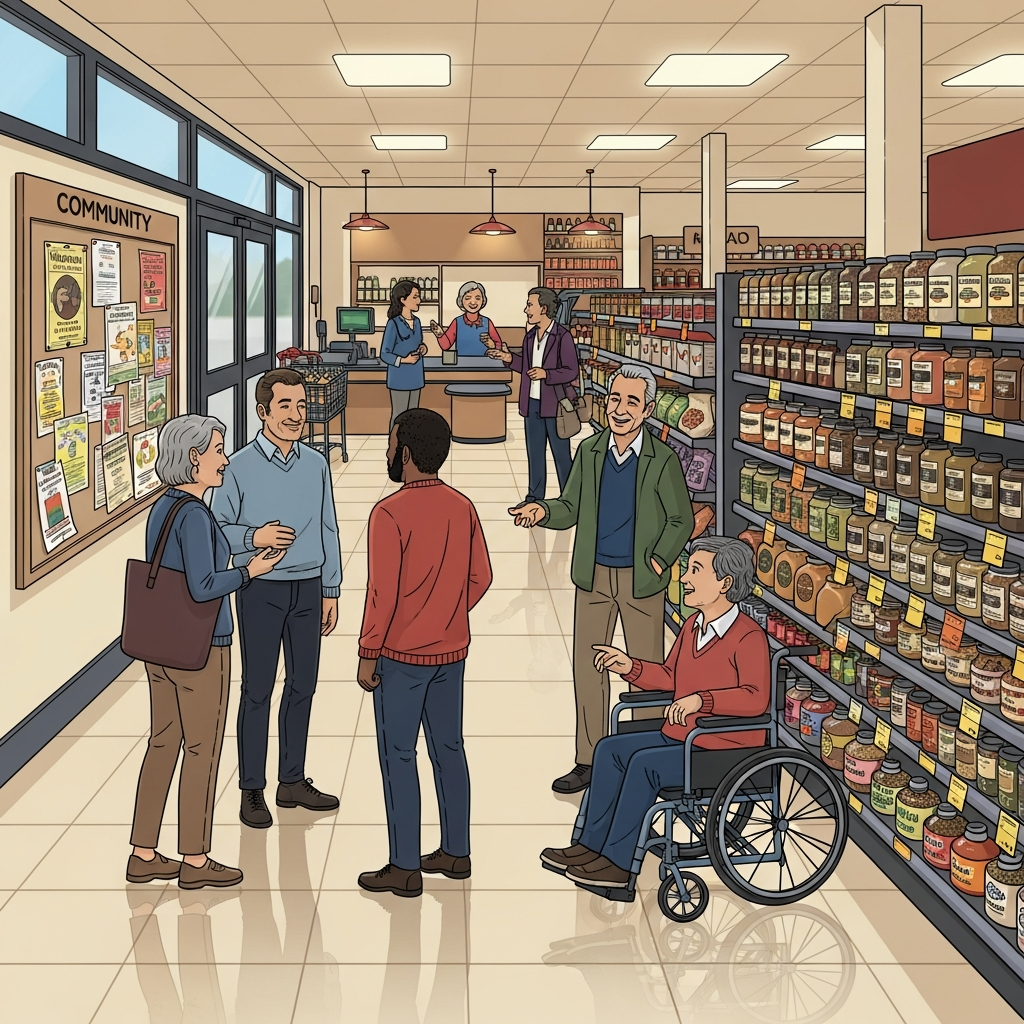
Naperville’s diversity is among its strengths, and a store that reflects that diversity in its assortment fosters inclusion beyond buzzwords. Multiple kinds of rice, a rainbow of legumes, and shelves of spices that support Mexican, Indian, Middle Eastern, Eastern European, and East Asian kitchens make families feel seen. That sense of belonging matters because it reduces the friction of everyday life: when shopping is straightforward and joyful, there’s more energy left over for the things we want to pour ourselves into—coaching, volunteering, exploring the Riverwalk.
Belonging also shows up in accessibility. Wide aisles, clear signage, and attentive assistance for seniors or residents with disabilities are not add-ons; they are expressions of community care. When a shopping trip feels dignified and supportive, stress levels drop and people return, reinforcing a positive cycle between business health and community health.
Local economy, local resilience
Grocery stores are anchors in the neighborhood economy. They support local jobs, source from nearby producers when possible, and provide a stable rhythm of foot traffic that benefits adjacent businesses. When a store features an Illinois-grown product or highlights a Naperville-made staple, money and pride circulate close to home. That resilience shows during difficult moments—be it icy weeks that snarl deliveries on Ogden Avenue or broader supply chain hiccups. Stores with strong local ties can adapt faster and communicate more clearly with customers, preserving trust.
Economic well-being is not abstract. It feels like a teen finding their first part-time job, a local baker expanding into retail, or a pop-up tasting that introduces neighbors to a producer from down the road. These connections bind us together and remind us that prosperity can be collaborative.
Education in motion
Some of the best health education in town happens not in a classroom but beside a display of leafy greens. Clear shelf tags that call out fiber, sodium, or added sugars turn the store into a living, breathing workshop. Staff who can translate labels into plain language empower shoppers to act on their intentions without needing a nutrition degree. Recipe cards and seasonal spotlights provide just enough structure to turn curiosity into dinner, and dinner into a habit that supports physical and mental health.
When stores partner with schools or community groups, the impact compounds. A field trip that shows second-graders how to pick ripe fruit can spark a lifetime of good choices. A nutrition Q&A for parents takes the edge off weeknight chaos. An evening demonstration for young adults heading to college can demystify fast, healthy cooking without a full kitchen. Each touchpoint is a modest step toward a healthier community.
Moments that build trust
Trust is the currency of well-being. It grows from consistent quality, transparent sourcing, and everyday kindness. A store that keeps the cold chain tight, that handles allergen concerns with seriousness, and that responds quickly when something goes wrong earns the kind of loyalty marketing can’t buy. In Naperville, where word of mouth travels fast from neighborhood Facebook groups to sideline conversations at Frontier Sports Complex, trust can either lift a community or erode it. Our best stores understand that and act accordingly.
Trust also looks like communication. When a favorite item is out of stock, timely updates and thoughtful substitutions keep frustration in check. When new products appear, honest recommendations help shoppers try them with confidence. Over time, these interactions stitch the fabric of community tighter because they remind us that people are paying attention.
Shared spaces, shared wellness
Grocery stores are among the few indoor public spaces that reliably bring all ages together. That mix creates opportunities that go beyond transactions. A small tasting table becomes a conversation about favorite recipes. A seasonal display becomes a mini lesson on local agriculture. A noticeboard turns into an invitation to a food drive or a community event. We often underestimate how these micro-moments reduce loneliness, especially for residents who live alone or are new to town. A warm greeting and a familiar routine can do as much for mental health as any self-help book.
Stores that design with community in mind—ample seating for a quick bite, calm lighting, and clean, intuitive layouts—lower stress at a point in the day when many of us are juggling too much. That reduction in stress is not trivial; it makes households more patient and evenings more peaceful.
Prepared foods and realistic support
Prepared foods sometimes get a bad rap, but when curated thoughtfully they are lifelines for families trying to maintain balance. Options built around vegetables, lean proteins, and whole grains help residents stick to their goals without sacrificing time they want to spend at the library with kids or catching up with neighbors. Clear ingredient lists, visible portion guidance, and allergen transparency turn prepared foods from a compromise into a confidence boost on hectic nights.
And when prepared foods reflect the community—think globally inspired soups, roasted vegetables, and grain bowls—residents feel cared for. Convenience should not mean sacrificing culture or nutrition; our best stores prove that daily.
Technology that connects rather than isolates
Digital tools can either fray community or weave it tighter. Thoughtful online ordering, curbside pickup, and recipe platforms extend the store’s support into busy schedules without replacing human connection. The trick is to keep communication warm and clear: note substitutions, share cooking tips, and celebrate seasonal arrivals so that a digital experience still feels like a neighborly one. For residents balancing caregiving or shift work, that flexibility can be the difference between grabbing fast food and assembling a nourishing dinner.
At the same time, walking the aisles now and then remains valuable. Discovery breeds creativity, and chance hellos remind us we’re part of something bigger than our to-do list.
Mid-aisle moments that change routines
Halfway through a shopping trip, decision fatigue can creep in. That’s when a well-placed produce spotlight or a recipe suggestion earns its keep. When the grocery department anticipates those moments—offering sample tastes, practical swaps, or little reminders to restock wholesome staples—shoppers leave feeling competent instead of depleted. That feeling carries home and shapes the tone of the evening, especially in households with young kids or older adults who need steady routines.
In my experience, those micro-wins add up. A quicker dinner, fewer mealtime struggles, and a better night’s sleep the day before a big meeting in the I-88 corridor don’t show up on a receipt, but they are real dividends in the community well-being ledger.
Food drives, partnerships, and the quiet work of care
Well-being also means making sure no one is left behind. Many Naperville stores host donation drives, assemble holiday meal kits, or partner with local organizations to route surplus food to families who need it. These efforts, often invisible to casual shoppers, are acts of quiet care that stabilize households and reduce stigma. When buying a few extra pantry items becomes a neighborhood habit, our safety net gets stronger and closer to home.
Partnerships don’t end with donations. Collaborations with local farms, schools, and health providers bring expertise under one roof. A blood pressure screening next to a heart-healthy recipe demonstration may seem small, but it’s the sort of practical pairing that nudges people toward better habits without fanfare.
Resilience in the face of change
Communities are living organisms. Weather shifts, supply chains wobble, and families evolve. Stores that plan for resilience—clear crisis communication, adaptable sourcing, and staff cross-training—help the community ride out bumps with less stress. During snowy snaps or heavy storms, steady access to staples and calm, accurate updates matter. That steadiness restores a sense of control when things feel uncertain.
Resilience also means listening and iterating. When residents ask for more low-sodium broths, gluten-free breads that actually taste good, or produce that reflects changing tastes, the best stores respond. That responsiveness becomes its own kind of wellness, reminding us that our voices matter.
FAQ: How grocery stores support Naperville well-being
How does a grocery store influence mental health?
Predictable routines, human connection, and reduced decision stress add up. Friendly greetings, clean layouts, and helpful signage lower cognitive load, while small interactions create a sense of belonging. Those effects can improve mood and make daily life feel more manageable.
What makes a store feel inclusive?
An assortment that reflects local cultures, clear allergen information, accessibility for all abilities, and staff who listen. When residents can find the ingredients that feel like home and move through the store with ease, inclusion stops being a slogan and becomes an experience.
How do food drives and donations impact well-being?
They stabilize households, reduce stigma, and keep nutrition within reach during tight times. Local efforts ensure donations match community tastes and needs, strengthening trust and reducing waste.
Are prepared foods compatible with healthy living?
Yes, when curated around vegetables, lean proteins, and whole grains with transparent ingredient lists. Prepared options can reduce stress on busy nights and keep households aligned with their health goals without sacrificing culture or flavor.
Why is local sourcing important?
Local sourcing keeps money in the community, shortens supply chains, and often improves freshness. It also strengthens relationships between residents and producers, which helps during disruptions and fosters pride in local food culture.
How can digital tools support community rather than replace it?
By keeping communication human. Clear notes on substitutions, seasonal ideas, and recipe suggestions make online experiences feel neighborly. Blending digital convenience with occasional in-store visits preserves discovery and connection.
What role does staff training play in well-being?
Training equips staff to answer nutrition questions, handle allergens safely, and offer respectful assistance. Those capabilities lower stress for shoppers, build trust, and ensure the store is a reliable partner in daily life.
If you’re ready to experience how a neighborhood store can lift everyday life, come see how intentional design, inclusive selection, and friendly expertise can serve your household. Start with a walk through the curated grocery department, gather a few nourishing staples, and carry that sense of competence and calm back to your kitchen, your block, and the wider Naperville community.