Healthy eating begins where we shop
In Naperville, healthy eating isn’t a fad or a checklist; it is a rhythm that weaves through our busy mornings near the Riverwalk, our after-school pickups along 95th Street, and our weekend gatherings in the neighborhoods that fan out from Downtown to Wheatland. I’ve watched neighbors transform their habits not in big leaps but in small, repeatable choices—many of them made inside the local grocery aisles. The single most practical advantage we have is access: a thoughtfully curated grocery department turns the question “What’s for dinner?” into an opportunity to do right by our bodies without feeling like we are sacrificing comfort or flavor.
When you live in a place that values both convenience and community, your trip to the store can do more than fill a cart. It can focus your meals on the building blocks of health: vibrant produce, lean proteins, whole grains, and pantry staples that make vegetables taste like a celebration instead of a chore. The way a store brings in local apples in September, winter squash in October, and greenhouse greens when the snow piles up on Ogden Avenue matters because it keeps choices fresh, and fresh choices become eaten choices.
From color to confidence: produce that invites you in
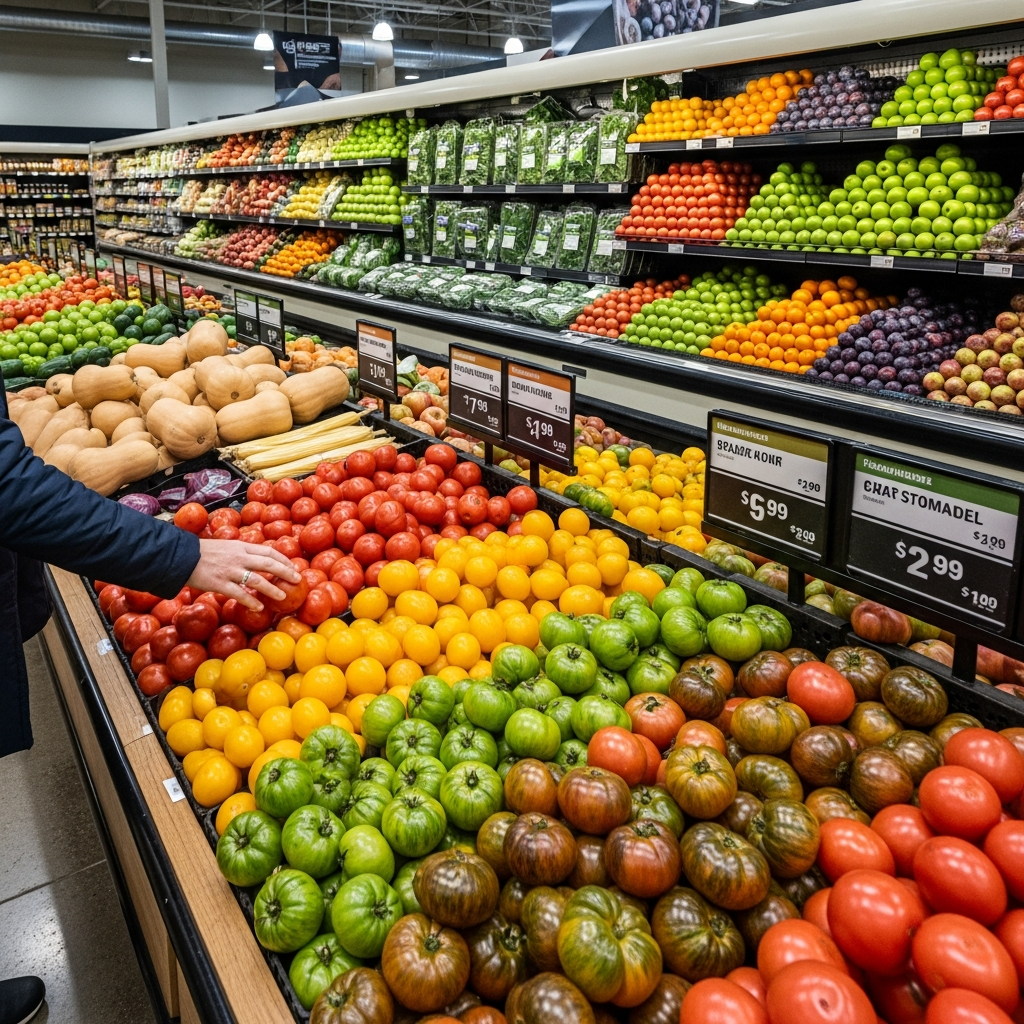
Healthy eating often starts with color. Well-run produce sections are like open invitations, organizing by ripeness and variety so you can scan quickly and pick with confidence. I encourage shoppers to treat the first five minutes like a mini tour: walk the perimeter, take note of what’s at peak, and plan a meal around two vegetables that look irresistible. In late summer, I gravitate to sweet corn and tomatoes; in early spring, I lean on asparagus and radishes that crunch with that peppery bite Naperville families love in simple salads.
Our stores also support the little nudges that keep families on track during busy weeks. Pre-washed greens and pre-cut vegetables aren’t shortcuts to feel guilty about; they are practical tools that turn “I’m too tired to cook” into “I’ll toss this with olive oil and lemon and call it a night.” When it is easy to rinse blueberries for lunchboxes or throw broccoli florets into a sizzling pan, we follow through. That’s the kind of small, repeatable success that changes a household’s default setting.
Labels that teach, not confuse
Nutrition labels can feel like a second language. A store that brings clarity—through shelf tags, dietitian notes, and simple signage—removes friction between intention and action. It’s not about policing what you buy; it’s about guiding your eye to whole grains with fiber you can count on, yogurt with live cultures rather than heaps of added sugar, and sauces that season dinner without drowning it in sodium. Learning to scan the ingredient list for familiar words becomes second nature, and when a store helps you practice that skill aisle after aisle, your cart becomes your nutrition plan.
That same gentle guidance extends to cultural favorites—spices, grains, and legumes that bring global Naperville families together around one table. An inclusive assortment makes it easier to eat healthily without giving up tradition. Whole-grain flatbreads, low-sodium broths tailored to classic soups, and beans in every form make nourishing meals feel like home rather than a compromise.
Protein choices that support everyday energy
Healthy eating here doesn’t rely on extremes. It thrives on balance: lean poultry, sustainable fish, plant-forward proteins like lentils, chickpeas, and tofu, and the occasional indulgence that keeps your plan realistic. Skilled butchers and well-labeled cases reduce guesswork. If you’re moving toward more plant-forward meals, begin with one night a week that revolves around beans, mushrooms, or roasted vegetables layered with texture and umami. Over time, you will notice how your energy steadies across the day—especially when you pair protein with fiber-rich sides.
I often remind busy households that protein is not only about dinner. Stock a fridge with hard-boiled eggs, cottage cheese, and hummus so snacks remove the temptation to reach for something ultra-processed. When good choices are ready at eye level, they win. That’s what a smart store layout recognizes: the healthier path shouldn’t be the hardest to find.
Whole grains and the art of feeling full
The small switch to whole-grain pasta or brown rice is deceptively powerful. Fiber slows digestion, supports gut health, and promotes a sense of fullness that keeps late-night snacking at bay. In Naperville, where many of us juggle long commutes, kids’ activities, and weekend travel, meals that satisfy without feeling heavy are a gift. Look for cereals, crackers, and breads that list whole grains first on the ingredient list and offer a respectable fiber count per serving. Pair these with a colorful plate and you’ll feel the difference in the way you power through afternoons.
A good store does more than stock shelves; it curates options so your swaps feel effortless. When brown rice cooks alongside Tuesday’s stir-fry and oats anchor Wednesday’s breakfast with fruit, healthy eating blends into routine, which is exactly where it belongs.
Planning that fits our Naperville rhythm
Naperville families tend to run on well-oiled schedules, and planning is the secret sauce of healthy eating. I recommend beginning with a simple template: two quick weeknight dinners, one slow-cooker or sheet-pan meal, and one flexible dish you can repurpose for lunches. Your shopping list gets focused, food waste drops, and you spend less mental energy deciding what’s next. The beauty of planning is that it creates room for spontaneity. If the market has gorgeous peppers or a fish you trust, swap it in confidently.
Midweek, I like to do a quick produce check at home: if something is lingering in the crisper, transform it into a soup, frittata, or roasted tray of vegetables. Stores that highlight “use-it-up” ideas—like tossing softening berries into overnight oats—help families avoid tossing nutrition into the bin. The best plans are gentle and flexible, not rigid rules that break the first time soccer practice runs late.
Smart snacking and the sweet spot
Snacks can steer us off course or keep us humming. I coach families to build a snack trio: a protein, a fiber, and a little fun. Think apple slices with peanut butter and a square of dark chocolate, or Greek yogurt with granola and strawberries. When a store features tasty, lower-sugar options at kids’ eye level and gives adults crunchy, savory alternatives to chips, it becomes easier to choose well without feeling deprived. That matters on those long afternoons when work calls stack up and everyone needs something quick.
On the sweet side, fruit-forward desserts—baked apples, citrus segments with a drizzle of honey, summer berries—hit that pleasure center without the crash. Your store can make this second nature by putting seasonal fruit front and center and offering quality spices like cinnamon and cardamom that make simple dishes feel special.
The middle of the store matters more than you think
There’s a myth that healthy shopping happens only around the perimeter, but the center aisles are where pantry power lives. Canned tomatoes become weeknight lifesavers; tuna, salmon, and sardines turn into fast, nourishing meals; nuts and seeds bring crunch and essential fats to salads and yogurt. With a bit of label literacy and a store that curates for real life, those center-aisle finds become the backbone of a nutritious routine in a way that’s affordable and rewarding.
Halfway through your trip is often when decision fatigue sets in. That’s a good moment to pause, take a breath, and refocus on your plan. If you need inspiration, swing back through the fresh section or check out a highlighted recipe display. When the Naperville grocery department meets you with ideas rather than temptations, you leave with a cart that mirrors your goals.
Kids, teens, and the power of participation
Healthy eating sticks when kids feel involved. Invite them to choose a new fruit each week, or to help pick herbs and spices for taco night. In-store sampling can turn a skeptic into a fan, especially with vegetables that shine when they’re cooked well. Teens often enjoy the autonomy of building their own snack bins: nuts, jerky alternatives with reasonable sodium, dried fruit, and whole-grain crackers. Ownership matters—when every family member feels like they had a say, dinner becomes smoother and leftovers actually get eaten.
Stores that host tours, recipe demos, or nutrition Q&A sessions give parents and kids a low-pressure way to learn. You pick up practical skills like how to rinse canned beans to reduce sodium or how to assemble grain bowls that taste better than takeout. Over time, those skills become part of your household’s muscle memory.
Food safety, allergies, and cooking confidence
Naperville is home to many families managing allergies or special diets. The stores that serve us best take allergen labeling seriously and offer staff who can help you find safe, satisfying alternatives. They also keep cold-chain integrity top-of-mind so dairy and meat stay at precise temperatures from truck to shelf. That builds trust, and trust begets experimentation—once you feel safe, you’ll try new ingredients and new recipes that make healthy eating more interesting.
Cooking confidence grows the same way, in small steps. Start with a roast chicken, roasted vegetables, and a make-ahead pot of quinoa. Next week add a fish dish or a plant-based stew. Before long, you’ll have a repertoire that’s nutritious, tasty, and quick enough to fit between homework and evening walks through the neighborhood.
Local flavor, seasonal strength
One joy of living here is that Illinois seasons bring waves of distinctive flavors. Late summer peaches are worth building a weekend brunch around. Early fall beets, carrots, and squash anchor hearty bowls that welcome a cool breeze off the DuPage River. Winter nudges us toward citrus, dark leafy greens, and warming spices. Spring returns tender herbs and crisp radishes. A store that leans into seasonal abundance nudges us right along with it, and our bodies respond to that pulse: more variety, more micronutrients, more satisfaction.
Buying with the seasons can also mean shorter distances from field to fork. That usually translates to better texture and brighter taste, which in turn invites healthier portions of plant-forward foods. When vegetables taste great, you don’t need convincing—you go back for seconds on your own.
Culture of encouragement, not perfection
Healthy eating in Naperville thrives when we leave perfection behind. Life includes birthday cake in a backyard, pizza with the team, and a cinnamon roll on a snowy morning. A supportive store culture reminds us that one day’s treats don’t erase a week of balanced meals. The key is returning to a pattern that nourishes you—plenty of produce, reasonable portions of protein, whole grains, and treats that are truly enjoyed rather than mindlessly eaten. Surround yourself with ingredients that make that pattern easy, and the emphasis on “healthy” fades into simple, gratifying normalcy.
We also benefit from neighbors who share what works: a new way to roast Brussels sprouts, a bean chili that tastes like Saturday football, a smoothie formula that satisfies kids before school. Stores that post community recipes or host friendly cook-offs create a loop of shared knowledge that lowers the barrier for everyone.
Technology that serves your goals
Online ordering and curbside pickup have become lifesavers for busy families, and they can support healthy habits when used thoughtfully. Build a master list of your go-to wholesome staples so reordering takes minutes and fewer impulse buys sneak in. If you rely on delivery, double-check substitutions to ensure they align with your goals. And don’t be shy about using recipe features that auto-populate carts with better-for-you ingredients—anything that reduces friction tends to boost follow-through.
Still, set aside time to walk the aisles now and then. Discovery fosters motivation, and there is something powerful about smelling fresh basil or choosing tomatoes by hand. Reconnecting with real, whole food reignites the joy behind healthy eating and renews the habits that carry you through long weeks.
Meal prep, without the overwhelm
Meal prep isn’t a Sunday marathon; it can be a modest, sustainable ritual. Roast a tray of vegetables while the oven is hot for dinner, cook extra grains, and wash fruit so it’s grab-ready. Stores that package family-size greens and freezer-friendly items help you build momentum. The goal is to make the next healthy choice the easiest choice. When a future you opens the fridge and sees bright, ready-to-use ingredients, that future you is grateful and decisive.
In practice, it might look like this: Monday’s sheet-pan chicken becomes Tuesday’s sliced protein over greens. Wednesday’s quinoa turns into Thursday’s quick sauté with spinach and eggs. Friday pulls odds and ends into a veggie-packed soup. The store made it all possible by stocking what you needed in forms that respected your time.
FAQ: Healthy grocery shopping in Naperville
How can I build a healthier cart if my week is unpredictable?
Anchor your cart with flexible staples that can morph into multiple meals: eggs, canned beans, frozen vegetables, pre-washed greens, whole-grain wraps, and a lean protein that cooks fast. Add two spotlight produce items you’re excited about. If plans change, these ingredients still combine easily into bowls, scrambles, tacos, or soups without waste.
What should I look for on a label when time is short?
Scan the ingredient list first and aim for items with simple, recognizable components. Then check fiber, protein, sodium, and added sugar. A quick rule of thumb: choose whole grains with meaningful fiber per serving, sauces with modest sodium, and dairy or alternatives with protein that satisfies. Over time, your eye will spot the better option in seconds.
How do I encourage kids to try more vegetables?
Offer choices and involvement. Let kids pick one new produce item each week and decide how it’s prepared—roasted, dipped, or added to a favorite dish. Sampling stations help, as does serving vegetables with a reliable flavor boost like lemon, olive oil, or a dash of cheese. Consistent, low-pressure exposure beats pressure every time.
Can I eat healthily from the center aisles?
Absolutely. Stock up on canned tomatoes, beans, tuna or salmon, oats, nuts, seeds, nut butters, and whole-grain pastas. These are the backbone of quick, nutritious meals. With a little label savvy, the center aisles become your pantry’s greatest allies.
What are smart snacks that won’t derail dinner?
Pair protein with fiber to feel satisfied: yogurt with fruit, nuts with an apple, hummus with carrots, or a small portion of cheese with whole-grain crackers. Keep these visible and pre-portioned so they win the split-second decision battle when hunger hits.
How do Naperville seasons affect healthy choices?
Seasonality keeps your meals exciting and nutrient-diverse. Lean on asparagus, radishes, and greens in spring; tomatoes, berries, and sweet corn in summer; squash, apples, and root vegetables in fall; and citrus, hearty greens, and winter squash when it’s cold. Let the calendar guide your cravings and your cart.
Is it realistic to move toward plant-forward eating?
Yes—start with one night a week. Build satisfying meals around beans, lentils, mushrooms, and roasted vegetables, adding whole grains and bright sauces. As your confidence grows, increase the frequency. Balanced, plant-forward patterns are easier to maintain when the store offers varied, great-tasting options.
What’s the best way to avoid food waste?
Shop with a light plan, store produce so you can see it, and do a midweek check-in to rescue anything lingering. Transform odds and ends into soups, frittatas, grain bowls, or smoothies. Your store can help by offering smaller portions of specialty items and clear storage tips on signage.
If you’re ready to turn intention into action, make your next trip count. Walk in with a simple plan, choose vibrant seasonal produce, and let supportive signage and friendly staff guide your swaps and discoveries. When you want a head start, explore the curated selections in the grocery department, and bring home the ingredients that make healthy eating feel natural, doable, and delicious in every Naperville season.