Naperville has always been a city that blends tradition with forward motion, and nowhere is that more visible than in the grocery aisles. As neighbors weave their way from school pickups to evening events at North Central College, shopping habits are changing in ways that feel both high-tech and deeply human. The newest trends do not exist for their own sake; they exist to make everyday life simpler, healthier, and more connected. If you want to understand where local food retail is headed, start with the familiar rhythms of your week and notice how the store adapts around them. From curbside convenience to sustainability practices, the future is unfolding between endcaps and checkout. For a hands-on look at how it all converges in one place, stroll your local grocery department and see how small innovations add up to a better experience.
Curbside pickup and the art of saved minutes
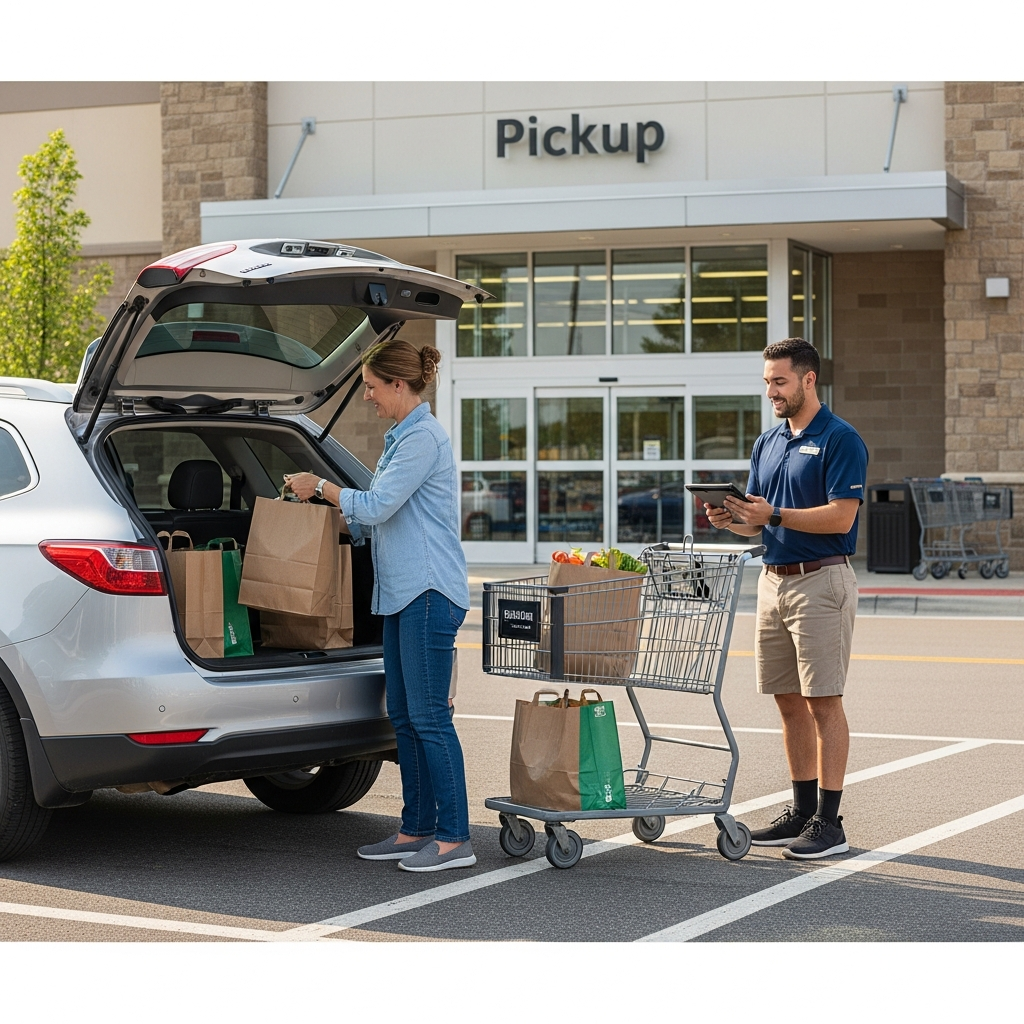
One of the most visible shifts across Naperville is the embrace of curbside pickup done with precision. Parents juggling activities near 95th Street Library and commuters returning from the Metra appreciate the ability to order online and retrieve groceries without stepping inside. But the most successful programs go beyond speed; they are anchored in accuracy and friendliness. Team members select produce as if shopping for their own dinner, and substitutions are chosen with care. The result is trust, which encourages busy households to keep cooking at home even when schedules stretch thin. In a city that treasures both family dinners and extracurriculars, saved minutes turn into shared meals.
Technology that feels personal
Digital tools are reshaping grocery shopping, but the goal is not to drown people in options. The best apps remember your favorites, highlight relevant deals on staples, and make reordering as simple as a tap. Smart recommendations suggest ingredients that round out a meal rather than push random products. When this works well, shopping lists shrink, waste declines, and weeknight planning feels less like logistics and more like creativity. Naperville’s tech-savvy residents appreciate the efficiency, but they also respond to the warmth of a human hello at pickup or a helpful tip in the aisle. Technology serves people, not the other way around.
Health-forward assortments, clearly presented
As interest in wellness grows, stores are expanding options for nutrient-dense foods and clearer labeling. The trend is not just more products; it is better guidance. Endcaps showcase whole-grain staples, plant-forward proteins, and snacks that satisfy without the crash. Shelves include icons that make it easy to identify common dietary preferences—from gluten-free to dairy-free to plant-based—without playing detective. Naperville shoppers, who often balance athletic commitments, school lunches, and demanding workweeks, find motivation in this clarity. Healthy eating becomes a decision you make once in the aisle rather than a struggle at home.
Global flavors at everyday prices, local comfort at heart
Naperville’s cultural diversity has long been a strength, and grocery trends reflect that by giving international ingredients prime placement next to Midwest mainstays. The modern aisle is as likely to introduce gochujang and tahini as it is to feature barbecue rubs and classic marinades. What is new is the way stores invite discovery with small tastings, recipe cards, and staff suggestions. The message is simple: try one new flavor, not a whole new identity. Residents who once saved adventurous cooking for weekends now fold it into Tuesday nights. The culinary world keeps opening wider, even as community tastes remain grounded in comfort and hospitality.
Sustainability that shows up in daily details
Eco-conscious habits are moving from the margins to the mainstream in Naperville grocery stores. Thoughtful packaging, reusable bag encouragement, and partnerships that redirect surplus food are becoming standard practice. Shoppers notice compostable containers in the salad bar, see signage about responsible sourcing, and learn simple storage tips that extend produce life at home. Sustainability, once an abstract ideal, has turned into a set of helpful habits supported by the store. As residents hit the DuPage River Trail on sunny weekends, it feels right that the same community that loves the outdoors also makes everyday choices that tread a little lighter.
Smarter assortment, fewer pain points
An overlooked trend is the move toward curated selection. Instead of overwhelming shoppers with too many near-duplicates, the newest approach emphasizes a few excellent options at each quality tier. This speeds decision-making, reduces out-of-stocks, and makes it simpler to maintain inventory that truly reflects local tastes. Naperville’s high standards push stores to refine rather than expand endlessly. The pay-off is an aisle that feels intentional, with fewer detours and more confidence in what you are bringing home.
Meal solutions that respect weeknights
Between clubs at Naperville Central and evening rehearsals at local arts venues, dinner can become a puzzle. Grocers are rising to the challenge with meal kits and ready-to-cook components that do half the work without sacrificing freshness. Pre-marinated proteins, chopped vegetables, and quick-cooking grains line up to create meals that come together in minutes. The trend is not about outsourcing cooking; it is about eliminating friction points so families can sit down together more often. Busy does not have to mean bland or boxed, and modern stores are proving that daily.
In-store experiences with real value
Sampling has evolved from a novelty to a strategic service. When a store offers a taste of a new spice rub with a roasting guide or pairs a cheese sample with a suggested fruit and nut, it is not just selling—it is teaching. Demonstrations that show how to build a balanced bowl or roast vegetables properly do more than entertain; they reduce the risk of trying something new. Naperville shoppers, who often enjoy cooking but do not always have time to research, benefit from these micro-lessons. The store becomes a classroom without the pressure, and knowledge spreads organically through the community.
Transparency and trust as competitive edges
Shoppers want to know more: where seafood was sourced, how produce was handled, and what the ingredient list really means. Stores that respond with clear signage, approachable staff, and consistent standards win loyalty. Trust is built in the little things—accurate labels, honest answers, and quick fixes when something is not right. In a town where word travels fast and neighbors compare notes after weekend runs or school events, a reputation for transparency is priceless. The emerging trend is not just telling a story but proving it, day after day.
Design for flow, not just display
Modern store layouts are rethinking the shopper journey. Instead of zigzag routes that create traffic jams near popular items, aisles are spaced to allow strollers and carts to pass gracefully. Produce is arranged to lead you from fragile greens to sturdier roots, minimizing damage and guiding smart choices. Small seating nooks make it easy to regroup with a coffee or skim a recipe suggestion. Naperville’s family-friendly vibe benefits from these thoughtful touches, turning what used to feel like an obstacle course into a calmer, more pleasant errand.
The quiet power of better data
Behind the scenes, improved forecasting and inventory tools are reducing stockouts and keeping favorites available. Weather models nudge orders higher ahead of a cold snap; soccer tournament weekends trigger an uptick in hydration options; holidays cue timely expansions in baking supplies. You may not notice the algorithms, but you feel the result: the item you came for is actually there. In a city where calendars are tightly packed, reliability is not a luxury; it is the fabric of trust.
Community connections brought inside
Emerging trends also include deeper ties to local makers and causes. Pop-up features highlight a Naperville bakery’s seasonal loaf or a nearby roaster’s limited blend. Donation drives are set up with dignity and efficiency, making it simple for shoppers to contribute to neighbors in need. The store becomes a reflection of the city’s generosity, channeling the energy of service clubs, school drives, and volunteer groups into everyday shopping. That reciprocity—feeding the community while helping it feed itself—keeps loyalty strong.
Mid-aisle guidance that simplifies choices
Decision fatigue is real, and the best stores counter it with concise, well-placed cues. Shelf tags point to high-fiber choices, heart-smart picks, or items without common allergens. Wayfinding signs route you efficiently to staples in the grocery department while still allowing detours for discovery. The feeling is not of being steered but of being supported, which makes it easier to shop with intention and still enjoy the serendipity of finding something new.
Preparedness as a service
Midwest weather does what it wants, and stores are responding with calm preparedness. Backup power systems, swift restocking plans before a storm, and communication that sets expectations help households feel ready. You can sense the difference when a snow forecast hits: inventory holds steady, checkout lines flow, and staff remain composed. The trend here is maturity—anticipating needs and meeting them without drama. It makes winter a little less daunting and summer gatherings a little more effortless.
Less waste, more purpose
Food waste is in the spotlight, and modern grocers are attacking it from multiple angles. Imperfect produce programs normalize the beauty of a crooked carrot; smarter rotation keeps perishables moving; partnerships ensure surplus finds its way to food banks. In Naperville, where civic pride runs deep, shoppers appreciate seeing values in action. When stores share simple tips—store herbs like flowers, freeze leftover broth in portions—households waste less, save time, and feel part of a practical solution.
Looking ahead: flexible, human, and flavorful
The throughline of all these trends is simple: flexibility guided by care. Naperville shoppers want choices that bend with busy lives, clear information that respects intelligence, and flavors that excite without complicating everything. The grocery store of tomorrow is not a faceless warehouse; it is a curated, data-smart, community-tuned space where technology and hospitality cooperate. As you notice these changes around town, try leaning into them. Test curbside on your busiest day. Ask a clerk for a new spice suggestion. Let a recipe card rewrite your weeknight routine. The future is not arriving all at once; it is unfolding cart by cart.
FAQ: Trends and your Naperville shopping
How does curbside pickup affect quality? When teams are trained to select produce carefully and communicate substitutions clearly, quality remains high. The time you save can then be invested in cooking at home more often.
Are meal kits worth it for busy families? If they reduce friction—chopping, marinating, or portioning—they can be a smart bridge to more home-cooked meals, especially on packed weeknights.
What is the biggest benefit of smarter store layouts? Flow. Better traffic patterns and intuitive product placement reduce stress and help you make decisions with a clear head.
How are stores addressing sustainability? Through packaging improvements, donation programs, responsible sourcing, and education that helps customers reduce waste at home.
Will technology replace human service? Not in stores that thrive. Digital tools take care of routine tasks, freeing staff to provide the kind of personal help that builds loyalty and trust.
Do global flavors mean complicated cooking? Not necessarily. Adding one new sauce or spice to a familiar dish keeps weeknight cooking exciting without requiring special equipment or hours of prep.
How do I navigate health-forward options without getting overwhelmed? Look for concise shelf tags and ask for staff guidance. Establish a few go-to choices and rotate new items in gradually.
What if an item I want is often out of stock? Share feedback. Better forecasting tools rely on real demand signals, and your input can help stores tune orders to local needs.
Is imperfect produce a good buy? Often yes. Appearance does not always affect taste or nutrition, and these programs help reduce waste while offering great ingredients for cooking.
How can I try these trends without upending my routine? Start small—curbside on your busiest day, a new spice once a week, or a prepared veggie mix to speed dinner. Incremental changes tend to stick.
Ready to experience how innovation and hospitality come together in everyday shopping? Walk the aisles of your local grocery department, ask a quick question, and take home one idea that makes dinner easier tonight. The best trends are the ones that make your life in Naperville taste just a little better, one cart at a time.