
Food freshness is not an accident; it is the outcome of many careful decisions made long before you reach for a tomato or a fillet of salmon. In Naperville, where winter winds can bite and summer heat can press, your grocery store works behind the scenes to keep ingredients vibrant from truck to table. The process blends science, training, and local know-how honed by experience along Ogden Avenue and the Route 59 corridor. When you see crisp greens and plump berries after a week of temperature swings, you are witnessing quiet excellence. If you have ever wondered how that quality is achieved day after day, begin with a slow walk through the grocery department and picture the unseen steps that protect taste, texture, and safety.
The cold chain: a continuous shield
From the moment perishable goods leave a farm, fishery, or producer, they move through a carefully monitored cold chain—refrigerated trucks, temperature-controlled receiving docks, and calibrated coolers. Breaks in this chain accelerate spoilage and dull flavor. In Naperville, stores schedule deliveries to minimize exposure, check truck temperatures upon arrival, and get items into appropriate storage immediately. Digital thermometers and routine logs verify that dairy, meat, and prepared foods remain within safe ranges. When everything goes smoothly, you will not notice a thing—and that invisibility is the point.
Receiving with precision
Freshness protection begins at the back door. Trained receivers examine cases for signs of temperature abuse, crushed packaging, or moisture where it should not be. Pallets are unwrapped quickly to prevent condensation from settling on produce, and sensitive items move into coolers first. If something is not right, it does not go on the shelf. That early gatekeeping has an outsized effect on what ends up in your cart, keeping standards high and preventing disappointment later at home.
Produce care: humidity, airflow, and gentle hands
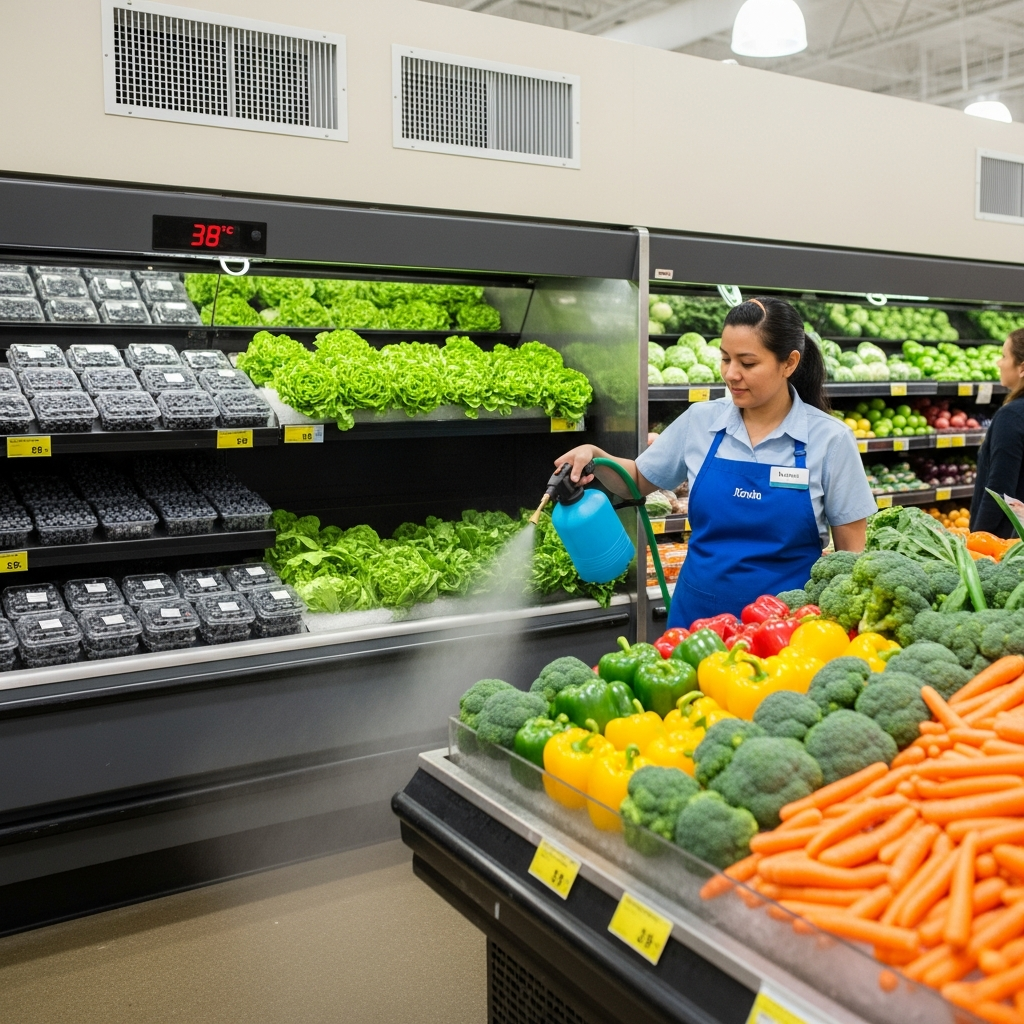
Fruits and vegetables each have comfort zones. Leafy greens prefer high humidity and gentle misting; root vegetables like it cooler and drier; tomatoes hold flavor better at room temperature until they are ripe. Stores manage these differences through distinct cases, calibrated misters, and thoughtful placement. Staff rotate stock using first-in, first-out methods and handle delicate items carefully to avoid bruising that shortens life. You can often see the results: lively herbs that stand upright, lettuces that snap, and berries that glow instead of weep.
Meat, seafood, and deli: temperature and time
Animal proteins demand rigorous control. Meat and seafood cases are set to narrow temperature bands, and products are displayed in shallow layers to maintain chill and prevent cross-contamination. Cutting rooms follow strict sanitation routines between tasks, and tools are dedicated to specific proteins. In the deli, slicing to order reduces time at ambient temperatures and lets you choose thickness for optimal storage at home. The standard that ties it all together is time: the less time a product spends out of its ideal zone, the more days of quality you enjoy after purchase.
Bakery freshness: timing the bake
Nothing lifts spirits like the scent of a fresh bake, but the real secret is timing. Skilled teams stagger bakes through the day so that bread and pastries reach the floor at their peak. Cooling racks are positioned for airflow that prevents soggy crusts, and display cases are cleaned frequently to keep humidity from turning crispness into chew. Many items are finished in-store to ensure texture holds until you slice into them at home. Freshness is not just about the clock; it is about managing heat, moisture, and handling with respect.
Dairy and eggs: steady, quiet protection
Dairy cases look simple, yet they are among the most tightly managed areas in the store. Even minor temperature swings can affect flavor and shelf life. Sensors monitor cooler performance continuously, and doors are designed to close gently but firmly. Stockers avoid overfilling shelves to maintain airflow, and they face products forward so you can read dates easily. Eggs are inspected for cracks and kept in stable environments that protect both safety and quality. The combined effect is reliability—milk that tastes clean and eggs that perform beautifully in your weekend bake.
Packaging that preserves without overpowering
Packaging plays a quiet, crucial role in freshness. Perforated bags let greens breathe; breathable films keep cut fruit from fogging; vacuum packs protect seafood and meats from oxygen exposure. The goal is balance—enough protection to slow spoilage without trapping moisture or aromas that compromise flavor. In Naperville, where households often shop multiple times a week, smart packaging helps maintain flexibility. You can buy today and cook tomorrow without worrying that quality will drop overnight.
Rotation and dating: the rhythm of reliability
Behind the shelves, teams work to a drumbeat: rotate, check, remove, and refresh. Dating systems—whether color-coded stickers or digital logs—ensure that older stock moves first and that anything approaching the end of its prime is pulled. When this cadence hums along, you see consistent quality even during rushes before storms or holidays. It is not glamorous, but it is the backbone of freshness.
Sanitation: invisible but essential
Cleanliness is the stage on which freshness performs. Slicers are broken down and sanitized on schedule, drains are scrubbed, and produce misters and trays are cleaned to prevent biofilm buildup. Staff wash hands frequently and change gloves between tasks. These habits, drilled into routine, protect both safety and flavor. In busy seasons, the best stores hold the line on these standards no matter how many carts roll through the door.
Training that sticks
Equipment and procedures only work when people know how to use them. Ongoing training teaches staff to recognize quality, handle items gently, and respond quickly when something is amiss. New team members learn to feel the difference between a ripe peach and one that needs another day, to spot early signs of temperature drift, and to keep workspaces organized. Experienced associates share tips—a quicker way to rotate a case, a smarter stack that prevents bruising—creating a culture where everyone guards freshness as a shared responsibility.
Local sourcing, shorter journeys
Whenever possible, stores shorten the trip between producer and shelf. Local and regional items often arrive faster and with less handling, preserving texture and flavor. In a community that values both quality and connection, those relationships matter. The benefit shows up on your plate: lettuce that stays crisp, bread that tastes as if it just left the oven, and berries that feel like summer even on a gray day.
Prepared foods with a chef’s discipline
From salads to soups, prepared items rely on two things: precise temperature control and batch sizes that match demand. Hot foods are kept within safe ranges and stirred to distribute heat evenly; cold dishes are nested in ice and covered to prevent drying out. Recipes are scaled so that pans turn over frequently, maintaining texture and brightness. The standard is the same as in a good kitchen: make enough to serve well, then make more.
Mid-aisle freshness checks you rarely see
During the afternoon lull or between rushes, staff conduct quick audits: cull wilted leaves, re-ice seafood, swap out a deli pan that has lost its sheen, and top off displays without burying older stock. You might notice a quiet team member moving with purpose, checking dates in the grocery department, and tidying as they go. Those micro-adjustments keep the store looking sharp and prevent small issues from growing into bigger disappointments.
Weather strategy: winter chill, summer heat
Naperville weather asks for a playbook. In winter, entrances may use air curtains to reduce cold blasts, and teams move products quickly to prevent temperature shock. In summer, coolers are monitored closely as doors cycle more often, and displays are set to avoid direct sunlight near windows. Staff remind shoppers—gently and helpfully—to keep cold items together at checkout so the ride home preserves the work that went into keeping them fresh.
Backup systems and calm during surprises
Power hiccups and equipment malfunctions happen. Strong stores invest in backup generators, alarmed coolers, and rapid-response maintenance. When a case drifts out of spec, teams relocate product, document checks, and communicate updates calmly. Shoppers often never know there was a blip because the safety net holds. That resilience is part of why you can trust what you bring home.
Customer role: finishing the freshness relay
Once items leave the store, you take the baton. Group cold goods together, head home rather than running several more errands, and store items promptly. Keep a small cooler in the trunk for summer days, and give delicate produce space in the fridge. Wash berries just before eating and treat herbs like flowers in a jar of water. These simple steps honor the care that protected your food upstream and stretch quality across the week.
Waste reduction that protects quality
Freshness and waste reduction are allies. When teams rescue near-peak produce for prepared foods, or donate surplus to community partners, inventory stays nimble. Smaller, more frequent deliveries for certain items reduce the risk of overstock, while imperfect produce finds appreciative cooks who know beauty is not the only measure of taste. In a city that values stewardship, these practices match Naperville’s ethos while keeping displays appealing.
Transparency that builds trust
Questions about sourcing, handling, or dating deserve clear answers. Stores that train staff to explain processes—how seafood is kept cold, why some tomatoes sit at room temperature, or how often cases are cleaned—equip customers to shop with confidence. Transparency is not about secrets; it is about partnership. When people understand the “why” behind a practice, they are more likely to handle items properly at home, completing the circle.
The small details you can taste
Freshness lives in details: citrus stored away from ethylene-sensitive greens, avocados nested rather than piled, and bakery bread cooled fully before bagging so steam does not soften the crust. These choices are not random; they are the cumulative wisdom of teams who care about your dinner. The difference shows up in the snap of a green bean, the shine of a cherry, and the way a tomato slices cleanly for a sandwich instead of flooding the cutting board.
From back room to table: a continuous promise
When you place a bag on your counter in Naperville—after a Metra commute or a quick detour from practice—you are continuing a story that began days earlier. Your grocery store has managed temperatures, trained hands, adjusted displays, and safeguarded flavor so that you can cook with confidence. The systems are complex, but the goal is simple: food that tastes like itself. Look a little longer at the produce case next time, or ask a deli associate about handling tips; you will likely hear a pride that mirrors your own high standards.
FAQ: Freshness questions, answered
Why do some tomatoes sit at room temperature in the store? Certain varieties hold flavor and texture better when kept out of cold air until ripe. Once cut or very ripe, refrigeration can help extend life at home.
How long can refrigerated items stay in the car? Aim to limit the time, especially in extreme weather. Group cold items together and head home promptly to maintain the cold chain.
What does “first in, first out” mean for shoppers? Use older items first, keep newer purchases behind them, and label leftovers with a simple date. This mirrors store rotation and reduces waste.
Why do greens sometimes wilt quickly at home? Overcrowded drawers, excess moisture, and sealed containers can hasten decline. Dry greens thoroughly, store in breathable containers, and avoid crushing them under heavier items.
Is frozen seafood a downgrade from fresh? Not always. Many fish are frozen quickly after catch, preserving quality. Proper thawing in the refrigerator yields excellent results.
How can I keep berries from molding? Store them dry with ventilation, wash just before eating, and remove any soft berries promptly to prevent spread.
What should I do if a product seems off? Bring it back and share details about when you purchased it and how it was stored. Responsive stores will make it right and use your input to improve.
Does packaging affect taste? Yes. Materials that allow the right amount of airflow or provide effective barriers help maintain texture and flavor while extending safe life.
What about herbs that wilt too fast? Treat soft herbs like flowers—trim stems and place in water in the fridge. Hardy herbs do better wrapped in a slightly damp towel in a breathable bag.
How do stores keep deli meats fresh after slicing? By maintaining low case temperatures, slicing to order when possible, storing meats in clean, covered pans, and rotating stock diligently.
When you are ready to shop with a new appreciation for the care that keeps your food vibrant, take a slow look through the grocery department. Ask a question, choose with confidence, and bring home ingredients that reward you at the table—freshness protected every step of the way.