
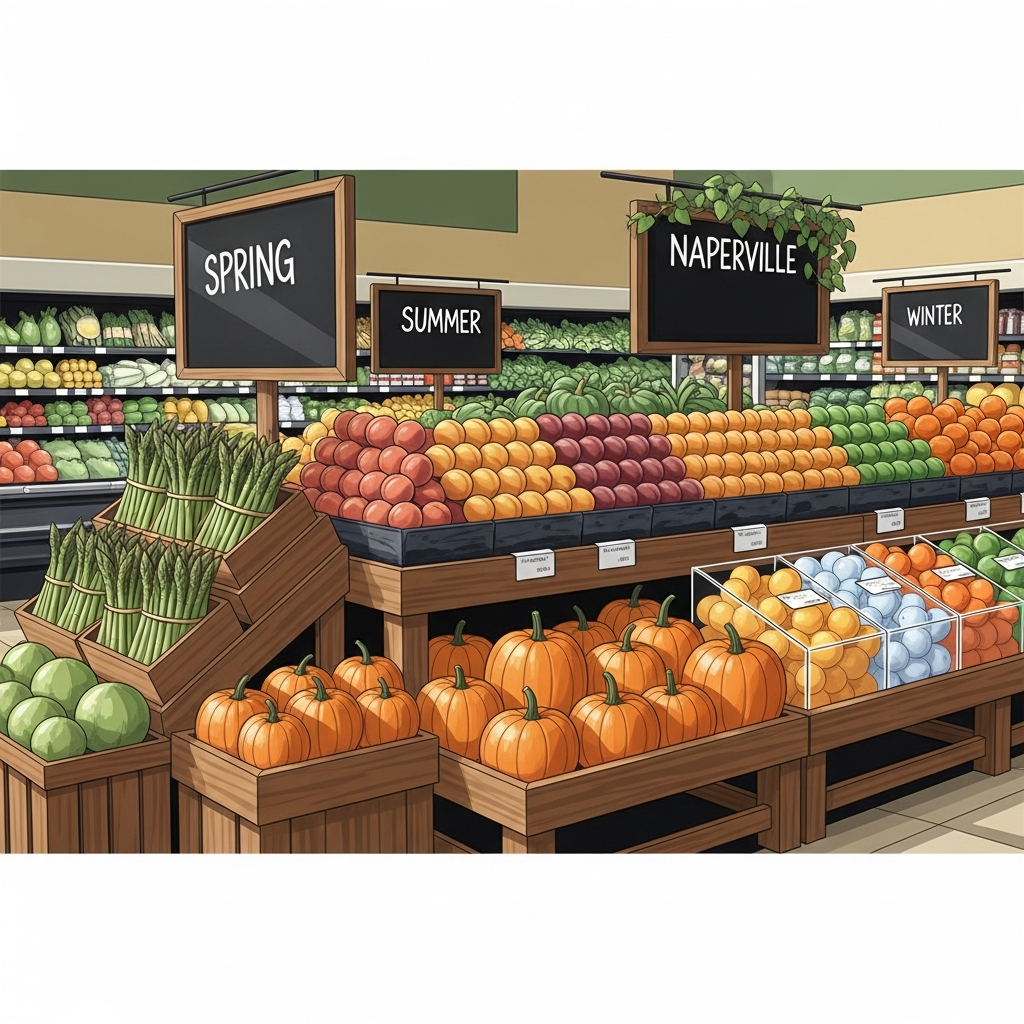
Seasonal wisdom, Naperville style
In Naperville, you feel the year in flavors as much as in temperatures. Spring’s first tender greens echo the cautious optimism of thawing days along the Riverwalk. Summer erupts with sweet corn and peaches, sending us outside with bursting paper bags and big weekend plans. Fall’s apples and squash invite slower meals and lingering conversations. Winter brings its own comforts—citrus brightness, hearty greens, and roasts that make our kitchens smell like home. Shopping with the seasons isn’t a trend here; it’s how the best meals come together. A well-curated grocery department turns this rhythm into an easy routine so you can build your week around produce that tastes alive.
Seasonal shopping has practical advantages, too. Foods at their peak tend to be more flavorful, nutrient-dense, and forgiving in the kitchen. They also often travel shorter distances, which means crisper textures and more reliable ripeness on your table. Once you tune your cart to the calendar, you’ll find dinner planning less stressful because the produce itself suggests what to cook. You stop forcing tomatoes to behave in January and learn how satisfying a pan of roasted carrots can be when the air has that distinctive DuPage County bite.
Spring: tender, bright, and quick
When spring finally lands—and we all know it can tease us—look for asparagus with tightly closed tips and vibrant color. The stalks should snap, not bend. Radishes are at their crispest now; choose firm bulbs and fresh, perky greens you can sauté or blitz into a pesto. Baby lettuces and spinach ask for little more than lemon and good olive oil. Herbs like dill and chives wake up simple eggs and potatoes, while green onions add friendly heat to everything from stir-fries to tacos.
Storage is straightforward. Wrap herbs in a barely damp towel and tuck them into a container. Store asparagus upright in a jar with an inch of water, covered loosely with a bag. Greens prefer a breathable container with a dry paper towel to capture excess moisture. Because spring produce is delicate, plan to eat it within the first half of your week.
Summer: abundance and grill smoke
Summer in Naperville hums with possibility. Sweet corn should feel heavy for its size; peel back just enough husk to check for plump kernels and bright silk. Tomatoes deserve a sniff—if they smell like a tomato, that aroma will come through on the plate. Peaches and nectarines yield to gentle pressure near the stem and share a perfumed scent that tells you they’re close to perfect. Berries should be dry and deeply colored; use them within a day or two for peak texture.
Lean into no-fuss meals. Slice tomatoes with basil and a sprinkle of salt, toss zucchini coins on the grill, and dress grilled corn with lime and a dusting of chili. Cucumbers with yogurt and dill become a cooling side for spiced chicken. When the heat builds, cold soups—gazpacho, cucumber blends, or puréed melon with mint—turn produce into refreshment. Keep fruit visible on the counter to encourage snacking, but move it to the fridge once ripe to extend its life.
Fall: comfort with a crisp edge
Fall is our time for apples, squash, beets, and sturdy greens. Apples should be firm, not mealy, with tight skin and a fresh snap when you bite. Mix varieties for pies and crisps—tart and sweet together make the flavors bloom. Winter squash should feel dense; a dull rind and a full, dry stem are good signs. Beets should be heavy for their size with intact greens if possible—those greens are delicious sautéed with garlic and a squeeze of lemon.
This is prime roasting season. Cut squash into half-moons and roast until the edges caramelize. Toss beets with olive oil, wrap them in foil, and roast until tender, then slice into salads with citrus and goat cheese. Kale and chard handle heat well; massage kale with a pinch of salt to soften it for raw salads, or simmer it into brothy soups that warm the house after a windy afternoon by the Riverwalk.
Winter: brightness in the quiet
Winter rewards cooks who chase flavor through texture and pop. Citrus is your best friend: look for heavy oranges, grapefruits, and mandarins with a little give. Pomegranates should feel weighty, indicating juiciness. Cabbage, Brussels sprouts, and hardy greens become sweet in cold weather; choose tight heads and vivid leaves. Root vegetables—carrots, parsnips, turnips—offer earthy depth that anchors stews and sheet-pan dinners.
Don’t forget storage. Citrus thrives in the fridge to prolong freshness. Cabbage stores well wrapped and placed in the crisper; a cut head should be covered to prevent drying. Root vegetables are forgiving—keep them cool and dark, and they’ll reward you with week after week of quick, comforting sides.
Ripeness cues and respectful handling
Every fruit and vegetable has a language, and the more fluent you become, the more confident your cooking. Avocados ripen off the tree; look for gentle give at the stem end. Mangos talk with aroma and softness near the top. Pineapples should smell sweet at the base, and a leaf that pulls with a soft tug suggests readiness. Stone fruit bruise easily, so handle with care and plan a quick turn from store to table. Tomatoes dislike cold—store them at room temperature until ripe, then chill sliced leftovers to respect food safety.
When in doubt, ask. Produce teams are usually proud to share tips and will steer you to the best variety for what you’re cooking. A five-minute conversation can save a disappointing salad or a mealy peach.
Root-to-stem and nose-to-tail produce
Stretching produce isn’t only thrifty—it’s delicious. Carrot tops become a bright chimichurri. Broccoli stems, peeled and sliced thin, turn into a crunchy slaw or a quick stir-fry addition. Kale ribs chopped small add chew to soups. Citrus peels can be zested for bursts of flavor or candied for a winter dessert. These practices honor the work embedded in every ingredient and reduce waste at home in a way that feels like creativity, not sacrifice.
Leftover herbs freeze beautifully—chop and mix with a bit of oil, then press into an ice cube tray for instant flavor bombs. Berries past their peak transform into compotes that gloss pancakes or swirl through yogurt.
Meal planning that respects the calendar
Plan meals around what’s fragile first. Use tender greens, berries, and stone fruit early in the week. Save root vegetables, cabbage, and squash for later. Build a template you can repeat: a salad night, a grill night, a soup or stew, and a catch-all “market bowl” that invites improvisation. When your plan mirrors the shelf life of the season, you cut waste and gain a calm rhythm in the kitchen.
Batch cooking plays nicely with seasons. Roast extra vegetables for grain bowls, cook more farro or quinoa than you need, and wash greens so they’re ready. The less you have to do at 6 p.m., the more likely it is you’ll choose the produce you bought with such good intentions.
Flavor friends: herbs, acids, and textures
Seasonal produce sings when paired thoughtfully. In spring, bright acids—lemon, vinegar—sharpen delicate greens. Summer loves basil, mint, and the snap of flaky salt. Fall vegetables soak up warm spices like cumin and smoked paprika, while winter produce wakes up with citrus, mustard, and a drizzle of good oil. Texture matters, too: crunchy seeds on a salad, toasted nuts over roasted squash, or crisp apple slices in a hearty slaw can turn a simple dish into a memorable one.
Keep a small rotation of “finishers” on hand—citrus, fresh herbs, yogurt, and a nut seed mix. A quick finish is often the difference between “fine” and “wow,” and it keeps the seasonal focus steady without a lot of extra work.
Shopping flow that makes sense
Start with a loop through produce and let your eyes lead. Pick two stars that make you excited to cook. Then gather supporting players: onions, garlic, herbs, and one or two easy sides like pre-cut squash or salad greens. Having a flexible plan reduces midweek panic. As you move through other aisles, think about how pantry items can amplify what’s in season—broths for soups, whole grains for bowls, and spices to keep things lively.
Mid-trip fatigue is real. If you feel your attention slipping, circle back to the display that first inspired you. Stores that feature recipes next to the produce—short, doable ones—help convert intention into supper. When the Naperville grocery department pairs ripe ingredients with a clear idea, it removes friction and keeps your plan intact.
Kids, snacks, and summer afternoons
Seasonal produce can be the easiest sell with kids when it’s a hands-on experience. Let them pick peaches and corn, then enlist their help washing berries or snapping green beans on the patio. Offer dips with raw vegetables—yogurt-herb blends or hummus—and keep fruit within reach on the counter. Popsicles made from blended seasonal fruit are a summer hero: refreshing, colorful, and more wholesome than anything boxed.
During the school year, build snack bins with cut vegetables and fruit made the night before. When good choices stare at you from the front of the fridge, they’re the ones you reach for at 3 p.m.
Winter cooking without the doldrums
Winter doesn’t have to feel beige. Use citrus to brighten dressings, roast root vegetables until their edges turn sweet and crisp, and lean on texture: crunchy cabbage slaws with sesame and lime, roasted Brussels sprouts finished with a splash of vinegar, and silky puréed carrot soup with ginger. Frozen produce is your ally when storms roll in; peas, spinach, and berries are flash-frozen at peak and can plug gaps without sacrificing quality.
Soups and stews reward a little patience. Sauté aromatics, bloom spices, and give vegetables time to soften and concentrate. A pot simmering on a Sunday afternoon can translate into weekday calm.
Ask your produce team
Some of the best shopping advice lives in the heads of the people stacking the displays. They know which apples just arrived, which melons are ripe enough to cut tonight, and how to store that new variety of greens. Naperville produce teams tend to be generous with insight; don’t hesitate to ask for a tasting slice or a recommendation. That quick chat pays off when you see how easily dinner comes together.
Over time, those conversations help you build a seasonal instinct. You’ll start recognizing the shift from spring to summer before the calendar does, guided by the color of tomatoes and the smell of peaches.
FAQ: Seasonal produce in Naperville
How do I keep herbs fresh longer?
Trim the ends, stand them in an inch of water in a jar, and cover loosely with a bag in the fridge. Change the water every day or two. Hardy herbs like rosemary prefer to be wrapped in a damp towel and stored in a container.
What’s the best way to tell if a melon is ripe?
For cantaloupe, look for a golden hue under the netting and a gentle give at the blossom end with a sweet aroma. For watermelon, a creamy yellow field spot and a duller thud when tapped are good indicators. Weight relative to size suggests juiciness.
Can I still eat seasonally in winter?
Yes. Focus on citrus, hardy greens, root vegetables, and well-stored apples and pears. Supplement with quality frozen produce, which is picked and frozen at peak. Use bright flavors and textures to keep meals lively.
How can I reduce waste with delicate summer fruit?
Buy smaller amounts more often, store fruit in single layers, and use softening pieces in smoothies, sauces, or quick compotes. Freeze berries on a tray before transferring to a container to keep them from clumping.
What are quick weeknight ideas with seasonal produce?
Think grain bowls with roasted vegetables, tacos piled with sautéed peppers and onions, frittatas loaded with greens, and simple pastas that spotlight tomatoes or squash. Keep a few pantry staples—broth, whole grains, beans—ready to pair.
How do I choose the right apple for the job?
Mix and match. Crisp, tart varieties like Granny Smith hold shape for pies, while sweeter, aromatic types like Honeycrisp or Fuji shine in fresh snacks and salads. Pairing types creates complexity in baked dishes.
Ready to put the calendar to work in your kitchen? Start your next shop by choosing two in-season stars and building around them. Let aroma, color, and texture guide you, and ask the produce team for their freshest picks. A stroll through a thoughtfully arranged grocery department will hand you everything you need to cook with confidence, eat with pleasure, and savor the best of Naperville in every season.