
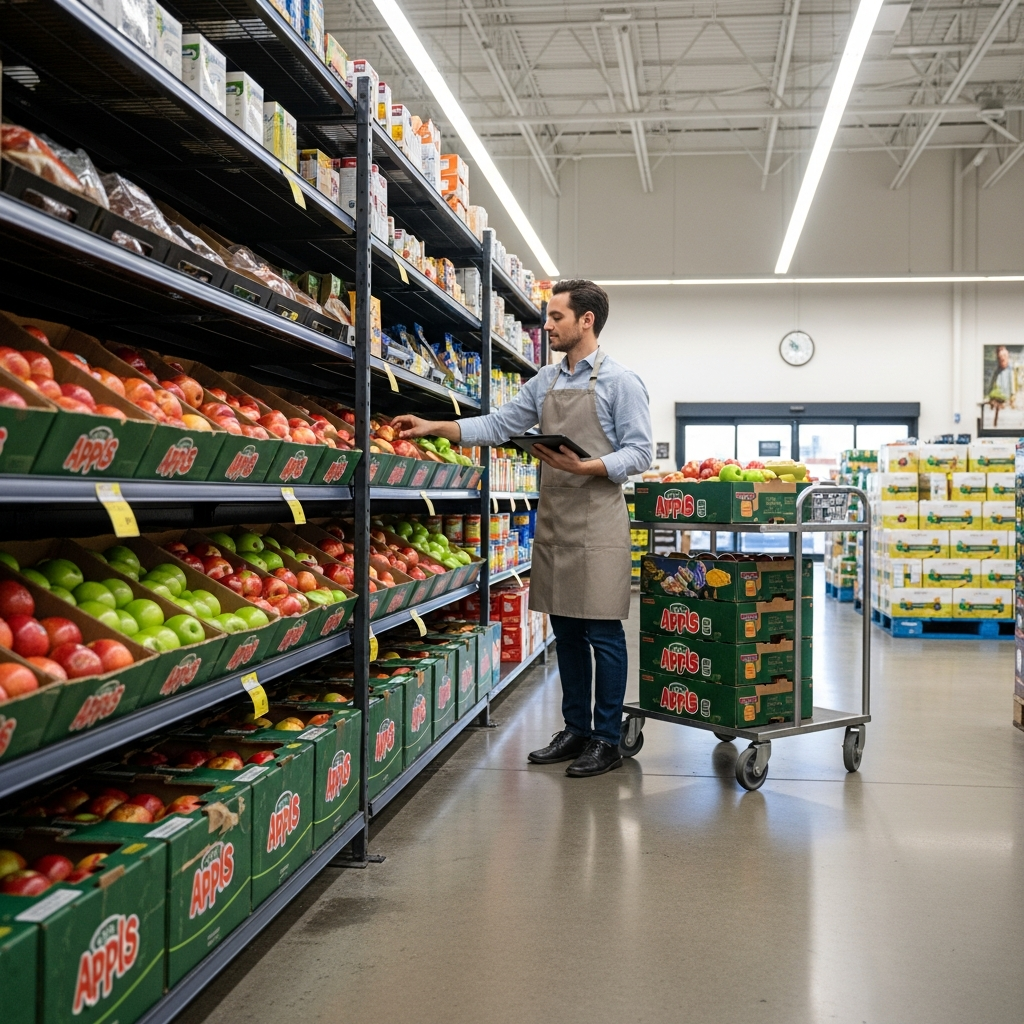
Behind the shelves: the quiet complexities
Walk into a Naperville grocery store on a Saturday morning and you’ll see abundance—orderly produce pyramids, full dairy cases, and bakery racks that look like they’ve never known an empty hour. But behind that calm is a choreography as complex as any downtown rush, where weather, traffic on Route 59, school schedules, and national supply chains collide. Inventory management is the invisible craft that makes your quick weeknight stop feel effortless. When it works, we hardly notice; when it stumbles, we notice immediately. The foundation is a reliable, well-coordinated grocery department that knows its community and adapts to its rhythms.
In Naperville, those rhythms vary by neighborhood and season. A heat wave spikes beverage and ice demand. The first cool Saturday shifts attention to baking staples and soups. Holidays and school breaks create surges that don’t always follow a neat pattern. Layer on supplier outages or trucking delays along I-88, and the calm shelves you see begin to look like the tip of a constantly moving iceberg. Stores that anticipate, measure, and adjust stand out precisely because they make complexity disappear.
Forecasting demand in a place with real seasons
Forecasting is as much art as science, and Midwest weather keeps forecasters humble. A warm October can stall sales of soups and squash; a sudden freeze pushes residents toward hearty roasts and citrus. Effective teams blend historical data with real-time signals—local weather alerts, community calendars, school sports schedules—to shape orders. They also stay nimble with vendor relationships so that last-minute adjustments don’t derail availability.
Even the day of the week matters. Fridays after work are different from calm Tuesday mornings. Decision-makers refine order cycles and safety stock targets to match those patterns. When they get it right, perishable shrink drops, out-of-stocks recede, and customers feel like the store “just knows.”
Perishables: a clock you can’t ignore
Produce, meat, seafood, and bakery operate on tight timelines. Cold chain integrity, backroom triage, and disciplined rotation determine whether items sell at peak or end up in the cull bin. Teams rely on first-expiring-first-out practices, accurate dating, and frequent quality checks. Prep volumes must reflect reality, not wishful thinking. If tomatoes came in softer than expected, the menu plan shifts—more salsa and soup, fewer sliced displays. That agility protects both margin and customer trust.
Presentation drives sales, but it can’t outrun biology. A gorgeous pyramid will fail if product underneath is aging. Smart merchandising uses smaller, fresher-facing displays replenished often. It looks abundant but stays nimble, which is better for the bottom line and for shoppers who want the best quality at any hour.
Supply chain knots and local workarounds
Global hiccups show up locally as missing ingredients or inconsistent brands. Smart stores diversify suppliers where possible, cultivating regional options that can fill gaps without sacrificing standards. When a national brand runs short, a local producer can step in, sometimes winning a permanent spot because customers prefer the taste or the story. That kind of flexibility requires strong vendor relationships and the willingness to trial alternatives quickly.
Transportation is part of the knot. Snow, construction detours, and peak-hour jams on Route 59 all combine to steal hours from delivery windows. Receiving teams that can flex schedules, clear docks quickly, and turn product to the floor fast keep disruptions invisible to shoppers. Communication is the safety valve—if a favorite is delayed, clear signage and thoughtful substitutes avoid frustration.
Data discipline and the human touch
Modern inventory systems can forecast, flag anomalies, and suggest orders, but they’re only as good as the data they digest. Clean scanning at checkout, accurate inventory counts, and timely adjustments make algorithms smarter. Yet the human touch remains essential. Department leads sense shifts before reports do—an emerging trend in nonalcoholic beverages, a sudden love for a niche hot sauce, or an Instagram-fueled run on a particular snack. Blending data and intuition is the Naperville advantage: tech to scale decisions, people to keep them grounded.
In practice, this looks like weekly reviews where teams discuss wins and misses, then tweak planograms and orders. It looks like empowering staff to pull laggards, cross-merchandise thoughtfully, and champion items that deserve a bigger stage. Over time, the store feels curated rather than crowded, which helps shoppers find what they want and discover new favorites.
Shrink: prevention beats apology
Shrink isn’t just theft; it’s damage, spoilage, miscounts, and markdowns that ate margin. Prevention starts in the backroom: precise receiving, quick temperature checks, and clear staging zones reduce handling errors. On the floor, right-sized displays, protective fixtures, and staff presence lower opportunities for both accidental and intentional loss. Training matters—when teams know how to rotate, cull, and handle product, shrink drops naturally.
Promotions and sampling must be coordinated, too. If a demo sells through faster than planned, replenishment needs to move just as fast or excitement turns into disappointment. Conversely, if interest is cool, teams pivot to protect quality—cooking suggestions, cross-merchandising, or portioning to keep momentum without waste.
Space is strategy
Every shelf is a decision. Too many SKUs and shoppers feel overwhelmed; too few and they feel boxed in. The right balance depends on neighborhood preferences and the season. Stores often trial new items in small pockets, then expand winners while pruning underperformers. Endcaps serve as spotlights to guide attention without bloating the aisle. In produce, the dance involves ripeness stages—displaying ready-to-eat fruit alongside firmer options so households can spread usage across the week.
Backroom space is just as strategic. Clear lanes, labeled locations, and standard containers prevent double-handling and misplaced inventory. The faster a case moves from truck to shelf, the fresher it is and the easier it is to track.
Staffing to match the clock
Inventory management lives and dies by labor alignment. Early-morning receivers, midday stockers, and evening front-end teams must dovetail or gaps appear. Schedules flex with seasonality—summer weekends need grill-heavy replenishment; winter leans into soups and baking. Cross-training builds resilience so one absence doesn’t cascade into empty spaces where product should be.
Culture underpins all of this. When teams feel ownership, they spot issues early and solve them before they grow. Recognition for quiet wins—perfect rotation, a save on a temperature variance, an elegant pivot when a truck is late—reinforces the habits that keep shelves full and shoppers happy.
E-commerce without cannibalizing the floor
Online orders have become part of the Naperville routine, but they introduce new inventory puzzles. Pickers must navigate the floor without disrupting in-aisle shoppers, and substitutions must honor preferences. Real-time inventory visibility is crucial; nothing erodes trust like a confirmation followed by a “sorry, it’s out.” Dedicated staging areas prevent curbside chaos, and batch picking by zone can reduce travel time and improve accuracy.
Done well, e-commerce complements the in-store experience. It smooths peak traffic and keeps overall sales steady even during blizzards that keep families home. But it requires vigilance so that popularity online doesn’t strip shelves bare for walk-in customers.
Regulatory guardrails and community expectations
Food safety rules, labeling requirements, and health standards shape inventory decisions from receiving to display. A compliant operation is table stakes; exceeding those expectations wins loyalty. In a community that values both efficiency and care, transparency is prized—where products come from, how they’re handled, and what to expect if an issue arises. That transparency reduces rumor, builds trust, and keeps small stumbles from becoming reputational dents.
Community expectations also guide assortment. Naperville households span many cultures and dietary preferences. Meeting those needs means carrying a wide but intentional range—gluten-free staples that actually bake well, plant-forward proteins that satisfy, and spices that make family recipes sing. The better a store reads the community, the more precise its inventory becomes.
Continuous improvement in a moving landscape
No plan survives contact with reality forever. The best inventory teams treat their playbook as a living document. Post-mortems after holidays, experiments with order frequency, and trials of new forecasting tools keep them ahead of the curve. They celebrate when an innovation works and course-correct quickly when it doesn’t. That humility and persistence deliver the experience shoppers feel but rarely see.
Amid all the data and deadlines, the goal remains simple: a smooth trip for a tired parent at 6 p.m., a reliable Sunday stock-up after church, a confidence-boosting find for a teen cooking their first meal. When operations align with those moments, inventory management becomes a quiet form of hospitality.
FAQ: Inventory management in your neighborhood store
Why do out-of-stocks happen even when the store seems well-run?
Because many variables collide—weather, supplier issues, transportation delays, and sudden demand spikes. Strong systems reduce frequency and duration, but occasional gaps are inevitable. What matters is fast communication and smart substitutions that respect your preferences.
How do stores keep perishables fresh all day?
Through disciplined rotation, frequent small replenishments, tight temperature control, and displays designed for airflow. Backroom triage and quick movement from dock to shelf prevent early quality loss.
Do online orders make shelves emptier for walk-in customers?
They can if unmanaged. The best stores set pick windows, allocate inventory by channel, and stage orders efficiently so floor shoppers still find what they expect. Real-time visibility and thoughtful substitutions keep both experiences strong.
How are local products integrated without overcomplicating inventory?
By starting small, testing sell-through, and building reliable delivery rhythms. Successful local items earn permanent slots, while slower movers rotate in seasonally or for special features. Clear labeling helps shoppers discover these options.
What’s the biggest driver of shrink?
There’s no single culprit—spoilage, damage, miscounts, and theft all contribute. Prevention starts with precise receiving, careful handling, right-sized displays, and engaged staff who take ownership of freshness and accuracy.
Why does the assortment change from season to season?
Because shopper needs and product quality shift with the weather. Summer brings grilling, salads, and fruit; winter leans into soups, roasts, and baking. Adjusting assortment keeps quality high and reduces waste, benefiting both shoppers and the environment.
If you value shelves that feel full, fresh, and thoughtful, support the teams doing the quiet work. Share feedback, be open to smart substitutions, and shop with a flexible plan. A quick walk through a well-orchestrated grocery department connects you to the operational care behind the scenes—and sends you home with exactly what you need for the week ahead.