Walk into a Naperville market on a busy afternoon and you will find shoppers doing more than filling their carts. They are reading labels, asking detailed questions at the counter, and comparing notes with neighbors about where to find the most reliable cuts. As interest in halal meat has grown, so has the need for clarity about how products are sourced and labeled. Most local retailers are conscientious, but even the best systems can produce confusion. Understanding common issues—and how to navigate them—helps every household shop with confidence.
I have spent many hours chatting with butchers and customers in Naperville, and a pattern emerges: people want to do the right thing, but the vocabulary of certifications and supply chains can feel opaque. Labels vary, practices differ among suppliers, and not every claim is explained on the package. Fortunately, the most frequent stumbling blocks can be addressed with a few steady habits and a willingness to ask direct questions.
Issue 1: Inconsistent Certification Language
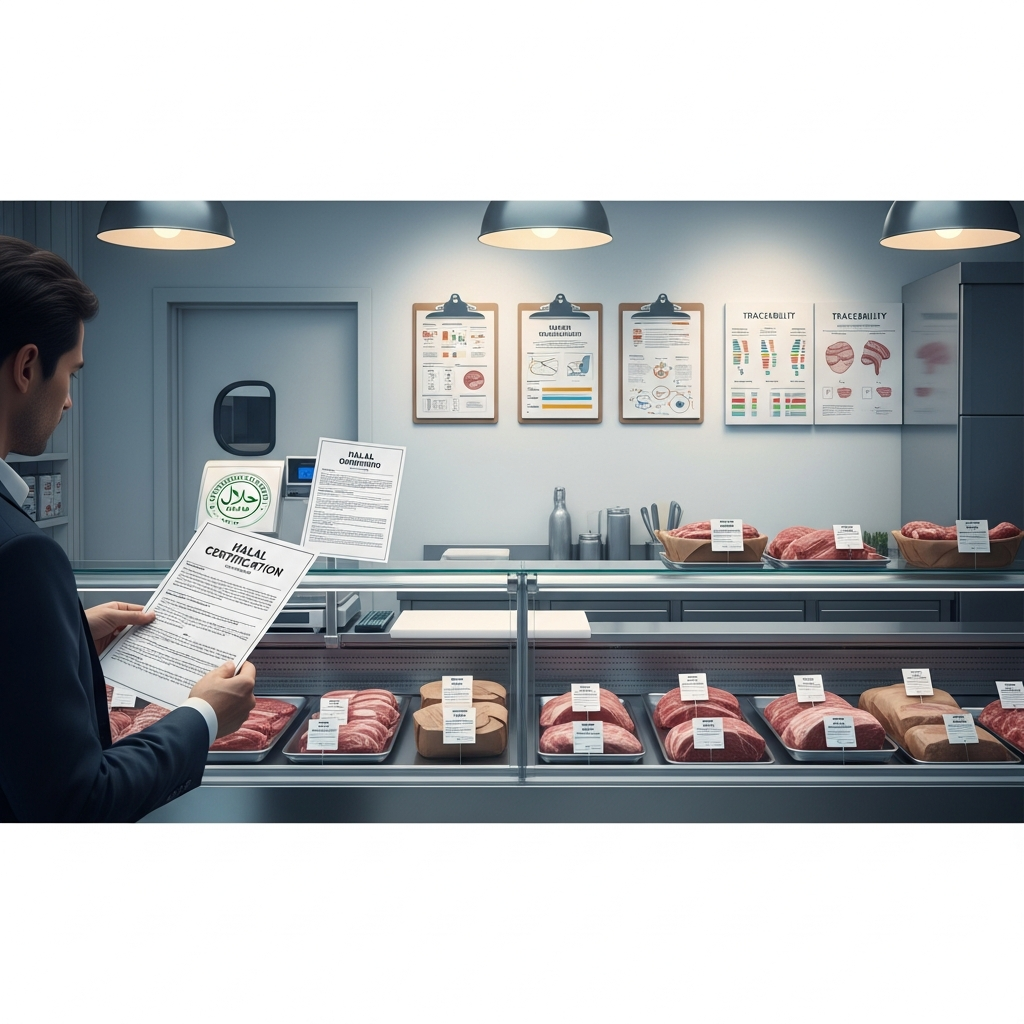
Not all halal certifications use the same terms or logos, and some products rely on in-house verification rather than third-party seals. This inconsistency can confuse shoppers who are new to halal or who are shifting between stores. In Naperville, reputable markets often post certificates or keep documentation on hand to show customers. If you encounter unfamiliar wording, ask the staff to explain who performed the certification, what practices were verified, and how often inspections occur. Clear, consistent answers are a good sign that the shop has done its homework.
It is worth noting that certification is not the end of the story. The integrity of halal depends on daily practices: trained personnel, meticulous sanitation, and transparent recordkeeping. A store that invests in those routines tends to communicate better and respond quickly to customer concerns, reducing the chance that labeling ambiguity will lead to misunderstandings.
Issue 2: Supply Chain Gaps and Traceability
Halal integrity must be protected from slaughter to storage to sale. Gaps can occur when documentation is incomplete or when distributors handle both halal and non-halal products without clear separation. In Naperville, most established markets have built strong relationships with suppliers they trust. Still, it is fair to ask how products are tracked, whether transport is segregated, and how the store verifies each shipment. A confident answer—supported by logs, delivery schedules, or supplier statements—signals that traceability is not just a promise but a daily practice.
Traceability also benefits customers when something goes wrong. If a batch does not meet expectations, a store with good records can act quickly, identifying the source and taking corrective steps. That responsiveness is part of what builds long-term trust.
Issue 3: Ambiguity Around Stunning Practices
Within the halal community, practices regarding pre-slaughter stunning vary. Some certifications permit certain forms of reversible stunning, while others do not. Because this topic is technical and sometimes contentious, labels may not always spell it out. If your household has a specific preference, ask the butcher directly how their suppliers handle this aspect of slaughter. Reputable Naperville stores will either have the details ready or will obtain them from their suppliers. The key is respectful transparency and the willingness to align offerings with community expectations.
Recognizing that good-faith interpretations exist helps keep conversations constructive. The shared goal is humane treatment and adherence to principles. When stores explain their stance clearly, customers can make informed choices without guesswork.
Issue 4: Mixed-Use Facilities and Cross-Contamination
Another concern arises when facilities process both halal and non-halal products. In such environments, robust separation, sanitation, and labeling protocols are essential. Many Naperville retailers work with processors that maintain dedicated lines or strict changeover procedures. Customers are wise to ask how the risk of cross-contact is managed, how equipment is cleaned, and whether staff receive specific training. Detailed, confident responses are encouraging; vague generalities are a cue to press for clarity or shop elsewhere.
At the retail level, counters must also prevent mix-ups. Clear signage, color-coded tools, and well-organized storage reduce the chance of error. If you notice a counter that handles tasks with care and consistency, you are likely in a place where labeling integrity is treated as non-negotiable.
Issue 5: Vague Origin Information
Customers increasingly want to know where animals were raised and processed. Sometimes labels only list a distributor rather than a farm or plant. While that may be normal in complex supply chains, it does not satisfy shoppers who value transparency. In Naperville, many butchers bridge that gap by keeping supplier lists, batch records, or delivery notes available for review. Ask about the origin of a specific cut, and pay attention to how readily the information is shared. The speed and clarity of the answer often indicate how deeply the store understands its own supply network.
Origin information helps more than curiosity; it guides cooking. Different suppliers may yield subtle differences in flavor and texture, and experienced home cooks learn to prefer certain sources for particular dishes. When markets track these nuances, they can advise customers more precisely.
Issue 6: Marketing Buzzwords vs. Meaningful Claims
Labels sometimes carry buzzwords that sound reassuring but offer little substance. Terms like “natural” or “farm fresh” are not regulated with the same rigor as halal certification. In Naperville’s better stores, staff will distinguish between marketing language and verified practices. They can explain the difference between halal and organic, or between free-range and pasture-raised, so customers can make choices that reflect their priorities. The most trustworthy counters avoid overpromising and focus on concrete standards they can demonstrate.
When in doubt, anchor your questions in specifics. Ask about slaughter oversight, handling protocols, storage temperatures, and delivery schedules. Specific answers tend to reflect real systems; generic phrases often do not.
How Shoppers Can Navigate Labeling with Confidence
Success begins with relationships. Introduce yourself at the counter, share what you like to cook, and explain any preferences you have about certification or sourcing. Butchers in Naperville are used to these conversations and often appreciate the chance to guide you. Regulars benefit from insider tips, such as the best day to buy whole chickens or when fresh lamb typically arrives. These details help you plan meals confidently and reduce the stress of last-minute shopping.
It also helps to plan around what is freshest. Many locals check reliable listings for current halal meat offerings, then head to their preferred market with a short list and focused questions. When you buy intentionally, you are more likely to notice labeling details and build your own mental map of which cuts from which suppliers work best in your kitchen.
What Retailers Are Doing Right in Naperville
From what I have seen, the best halal counters in town treat transparency as an everyday practice. They maintain clean, organized spaces; train staff to answer questions with precision; and keep documentation close at hand. They also welcome feedback, treating customer inquiries not as challenges but as opportunities to improve. Over time, those habits create a marketplace where shoppers know they can rely on consistent standards, and where misunderstandings—when they occur—are quickly resolved.
Retailers who prioritize traceability also tend to excel in freshness. Knowing exactly when and how a product arrived allows them to rotate stock properly and recommend optimal cooking windows. That level of care shows in the final meal: cleaner flavors, better textures, and fewer disappointments at the table.
Building a Culture of Questions and Clear Answers
In a community as engaged as Naperville, questions are a sign of respect. They mean customers care enough to learn, and retailers care enough to teach. The more we normalize asking about certification, handling, and origin, the stronger our food system becomes. Over time, shoppers develop a shared vocabulary with their favorite counters, reducing the chance for confusion and creating a local standard that newcomers can easily adopt.
This culture of clarity also benefits young cooks. Teens and college students who are starting to shop for themselves learn quickly when they hear adults and staff discuss specifics. They absorb the habits of checking labels, storing meat properly, and choosing cuts that match their recipes—a foundation that will serve them for years.
Frequently Asked Questions
What does a halal certification actually verify?
Certification typically verifies that slaughter and handling follow Islamic guidelines, including humane treatment, a trained slaughterer, and thorough draining of blood. Some certifiers also review facility practices and supply chain documentation. Because standards vary, it is wise to ask your retailer which certifier they use and what is included.
How can I tell if a label is reliable?
Reliable labels are supported by staff who can explain them. Look for clear, consistent information in-store and on packaging, and ask to see certificates or supplier details if you are unsure. A trustworthy counter will welcome the conversation and provide specifics rather than vague reassurances.
Does halal mean the meat is organic or free-range?
No. Halal refers to how animals are treated and slaughtered, not farming methods. Some halal products also carry organic or free-range labels, but those are separate certifications. If these attributes matter to you, ask about them directly.
How do retailers prevent cross-contamination?
They use clear separation, sanitation protocols, and staff training. Many maintain dedicated tools and storage areas for halal products. When in doubt, ask the counter to describe their procedures. Confidence and detail in the response are good indicators of strong systems.
What should I do if a label seems unclear or contradictory?
Bring the package to the counter and ask for clarification. Most issues can be resolved with a quick check of records or a call to the supplier. If clarity is not forthcoming, consider buying a different product or shopping at a store known for better transparency.
Why does origin information matter?
Origin can influence flavor, texture, and your comfort level with animal welfare practices. Knowing where a product comes from also helps with traceability in case of any quality concerns. In Naperville, many butchers keep origin notes on hand precisely because customers ask.
Ultimately, confidence comes from a combination of clear labels, honest conversations, and consistent experiences at the table. On your next shopping trip, take a few minutes to ask about sourcing and certification, and notice how the staff respond. If you are planning meals for the week, check a trusted local source for current halal meat selections, then buy with purpose. With the right partnership between shoppers and retailers, Naperville can continue to set a high bar for integrity, flavor, and everyday ease in the kitchen.