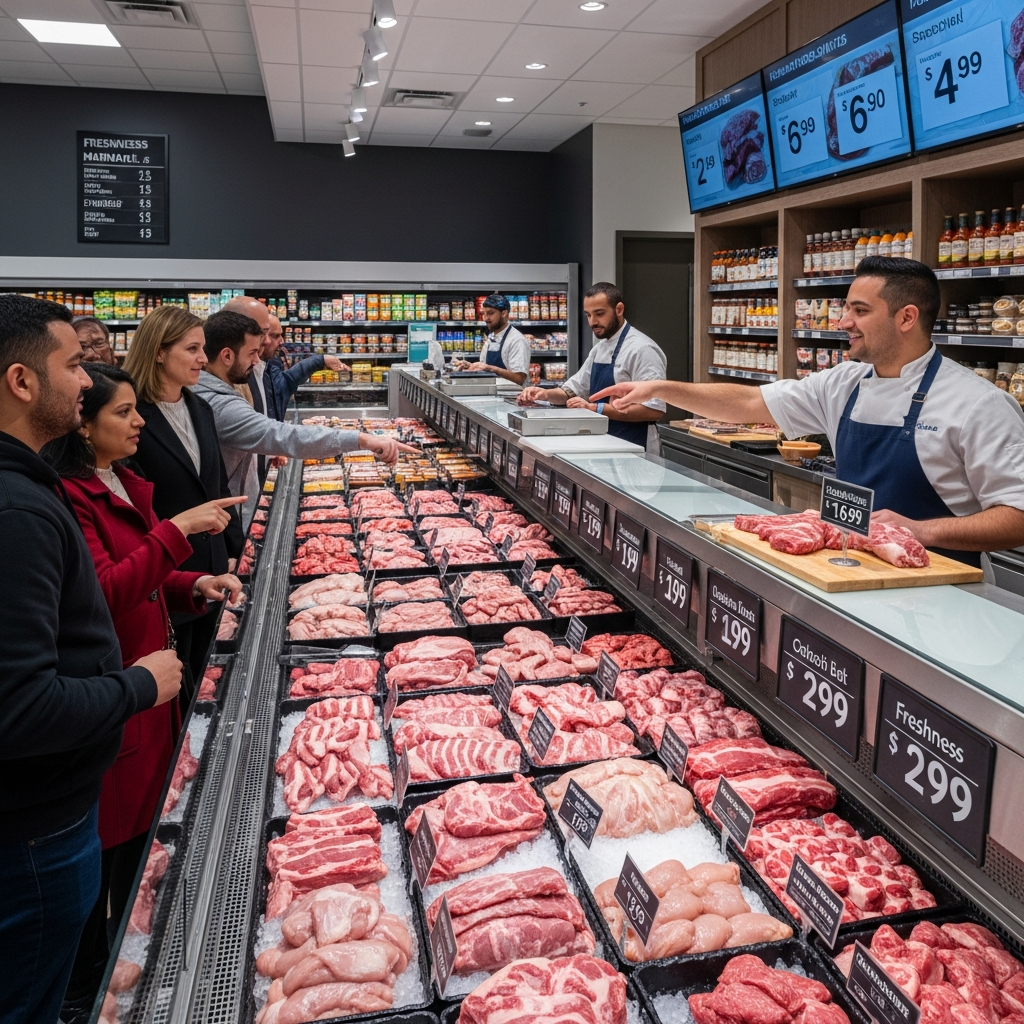
Spend an afternoon at a Naperville meat counter and you will learn more about market trends than any spreadsheet can tell you. The questions customers ask, the cuts that sell out first, and the conversations between butchers and home cooks reveal a food culture that is both discerning and welcoming. Over the last few years, one theme has stood out: halal meat has moved from a niche request to a central part of the city’s culinary flow. From busy weeknights to holiday celebrations, more residents are embracing halal meat for reasons that blend ethics, taste, and reliability.
The best way to understand these trends is to listen closely. Parents on their way to soccer practice want quick, lean cuts; home grillers are asking for precise trim on brisket and short ribs; teens shopping with their parents want recommendations for air-fryer recipes. Behind those requests lies a wider shift toward transparency. Shoppers want to know where their food comes from, how it was handled, and what to expect when it hits a hot pan. Halal standards, with their emphasis on humane treatment and careful slaughter, align naturally with that desire for clarity.
Trend 1: Clean Flavor and Consistency as Top Priorities
Talk to regulars at Naperville’s halal counters and you will hear the same two priorities: clean flavor and consistency. Consumers appreciate that properly sourced halal beef, lamb, and poultry often cook with fewer off-notes and a dependable texture. For busy households, that means fewer culinary surprises. Your chicken braises as expected, your lamb retains a pleasantly distinct character without overwhelming the dish, and your beef sears with a satisfying crust. Consistency has become a selling point that keeps customers returning to the same counters week after week.
This preference is also reflected in home cooking gadgets. The rise of the air fryer, instant pressure cookers, and smarter ovens rewards ingredients that behave predictably. Halal’s attention to handling and cleanliness helps cuts respond well to these methods, so a wider audience adopts them with enthusiasm. In Naperville kitchens, new techniques are not a fad—they are a tool for managing time while preserving quality.
Trend 2: Transparency and Traceability at the Counter
Another shift is the expectation of open conversation at the butcher counter. Shoppers want to know which day the lamb came in, how the beef was processed, and whether a particular batch of chicken is especially fresh. Halal-focused shops have leaned into this expectation by building close relationships with suppliers and training staff to answer detailed questions. In an era when consumers read labels with care, that human element—clear, confident answers from someone you trust—turns a chore into a partnership.
Traceability also affects purchasing behavior. Customers in Naperville increasingly plan their shopping around delivery days and staff recommendations. Social media helps, but nothing replaces the five-minute chat with a butcher who knows your cooking style. If you love low-and-slow barbecue, they will steer you toward the right trim and marbling. If you batch-cook for the week, they will recommend cuts that reheat beautifully without drying out.
Trend 3: Culinary Crossovers and Neighborhood Tables
Naperville’s cultural landscape has encouraged bright culinary crossovers. Halal tacos, Mediterranean-inspired meal prep, South Asian grills on summer weekends—all of these reflect a community where neighbors exchange recipes as readily as they share spices. This blending of traditions is pulling halal into more homes, including those that once considered it outside their routine. What drives adoption is not a label alone, but the social proof of great meals shared across backyards and block parties.
Butchers have become translators in this process, recommending cuts and techniques that bridge cuisines. A lamb shoulder that anchors a classic roast also makes extraordinary barbacoa; chicken thighs destined for biryani can be marinated for shawarma. As households learn how versatile halal cuts can be, preferences shift toward selections that promise flexibility over the course of a week.
Trend 4: Convenience Without Compromise
Convenience used to mean sacrificing quality, but Naperville shoppers are rewriting that equation. Pre-marinated options, neatly trimmed boneless cuts, and precise grind choices for beef are in higher demand. The key is trust: these conveniences are valued when they come from a counter that respects halal protocols and communicates clearly about ingredients. Rather than turning to anonymous packages, consumers are asking their preferred butcher for time-saving choices that still meet their standards.
This is especially true for busy families. If a parent can walk in, explain the week’s schedule, and leave with cuts that cook in 20 minutes or less, they are more likely to sustain home-cooked habits. Convenience, in that sense, is a driver of healthier, more mindful eating, and halal counters are meeting that need with tailored recommendations.
Trend 5: Education and Certification Literacy
As interest in halal grows, so does curiosity about certification. Savvy consumers in Naperville have become literate in the vocabulary of oversight. They ask about the credentials of slaughter personnel, supply chain documentation, and whether practices align with their personal expectations within the spectrum of halal interpretation. This literacy does not create division; rather, it motivates stores to be exact and forthright. Clear signage, consistent messaging, and staff knowledge build loyalty in a marketplace where shoppers are both informed and discerning.
Education also takes the form of cooking classes, recipe cards at the counter, and informal lessons that happen as the line moves. People want to be good stewards of the food they buy. When they learn how to handle a particular cut, the results encourage repeat purchases and word-of-mouth recommendations that carry significant weight in our community.
Mid-Market Momentum: Planning Around What’s Fresh
A noticeable pattern in Naperville is the midweek surge for fresh deliveries. Savvy shoppers time their visits to catch the best selection, then plan meals accordingly. This is where digital and in-person experiences converge. Home cooks often check current halal meat offerings online, then head to the counter with specific questions. That blend of preparation and conversation leads to smarter buys: the right amount for the week, cuts tailored to cooking methods, and an understanding of how to store and portion for minimal waste.
These habits reflect a broader preference for intentionality. Rather than impulse buys, consumers are making deliberate choices shaped by schedules, nutrition goals, and shared meals with neighbors. The outcomes—fewer last-minute takeout runs, more family dinners at home—reinforce the trend toward halal counters as trusted partners in daily life.
What Younger Shoppers Are Asking For
Teenagers and young adults, many of whom grew up in households that already valued halal, are making their own choices now. They ask for smaller portions, convenient packs, and cuts that perform well in dorm or apartment kitchens. Air-fryer friendly chicken, quick-cooking stir-fry beef, and lean ground blends for tacos and pasta sauce are high on their lists. They also care about sustainability and humane treatment, pressing for details that older generations might have taken on faith. This cohort is shaping the future of halal retail in Naperville by seeking both values and practicality in a single package.
Digital fluency plays a role as well. Younger shoppers often arrive having researched recipes and techniques, and they use the butcher counter as a knowledge check. They want validation: Will this cut shred easily after pressure cooking? Is this grind too lean for burgers? Those micro-conversations add up to a retail environment where halal literacy is on the rise.
Seasonal Shifts and Celebration Cuts
In winter, braises and stews dominate. In summer, grills take center stage. Halal counters in Naperville respond by adjusting inventory: more lamb shanks and chuck roasts in the cold months, more kabob-ready cuts and bone-in chicken when the weather warms. Around holidays—Eid, Thanksgiving, and December gatherings—the appetite for special cuts spikes. Consumers are quicker now to pre-order, discuss portion sizes, and request trimming that suits specific recipes. This proactive planning reflects a preference for stress-free entertaining and predictable results.
Stores that help customers plan ahead earn loyalty. A butcher who remembers your family’s favorite roast or your preferred thickness for steaks becomes a partner in your culinary calendar. Over time, those relationships define consumer preferences as much as any price board or promotion.
Quality as a Community Standard
Ultimately, Naperville’s halal meat trends converge on a single point: quality is a shared expectation, not a luxury. Consumers are precise about what they want, but they are also generous in their praise when markets deliver. Word-of-mouth spreads quickly, bringing new customers who are curious to try what their neighbors recommend. That cycle keeps standards high and inventories responsive to real-world cooking habits, not just abstract demand.
In this landscape, halal’s alignment with ethics, cleanliness, and flavor gives it a durable edge. People do not choose it only once; they choose it again and again because it helps them cook well and share joy at the table. That is a trend that outlasts fads.
Frequently Asked Questions
Are halal meat trends only relevant to Muslim shoppers?
No. While halal has deep religious significance, the trends shaping Naperville’s market—transparency, humane treatment, and clean flavor—appeal to a broad audience. Many non-Muslim households choose halal cuts because they align with their expectations for quality and accountability.
How do I keep up with fresh arrivals and special cuts?
Ask your butcher about delivery schedules and sign up for any in-store updates. Many shoppers also check online listings for current halal selections, then visit the counter for personalized advice on cuts and quantities that fit the week’s meals.
Do convenience options compromise halal integrity?
Not when they are handled by a trusted counter. Pre-marinated or pre-trimmed items can save time without sacrificing standards, provided staff communicate ingredients and maintain strict handling protocols. Transparency is the key to preserving integrity.
Why does halal meat seem to cook more predictably?
Halal protocols emphasize careful handling and thorough draining of blood, which many cooks associate with a cleaner baseline and consistent texture. Good results still depend on technique, but the starting point is often more reliable.
What cuts are trending for weeknight cooking?
Boneless skinless chicken thighs, lean ground beef blends, sirloin for quick sears, and lamb shoulder for versatile shredding are frequent requests. These cuts adapt well to modern appliances and batch cooking, which suits busy Naperville schedules.
How can I experiment with new cuisines using halal cuts?
Discuss your plan with the butcher and start with versatile cuts. A lamb shoulder can become barbacoa, a classic roast, or a curry. Chicken thighs can go from shawarma to tacos with a change in spices. Building confidence across cuisines is part of the fun in our multicultural food scene.
If you are ready to ride the momentum of these trends, stop by a trusted local counter this week. Ask what is freshest, plan a couple of meals you can batch or grill, and enjoy the kind of clean, consistent flavor that makes cooking a pleasure. For a quick look at current availability, browse reliable local listings for halal meat, then bring home cuts that fit your style and celebrate Naperville’s vibrant culinary spirit.