
On a busy weeknight in Naperville, it is tempting to rush from the butcher counter to the skillet. Yet the most delicious meals begin long before the pan heats up. They start with careful storage and handling—the quiet steps that protect flavor, texture, and safety. As more neighbors choose halal meat for its ethical grounding and clean taste, it is worth revisiting the habits that keep those qualities intact from market to table.
Think of storage as an extension of the care that halal standards require. Skilled slaughter, thorough draining of blood, and attentive handling provide a strong foundation. Your role is to keep that integrity intact at home. With a few thoughtful routines tailored to Naperville’s rhythms—commutes, school schedules, summer heat waves—you can reduce waste, avoid last-minute stress, and serve meals that taste as good as they should.
From Counter to Car: Protecting the Cold Chain
Food safety begins the moment you pick up your order. In warm weather, especially during Midwest summers, bring an insulated bag or small cooler for the trip home. Ask the butcher to wrap items securely and separate raw poultry from beef or lamb. If errands will keep you out for a while, make the market your last stop so meat is not warming in the trunk. These small choices preserve the cold chain—a simple concept with big consequences for quality and safety.
When you arrive home, put meat into the refrigerator or freezer promptly. If you plan to cook within a day or two, the refrigerator is fine; for longer delays, freeze promptly to lock in freshness. Halal’s reputation for clean flavor depends in part on how carefully it is handled, and your home routine is the final link in that chain.
Refrigeration: Where Organization Meets Flavor
Designate a shelf or drawer in your refrigerator for raw meat, ideally at the bottom where drips will not contaminate other foods. Keep packages on a tray or in a container that is easy to sanitize. Organizing this space is not just tidy housekeeping—it ensures airflow and consistent temperature, which keep meat in its best condition.
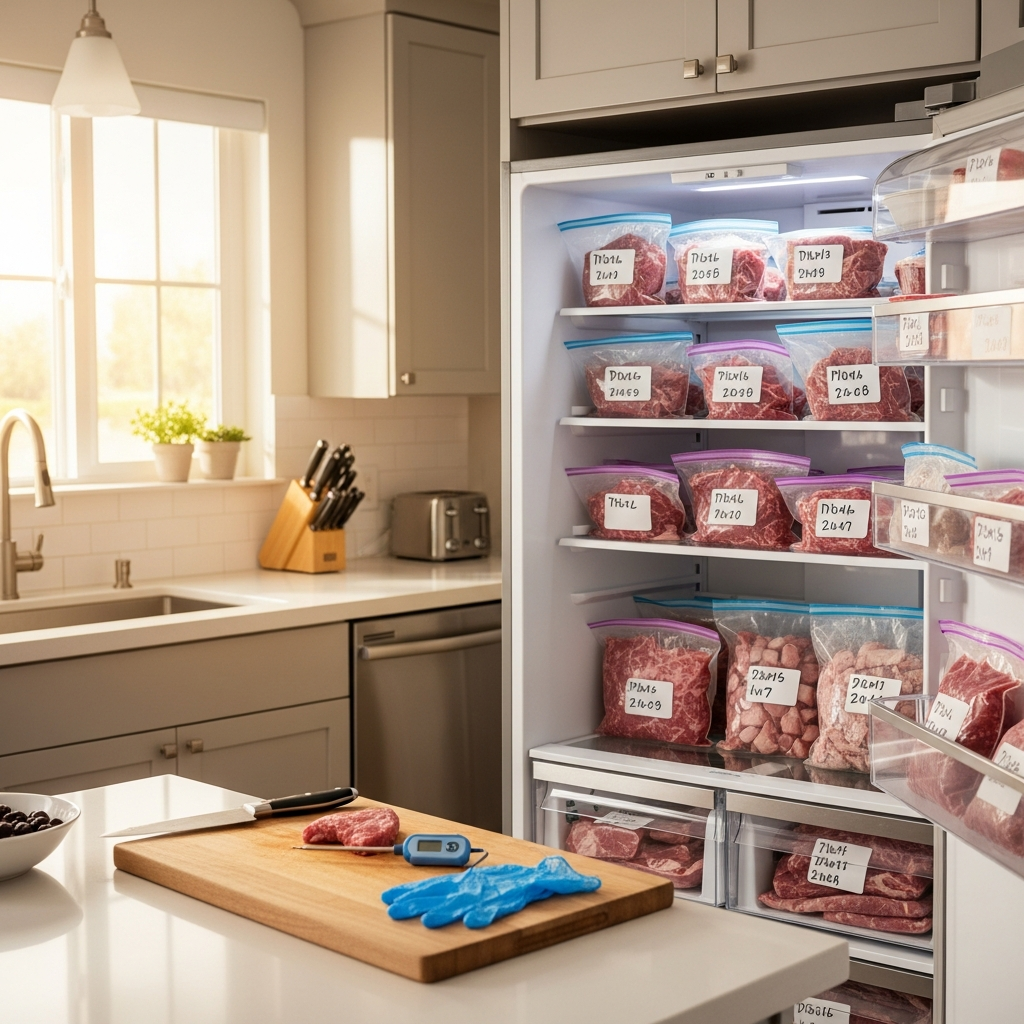
Label packages with the date you brought them home and the cut type. A simple marker can prevent confusion later in the week. If you portion large purchases into meal-sized packs, do it quickly and cleanly. Sharp knives, a stable cutting board reserved for raw meat, and clean hands will save you time and guard against cross-contamination. These basics create a kitchen environment where halal’s strengths—clean taste and reliable texture—shine through.
Freezing: Locking in Freshness
Freezers are a busy home cook’s best friend. Wrap cuts tightly to prevent freezer burn, pressing out excess air before sealing. For ground meat, flatten portions into thin rectangles so they thaw more quickly and evenly. For steaks or chops, double-wrap with freezer paper or heavy-duty bags. Label with the cut, weight, and date; future you will be grateful when pulling items for a last-minute dinner.
If you marinate before freezing, use sturdy, leakproof bags and record the marinade on the label. Many Naperville cooks swear by this approach because it simplifies weeknights: the meat thaws already seasoned, ready to slide into a skillet or onto a grill. Just remember that sauces with a lot of fresh herbs or dairy can change texture when frozen; test small batches to see what you like best.
Thawing: Patience Pays Off
Thawing in the refrigerator is the gold standard. Place the meat on a tray to catch any drips and allow enough time—larger roasts can take a day or more. If you are pressed for time, a cold-water bath works safely when done correctly: keep the meat sealed, submerge it in cold water, and change the water every 30 minutes until thawed. Avoid room-temperature thawing; it invites bacterial growth and undermines the care that went into halal processing.
Once thawed, cook promptly. Do not refreeze raw meat that has been thawed in the refrigerator for more than a day or that has been thawed using the cold-water method. Quality declines with repeated temperature swings, and texture can suffer, especially in tender cuts like chicken breast or lamb chops.
Cross-Contamination: Quiet Hazards, Simple Fixes
The most common kitchen mistakes are easy to prevent. Keep separate cutting boards for raw meat and ready-to-eat foods. Wash hands thoroughly before and after handling raw items. Sanitize counters and tools with hot, soapy water and a safe disinfectant as needed. When marinating, never reuse a raw marinade on cooked meat unless you boil it first; better yet, reserve a portion before it touches raw protein. These habits become second nature and protect the clean flavors that make halal dishes shine.
Consider how your kitchen flows. If kids help set the table or pack lunches, make sure the raw-prep area is distinct and well-marked. A simple system—colored boards, a dedicated knife, a tray that signals “raw zone”—keeps routines smooth when the whole household is in motion.
Cooking Temperatures and Resting
Halal meat rewards precision. Use a reliable thermometer to confirm doneness without guesswork. For chicken, cook until juices run clear and the thickest part reaches a safe internal temperature. Beef and lamb can be tailored to preference within safe ranges, but remember that carryover heat will continue to cook the meat after it leaves the heat source. Resting for a few minutes redistributes juices, delivering a tender bite that reflects both halal quality and your careful technique.
Resting is especially important for grilled items, which are popular throughout Naperville’s backyard seasons. Tent steaks or chops loosely with foil for several minutes before slicing. For roasts, rest longer. The patience you exercise here pays dividends on the plate.
Marinating and Seasoning with Care
Marinades can amplify halal meat’s natural clarity. Balance acidity (like lemon or yogurt) with salt, aromatics, and a touch of sweetness if desired. Do not drown the meat; use enough to coat surfaces evenly and allow time for flavors to penetrate. If you prefer dry rubs, season early to draw out moisture and build a crust during searing or grilling. Store marinating items in the refrigerator, never on the counter, and keep raw and ready-to-eat foods far apart.
On busy evenings, streamlined seasoning strategies keep you on track. Measure salt by feel over time, learn how your preferred cuts respond to different spices, and note what works. In kitchens around Naperville, small notebooks of tried-and-true combinations often live next to the stove, evolving with each week’s experiments.
Leftovers: Safety Meets Creativity
Cool leftovers quickly by portioning into shallow containers and refrigerating promptly. Plan how you will use them: chicken thighs become next-day wraps, roast lamb folds into warm grain bowls, and sliced steak turns a salad into a satisfying lunch. When reheating, aim for gentle heat to maintain moisture. A splash of broth in a covered skillet can restore tenderness without overcooking.
Label leftovers with dates so they do not get lost behind condiments. Set a reminder on your phone if that helps you rotate through items before quality declines. When you treat leftovers as planned components rather than afterthoughts, you reduce waste and get more value from every careful step you took at the start.
Grocery Day Routines That Work in Naperville
Our city’s calendar shapes kitchen logistics. On hot summer Saturdays, keep a small cooler in the car; on winter evenings, do not leave meat in a frigid trunk where partial freezing can affect texture. If your household shops once a week, sketch a simple plan: cook the most perishable cuts first, freeze what you will not use within a couple of days, and set aside time to portion and label as soon as you get home. This rhythm reduces rushed decisions that lead to mistakes.
Communicate with your butcher. Ask which day chicken or lamb arrives and plan your meals around those deliveries. If you need special cuts for a celebration, pre-order so you are not improvising at the last minute. These small acts of planning are the difference between scrambling and cooking with calm, especially when guests are coming.
Building Confidence for New Cooks
Many young adults in Naperville are learning to cook in their first apartments or dorm kitchens. For them, safety and flavor feel like parallel tracks. The secret is that they are the same track: temperature control, clean prep spaces, and mindful storage yield both. Keep a thermometer handy, learn basic knife care, and set up your fridge with defined zones. With halal cuts, these habits quickly translate into reliable, delicious results that make home cooking more appealing than takeout.
Parents can help by modeling routines: placing raw items on a tray, washing hands without shortcuts, and labeling packages. Invite teens to choose a recipe and walk through each handling step together. Empowered cooks make safer choices because they understand the why behind each action.
Frequently Asked Questions
How long can I keep fresh halal meat in the refrigerator?
Plan to cook poultry within a day or two and most beef or lamb within three to four days, depending on freshness when purchased. When in doubt, ask your butcher for guidance based on that week’s deliveries. If your plans change, freeze promptly to maintain quality.
What is the safest way to thaw a large roast?
Thaw in the refrigerator on a tray to catch drips. Allow at least a full day, sometimes more for very large cuts. If you need to speed things up, use a cold-water bath with the meat sealed and the water changed every 30 minutes until thawed. Avoid room-temperature thawing.
Can I refreeze halal meat after it has thawed?
For best quality, avoid refreezing raw meat once thawed. If you must, ensure it was thawed safely in the refrigerator and has been kept cold. Cooked leftovers can be frozen, but expect some changes in texture. Label clearly and consume within a reasonable time.
How do I prevent cross-contamination in a small kitchen?
Create a simple system: a dedicated cutting board and knife for raw meat, a tray to contain drips, and a routine of washing hands and sanitizing surfaces immediately after prep. Even in tight spaces, these steps minimize risk and keep flavors clean.
What are signs that frozen meat has lost quality?
Look for excessive ice crystals, dry or discolored patches, and off-odors after thawing. While some freezer burn is not dangerous, it can affect texture and taste. Good wrapping and quick freezing after purchase help avoid these issues.
Does halal handling change how I should cook the meat?
Not necessarily, but many cooks find halal cuts respond well to precise seasoning and careful temperature control. Use a thermometer, rest meats after cooking, and choose methods that match the cut—quick sears for thin pieces, gentle braises for tougher ones.
With a few steady habits, you can treat every cut with the respect it deserves and savor meals that reflect both your care and the standards that define halal. If you are planning your next grocery run, glance at a trusted local source for current halal meat offerings, talk with your butcher, and bring home the ingredients that will turn a busy week into a string of satisfying, safe, and delicious dinners.