
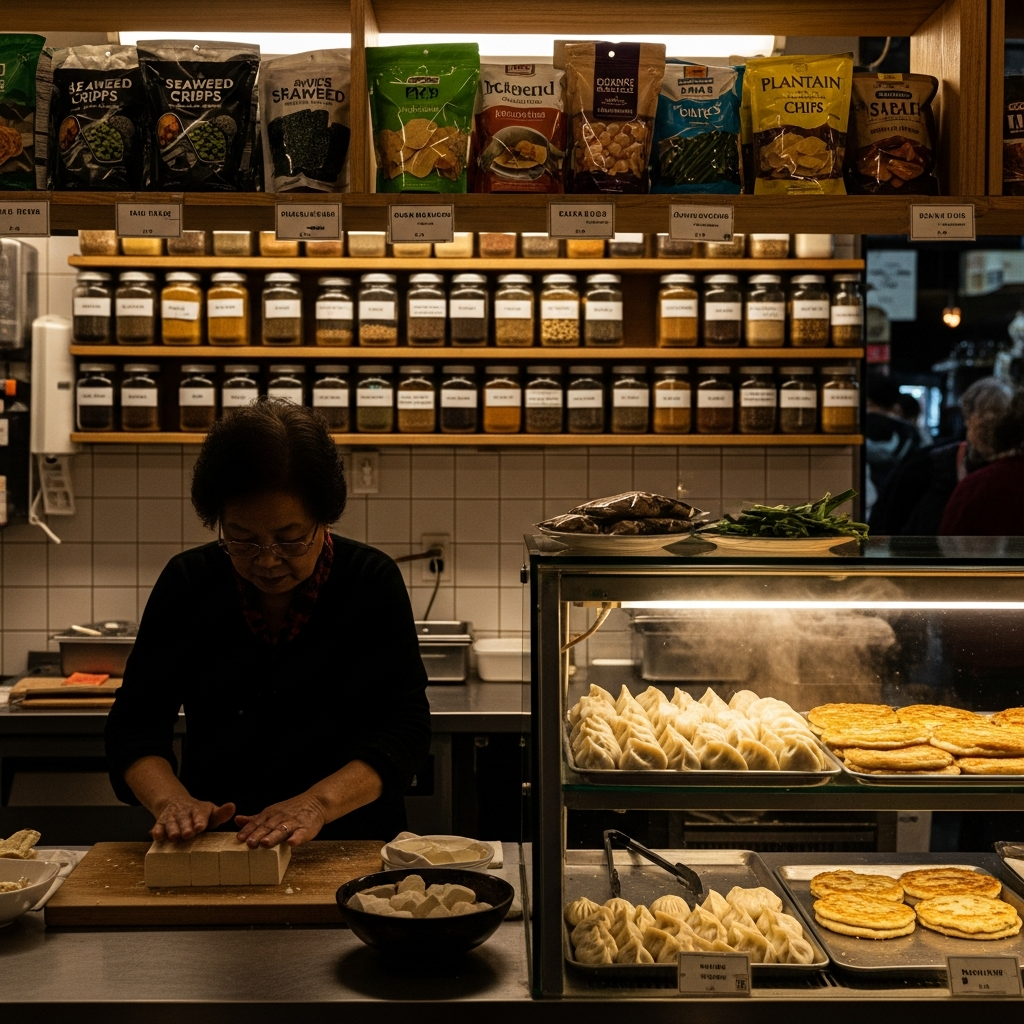
Every time I step into an international market in Naperville, I discover something that changes the way I cook for a week, sometimes for a lifetime. The fun of ethnic food finds is that they are not trophies to display but tools to use; they invite you to hear the stories of neighbors, learn a new technique, or remember a dish from childhood that you have not tasted in years. The market becomes a community space where flavors jump the borders of habit and settle comfortably into our kitchens.
On a recent visit, I watched a grandmother select just the right tofu, pressing it gently to judge firmness the way some people test peaches. A few steps away, a young couple filled a basket with spices they could pronounce only with the help of a friendly clerk. That is the spirit of shopping here: curiosity, generosity, and a sense that good food is a language we share. Before I head out, I often take a quick look at rotating highlights—sometimes the same way I would glance over weekly deals—to get a feel for what might be featured or newly arrived. Then I let the aisles lead.
Snack aisles that double as travel guides
Ethnic snack sections are joyfully eclectic: seaweed crisps next to plantain chips, spicy chickpea puffs near sesame brittle, rice crackers beside tamarind candies. I like to choose one savory, one sweet, and one wildcard. A bag of nori-flavored chips turns into an irresistible side for a simple noodle lunch. Sweet halva or nut-studded nougat makes coffee time feel celebratory. The wildcard might be a tangy, tamarind-coated mango strip that strikes a perfect balance of sour and sweet. These snacks become conversation starters at home and at small gatherings, a delicious way to invite friends into new flavors without asking them to cook.
Nearby, preserved fruits and pickles offer their own education. Indian lime pickles, Japanese umeboshi, Korean kimchi, Middle Eastern torshi—the variety is astonishing. A small spoonful can light up a plate of rice and grilled vegetables. Look for glass jars with sturdy seals and read the ingredients to find the balance you prefer. Some are fiery, others mellow; some lean sour, others salty. A tiny dab on a sandwich or a grain bowl will teach you exactly how powerful condiments can be.
Deli counters that bridge cultures
Many international markets host deli counters where hot trays sit beside salads and dips, and every option smells like a different invitation. Think roasted eggplant spreads with smoky depth, yogurt-based salads bright with cucumber and mint, dolmas tightly rolled and gleaming, and rice dishes perfumed with whole spices. A few scoops from the deli can transform a simple home-cooked main into a feast. I often buy a small container of something I do not recognize and ask the clerk how they like to serve it. Those tips become shortcuts to weeknight happiness.
Bakeries attached to these markets are equally dangerous in the best way. Puffy flatbreads, sesame rings, flakey pastries with pistachio or date filling, and airy sponge cakes are common finds. Fresh bread plays particularly well with the rest of the store; pair it with cheese from the dairy case, olives from the jarred goods aisle, and a quick salad from the produce section, and you have a meal. Watch for steam when the bakery racks are refilled; that is your cue to choose a loaf while it is at its most fragrant.
Spice walls and the geometry of flavor
It is one thing to read a recipe that calls for fenugreek leaves or Kashmiri chili; it is another to hold the bag in your hand and breathe in the scent. The spice wall in a good international market is a geometry lesson in flavor: angles of heat, arcs of sweetness, and the through-line of aroma. You can pick up berbere to bring Ethiopian warmth to lentils, ras el hanout for a layered Moroccan profile, or Chinese five spice to add anise-kissed complexity to braises. These blends save time and deliver balance that might take you years to perfect on your own.
Whole spices open another door. Toasted cumin and coriander seeds crackle in the pan and release their essential oils, turning a simple vegetable sauté into something magnetic. Cardamom pods, lightly crushed, perfume rice or tea. Star anise gives soups a new backbone. Stock a few whole spices alongside ground essentials, and you will feel your cooking stretch in directions that delight.
Sauces, pastes, and the art of shortcuts
Shelf-stable sauces and refrigerated pastes are gifts for busy cooks. A spoonful of Thai curry paste plus coconut milk and vegetables yields dinner in minutes. Harissa stirred into yogurt becomes an instant marinade. Gochujang adds gentle heat and depth to noodles and grain bowls. Fish sauce and soy sauce each contribute their own form of savoriness—one oceanic, one roasty—and the combination, used judiciously, tastes like you spent far longer in the kitchen than you did.
I keep a mental map of where to find my favorites in the store: curry pastes in the refrigerated case near tofu, chili oils on the shelf by the vinegars, tahini tucked between nut butters and syrups. When these are at home, I can build a meal around any vegetable or protein in a matter of minutes. That is the beauty of ethnic food finds: they are not just exciting; they are practical. They shorten the road between hunger and satisfaction.
Frozen treasures and ready-to-cook gems
Do not skip the freezer cases. Dumplings with delicate pleats, scallion pancakes that fry up shatteringly crisp, parathas that puff in the pan, and vegetable mixes designed for stir-fries all wait there for your next quick meal. The best frozen items respect their ingredients and your time. Keep one or two on hand for evenings when you want comfort without effort. Pair frozen dumplings with a quick dipping sauce—soy, vinegar, a touch of sugar, and chili oil—and a salad of cucumbers and herbs, and you have a dinner that feels restaurant-worthy.
Freezers also hide fruit pulps for smoothies and desserts—passion fruit, guava, soursop—that you can blend into drinks or fold into yogurt. These concentrated flavors are ideal for brightening a gray day and for introducing kids to new tastes. Because the pulps are usually pure fruit, you get a true sense of the ingredient without added distractions.
Produce as an invitation to cook
Even though this guide focuses on packaged and prepared finds, the produce aisles are the anchor for everything else. Asian long beans, Thai basil, tomatillos, and fresh turmeric; bitter melon, shishito peppers, figs, and fresh dates—each item suggests a path to dinner. The staff is your best ally in choosing the right ripeness and understanding how an ingredient behaves. Over time, you will learn that green plantains fry into savory coins while very ripe plantains caramelize into dessert, that fresh herbs keep best when trimmed and stored like flowers, and that cutting vegetables uniformly helps sauces cling evenly.
Pairing finds from different cuisines
One of the most satisfying parts of shopping in an international market is the freedom to cross cultures on a single plate. A soft flatbread can scoop up a stew of Italian beans. Kimchi can crown a taco. Harissa can enliven roasted sweet potatoes that share a tray with cumin-scented chickpeas. These are not acts of dilution but moments of affection, where you let traditions shake hands while maintaining respect for their origins. Your kitchen becomes a place where flavors collaborate rather than compete.
Hosting with confidence
If you are hosting, a spread of ethnic food finds transforms entertaining from stress to ease. Start with a couple of dips from the deli, add fresh bread from the bakery, and set out olives, pickles, and a few cheeses. Heat a tray of frozen appetizers and serve them with a small collection of sauces for dipping. Round everything out with a crisp salad or sliced fruit. The variety ensures that everyone finds something to love, and you never feel pinned to the stove while guests mingle.
Frequently asked questions
How do I choose an unfamiliar sauce or spice blend?
Read the ingredients and smell the product if possible. Look for familiar anchors—garlic, chili, citrus, herbs—and ask a staff member for a serving suggestion. Start with a small container or the mildest option, then scale up as you learn your preferences. Many sauces and blends come in different heat levels, so you can dial in exactly what you like.
What are good starter items for someone new to ethnic markets?
Choose a noodle you have not tried, a spice blend designed for a cuisine you enjoy, and a versatile sauce such as soy, fish sauce, or harissa. Pair those with fresh produce you already love, and you will see how easily these finds fit into your routine. Frozen dumplings or parathas also make excellent entry points because they deliver big payoff with minimal effort.
How do I store opened sauces and pastes?
Most fermented or chili-based sauces keep well in the refrigerator once opened. Use clean spoons to avoid contamination, cap tightly, and note the date. If a paste thickens over time, a splash of its partner ingredient—vinegar, oil, or water—can restore a workable texture. Trust your senses; if it smells off or looks separated beyond repair, it is time to replace it.
Can I combine flavors from different cuisines in one dish?
Absolutely. Start with a shared foundation—rice, noodles, beans, or bread—then layer complementary flavors. Keep balance in mind: heat with coolness, richness with acidity, and crunch with softness. Drawing from different traditions works best when each element tastes intentional rather than accidental.
What if a snack or sauce is too spicy for me?
Balance heat with dairy, coconut milk, nut butters, or a touch of sweetness. Acidity also calms spice; a squeeze of lime or a splash of vinegar can help. When in doubt, start with small amounts of a new product and build up. Most markets carry mild variants of their boldest items, so explore until you find your sweet spot.
How do I explore without overspending or wasting food?
Set a small exploration budget for each trip and choose items in modest sizes. Plan two meals that feature your new finds so they do not linger on the shelf. Share discoveries with friends; a tasting night where everyone brings one item encourages exploration and prevents waste.
Bring your discoveries home
Naperville’s international markets reward curiosity with flavor and convenience. Go with a sense of play, ask questions, and take home one or two new things you are excited to try. If you like to time your shopping around featured items and fresh arrivals, peek at current weekly deals before you head out. Then let your appetite lead the way; your pantry and your dinner table will thank you.