
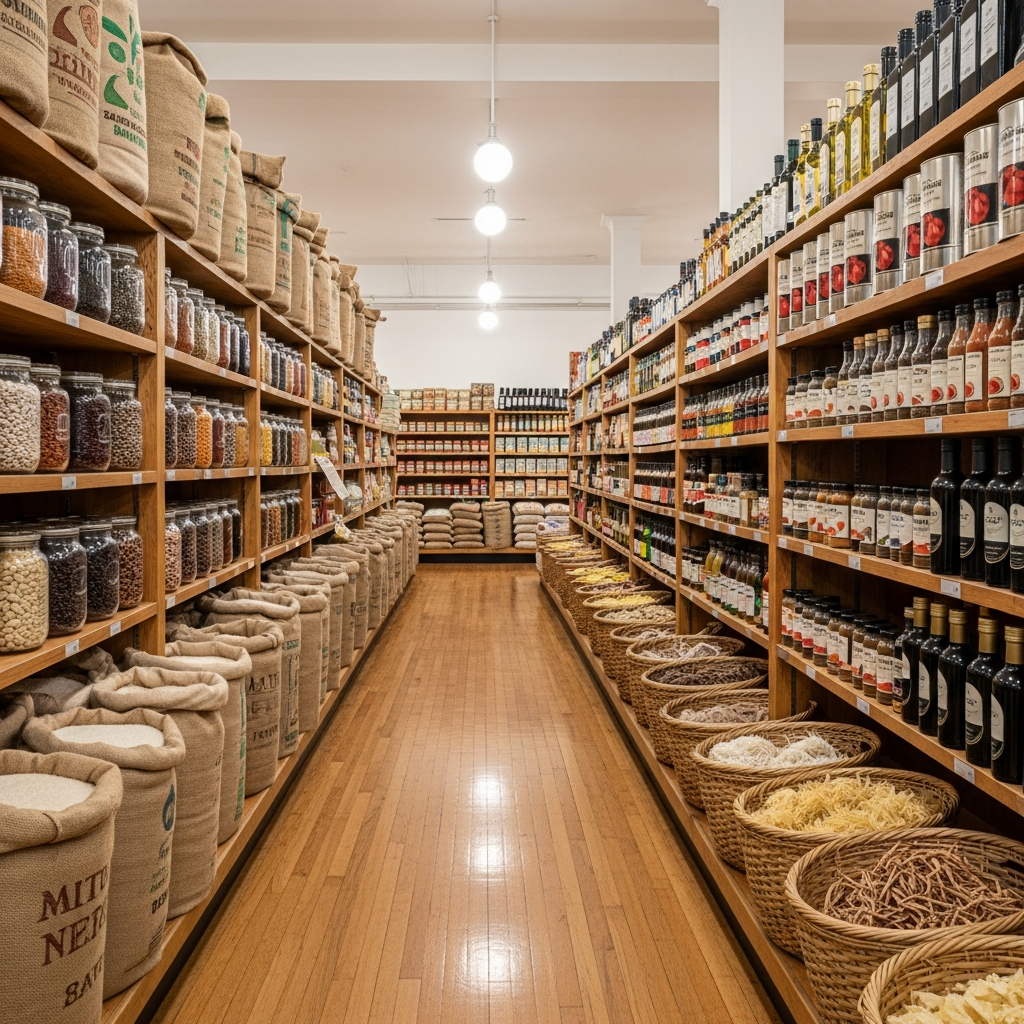
Pantry staples are the quiet heroes of weeknight cooking, and in Naperville, an international market is where those heroes assemble from every corner of the globe. Walk in with a short list—rice, beans, noodles, oils, and spices—and you will walk out with possibilities. Shelves of basmati and jasmine sit near nutty farro and chewy barley. Racks of dried noodles display thicknesses and textures you did not know you were missing. Cans of tomatoes, jars of sauces, and rows of vinegars speak to the common ground between distant cuisines. Stock a smart pantry once, and weekday suppers start to feel like miniature trips without the packing.
Before I head over, I glance at rotating highlights to see what might shape my choices, the way I might scan for weekly deals on a Sunday evening. A good international market teaches you that staples are not dull. A bag of fragrant jasmine rice opens the door to crisp-fried shallots and a quick herb salad. A tin of high-quality tomatoes means a soup that tastes like it simmered all day, even if you only had half an hour. Beans of every variety—black, pinto, cannellini, adzuki—are ready to lend body to salads and stews. And the spice aisle invites you to rethink everything you thought you knew about cinnamon, cumin, and peppercorns.
Rice, grains, and the foundation of flavor
Rice is one of the most satisfying places to begin because its personalities are so distinct. Basmati is long and elegant with a fluffy texture that pairs beautifully with roasted vegetables and saucy curries. Jasmine is soft and fragrant, perfect for stir-fries and grilled meats. Short-grain rice gives you the stickiness that anchors sushi, bibimbap, and rice balls. At the international market, you will also find regional varieties and blends—parboiled grains that stay distinct for pilafs, brown rice with a toasty quality, and specialty rices like black or red rice that bring color and nuttiness to the plate.
Move a step beyond rice and you enter the world of barley, bulgur, millet, quinoa, and farro. These grains respond well to strong seasonings and mix-ins, making them the pantry’s best team players. I keep a mental chart of “grain plus aromatic plus vegetable equals dinner,” which allows me to throw together a satisfying bowl after a long day. Cooked barley shines with olive oil and roasted mushrooms; bulgur makes quick work of chopped tomatoes and parsley; millet becomes a delicate base for sautéed greens. When these are in the pantry, you feel like you are already halfway to a good meal before you even open the refrigerator.
Beans, lentils, and comfort in a bowl
The bean section at a strong international market reads like a catalog of comfort foods. You will see dried and canned options side by side, which lets you choose between time-saving convenience and slow-simmered depth. Canned chickpeas are weeknight gold for salads, stews, and quick sautés with garlic and lemon. Dried lentils cook faster than many other legumes and come in varieties—green, brown, red, French—that each offer a different texture. Red lentils break down into a creamy base, while French lentils stay intact and toothsome.
Then there are the more specialized legumes you might not know you need until you try them. Adzuki beans bring subtle sweetness to soups and rice; black-eyed peas slip naturally into braises with greens; and split peas, both yellow and green, make hearty soups with a handful of aromatics. Keep a couple of varieties you love and one you have not tried yet, so exploration becomes part of your routine. The staff at the market can point you to the best cooking methods for each type and suggest spices that complement them.
Noodles and the joy of texture
If you grew up with only one kind of spaghetti, the noodle aisle in an international market is a revelation. Wheat noodles range from chewy hand-pulled styles to delicate thin strands meant for quick broths. Rice noodles vary from translucent vermicelli to wide, silky sheets that soak up sauce. Soba brings buckwheat’s earthiness, while udon offers plush comfort in steaming bowls. Keep a couple of different textures on hand; you will find that a change in noodle shape can transform a familiar sauce into a new experience.
One of my favorite weeknight moves is to combine a noodle with a pantry sauce and a couple of fresh vegetables. A spoonful of chili crisp, a dash of soy sauce, and a splash of vinegar tossed with hot noodles can carry blanched greens and sliced scallions right to the table. For a warm-weather variation, cold noodles meet cucumbers, carrots, and herbs with equal success. The beauty of an international market is that the possibilities do not end at the shelf; the adjacent produce and deli corners offer toppings and proteins that build a full meal in minutes.
Spices, herbs, and building your flavor language
The spice aisle is where your pantry becomes truly global. Freshly stocked spices deliver aroma and potency that make everything taste brighter. Cumin seeds bloom into nuttiness with a brief toast in the pan. Coriander seeds release citrusy warmth. Whole cloves and cinnamon sticks transform simmering liquids with their perfume. Black pepper, when freshly cracked, tastes nothing like the dull powder you might remember from a diner counter. An international market typically carries both whole spices and ground blends, letting you decide whether to grind fresh for immediate cooking or rely on consistent mixes for speed.
Beyond the basics, you will find treasures: sumac for tartness without lemon, za’atar for herbal crunch, turmeric for color and depth, and paprika in sweet, smoked, and hot forms. Chili powders range from gentle to bold, and dried chiles themselves can be toasted and ground to craft custom blends. The key is to buy in amounts you will use within a few months, so everything stays lively. Store them away from heat and light and build a small rotation that suits your cooking style. I keep a handful of blends on hand for speed and a few whole spices for dishes where freshness matters most.
Oils, vinegars, and sauces that shortcut complexity
Good oil and vinegar do a lot of heavy lifting. A neutral oil with a high smoke point helps you sear and stir-fry, while extra-virgin olive oil finishes dishes with grassiness and fruit. Sesame oil adds a distinct roasted depth to noodles and sautéed greens. In the vinegar lane, you can travel from rice vinegar’s delicacy to apple cider’s brightness, balsamic’s sweetness, and palm vinegar’s tropical tang. A few bottles chosen with care will unlock countless meals from your pantry staples.
Then come the sauces—soy, tamari, fish sauce, gochujang, doubanjiang, harissa, and so many more. Each is a condensed story of a cuisine, ready to add personality to simple combinations of grains, beans, and vegetables. A spoonful of gochujang brings molasses-like heat to a pot of barley and greens. Harissa invigorates roasted carrots and chickpeas. A splash of fish sauce ignites a simple cabbage stir-fry with unmistakable savoriness. Learning how each condiment behaves is like adding verbs to your kitchen language; soon you are composing fluent meals from a small set of building blocks.
Baking supplies, sweets, and the comfort of a stocked shelf
International markets are also the place to revisit your baking shelf. Flours abound: strong bread flours, cake flours with extra-fine texture, semolina for pasta, and specialty flours like chickpea and rice for gluten-free cooking. Sugars vary in flavor and complexity—turbinado, muscovado, jaggery—each lending a different note to desserts and savory dishes alike. Leaveners, cocoa powders, and chocolates from various regions round out the section. Keep baking chocolate and cocoa within reach; they rescue last-minute dessert plans more often than you would expect.
As for sweets, consider dates, dried apricots, figs, and candied ginger as pantry-friendly treats that also cook well. Chopped dates can sweeten a pilaf; figs can enrich a pan sauce; and candied ginger lifts a simple yogurt bowl. Honey and syrups—from date to maple to rice—add finishing nuances to marinades and dressings. Once you stock these thoughtfully, dessert becomes a question of assembly rather than a project.
Storage, rotation, and shopping rhythm
A great pantry is not built in a day; it evolves through small, consistent choices. I mark jars with the date opened and keep the most-used items within easy reach. Grains and flours go into airtight containers to keep them fresh. Spices live in a cool, dark cabinet. I take a quick inventory before shopping, which prevents doubles and inspires meals that use what I have. That rhythm makes cooking feel less like a scramble and more like a gentle routine that supports the rest of life.
To align your pantry with what is especially abundant in the store at any given time, it helps to check in periodically with the latest highlights. Midweek, when I am planning a fast dinner or a small restock, I might glance again at the store’s current weekly deals and let a featured grain, spice, or sauce become the anchor for the next few meals. Building your pantry in conversation with the market keeps it lively and lean, with no space wasted on items you rarely use.
Bridging pantry and produce for fast meals
The real magic happens when pantry and produce collaborate. A can of tomatoes turns a basket of zucchini and peppers into a stew that improves overnight. Rice noodles welcome crisp cucumbers and a handful of herbs with a quick dressing. Chickpeas visit the oven with cumin and paprika while you chop a salad. Keep a default formula at hand: grain or noodle plus bean or tofu plus two vegetables plus a flavorful sauce. With that template, your pantry supplies momentum and your produce supplies personality.
Another trick is to prep small flavor boosters over the weekend: toasted nuts, crispy shallots, chili oil, and pickled onions. These keep for days and rescue plain bowls from boredom. They are exactly the kind of element that an international market inspires because the ingredients sit side by side on the shelves—sesame seeds next to vinegars, dried chiles next to oils—inviting you to experiment.
Frequently asked questions
How do I start building a global pantry without feeling overwhelmed?
Start with a short list of basics you already use—your favorite rice, beans, noodles, and a couple of oils—then add one new item per trip. Keep quantities modest so you can learn how each ingredient behaves. Over time, you will develop a personalized set of staples that reflects your cooking style, not a one-size-fits-all checklist.
What is the difference between soy sauce and tamari, and when should I use each?
Soy sauce is brewed with soy and wheat, while tamari is typically made with little or no wheat and often tastes slightly richer and less salty. Either works in dressings, marinades, and sautés. If you want a rounder, deeper profile, reach for tamari; for a crisp, salty edge, use soy sauce. Taste as you go and trust your palate.
Are whole spices really better than pre-ground?
Whole spices retain their volatile oils longer, which often means more vivid flavor when freshly ground or bloomed in hot fat. Pre-ground spices are convenient and excellent for speed; just buy them in small amounts and refresh your supply regularly. Many home cooks keep a mix—some whole, some ground—so the pantry stays nimble.
What noodles should I keep on hand for versatility?
A thin wheat noodle for quick broths, a medium rice noodle for stir-fries and salads, and a hearty udon or soba for cold and hot bowls give you range without crowding your shelves. The exact brands matter less than choosing textures you enjoy and can match to sauces you love.
How do I store grains and flours so they stay fresh?
Transfer them to airtight containers, label them with the date, and store them in a cool, dry spot. Whole-grain flours benefit from refrigeration or freezing if you do not use them quickly. Keeping pests and moisture out is the main goal; clear containers also help you see at a glance what needs restocking.
Can I create balanced meals using only pantry items?
Yes. Combine a grain or noodle with beans or lentils, add canned tomatoes or jarred vegetables, and finish with a flavorful sauce. Pantry-only meals often benefit from texture contrasts—crunchy nuts, crisp crackers, or toasted breadcrumbs—and a squeeze of citrus if you have it. When produce is available, even a single fresh herb or cucumber elevates the bowl.
Ready to upgrade your pantry and your weeknight cooking?
Naperville’s international market scene makes it easy to turn staples into something special. Set aside an hour to walk the aisles, ask questions, and choose a couple of new ingredients that spark curiosity. If you want your next trip to sync with current highlights, take a moment to check the latest weekly deals before you go. A thoughtfully stocked pantry lightens the load of busy days and turns dinner into a welcome pause.