
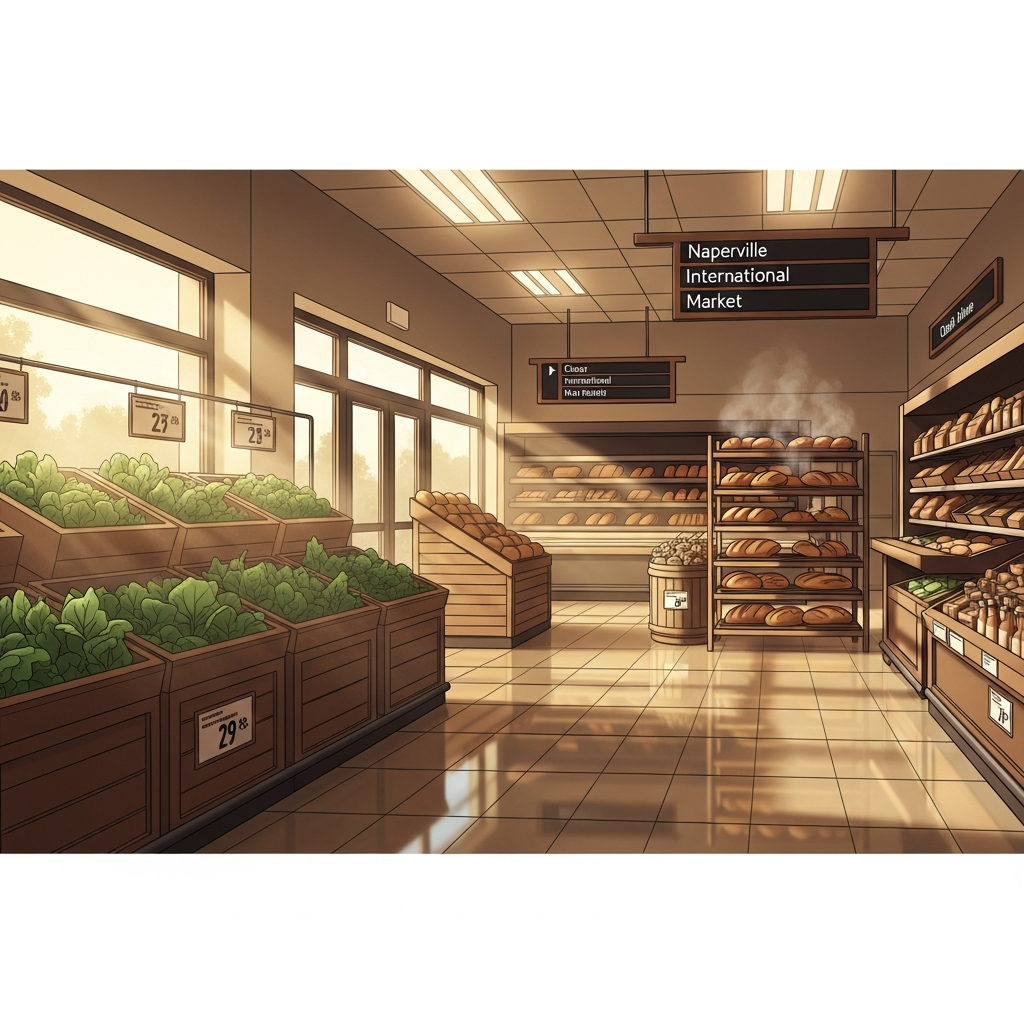
Timing a market trip well is an underrated skill. In Naperville, where families, students, and commuters all converge on the same stores, the difference between a calm, focused shop and a crowded dash can come down to the hour you walk through the door. International markets add an extra dimension to this timing puzzle because their shelves and coolers reflect rhythms from multiple supply chains and culinary traditions. With a bit of observation and a few local habits, you can align your visits with the moments when selection is broad, aisles are easy to navigate, and inspiration strikes without stress.
I like to think about market timing the way I think about catching a comfortable train: you aim for the sweet spot. Early in the day offers clarity; displays are newly set, and the store feels spacious. Midday can bring an energizing buzz without tipping into chaos. Early evening on weekdays often has a second wind of restocking and a crowd thinned by dinnertime. Before I head out, I sometimes glance at rotating highlights the way I would check weekly deals for a sense of what might be featured. Then I choose my window.
Understanding daily rhythms
Mornings reward planners. The air is cool, produce is at its crispest, and shelves have been organized after the previous day’s rush. If you enjoy methodical shopping and quiet aisles, that is your hour. You can talk to staff without feeling like you are holding up a line, and you will often see the first wave of specialty items laid out with pride. Midday can be lively—students between classes, parents with toddlers, neighbors stopping in for a few things—but the energy is friendly and the flow manageable. If you like a market that feels social without being hectic, late morning through early afternoon is your sweet spot.
Weekday late afternoons present an interesting mix. This is when commuters swing by for dinner ingredients and when the store sometimes rolls out a fresh round of restocking. If you time it well, you can catch new trays in the deli and bakery and see the produce team topping off popular bins. By early evening, the crowd often thins as people head home to cook, and you can enjoy a second pocket of calm with the benefit of those late-day replenishments.
Weekends, seasons, and special patterns
Saturday mornings are lively almost everywhere, and Naperville is no exception. The upside is a festive atmosphere and robust selection, especially in departments that sell cooked foods and baked goods. If you thrive on a market that feels like a neighborhood gathering, this is your moment. If you prefer a quieter experience, consider going later in the afternoon on weekends, when the early rush has ebbed but the store still carries a broad variety. Sundays often start with steady traffic that eases by mid-afternoon, making it a good time for a thoughtful shop before the week begins.
Seasonality changes the equation. In summer, longer daylight and outdoor events can shift crowds later, and fresh produce often arrives in waves that highlight certain days. In winter, shorter days push many shoppers earlier, leaving late afternoon windows surprisingly calm. Holidays tied to specific cuisines—Lunar New Year, Eid, Diwali, Easter—shape traffic in predictable and delightful ways, with special ingredients and celebratory foods featured prominently. If you enjoy being part of that excitement, visit a day or two ahead; if you want quiet, choose the day after.
Reading the store like a local
Each international market in town has its own layout and signals. Watch the bakery racks; when you see steam and hear the soft thud of loaves landing, you know it is a great moment to pick up bread. Listen for the sound of crates being opened in produce and note how quickly items move from the back to the front of the display. In the deli, look for the rhythm of trays going down and coming back up; that cycle usually indicates peak freshness for hot dishes and salads. Over time, these small observations become a mental timetable that guides your visits.
Staff members are your best sources of timing intelligence. A quick, friendly question—when do new herbs usually arrive, what time do the frozen cases get their restock—can save you a return trip. You will also find that employees enjoy sharing tips about the days when certain specialty items are most likely to appear. Those conversations turn shopping from a chore into a collaboration, and they introduce you to products you might otherwise overlook.
Planning with flexibility
It helps to have a plan, but not a script. Write down a few meals you want to make and the ingredients you know you need, leaving room for a couple of discoveries. That mix keeps your cart purposeful without closing you off to seasonal surprises. If you are trying a new cuisine, choose one anchor ingredient you recognize—rice noodles, chickpeas, or a familiar green—so that even if a specialty item is out that day, you can pivot gracefully.
For those who prefer the calmest possible experience, think in terms of pockets rather than fixed times. Early weekday mornings are almost always gentle. Late weekday evenings can be equally peaceful. On weekends, late afternoons tend to offer a window where families have finished lunch and are settling into the rest of the day. These patterns hold often enough to be useful without turning into rules you have to obey.
Working with the flow of restocking
Restocking is the heartbeat of any market, and learning its rhythm helps you shop better. Produce arrives in waves; you might see the greens section glow with freshness at one moment and the tropical fruit station excel at another. Shelves of sauces and pantry items often see rolling updates, so a quick pass down those aisles can reward you with a new brand or a replenished favorite. Frozen cases tend to receive their deliveries on predictable days; peek at the inventory if you are after dumplings, parathas, or specialty items, and plan your visit accordingly.
Bakery and deli counters are especially responsive to demand. Mid-morning and late afternoon are common refresh times, with a flourish just before typical meal hours. If you want warm bread for dinner, the late afternoon window is your friend. If you want a selection of ready-to-eat salads and hot trays, arrive when the store is preparing for lunch or dinner and you will see the widest variety.
Efficient circuits through the aisles
Moving through the store efficiently allows you to enjoy the experience without lingering in bottlenecks. Start with produce while it is at its liveliest, move through pantry and sauces, and finish in refrigerated and frozen sections so cold items stay chilled. Keep your basket organized—greens together, sturdy vegetables supporting more delicate items, bottles upright—and you will move faster at checkout. If you are shopping for a specific recipe, group items in your cart by dish; that habit helps you confirm you have everything without doubling back.
Consider the market as a series of stations. If one area is temporarily busy, visit another and loop back. Flexibility is a quiet superpower; you will spend less time waiting and more time choosing thoughtfully. This approach is especially helpful on weekends, when the aisle that looks crowded from one angle might be wide open from another.
Small habits that add up
Bring a couple of reusable bags, plus a lightweight produce bag for delicate herbs and greens. Wear comfortable shoes if you plan to browse widely. Eat a small snack before you go so you are shopping with your brain and not your appetite. These simple moves make you calmer and more decisive, which is exactly the mindset that turns a market trip into a pleasure rather than a rush.
When you get home, do five minutes of follow-through. Trim herb stems, spin greens, and arrange produce so that ripe items are visible. Put pantry goods in their places and note anything you want to try next time. That small investment locks in the benefits of good timing by extending freshness and making weeknights easier.
Frequently asked questions
When are international markets in Naperville least crowded?
Early weekdays—especially mornings—are typically the calmest. Late weekday evenings can offer another peaceful window. On weekends, late afternoons often bring a lull between lunchtime and evening plans. While patterns vary, these pockets tend to hold steady enough to guide your planning.
How do I catch the freshest produce and bakery items?
Arrive early for newly set produce displays, and target mid-morning or late afternoon for bakery and deli refreshes. Watch for visual cues—steam on bread racks, misted greens, and active restocking. A quick question to a staff member can confirm the day’s rhythm.
What is the best strategy for a quick in-and-out trip?
Make a short list focused on anchors: a grain or noodle, two vegetables, a protein, and one sauce. Follow a set loop—produce, pantry, sauces, refrigerated—and keep your cart organized. If an aisle is busy, visit another section and return; flexibility saves time.
How do holidays and seasons affect shopping times?
Holidays tied to specific cuisines bring celebratory crowds and special ingredients. Visit a day or two ahead to enjoy the buzz, or go the day after for a quieter experience. In summer, shoppers skew later; in winter, earlier. Adjust your plan accordingly and you will find your own ideal windows.
Can I time visits around restocking for frozen and specialty items?
Yes. Frozen cases and specialty shelves often have predictable delivery days. Chat with staff to learn the pattern for dumplings, parathas, or a favorite brand of sauce. A little insider knowledge can save you a second trip.
How much time should I budget for a thoughtful shop?
If you know the layout, thirty to forty-five minutes is often enough for a calm, complete visit. Add time if you plan to explore new aisles, talk with staff, or sample deli items. Rushing defeats the purpose; a relaxed pace yields better choices and fewer forgotten ingredients.
Make your next trip your best one
Choose a window that matches your mood—quiet morning, lively midday, or calm evening—and let the store’s rhythm work for you. If you like your timing to coincide with featured selections, take a quick look at current weekly deals before you go. With a flexible plan and a few local habits, you will walk out with a cart that reflects your taste and a week that feels easier.