
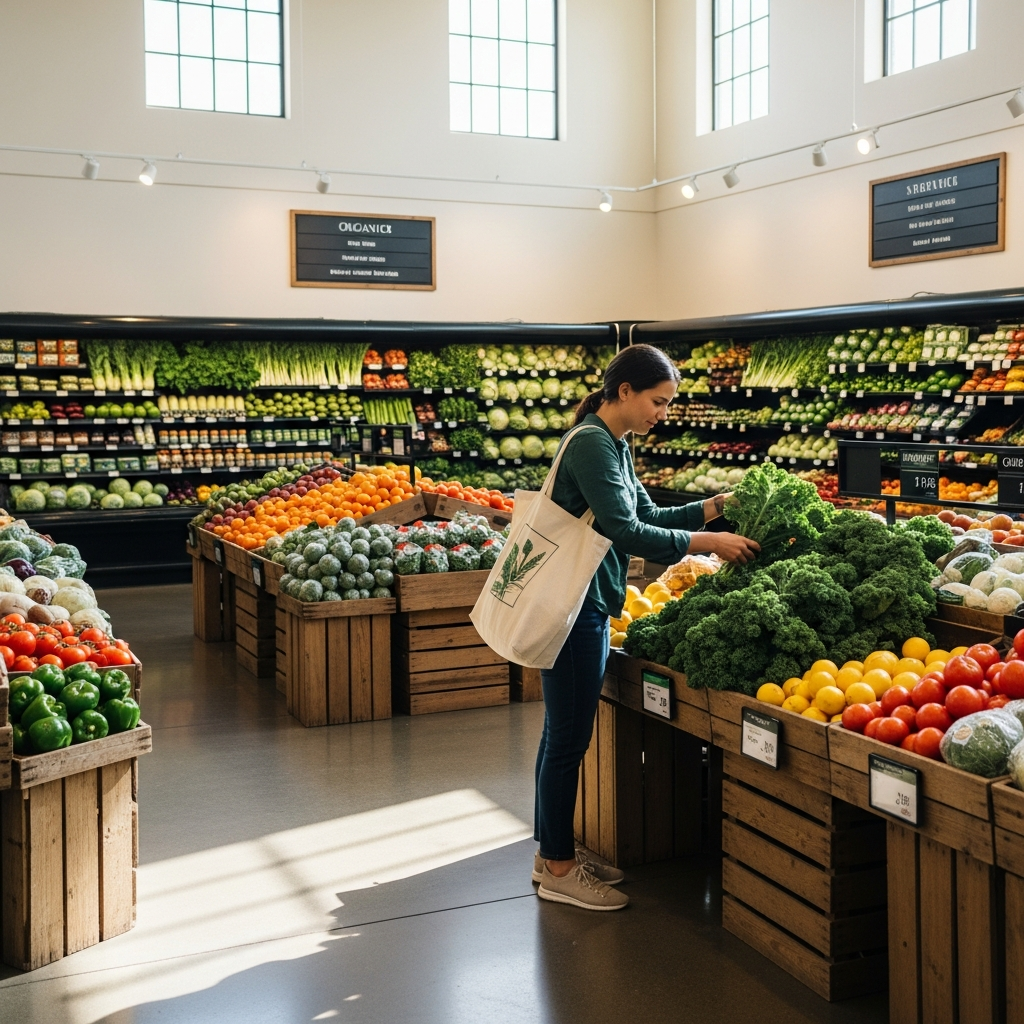
Naperville’s food scene is rich with choices, and for many households here, clean eating isn’t a passing trend—it’s a lifestyle shaped by busy days and a desire to feel good about what goes on the table. Choosing organic can be part of that story, whether you focus on a few high-priority items or aim to stock a cart that mirrors your values from produce to pantry. In a city where commutes, sports schedules, and community commitments can stretch every hour, knowing where and how to source organic foods efficiently is what makes the difference between an aspirational plan and a sustainable routine.
The beauty of Naperville’s market is diversity. You’ll find stores that champion robust organic selections alongside conventional staples, and others that specialize in natural and organic products with a boutique feel. No matter which path you take, the core skills are the same: read labels clearly, shop the perimeter for fresh picks, learn each store’s seasonal rhythms, and build a short list of non-negotiables that guide your cart. A few minutes online before you go—browsing a store’s grocery department—can help you prioritize what’s available and what’s new, so you step in with intention rather than guesswork.
Clean eating means different things to different people. For some, it’s about organic produce and dairy; for others, it’s expanding into proteins, grains, snacks, and condiments without artificial colors or unnecessary additives. Naperville shoppers do well when they pair ideals with practicality, choosing organic where it matters most for their family and leaning on high-quality conventional options elsewhere. Over time, many households organically (pun intended) shift more of the cart toward organic as they learn what they love, what’s accessible, and what has the biggest impact on how they feel.
Understanding Organic Labels Without Overthinking
Organic labeling can be intimidating, but it’s manageable when you learn a few anchors. Look for well-known certifications on produce and packaged goods that signal farming practices and ingredient sourcing standards. For multi-ingredient items, scan the ingredient list for clarity and simplicity—fewer, recognizable components typically align with clean eating goals. In the dairy case, note distinctions like pasture-raised or non-GMO feed; while not the same as organic certification, these cues may still match your values. For proteins, labeling about feed and antibiotics informs your choices without requiring you to become an expert overnight.
Take your time with new categories. If you’ve always bought conventional condiments, try one or two organic versions and compare flavor and ingredient lists. Keep notes on which items you’d happily buy again and which didn’t resonate. The organic landscape is broader than it was even a few years ago, so it’s worth revisiting categories periodically—what didn’t exist last season might be on the shelf today.
Where Organic Shines in Naperville Carts
Produce is the natural starting point. Seasonal organic greens, berries, tomatoes, and apples appear in strong waves throughout the year, and Naperville stores often lean into those cycles with prominent displays and helpful signage. Dairy is a close second for many families, especially for those sensitive to how milk and yogurt are produced and processed. Eggs with clear, thoughtful labeling are a staple for households who care about both taste and sourcing.
Beyond the basics, the snack and pantry aisles are where clean eating habits take root for busy weeks. Organic crackers, nut butters, and granola can simplify lunch packing while keeping ingredient lists tight. Sauces and broths are unsung heroes: a clean, organic marinara or vegetable broth can make a quick dinner both delicious and aligned with your values. If you host often, having organic pantry standbys on hand means you can put together a last-minute appetizer or soup without a run to the store.
Time-Saving Strategies for Organic Shoppers
The biggest barrier to clean eating isn’t usually availability—it’s time. Create a two-tier list: “always organic” for your family’s top priorities, and “organic when practical” for categories that flex based on season and stock. With this approach, you maintain your standards even on hectic days. Keep your list organized by department so your in-store route is efficient: produce first, then dairy and proteins, then pantry and snacks. You’ll move with purpose and spend less time backtracking, which helps you shop more often for fresh items without turning each visit into a long errand.
Before leaving home, spend a moment scanning the store’s grocery department online. Look for seasonal highlights—perhaps organic stone fruit in summer or hearty greens in winter—and skim any new arrivals. When you arrive, you’ll know exactly where to focus your attention and what to grab first. Over time, these quick previews compound into a habit that keeps your cart aligned with your goals.
Eating Organic on a Real Naperville Schedule
Between early trains, late practices, and weekend commitments, the question isn’t simply “Where do I find organic?” but “How do I make it fit?” The answer lies in rhythm. Shop smaller and more often for produce to keep it fresh, and rely on a stable organic pantry for the rest. Batch-cook grains on Sunday to anchor quick weeknight meals. Build a weekly salad kit with hearty greens, cucumbers, and a rotating protein. Keep a “just-in-case” soup plan on hand for the nights that run long. With these patterns, organic eating stops being an aspirational project and becomes second nature.
For families, involve kids in the process. Let them choose a new fruit or snack each week from the organic aisle and help with washing and storing produce at home. Ownership turns curiosity into enthusiasm, and enthusiastic kids eat more plants. If you care for elders, consider lighter, more frequent trips and clear labeling in the fridge so items are easy to find and use before they wilt.
Discovering Local and Seasonal Joy
Naperville shoppers love seasonal surprises. In summer, sweet corn, tomatoes, and berries draw a crowd; in fall, apples and squash step into the spotlight; winter brings hearty greens and citrus. Aligning your organic choices with the season maximizes flavor, keeps meals interesting, and often means better selection because stores lean into what’s at its peak. Talk with staff about what’s arriving and how to store it—simple tips like separating ethylene-producing fruit or using breathable storage can extend freshness significantly.
Seasonal eating also plays well with entertaining. A simple platter of organic tomatoes, fresh herbs, and crusty bread can carry a summer evening; roasted organic root vegetables with a bright dressing bring winter comfort to a table. When you center gatherings on what’s vivid and in season, you do less work for more impact.
Label Literacy: Reading Ingredient Lists with Confidence
Ingredient lists tell the story behind the label. For packaged goods, aim for clarity over complication. Short lists with recognizable components tend to align with clean eating values. Be on the lookout for sweeteners you don’t expect or colorings that don’t add flavor. If a new product sparks curiosity, compare two options side by side and pick the one that best matches your household’s priorities. Over time, you’ll develop a quick, almost intuitive read on which items deserve a regular spot in your pantry.
Don’t forget cooking fats and condiments—these small items have an outsized influence on how meals taste and feel. An organic olive oil with a clean profile or an organic mustard free of unnecessary additives can elevate simple dishes and make weeknights feel restaurant-worthy with minimal effort.
Storage, Prep, and Reducing Waste
Clean eating thrives when your fridge and pantry invite cooking rather than intimidate it. Wash and dry greens when you get home, store herbs upright in a little water, and keep berries in breathable containers. Group ready-to-eat items on an eye-level shelf so the path of least resistance is also the healthiest choice. For bulk buys, label jars with the purchase date and cooking instructions. A small “use-first” bin prevents good intentions from turning into forgotten produce. These habits reduce waste and make organic choices feel easy to embrace day after day.
Leftovers are your ally. If you roast a sheet pan of organic vegetables, set half aside for tomorrow’s grain bowl. If you open a jar of organic sauce, plan two quick meals that use it up while it’s at its best. Waste reduction isn’t just frugal—it respects the care that went into producing the food and keeps your kitchen running smoothly.
Balancing Variety with Familiar Favorites
A cart full of new organic items is fun—once. The trick is folding discoveries into a dependable core. Keep reliable staples you know everyone eats, then layer in one or two new items weekly. Rotate varieties of greens, swap in a different whole grain, or try a new organic snack that fits your lunch rhythm. This gentle churn keeps meals lively without requiring extra planning energy. If something flops, no harm done; if it’s a hit, it becomes part of the backbone of your pantry.
For cooks who enjoy exploring, set a monthly theme: Mediterranean in June, hearty salads in September, warming soups in January. Build your organic list around that anchor, and you’ll avoid decision fatigue while still enjoying novelty.
Frequently Asked Questions
What does “organic” actually guarantee?
Organic certification speaks to how foods are grown and processed, focusing on practices like avoiding certain synthetic pesticides and emphasizing soil and ecosystem health. For packaged foods, it also addresses how ingredients are sourced. While certification doesn’t promise flavor preferences, it does set standards many clean eaters value. Pair the label with your own ingredient reading and taste tests to find the items that suit your household best.
Is it realistic to shop mostly organic with a busy schedule?
Yes, if you anchor your routine with a short list of “always organic” items and keep the rest flexible. Shop smaller and more often for produce, maintain a stable organic pantry, and preview availability online so your cart builds quickly. The rhythm matters more than perfection—consistency turns intentions into habits.
How can I avoid wasting organic produce?
Wash, dry, and store items properly the day you buy them. Use a “use-first” bin, plan two meals that share the same perishables, and prep components like grains or dressings in advance. Label jars and containers, and keep ready-to-eat foods at eye level so they go first. These steps minimize waste and keep organic eating affordable in time and energy.
Do I need to buy everything organic?
No. Many Naperville households prioritize certain categories—like berries, leafy greens, dairy, or eggs—and make mindful choices in others. Clean eating is a spectrum. Start with what matters most to you, then expand as you learn what you love and what’s readily available.
How do I handle organic shopping during busy sports seasons?
Rely on batch-prepped staples and a strong pantry. Keep organic snacks, sauces, and grains on hand, and do quick midweek produce refreshes. When evenings run long, a prepped salad kit or a ready-to-warm soup can save the day without abandoning your values.
What’s the best way to discover new organic items?
Preview online, ask staff what’s new, and allow yourself one curiosity pick per trip. If it earns repeat status, add it to your standard list. Rotating small discoveries keeps meals interesting and avoids decision fatigue.
Bring Clean Eating into Your Routine
If you’re ready to make organic shopping feel natural, start small, build reliable habits, and keep your list aligned with what’s actually on the shelves. A quick look at the store’s grocery department before you go will focus your trip, and a simple end-of-week refresh will keep your kitchen stocked with foods that match your goals.