Grocery stores are woven into Naperville life, and so are the people who power them. From early-morning stockers to friendly cashiers and detail-focused department specialists, these roles keep households fed and neighborhoods humming. If you’re considering a grocery job here—whether it’s your first role, a part-time position to balance with school, or a step into retail management—understanding what local employers value can help you stand out. The good news is that many of the most sought-after traits are teachable habits that you can start building today.
Grocery work thrives on rhythm: shipments arrive, cases are rotated, customers flow through, and departments communicate to keep the store moving. Naperville employers want team members who respect that rhythm and contribute to it. They’re looking for reliable attendance, a calm presence during busy periods, and the kind of initiative that solves small problems before they turn into big ones. If you can show that you understand how your role supports the broader store—how produce, deli, bakery, and front end fit together—you’re already ahead.
Before you apply, spend a few minutes studying a store’s layout and offerings online. Browsing the grocery department will give you a feel for product mix, seasonal emphasis, and how departments connect. Then, when you walk in for an interview, you can talk specifically about how you’d help guests find key items, maintain tidy shelves, and support smooth checkouts during peak times. That level of familiarity signals enthusiasm and makes it easy for a hiring manager to picture you thriving on the floor.
The Core Traits Naperville Employers Prioritize
Reliability sits at the top of nearly every hiring manager’s list. Stores depend on dependable starts and seamless handoffs between shifts. Showing up on time, communicating clearly about availability, and being flexible when the schedule tightens are all marks of a strong teammate. Customer focus is right behind: greeting guests, making eye contact, and offering help before someone has to ask create an atmosphere that keeps people returning.
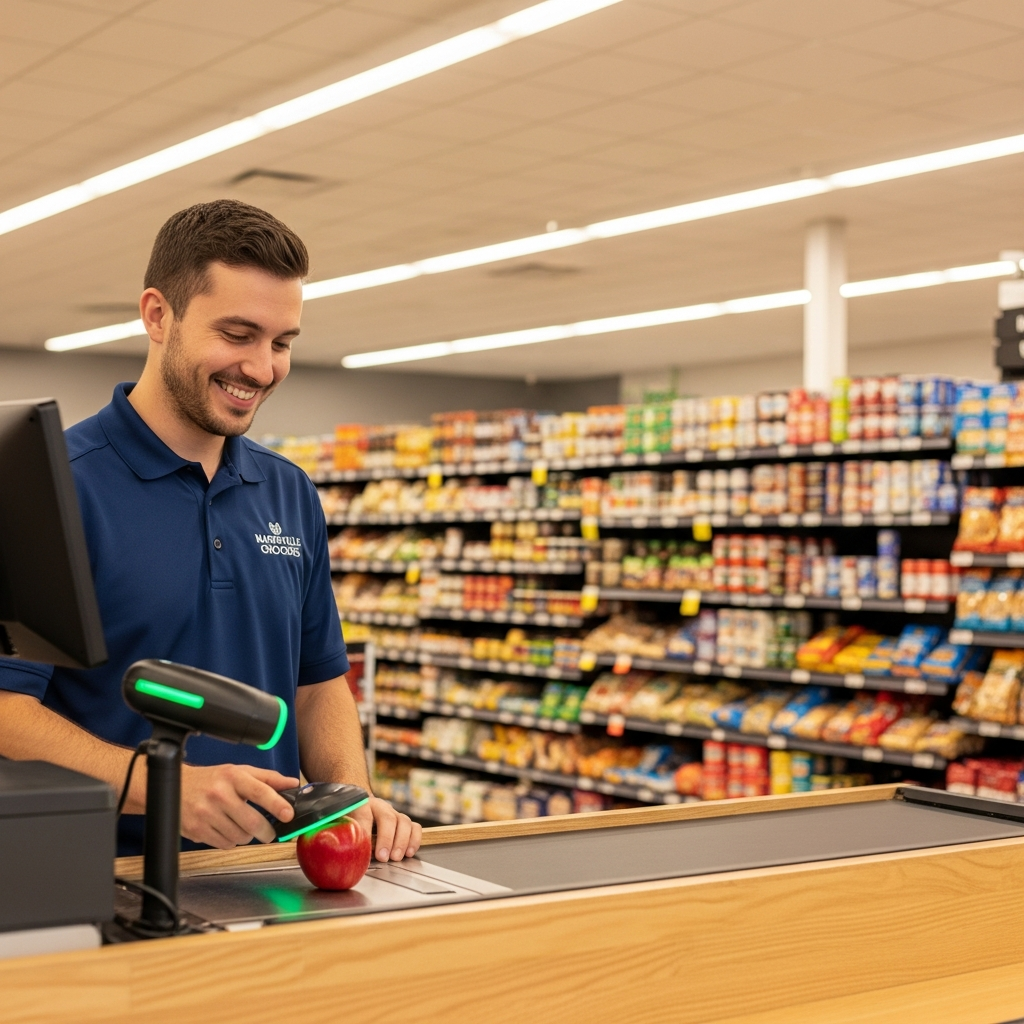
Attention to detail matters across the board. In the grocery aisle, that means fronting and facing shelves, checking dates, rotating stock correctly, and keeping displays clean and inviting. In produce, it’s about freshness checks and careful handling. In front-end roles, it’s scanning accuracy, bagging that protects delicate items, and a friendly pace that matches the line’s energy. Naperville shoppers notice and appreciate those small, consistent touches.
Communication and Team Collaboration
Great stores are great at handoffs. If the dairy cooler needs restocking or a guest asked about a hard-to-find item, the next shift should know. Employers value clear notes, quick radio etiquette, and the habit of closing loops: if you tell a guest you’ll check the back, return with an answer. When departments communicate—grocery, produce, bakery, deli, meat—the entire store feels coordinated and calm. That coordination is especially important during the after-work rush and weekend peaks common across Naperville.
Collaboration also shows up in willingness to cross-train. Associates who can float to bagging during a surge, help with carts in a pinch, or step into a different aisle to answer questions are invaluable. When you interview, share examples of times you helped outside your exact role or how you’d handle a rush with grace.
Safety, Cleanliness, and Food Handling
Food safety is nonnegotiable. Employers look for candidates who respect cleanliness, follow procedures, and understand the basics of safe temperatures, handwashing, and cross-contamination prevention. On the floor, safety also means tidy aisles, dry floors, and properly stacked cases. Managers want to see that you care about both guest safety and coworker safety—speaking up when something needs attention and fixing small hazards immediately.
Cleanliness carries over to personal presentation and workstation organization. A neat appearance, a clutter-free register, and a habit of resetting a shelf or counter after each guest all reflect professionalism. In Naperville’s family-friendly environment, this attention to detail builds trust with customers and coworkers alike.
Working the Rush with a Calm Pace
Naperville’s grocery traffic has predictable swells: late afternoons on weekdays, Saturday mornings, and the famous late-Sunday stock-up. Employers want people who can keep a steady, friendly pace during those windows. That doesn’t mean rushing; it means staying focused, moving with purpose, and making good decisions when several needs hit at once. If the line grows, you might call for backup, open another register, or coach a new coworker through a tough moment.
Staying calm comes from preparation. Knowing where items live, understanding store policies, and having a mental map of who to call for help reduces hesitation. The more you practice, the more automatic and confident your responses become.
Technology and Modern Store Tools
Today’s grocery roles use technology in nearly every department. From handhelds that scan inventory and print labels to systems that manage pickup orders, comfort with basic tech is a plus. Employers appreciate candidates who can learn new tools quickly and who see technology as a way to serve guests better. If you’ve used point-of-sale systems, mobile scanners, or fulfillment apps in other jobs, say so. If not, express a willingness to train and an eye for detail—those traits translate well to digital tools.
For pickup and delivery support roles, accuracy and timing are crucial. Building orders in the right sequence, communicating substitutions, and staging bags securely are skills you can develop with practice. Naperville families depend on these services to stay on schedule, and teams that execute well make a big impression.
Growth Paths and Transferable Skills
One of the best things about grocery work is the variety of paths forward. You might start as a cashier and move into front-end leadership, learn the ropes in grocery and step into inventory coordination, or fall in love with fresh food and grow within produce or deli. Along the way, you’ll build skills that transfer beyond retail: communication, time management, problem solving, and a service mindset. Employers in Naperville often promote from within, especially when they see curiosity and consistency.
If you’re finishing school or changing careers, grocery roles can be a smart bridge. You’ll learn to collaborate across teams, manage a fast-paced environment, and interact with a wide range of people—capabilities valued in countless industries. Share your goals with your manager; they can help you target training that fits your trajectory.
Resumes, Interviews, and First Impressions
Your resume should highlight reliability, teamwork, and any customer-facing experience. List roles where you handled cash, managed inventory, or worked with food. If you’ve volunteered at community events, include that—those experiences show comfort with crowds and service. Keep the format clean and easy to scan; hiring managers often read quickly between store walks and meetings.
For interviews, arrive a few minutes early and take a quiet lap through the store to observe the flow. Notice how associates greet guests and how departments are staffed. Reference what you see when you talk about how you’d contribute. Bring a short example of a time you solved a guest problem, supported a teammate, or learned a new system quickly. Specifics beat generalities and stick in a manager’s memory.
Availability and Setting Expectations
Because stores serve the whole community, evenings and weekends matter. Naperville employers look favorably on candidates who can cover at least one evening and one weekend shift. Be honest about your constraints and open about where you can flex. If your schedule changes seasonally—say you’re a student—share that upfront so managers can plan coverage that works for everyone.
Clear communication continues after you’re hired. If you need to swap a shift, follow the process and give as much notice as possible. These small acts of professionalism add up quickly in a busy store.
Customer Experience: The Heart of the Job
At its core, grocery is hospitality. Every cart represents a household counting on you to help keep life running smoothly. That perspective changes how tasks feel. Facing shelves isn’t just about neatness; it’s about making it easy for a parent with a toddler to find what they need fast. A warm greeting at the register isn’t just polite; it reassures a tired commuter that they’re in good hands. When you see the job through the guest’s eyes, you’ll naturally prioritize the details that matter most.
Listening is a superpower. If a guest can’t find an item, ask a couple of clarifying questions and walk with them to the right spot when possible. If something’s out, suggest an alternative with confidence. These moments build loyalty and turn first-time visitors into regulars.
Learning the Store: Departments and Flow
New hires who learn the building quickly become anchors for their teams. Start with a mental map of the front end, then sweep through produce, grocery, dairy, frozen, and specialty sections. Pay attention to seasonal displays and endcaps that change weekly. In the back room, learn receiving zones and safety procedures. Understanding the store’s flow helps you answer questions fast and support coworkers without missing a beat.
Spending time with department leads pays off. Produce teams can teach you how to spot peak ripeness. Grocery leads will show you rotation best practices. Front-end supervisors can help you develop a smooth cadence on the register. The more you absorb early, the faster you’ll grow.
Frequently Asked Questions
What experience do I need to get hired for my first grocery job?
Many Naperville stores hire first-time workers, especially for roles like cashier, bagger, or stocker. Any customer service, volunteer, or team-based experience helps. Emphasize reliability, a friendly manner, and a willingness to learn. If you’ve used point-of-sale systems or handled money, be sure to mention it.
How can I stand out in an interview?
Arrive early, walk the store, and reference what you observed—crowd flow, department setups, or seasonal displays. Share specific examples of solving a guest’s problem, collaborating during a busy shift, or learning a new tool quickly. Show you understand how your role supports the whole store, not just your station.
Do I need to be available nights and weekends?
Coverage during those windows is valuable. If you can offer at least one evening and one weekend shift, you’ll increase your chances of getting hired and scheduled consistently. Be clear about your availability and any seasonal changes.
What skills translate best from other jobs?
Customer service, time management, teamwork, and basic tech comfort are universal. If you’ve worked in restaurants, retail, or events, you already have useful experience—handling lines, juggling tasks, and staying calm under pressure. Highlight those moments on your resume and in interviews.
How quickly can I move up?
Growth depends on consistency, initiative, and communication. Many employers promote from within when they see reliability and curiosity. Ask for cross-training, volunteer for projects, and let your manager know your goals. When you become the person others rely on, opportunities follow.
How should I learn the store layout fast?
Walk the aisles daily, take short notes, and quiz yourself during quieter moments. Shadow department leads, ask questions, and practice guiding guests to items. Within a couple of weeks, you’ll have a mental map that makes you faster and more helpful.
Take the Next Step with Confidence
If you’re ready to apply, start by getting familiar with the products and flow that define the guest experience. A quick review of the grocery department will sharpen your sense of where you can contribute on day one. Bring your reliability, your curiosity, and your best customer service, and you’ll find a place on a team that keeps Naperville running strong.