Clean Eating in Naperville Starts with Smart Organic Choices
Choosing organic in Naperville isn’t about chasing a trend—it’s about matching the way we want to eat with the way our stores curate food. Clean eating here leans on vibrant produce, thoughtfully raised proteins, dairy from reliable sources, and pantry staples that keep ingredient lists as short as your commute. The best organic-focused markets around town make it easy to shop by values without turning dinner into a research project. You find what you need, you trust the labels, and you get back to your real life.
Organic sections resonate with Naperville’s pace: grab-and-go options for busy weeknights, robust bulk offerings for smart pantry building, and seasonal produce that tastes like it was picked for your table. Staff who know certifications and supply chains can demystify labels in seconds. And when an organized grocery department puts organics in the flow of your usual loop, clean eating stops feeling niche and becomes part of an everyday routine.
What “Organic” Really Means in the Aisle
Organic labeling covers how food is grown or produced—without most synthetic pesticides or fertilizers, no genetically modified organisms, and standards for soil health and animal welfare. In practice, that means looking for clear certification seals and reading ingredient lists that make sense. But certification isn’t a conversation stopper; it’s a starting point. Good stores train their teams to explain differences between “100% Organic,” “Organic,” and “Made with Organic” so you can choose what aligns with your goals and budget of time and attention.
Transparency extends beyond labels. Ask when produce arrived, how it’s stored, and whether there are local or regional options in season. On the protein side, seek out details on feed, pasture access, and processing standards. With dairy and eggs, freshness cycles and farm practices matter. In a town that values education and practical wisdom, the best organic sections offer both information and ease.
Building an Organic Cart, One Habit at a Time
The most successful clean-eating plans come from steady habits, not dramatic overhauls. Start with categories that matter most to your household—maybe leafy greens and berries for the kids, eggs for weekend breakfasts, or yogurt and milk you rely on daily. Then, expand into pantry staples like beans, tomatoes, broths, and grains that anchor simple meals. Over time, you’ll find a rhythm: a few organic splurges where you taste the difference and a core of dependable basics that deliver quality every week.
In Naperville, that rhythm often looks like a Saturday stock-up followed by a Wednesday produce refresh. On the weekend, gather your staples and proteins; midweek, pivot back for greens, herbs, and fruit at peak ripeness. The aim is not perfection—it’s progress that tastes good. When the cart reflects how you live, clean eating becomes a confidence builder rather than a constraint.
Produce: The Heart of Organic Shopping
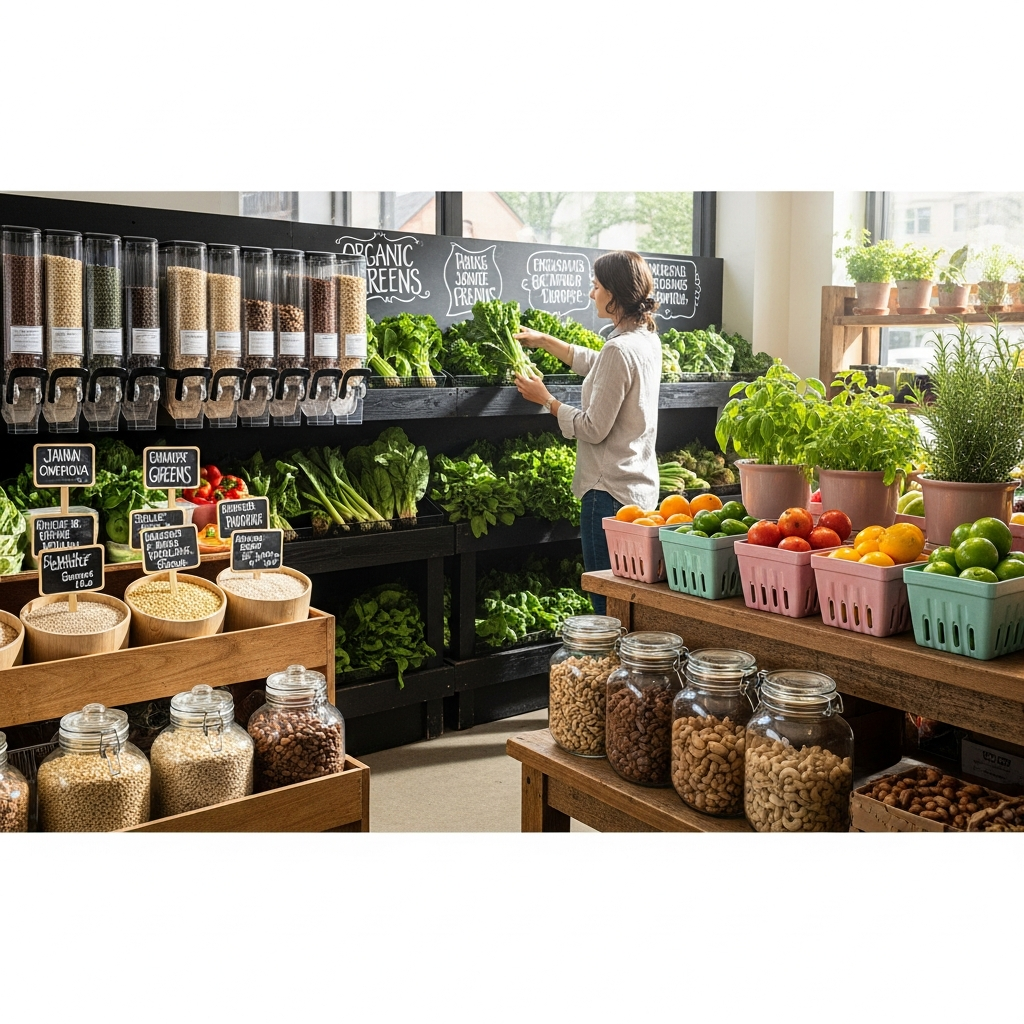
Organic produce earns its keep when flavor and freshness align. Crisp lettuces that hold through lunchboxes, apples that crunch without waxy residue, berries that taste like summer even in early June—these are the wins that turn a preference into a practice. Look for displays that protect delicate items from cold air and sunlight, and staff who can guide you on ripeness and storage. If peaches look close to ready, ask for a firm one for later in the week and a softer one for tonight.
Seasonality is your ally. In July and August, lean into tomatoes, cucumbers, peppers, and sweet corn. Fall rewards you with squash and apples; winter brightens with citrus and hardy greens. The stores that prioritize organics often showcase this flow with small notes and recipe nudges. Grab herbs with abandon—basil, cilantro, dill—since they transform simple meals without complicating prep.
Organic Proteins and Dairy: Quality Behind the Counter
Families who shift toward organic often do it first with eggs and dairy, then with selected meats. Freshness cycles matter—ask when deliveries arrive and how long items typically sit in the case. For poultry and beef, look for transparency about feed and pasture time. For fish, organic labeling is more nuanced, but sustainability certifications and clear sourcing are good proxies for quality and care.
Prepared items can be part of a clean-eating plan, too. Rotisserie-style options, soups, and salads made with organic ingredients give you breathing room on busy nights. Clear labeling helps you see at a glance what fits your goals, while flavor keeps everyone at the table happy. Over time, a thoughtful prepared foods case becomes your weeknight safety valve.
Pantry Building with Organic Staples
A dependable pantry lets fresh ingredients shine. Stock organic beans, tomatoes, broths, coconut milk, and whole grains like brown rice and quinoa. Keep olive oil and vinegars you love, along with spices that wake up simple dishes. Pasta nights feel new with a great tomato sauce and a handful of fresh herbs; soups turn satisfying with quality stock and legumes. When these basics live on your shelf, you make better choices by default because good options are the quickest options.
Bulk sections deserve attention, too. Organic oats, rice, lentils, and nuts allow you to buy what you need and keep turnover high at home. Storing them in clear containers turns your pantry into a visual menu, helpful for teens and partners who want to help with dinner but need a nudge.
Clean Eating with Kids and Busy Schedules
Naperville families juggle robust calendars, and organic choices have to respect that reality. Keep snacks simple and visible: apples, clementines, baby carrots, cucumbers, and nuts. Introduce new flavors in low-pressure ways—a spoonful of hummus with peppers, a small salad before pasta, or roasted broccoli salted just right. Kids respond to ownership, so let them pick a new fruit or herb each week and decide how to use it.
On tight nights, pair prepared organic items with fresh accents. Toss a boxed tomato soup with a few halved cherry tomatoes and basil. Serve rotisserie chicken with a quick salad of cucumber, lemon, and olive oil. Clean eating thrives when it feels like a series of small wins rather than a test you can fail.
Midweek Check-In: Keep the Momentum
By Wednesday, open the fridge and ask what needs support. If greens are flagging, revive them with an ice-water bath and a good spin. If fruit bowls are empty, grab berries and bananas to restore snacking options. This is when a well-organized grocery department makes all the difference: you move through produce, dairy, and pantry in a smooth arc, topping off what matters without wandering.
Weather can guide your cart, too. Storm on the way? Choose squashes, onions, and potatoes for roasting. Sun ahead? Plan salads with cucumbers, tomatoes, and crisp greens. Clean eating rides the season’s currents, keeping meals satisfying without overthinking them.
Frequently Asked Questions About Organic and Clean Eating in Naperville
Here are the most common questions I hear from neighbors who want to eat cleaner without turning their lives upside down.
Which organic items make the biggest difference?
Start with the foods you eat most often and those typically eaten raw—leafy greens, berries, apples, cucumbers, tomatoes, and herbs. Many families also prioritize organic eggs and dairy, citing taste and consistency. From there, add pantry staples like beans and tomatoes, which anchor quick meals with reliable flavor. The closer an item is to your daily routine, the more you’ll feel the impact of upgrading it.
How do I balance cost and values when shopping organic?
Focus on a core set of always-organic choices, then mix in conventional items where quality is high and seasonality is favorable. Buying produce in season increases flavor regardless of label and helps you use what you buy. Pantry staples often offer good value per use, and a few strategic organic upgrades—like eggs and milk—can elevate breakfasts and baking without complicating your cart.
Can clean eating work on busy weeknights?
Absolutely. Keep a short roster of go-to meals that assemble quickly: a hearty salad, a grain bowl with roasted vegetables, or a simple pasta with sauce and greens. Pair prepared organic items with fresh accents to save time. Make Sunday a gentle prep day—wash greens, cook a pot of rice, and chop a few vegetables—so you can glide through the week without last-minute scrambles.
How do I shop organic for kids with selective tastes?
Offer choices within boundaries. Let kids pick a fruit and a vegetable for the week and decide how to serve them—raw sticks, roasted wedges, or blended into smoothies. Introduce new flavors in small amounts next to favorites. Celebrate small wins, like trying a different apple variety or adding herbs to a salad. Consistency and ownership beat pressure every time.
What should I look for in an organic-focused store?
Clear labeling, knowledgeable staff, tidy displays, and an intuitive layout that integrates organics into your natural loop. You want departments that communicate—produce guiding you to what’s ripe, prepared foods highlighting clean ingredients, and pantry aisles stocked with trustworthy staples. When the store’s systems support your goals, clean eating becomes the easiest path instead of the hardest.
Make Clean Eating Your New Routine
The path to organic, cleaner meals in Naperville is paved with small, repeatable choices. Choose the produce that looks alive, the pantry staples that make dinner faster, and proteins and dairy that align with your values. If you’re ready to simplify while eating better, pick a market where the grocery department flows with your week and the staff are eager to guide you toward your goals.
Start with one trip. Shop early when it’s calm, ask a question or two at produce, and bring home ingredients that excite you. The right store turns clean eating from a lofty promise into a habit that feels natural—one meal, and one cart, at a time.