
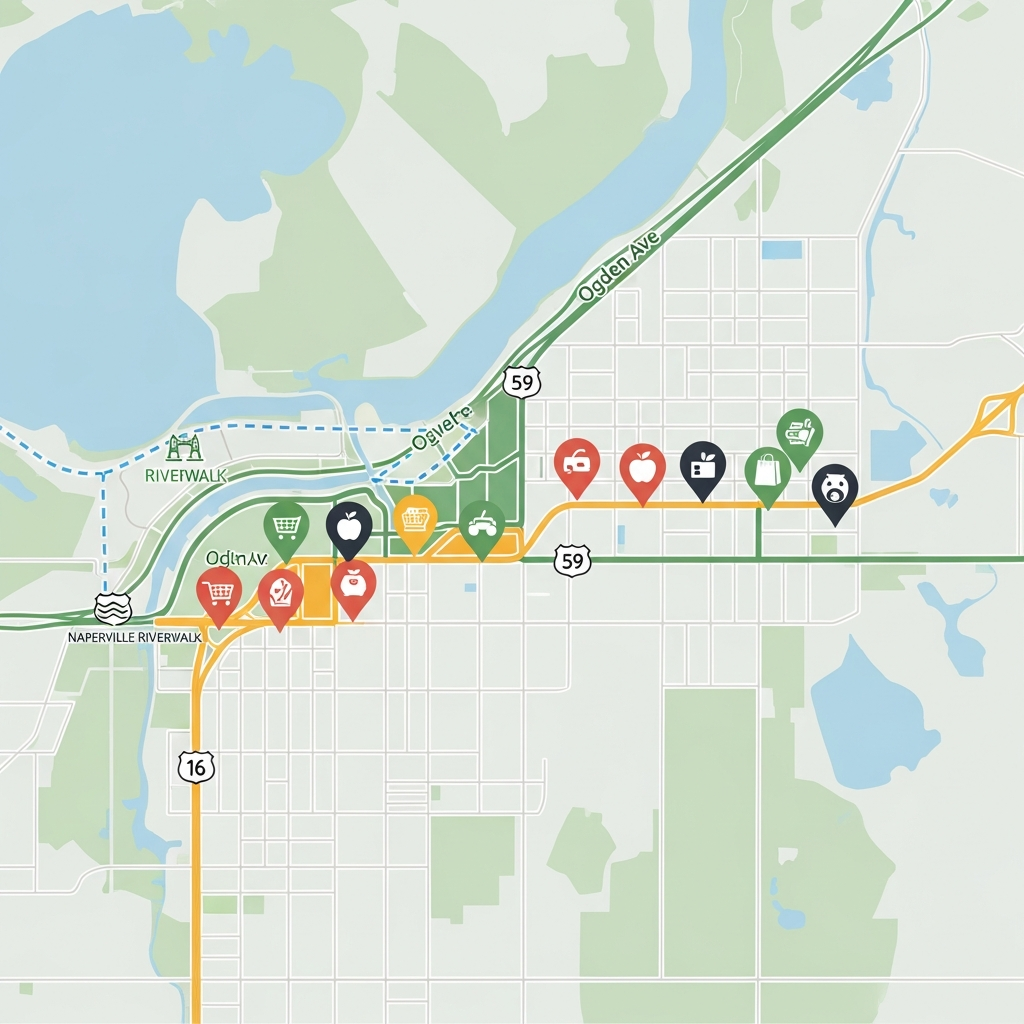
Finding the right grocery store in Naperville isn’t just a matter of distance; it’s about discovering a place that fits your habits, your diet, and your daily route. Our city stretches from the Riverwalk’s leafy heart to busy corridors like Ogden Avenue, Route 59, and 95th Street, and each area has its own shopping personality. Some stores hum with quick commuter energy, others invite a slower browse with wide aisles and well-marked departments. When you know how to match where you live—and how you move through the day—to a nearby store, errands stop feeling like interruptions and start working with your life.
Start by reflecting on what kind of shopper you are. Do you prefer crisp early mornings when the aisles are quiet? Are you the after-work dash-and-grab type? Do you enjoy lingering, comparing ingredients, and chatting with staff about new finds? Whatever your rhythm, you can usually find a store close to home or along your regular routes that rewards it. Before you head out, take five minutes to glance at a store’s grocery department online to ground your list in what’s actually available. That pause can turn a routine errand into a pinpointed, pleasant stop.
Proximity is only one piece of the puzzle. Parking, entrances, and how a store connects to the streets you already travel matter just as much. A location slightly farther away might still be “near” if it sits right between daycare pickup and the way home, or if it’s next to the gym you visit three times a week. True convenience is the overlap of where you are, where you’re going, and the small windows of time you can spare.
Mapping Naperville by Shopping Style
Downtown Naperville rewards walkers and quick stoppers. If you’re close to the Riverwalk, a grocery run can easily pair with a coffee or a browse in a nearby shop. Mornings there feel unhurried, while late afternoons see a surge as people swing through on their way home. Along Ogden Avenue, stores often serve multi-errand missions: car service, pet supplies, and groceries in one loop. The aisles reflect that pace—efficient, with strong grab-and-go options for busy days.
Route 59 is the workhorse corridor. If your week involves multiple school runs, practices, or commuters in a single household, you’ll likely pass near several stores on this stretch. Look for the locations where parking and exits flow smoothly back into your route; a good right-turn out of a lot can be the difference between a breezy errand and a 10-minute delay. Down near 95th Street, evenings can be calmer, and you’ll often find families making quick post-activity stops. These locations can be especially good for late-evening browsing when you want to think through meal ideas without the rush.
What “Near” Really Means for Your Household
It’s tempting to pick the closest store by mileage, but the better metric is friction. Does getting in and out feel simple? Is there a dependable time of day when everything seems to flow? If you drive, consider the turn sequence both in and out of the lot. If you walk, prioritize well-lit sidewalks and a safe, steady path. If you bike, scout a route that avoids the trickiest intersections. Once you find a location that meshes with your habits, it starts to feel like an extension of your neighborhood—familiar, friendly, and reliably quick.
Inside the store, ask yourself how the layout suits you. If you cook often, a produce section that opens into proteins and pantry staples can speed your route. If you have dietary needs, look for clearly labeled options and staff who know the aisles well. Parents with small children may appreciate carts that fit car seats comfortably and wide aisles that make steering a breeze. Seniors or caregivers might value a quieter first hour after opening and employees who can help retrieve items from higher shelves.
Timing Your Visit
Even the closest store feels far when you hit peak crowds at the wrong moment. In Naperville, weekday mornings are your friend, particularly Tuesday and Wednesday. Lunchtime can be manageable if you arrive with a focused list and use self-checkout or express lanes. After work, patience helps; if you can wait until later in the evening, the aisles open up again. Weekends follow a familiar pattern: early Saturday mornings are smooth, midafternoons are calmer, and late Sunday afternoons get busy as the week ahead comes into focus.
If your calendar changes often, pair an in-person visit with flexible pickup or delivery options. Swing by when your route naturally passes a favorite store, and let curbside or same-day delivery cover you on hectic days. This blend keeps your pantry stable and reduces the number of times you have to carve out a separate trip.
Accessibility, Comfort, and Customer Care
A store truly feels “near” when it welcomes you. Naperville shoppers appreciate aisles that are easy to navigate, staff who remember preferences, and checkouts that move. If you or a family member benefits from quieter environments, ask about the gentlest hours for your location—often the first hour after opening or the last hour before closing. Parking close to entrances and having carts available near accessible spots also make a difference. Inside, look for clear signage, especially in international, gluten-free, or specialty aisles where you may need a minute to compare labels.
Customer care elevates an errand into a satisfying stop. When team members know the layout by heart and can recommend substitutions, you won’t feel stranded when an ingredient is temporarily out. Naperville’s best grocery experiences are built on small, consistent kindnesses: a bagger who double-checks eggs, a cashier who points out a new local product, a stocker who knows where the quietly hidden sauces live.
Creating a Route That Saves Time
Think of your grocery stop as part of a loop rather than a standalone errand. If you’re commuting on I-88 or taking Washington Street through the center of town, identify stores that reduce backtracking. Pair a car wash with a grocery stop, add a library return to that loop, and finish with a pickup window timed for the ride home. Each small efficiency adds up, and by month’s end you’ll have saved an hour or more—time that shows up in fuller dinners and calmer evenings.
Parents can turn a quick stop into a mini-lesson, too. Involve kids in picking produce, comparing yogurt labels, or spotting tonight’s veggie. When shopping is woven into the rhythm of the day and tied to a route you travel anyway, it becomes lighter and even enjoyable.
When Near Means Walkable
For those living close to downtown or in neighborhoods with solid sidewalks, a walkable grocery run changes your relationship with errands. Early mornings are lovely for this: crisp air, a short list, and a friendly hello at the door. Bring a backpack or a compact rolling cart so your hands stay free. If you’re walking in winter, choose daylight hours or well-lit times, and favor routes cleared of snow. A small, frequent walk-to-shop routine reduces car trips and keeps your kitchen perpetually fresh without the pressure of a massive weekly haul.
In warmer months, evening strolls to the store are a delight. Time it after dinner to pick up breakfast items or ingredients for tomorrow’s lunch. When your store is truly “near,” these micro-trips feel like a healthy pause rather than a chore.
Exploring the Aisles with Purpose
Before you head out, glance at the store’s grocery department to jog your memory on staples and discover seasonal items worth grabbing. Inside, stick to a path that mirrors your cooking habits: produce first, then proteins, then pantry and snacks. If you lose momentum in the middle, ask a staffer for a quick tour of any department you don’t know well—those two minutes can save you from aimless circles. Keep a running list on your phone by department so you can dart efficiently between aisles and be out the door in minutes.
When time allows, give yourself one “curiosity” item per trip. It’s an easy way to keep meals lively and make the errand feel like a small treat. If it wins a place in your rotation, add it to your standard list and you’ll spend less time deciding next time.
Seasonal Shifts and Special Events
Naperville’s calendar influences shopping patterns. Back-to-school weeks see a surge in lunchbox items; fall football weekends inspire snack runs; summer concerts and parties draw crowds to produce and grill-friendly foods. Plan around these pulses. If a big weekend is ahead, pick up pantry and beverages midweek and leave fresh items for a quick Saturday morning stop. During winter, pair errands with daylight and clear sidewalks; quick, targeted trips keep you moving and safe.
Weather matters, too. When heat spikes, shop earlier or later; when snow threatens, prioritize staples and give yourself time. Your “nearest” store is the one that feels safe and straightforward regardless of the forecast.
Frequently Asked Questions
How do I decide which nearby store is best for my routine?
Test a few locations at different times of day and notice the friction: parking ease, aisle flow, checkout speed, and staff availability. The “best” store is the one that consistently fits into your path with minimal stress. Keep notes for a week and the right choice will reveal itself quickly.
Are weekday mornings really less busy in Naperville?
Yes. The first hour after opening on Tuesday and Wednesday is often the calmest time to shop. You’ll move quickly, get attentive help, and find well-stocked shelves. If your schedule can flex, this window is a reliable favorite across much of the city.
How can I keep a quick stop from turning into a long browse?
Arrive with a list grouped by department and commit to a single lap of the store. If curiosity strikes, allow one “new” item and move on. Self-checkout or express lanes help you exit fast, and parking near the right exit reduces extra walking.
What if the closest store doesn’t have a product I need?
Ask for recommendations or location tips—sometimes the product is simply shelved in a spot you haven’t checked. If it’s truly out, consider a substitution that fits your recipe’s intent. You can also blend in a pickup from another nearby store if it’s directly on your route; the key is to avoid detours that add more stress than the item is worth.
How do I make walkable shopping practical year-round?
Keep trips small and frequent, use a backpack or rolling cart, and favor daylight or well-lit times in winter. Choose a store with predictable sidewalks and safe crossings. Over time, you’ll build a rhythm that keeps your kitchen fresh without relying on large weekend hauls.
Should I still shop in person if I use delivery or pickup often?
Yes—occasional in-person trips help you discover new products and refine your list for future orders. Use delivery on hectic days and save a calm evening for a short, purposeful browse. That mix gives you the best of both worlds.
Ready to Make “Near” Work for You
If you’re ready to simplify your week, pick the store that matches your routes and rhythm, then keep your list aligned with what’s in stock. A quick glance at the grocery department before you leave can sharpen your plan, and a consistent shopping window will make every errand feel lighter.