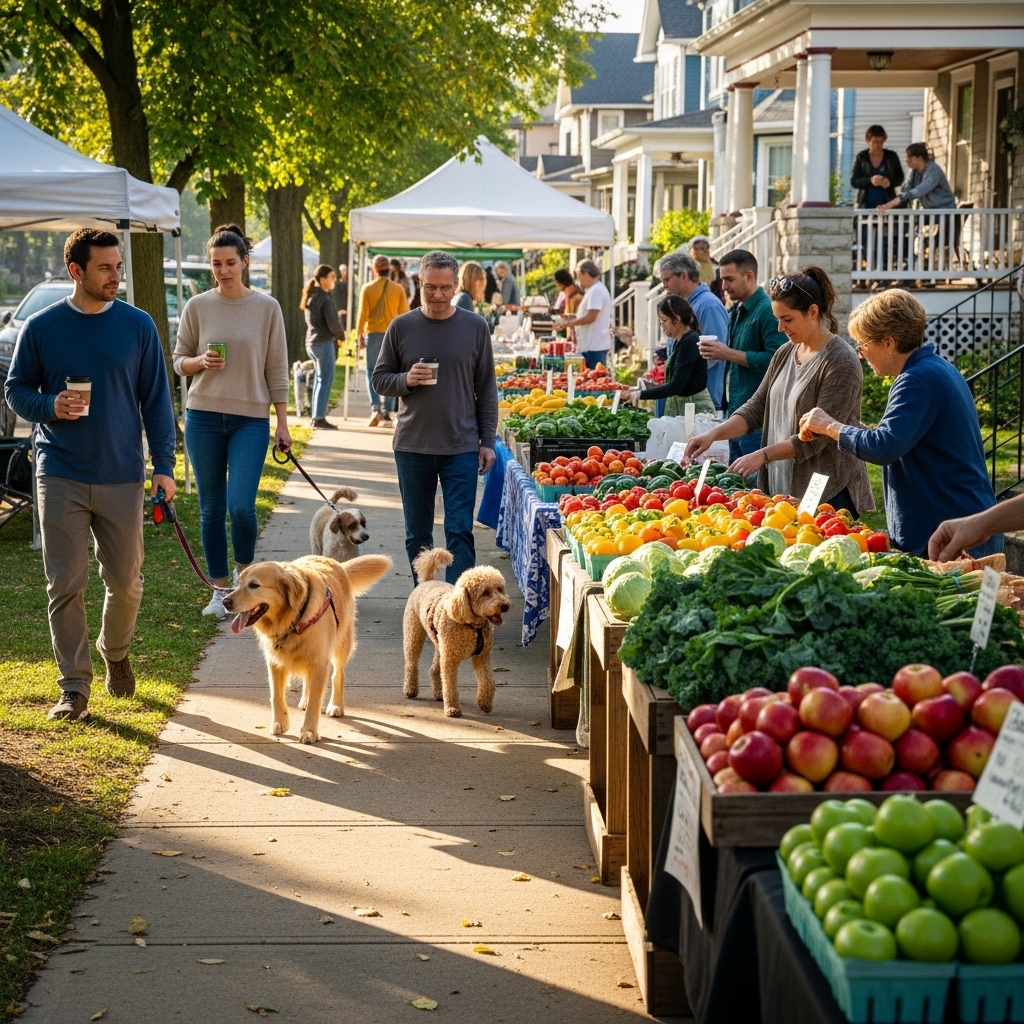
Walk any Naperville block on a Saturday morning—the quiet cul-de-sacs in Ashwood Park, the sidewalks near the 95th Street Library, or the brick-lined stretches downtown—and you’ll see a ritual that says a lot about who we are. Strollers, dogs, coffee cups, neighbors waving from porches: this is a city that values connection. A nearby fresh market fits naturally into that rhythm, acting less like a store and more like a neighborhood hub where health, conversation, and convenience meet. For those of us who’ve lived here long enough to see seasons cycle and kids grow, the market becomes a reliable friend—predictable in the best way, but always surprising in its produce bins and community energy.
There’s a reason people light up when they talk about short shopping trips. Proximity eliminates the guesswork that creeps into long-haul grocery runs. Instead of planning a week’s worth of meals in a single sitting, we can shop in the flow of real life: a midweek detour for dinner vegetables, a weekend swing-by for apples and greens, a quick stop after swim practice for a handful of herbs. Less time in the car and less pressure on the list translate into food that tastes better and is more likely to be eaten. In a city that keeps one eye on the train schedule and another on after-school activities, that flexibility is worth its weight in calm.
Connection You Can Taste
A market stitched into the fabric of the neighborhood cultivates a culture of shared knowledge. You overhear someone ask which tomato works best for sandwiches, or which lettuce holds up for tomorrow’s lunch. Staff remember that you like your bananas green or that your child loves honeycrisp apples. These details seem small, but they quietly shape better meals in our kitchens. When you trust a place to guide you, you buy more confidently and waste less.
Trust also shows up in labeling and curation. Markets that choose produce for peak quality rather than sheer volume give us the opportunity to buy foods we’ll actually enjoy through the weekend. That intentional selection is a public service in a fast-paced suburb, where the easiest choice often masquerades as the best. The neighborhood market says, “Slow down. Pick what’s beautiful. Cook something simple.” And the food rewards you for it.
Walkability and Well-Being
It’s not just about convenience; it’s about the kind of place we want Naperville to be. When good food is walkable, we move our bodies more. We bump into neighbors, swap ideas, and carry a small bag of ingredients back through the park. Those micro-moments of activity and connection add up to a healthier community. Parents model to kids that errands can be short, social, and satisfying. Older residents can maintain independence because daily needs don’t require a long drive. The simple fact of having a dependable market nearby supports physical and social well-being simultaneously.
There’s also resilience in having fresh food close at hand. Weather delays, busy seasons at work, or a kid’s surprise school project need not derail dinner. When produce is a few turns away, you adapt. That flexibility reduces stress, which, in turn, makes it easier to maintain routines around cooking and eating that support long-term health.
A Platform for Local Stories
Neighborhood markets often become stages for local voices—farmers, bakers, food artisans, and staff who love sharing what’s in season. You might leave with the story behind a variety of apples or a new idea for roasting broccoli with citrus. In a diverse city like ours, where families bring traditions from around the globe, markets also become places to trade flavor ideas: a spice pairing here, a simmering sauce there. Naperville’s culinary personality grows more vibrant because our shared pantry grows.
For kids, the market can be an education: where food comes from, why seasons matter, how to tell when a melon is ripe. Hands-on learning makes nutrition tangible. Let a child pick the vegetables for taco night, and watch enthusiasm for dinner soar. Those early experiences foster a healthy relationship with food that lasts long after the school year ends.
Time-Smart and Budget-Savvy
When a quick stop for three ripe tomatoes actually results in just three ripe tomatoes, you’ve protected your time and your budget. Neighborhood markets are masters at right-sizing your cart because they encourage you to shop for what looks best today. There’s no pressure to stockpile or to wander aisles you never needed. You can re-up staples midweek and keep produce at its peak. It’s a nimble way to keep kitchens humming in households that juggle drop-offs, practices, and work calls.
And while we’re not tallying prices here, we are celebrating value. Value comes from meals that get cooked, ingredients that don’t languish, and the comfort of knowing you can refresh your crisper on a moment’s notice. That predictability shapes better household routines. If you’ve ever felt the mental weight of a chaotic fridge, you know how restful a small, intentional shop can feel.
The Middle of the Week Matters Most
Somewhere around Wednesday, the week’s best intentions face reality. Activities stack up, energy dips, and the easy option whispers. This is where a neighborhood fresh market proves its worth. You pop in for a lemon, a head of lettuce, a handful of mushrooms—and dinner pivots back toward home-cooked. The speed of that course correction keeps us aligned with the kind of community we want to be: one that values care over convenience, nourishment over impulse.
Midweek shopping also helps us see our kitchens with fresh eyes. You take stock: Do I still have carrots? Could I turn that last bit of rice into fried rice with some scallions and peas? Would a quick pan sauce revive last night’s chicken? A short list and a short walk can restore momentum in ways that sprawling weekend hauls sometimes can’t.
Designing a City Around Everyday Ease
Planners sometimes talk about the “15-minute city,” where essentials sit within easy reach. In parts of Naperville, we already enjoy our own version of that idea. The more we support neighborhood markets, the more viable it becomes to design streets and routines around short, purposeful trips. Sidewalks feel busier, parks feel livelier, and corner conversations become a staple of daily life. Food becomes an anchor for community, not just a task on a to-do list.
All of this is amplified by the ways markets reflect and respond to our town’s character. They stock what families request. They notice seasonal cravings. They become keepers of local habits—what sells on snow days, which greens move during marathon training season, which apples are kid favorites in fall lunchboxes. There’s a feedback loop: we shape the market; the market supports our best habits.
FAQ
How does a nearby market change my weekly routine? It shortens trips, encourages buying what’s truly fresh, and makes it easy to refresh ingredients midweek so you cook more often and waste less.
What’s the best way to shop with kids? Give them a simple mission—choose the fruit for snack time or the vegetable for tacos. Empowerment builds curiosity and better eating.
Can a small market support diverse diets? Yes. Focused curation often means high-quality basics plus thoughtful additions for different culinary traditions. Ask staff for substitutions if an item is out.
How do I keep produce fresh longer? Store greens dry and cold, keep ethylene producers like apples away from tender leaves, and wash berries just before eating.
What if my schedule is unpredictable? Shop in smaller bursts. A quick midweek stop resets your plan without overloading the fridge.
Bring It Home, Naperville
If you want your kitchen to feel calmer and your meals more joyful, make the most of the market that’s already part of your neighborhood rhythm. Swing by a trusted fresh market, let the season guide a simple list, and discover how easy it is to cook well when good food lives just down the street.