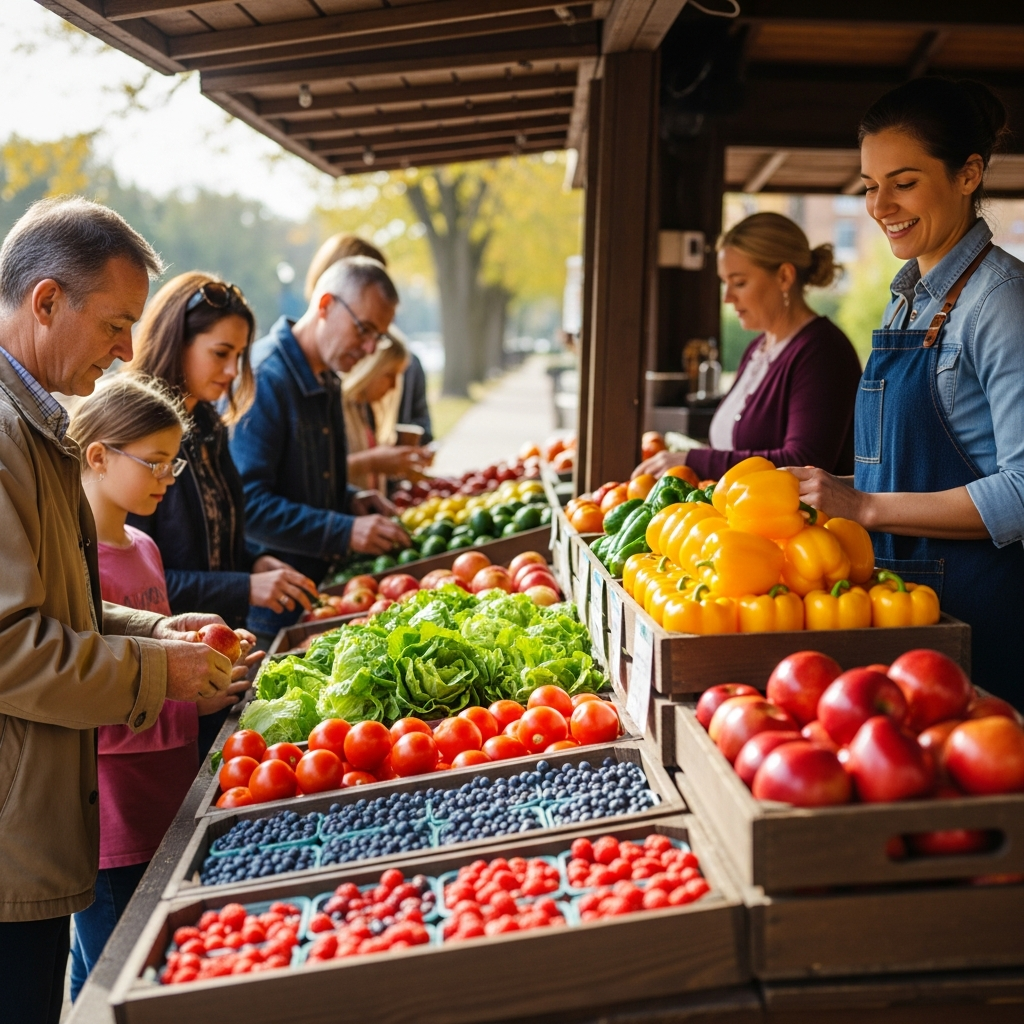
On a crisp Naperville morning, when sun spills across the Riverwalk and commuters drift toward the Metra, there’s a calming reassurance in knowing your next meal can come from a place that feels both neighborly and nourishing. For many of us living near Ogden Avenue, 95th Street, or tucked into quiet pockets like Tall Grass and Brookdale, a reliable fresh market is where the week’s health goals and household budget finally agree with each other. This is where produce still smells like the field, where pantry staples haven’t crossed three time zones, and where small choices—how you pick lettuce, when you buy apples—become the backbone of a healthier, more affordable way to eat.
What I’ve learned, after years of helping families fine-tune their shopping habits, is that the difference begins right at the store entrance. You can feel it in the air: a sense that what you’re buying will be eaten at its peak, not left wilting at the back of a fridge. The energy is human-scaled—hands restack tomatoes, someone shares a recipe tip, a kid asks for a better peach. That atmosphere quietly invites us to shop with intention, which is the foundation for both better nutrition and better spending.
Health that Starts with Flavor and Freshness
Healthy eating in Naperville isn’t about abstract targets; it’s about real, delicious food that actually ends up on the table. Fresher produce tends to have firmer textures, brighter flavors, and more satisfying aromas, which nudge us to cook and snack more mindfully. When berries are genuinely sweet, you reach for them instead of chasing sugar elsewhere. When greens are crisp, salads stop feeling like a chore. This sensory pull is powerful, and it’s one reason families who lean on nearby markets often find it easier to meet their daily fruit and vegetable goals.
In practical terms, think about how proximity and freshness alter your routine. If you can swing by after school pickup near Neuqua Valley or on the way home from soccer at Commissioners Park, you’re more likely to buy what you’ll cook tonight rather than guessing a week in advance. That change reduces the mental load of planning and, equally important, shrinks the window in which produce can go bad. Nutrients are best enjoyed before they deplete, and a shorter path from shelf to skillet is a quiet win for your body.
There’s also a mental health uplift that’s easy to underestimate. Shopping in a calm, well-organized market can steady your pace, encouraging you to notice the colors, the smells, the subtle seasonality. You might talk with a clerk about storing cilantro or ask another shopper which apples hold up best for lunch boxes. Those small interactions make the act of buying food feel less transactional and more communal, which many of us find grounding in a busy suburban week.
Budgeting with Intention (Without Feeling Deprived)
Healthy food and smart budgeting are not opposing goals; they reinforce each other when you shop with purpose. Begin with a flexible plan—two or three dinner anchors you know you’ll make—and let the market guide the rest. A quick scan of what looks prime, what’s abundant, and what will stretch across meals helps you build a cart that works harder for you. In neighborhoods across Naperville, the families I coach often rely on a handful of repeatable base ingredients—say, a leafy green, a hearty vegetable, and a versatile fruit—and then round out with protein and pantry staples. This rhythm naturally avoids waste, which is where budgets quietly unravel.
Another key is cooking once and enjoying twice. If you find especially good carrots or broccoli, roast extra. Use part of the batch as a side for tonight’s chicken and tuck the rest into tomorrow’s grain bowl, soup, or omelet. When your ingredients are fresh and flavorful, leftovers feel like a bonus, not a compromise. Waste drops, satisfaction rises, and so does your confidence.
Packaging matters, too. A market that handles produce carefully, stores herbs in a way that mimics how they thrive, and labels varieties clearly makes it easier for you to choose items that last. At home, the savings continue with smart storage: greens wrapped in a lightly damp towel, berries kept dry and cold, apples separate from greens so ethylene doesn’t rush their decline. Ten minutes of unpacking care on Sunday can save you a midweek emergency run.
Naperville Rhythms: How Place Shapes What We Eat
Our town’s schedule—commutes to downtown, after-school lessons near Route 59, weekend strolls along the Riverwalk—sets the tone for how we cook. On evenings when time is tight, tender spinach can become a sauté in minutes, and quick-cooking zucchini pairs elegantly with a lemony dressing. On Saturdays, when you have a bit more breathing room, you can experiment: grill sweet peppers, simmer a pot of tomato sauce, or marinate cucumbers for a chilled salad. Living near a dependable market means you can lean into these rhythms without compromising nutrition or taste.
I often suggest a simple seasonal habit to Naperville families: Let color guide you. In early fall, bring home those deep orange squashes and crisp apples. In summer, chase the reds and greens—tomatoes, herbs, cucumbers. In late winter, lean into sturdy things that ship and store well, like cabbage, carrots, and citrus. Following color keeps meals exciting and nudges variety, which is a friendly shortcut to well-rounded nutrition.
Finding Value in the Middle of the Week
Midweek is when budgets typically wobble. You run out of something, or a plan changes, and impulse takes the wheel. This is where a convenient, trustworthy fresh market gives you an edge. You can pop in for just what you need and avoid a full-cart spiral. I’ve watched neighbors duck in for one bell pepper and leave with exactly one bell pepper—and the nudge to cook what they already had at home. That restraint sounds small, but it’s the daily discipline that protects both your wallet and your health.
Planning doesn’t have to be fussy. I encourage a two-tier list: the sure things and the maybes. The sure things are ingredients you know you will use; the maybes are what you’ll choose based on what looks best. This approach taps into the market’s strengths and hedges against overbuying. When everything in your fridge has a job, you spend less and eat better.
Families with kids often ask how to strike the balance between speed and nutrition. My go-to advice is to build a base you can customize quickly. Think of a versatile pot of grains, pre-washed greens, and a tray of roasted veg. Layer on whatever protein and sauce your crew loves. With this system, quality produce shines, and each night’s dinner can flex to everyone’s tastes without straining time or budget.
Stretching Ingredients Without Sacrificing Joy
There’s a quiet art to stretching a bag of groceries. Lean on herbs as flavor amplifiers; a handful of parsley or basil can make leftover rice feel new. Use citrus and vinegars to brighten roasted vegetables. Save vegetable odds and ends—onion tops, carrot peels—in a freezer bag, and simmer a weekend stock. When the building blocks taste good, you’ll naturally reach for them before ordering out.
Another Naperville-tested trick is what I call the “Friday reset.” Before the weekend shop, pull everything from the crisper and set it on the counter. Ask what can be blanched, roasted, or blended into something usable. Spin sad greens into pesto. Roast the last three potatoes with rosemary. Freeze diced fruit for smoothies. This ritual cleans the slate, respects your budget, and keeps your kitchen motivating rather than guilt-inducing.
Community, Connection, and Confidence
A market becomes more than a store when it supports your confidence in the kitchen. Maybe you discover a new variety of apple that your child actually finishes at lunch, or you find tomatoes that make a simple pasta sing. These small wins add up. They build a feedback loop: fresher food leads to tastier meals, which leads to less waste, which safeguards your budget, which makes it easier to keep buying fresh food. It’s a virtuous cycle that many Naperville households have embraced, particularly as we’ve all gotten better at cooking at home.
Confidence also grows when you know someone is looking out for you. Staff who can explain how to tell if a melon is ripe or the best way to store cilantro turn a quick visit into a mini-lesson. Over time, those tips become reflexes, and your kitchen runs smoother. There’s pride in that, and it extends beyond dinner: it shows up in lunchboxes, snacks between Zoom calls, and the ease with which you say “Let’s cook at home tonight.”
FAQ
How do I choose produce that will last through the week? Look for firmness, vibrant color, and intact stems. Buy a mix of quick-use items like berries and spinach along with sturdier choices like carrots and cabbage, so you’re not racing the clock on everything at once.
What’s the best way to keep greens from wilting? Wash, dry thoroughly, and wrap them in a lightly damp towel before putting them in a breathable container in the crisper drawer. Keep them away from apples and avocados, which give off ethylene.
Is it worth shopping more than once a week? If you live or work close to a market, two smaller trips can be ideal. You’ll catch produce at its peak and reduce waste from overbuying.
How can I get kids interested in healthier snacks? Offer a small, colorful plate: sliced cucumbers, cherry tomatoes, and a fruit they chose. When kids help pick items, they’re more likely to eat them.
What are simple ways to stretch leftovers? Roast extra vegetables, cook a little more grain than you need, and keep a jar of quick vinaigrette handy. Those building blocks can become bowls, wraps, or hearty salads.
Plan Your Next Naperville Shop
If you’ve been meaning to reset your kitchen habits, start close to home and let flavor lead the way. Stop by a trusted fresh market, pick a few vibrant basics, and give yourself permission to keep the plan simple. With each meal you cook from what you have—and each snack that tastes as good as it looks—you’ll feel the health and budget benefits stacking up in the most satisfying way.