
When families in Naperville, Illinois, talk about eating better, the conversation usually turns to organic food not as a fad but as a practical way to align daily habits with long-term values. Parents want to feed their kids food that tastes like it should, support local and regional growers, and simplify weeknights without sacrificing quality. I have watched neighbors discover that once you know where to shop and how to plan, organic meals slot into busy lives more easily than expected. For a strong start, I often point people toward a focused organic foods selection so they can build a short list of staples and get comfortable with a routine that fits their schedules.
The first benefit families notice is flavor. When produce is grown and handled carefully, it arrives with a natural vibrancy that kids recognize even if they cannot name it. Strawberries taste brighter, carrots are sweeter, and leafy greens seem to wake up a sandwich or a bowl without much help. Flavor leads to curiosity, which is the fuel for better eating habits. When children are excited to taste what is in their lunchbox or on their plate, mealtimes feel less like negotiations and more like discovery.
Another benefit is confidence in the ingredients you bring home. Many parents appreciate buying items that meet organic standards, especially for foods their children eat frequently. It can feel reassuring to reach for organic produce, dairy, and grains knowing that the store you trust has done some of the vetting for you. That sense of confidence reduces the everyday mental load of shopping, leaving more energy for cooking and connection.
Community and connection
Organic choices often lead families into deeper ties with the community. Shopping thoughtfully connects you to the rhythms of Naperville’s seasons and to the people who bring food to our tables—produce managers, farmers market vendors, and neighbors who share recipe ideas in the aisle. The conversation shifts from “What is for dinner?” to “What looks great right now?” That change infuses kitchens with creativity and turns routine meals into chances to talk about where food comes from.
Helping kids build lifelong habits
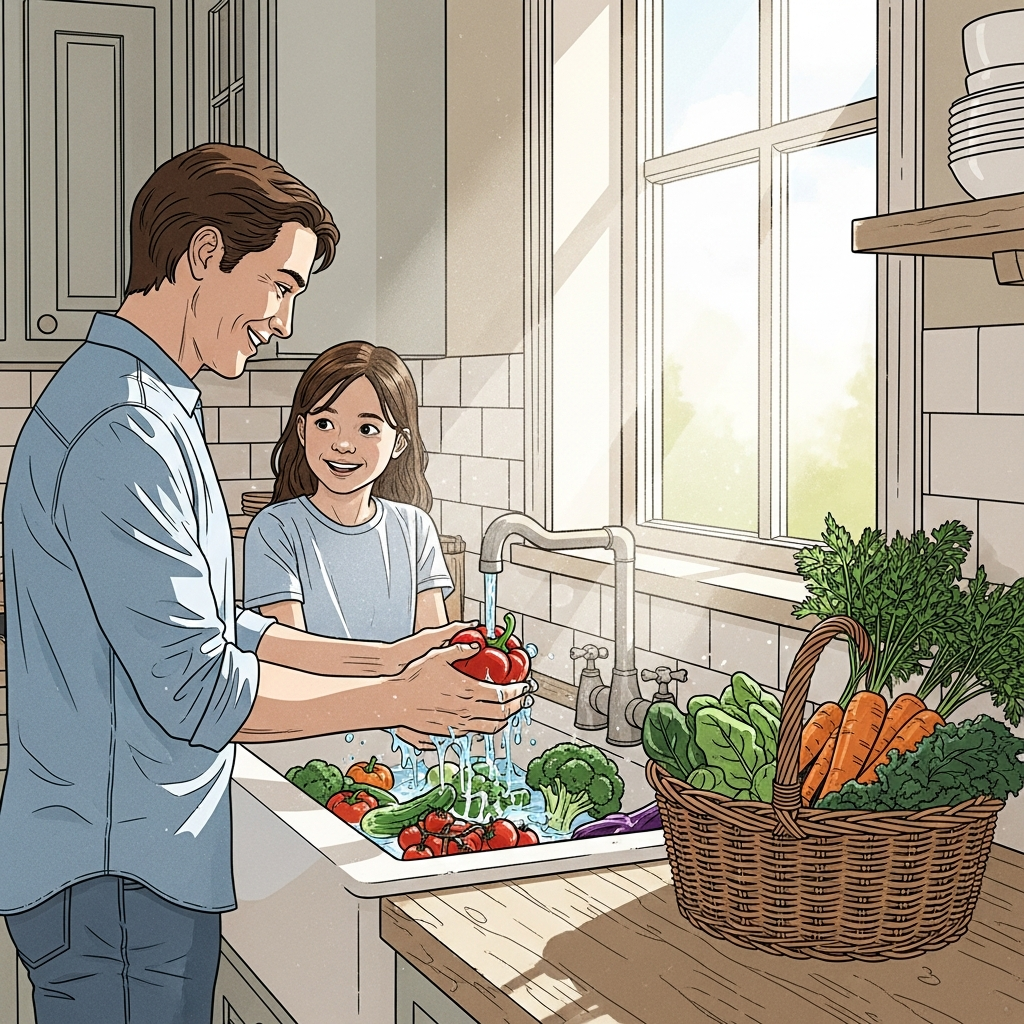
One of the quiet joys of raising kids around organic foods is watching them build good habits naturally. Invite them to pick a new fruit or vegetable each week, wash it, taste it raw, and decide how to cook it together. Give them jobs suitable to their age—spinning salad, tearing herbs, stirring dressings—and praise their efforts at the table. When children feel agency, they tend to meet foods with curiosity rather than suspicion, and they carry that openness with them as they grow.
Weeknight strategies that work for real families
Weeknights in Naperville can be a blur of homework, practice, and late meetings, so routines matter. I recommend anchoring the week with a few flexible components: a pot of grains, a tray of roasted vegetables, a simple protein or bean dish, and a favorite dressing. With those ready, dinner is largely assembly. Bowls, tacos, and hearty salads let everyone customize their plate without turning the kitchen into a short-order counter. If you run low midweek, make a quick stop on your regular route or place a small order to restock greens, herbs, and citrus—just enough to revive the rest of the week’s plan.
Making seasonal eating second nature
Families thrive when menus follow the seasons. Spring offers tender greens, asparagus, and radishes that make salads exciting again. Summer encourages more raw, crunchy plates with tomatoes, cucumbers, and sweet corn. Autumn leans into roasts and soups with squash, apples, and kale. Winter welcomes brassicas, roots, and citrus that brighten gray days. When you eat this way, variety happens automatically and meals taste fresh even when your plan is simple.
Lunchboxes and snacks that kids actually finish
Organic eating shines in the small moments between meals. Lunchboxes packed with crisp carrots, apple slices that taste like an orchard, and little containers of cherry tomatoes tend to come home empty. Add a small container of hummus or a slice of cheese, and you have a snack that fuels rather than fills. For after-school, keep a bowl of washed fruit at eye level and a container of chopped vegetables within reach in the fridge. When the easiest option is the best option, everyone wins.
Entertaining, Naperville style
Hosting another family can be relaxed and nourishing with the right plan. Set the table with a big salad, a platter of roasted vegetables, and a simple main—braised beans, baked salmon, or a grain pilaf with herbs and nuts. Offer a few toppings and sauces so guests can customize. Dessert can be as straightforward as broiled peaches, baked apples, or a handful of berries with yogurt. Because you are starting with flavorful organic ingredients, you do not need complicated recipes to make the meal feel special.
Smart shopping without the stress
The difference between a chaotic grocery run and a smooth one usually comes down to a short list and a reliable source. I advise families to keep a running list on the fridge or phone and to build a go-to circuit that fits their weekly routes. On busy weeks, review your list against what is already in the fridge before you shop, and repeat your favorite meals rather than reinventing the wheel. When you need a little inspiration or a midweek top-off, browsing a store’s organic foods department can help you spot a seasonal star that revives the whole menu.
Reducing waste at home
Organic or not, food waste undermines even the best intentions. A few habits go a long way. Wash greens as soon as you are home and store them dried in breathable containers. Roast hearty vegetables before they wilt. Keep a “use first” bin for delicate items that need attention. Turn softening vegetables into soup or frittatas, and freeze leftover broths and sauces in small containers. When the fridge feels organized, it is easier to cook, and kids can help themselves to healthy snacks without digging.
Cooking confidence for new and seasoned home cooks
Great ingredients make cooks look good. If you are new to the kitchen, begin with three techniques: roasting, sautéing, and dressing. Roasting concentrates sweetness and yields those caramelized edges children love. Sautéing keeps vegetables crisp-tender and bright. A good dressing—something as simple as lemon juice, olive oil, salt, and a dab of mustard—can tie any of it together. Once these moves feel comfortable, you will find that weeknight dinners practically assemble themselves.
Supporting local vitality
Choosing organic options often goes hand-in-hand with supporting local businesses and regional farms. In Naperville, that means you are not just feeding your family; you are strengthening the network of people who make our city vibrant. From produce managers who light up when a seasonal favorite returns to cashiers who remember your kids’ names, these relationships turn errands into community. That sense of belonging is a benefit few people anticipate and many come to cherish.
Frequently asked questions from Naperville families
How do I start transitioning my family to more organic foods?
Begin with the basics your family eats most—greens, fruits, dairy, and grains—and build from there. Keep meals simple and repeat your favorites while everyone adjusts. Over time, add new items as curiosity grows and routines settle.
Do kids really notice the difference?
Many do. When strawberries taste like strawberries and carrots snap with sweetness, children tend to eat more readily. Even picky eaters often respond to brighter flavors and the fun of helping prepare their plates.
How can we keep organic eating affordable and practical?
Plan meals around seasonal produce and reliable staples. Prep ingredients after shopping so nothing languishes in the fridge. Reuse leftovers creatively—grain bowls, soups, tacos—so you cook once and enjoy multiple meals without extra effort.
What are the best weeknight time-savers?
Prep a pot of grains, roast a tray of vegetables, and make a jar of dressing on the weekend. Keep washed greens and cut vegetables ready to go. With those pieces in place, dinner becomes quick assembly rather than a nightly project.
How do we handle different preferences in one household?
Build meals from components so everyone can customize. Tacos, bowls, and big salads let children add what they like while you keep the overall plan consistent. Offer a few sauces and toppings to keep repeat meals interesting.
What role does delivery play for busy families?
Delivery can be a lifesaver during packed weeks. Use it for core staples and produce, then supplement with a quick in-person visit for a few choose-by-sight items when you have time. Consistency matters more than where the shopping happens.
Ready to make organic eating feel effortless?
Begin with a short list, shop a source you trust, and focus on seasonal flavors that make meals practically cook themselves. If you want a head start, explore a local store’s curated organic foods selection today, bring home what looks lively, and enjoy how easily better eating can fit your family’s life.