From weekend strolls along the Riverwalk to quick errands off Route 59, Naperville’s daily pace has a way of shaping what fills our pantries and plates. Over the past few years, I’ve watched a set of clear trends transform how we shop, cook, and share meals at home. At the heart of those changes is a renewed appreciation for the humble, neighborhood-oriented fresh market—the kind of place where produce is selected for flavor, where labels make sense, and where you can take home exactly what you need without losing your Saturday to parking lots and endless aisles. These trends aren’t abstract; you can taste them in a bowl of strawberries that actually smell like summer, in a salad that stays crisp till Friday, and in the confidence that grows when you learn to trust your instincts at the bin.
Trend-watching can feel faddish, but here in Naperville the changes have been steady and sensible. We’ve seen a pivot from overbuying to right-sizing, from one-size-fits-all to season-guided variety, from chasing novelty to celebrating what’s at its peak. In homes from Cress Creek to South Pointe, families are rediscovering the pleasure of fewer, better ingredients prepared with care. Let’s break down the movements shaping our local carts—and how to make them work in your kitchen.
Seasonality as a Strategy
Buying with the season might be the most powerful habit to emerge in recent years. It’s not just a romantic nod to harvest cycles; it’s a practical tactic for better flavor, easier meal planning, and less waste. When asparagus appears sharply green in spring or apples turn dense and fragrant in fall, we plan menus that suit what looks vivid now. The result is food that demands less tinkering to taste extraordinary. Seasonality also acts as an organizing principle, narrowing choices in a way that feels freeing rather than limiting.
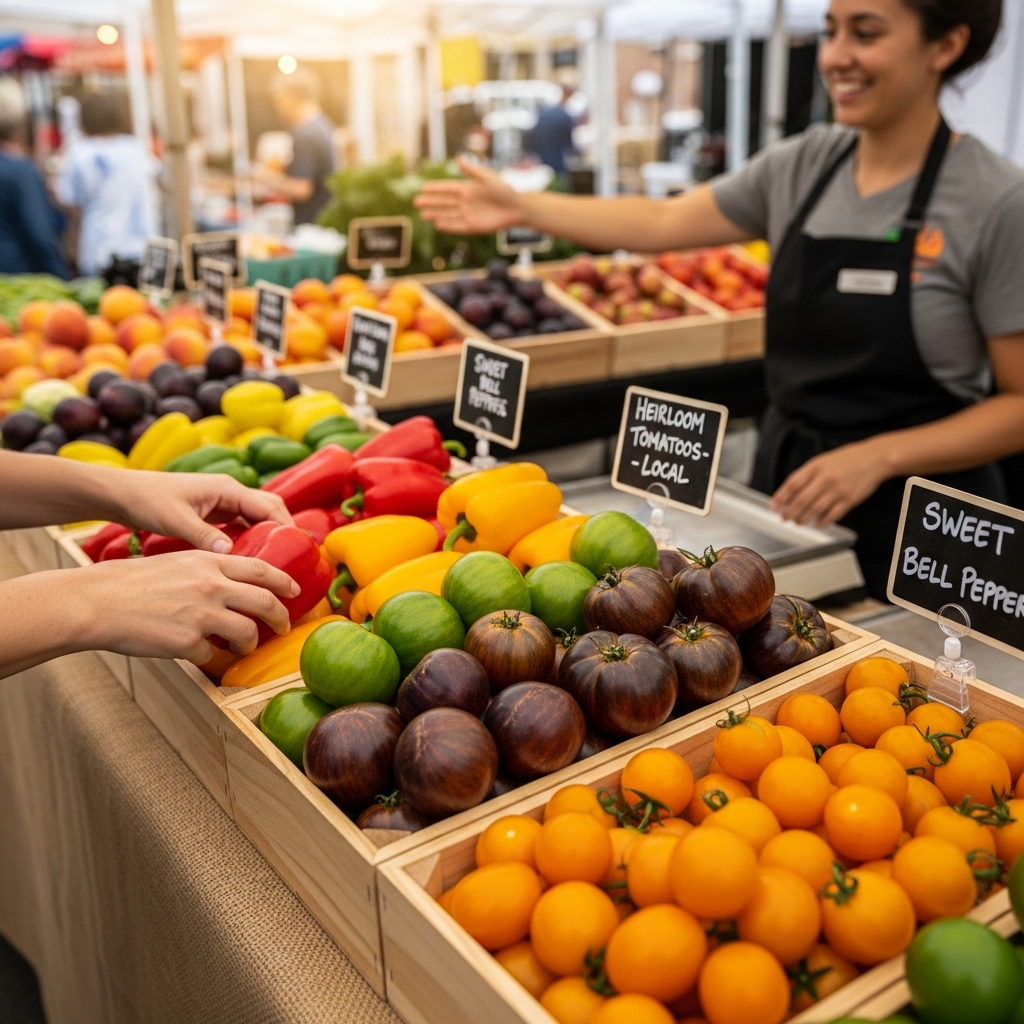
In Naperville, seasonality has a distinct rhythm. Spring leans bright and tender. Summer explodes with tomatoes and herbs. Fall brings sturdier textures—peppers, squashes, apples—ideal for roasting and stews. Winter invites creativity with storage crops and hardy greens. Markets that lean into this cycle guide us toward what’s best today, not what’s merely available.
Smaller Shops, Smarter Carts
Another change is psychological: we’ve learned to enjoy shopping more often, buying less each time. This aligns perfectly with neighborhood markets where the curation is tight and quality-forward. Instead of stocking up on insurance items that vanish to the back of the pantry, we buy only what we’ll cook within a few days. Confidence rises, waste plummets, and the fridge feels like a promise rather than a puzzle. This approach suits the Naperville lifestyle, where schedules can swing from calm to packed in an instant.
Right-sized shopping also sparks culinary creativity. With fewer ingredients, you pay closer attention to technique. A good tomato wants little more than olive oil and salt. Crisp greens shine with a squeeze of lemon. We’ve moved from maximalism to elegance—less noise, more flavor.
Transparency and Trust
Today’s shoppers want clarity. Where did this lettuce come from? How ripe are these peaches? What variety of potato is best for roasting? Neighborhood markets respond by labeling with care, training staff to answer questions, and emphasizing selection for taste. That transparency builds trust, and trust pays off in repeat purchases that fit our routines and palates. When a clerk steers you toward a melon that will ripen by Wednesday, your midweek dinner just got easier.
This shift to trust-driven curation also supports learning. Each trip becomes a chance to expand your food literacy: how to store herbs, how to spot underripe fruit, why some tomatoes are better for sauce than salads. Over time, those lessons become second nature, and you’ll find yourself cooking more instinctively.
Flavor-First Wellness
Wellness has matured from checklists to pleasure. We used to talk about nutrients with a kind of moral urgency; now we understand that the surest path to consistent, healthy eating is deliciousness. When you buy produce at its peak, the flavors pull you back to the cutting board again and again. A salad with truly crisp greens and a ripe avocado becomes an object of desire, not duty. This emotional shift is subtle but transformative for families trying to make better choices without turning dinner into a debate.
In Naperville households, that often translates to simple formulae repeated with seasonal variations: grain bowls with roasted veg; tacos with a changing cast of salsas; stir-fries that pivot around whatever looks best. Less stress, better eating.
The Midweek Refresh
One of the most practical trends is the midweek refresh. Rather than pushing a single weekend haul to last, more of us pop into a convenient fresh market on Tuesday or Wednesday to top off greens, grab a citrus or two, and pick a vegetable that will transform leftovers. This five-minute errand can be the difference between takeout and a home-cooked meal. It’s also a budgeting superpower, helping you spend on what you’ll truly use.
The refresh dovetails with better storage habits. We’ve gotten smarter about humidity drawers, breathable containers, and keeping apples away from tender leaves. A tiny investment of prep on Sunday—washing herbs, roasting a tray of vegetables—pays off all week, and the midweek top-up keeps those building blocks exciting.
Diverse Pantries, Shared Tables
Naperville’s international character shows up in our ingredient choices. Families blend traditions—maybe Italian herbs with Indian spices, or Korean gochujang with Midwestern sweet corn. Neighborhood markets respond with a mix of staples and intriguing extras, encouraging experimentation without overwhelming. This inclusivity turns ordinary dinners into little cultural exchanges, something you can feel at block parties as much as around the kitchen island.
These crossovers also reinforce the right-sized shopping trend. A small jar of something special stretches across many meals when paired with peak-season produce. You don’t need a dozen novelty items; you need a few that sing alongside lettuce that crunches and tomatoes that glow.
Waste Less, Enjoy More
Another steady current is the desire to simplify and waste less. Households are saving odds and ends for stock, repurposing roasted vegetables, and freezing fruit for smoothies. Markets contribute by selling produce in sizes that suit singles, couples, and busy families alike. This loop—buying just enough, using it well, and transforming leftovers—has become a defining Naperville habit.
It’s not frugality for its own sake; it’s respect for ingredients. When every pepper and peach feel chosen rather than collected, you cook with more care. That reverence shows up in the plate, which is ultimately the whole point.
Tech-Savvy, Human-Centered
Even as technology shapes shopping elsewhere, our local trend is to let tools support, not replace, human judgment. Digital reminders for the midweek refresh, a running note of staples to re-up, a shared family calendar for who’s cooking—these touches amplify the neighborhood market’s strengths. But the final decisions still happen at the bin, guided by sight, touch, and smell. That’s how food stays joyful rather than transactional.
In this balance, Naperville has found its groove: tech for planning, markets for choosing, homes for savoring. The triangle works.
FAQ
What’s the single most helpful habit to adopt? A midweek refresh. Topping off greens and grabbing one or two vivid vegetables keeps meals lively and reduces waste.
How do I know what’s truly in season? Let the display guide you. When an item appears abundant, vibrant, and aromatic, that’s your sign. Ask staff for quick cooking ideas; they handle the produce every day.
How can I add variety without overbuying? Choose a base formula—like bowls, tacos, or stir-fries—and rotate produce and seasonings. You’ll feel creative without stockpiling.
What helps produce last longer at home? Store greens dry, keep ethylene producers separate from tender items, and use breathable containers. Roast or blanch stragglers before they fade.
Do these trends work for families with tight schedules? Absolutely. Short, frequent trips and simple, flavor-led recipes are designed for real life in a busy town.
Bring the Trends to Your Table
If you’re ready to turn these local currents into everyday ease, make a plan to stop by a trusted fresh market this week. Buy for the next few meals, let the season choose one star ingredient, and enjoy how quickly your routine shifts from effortful to effortless.