
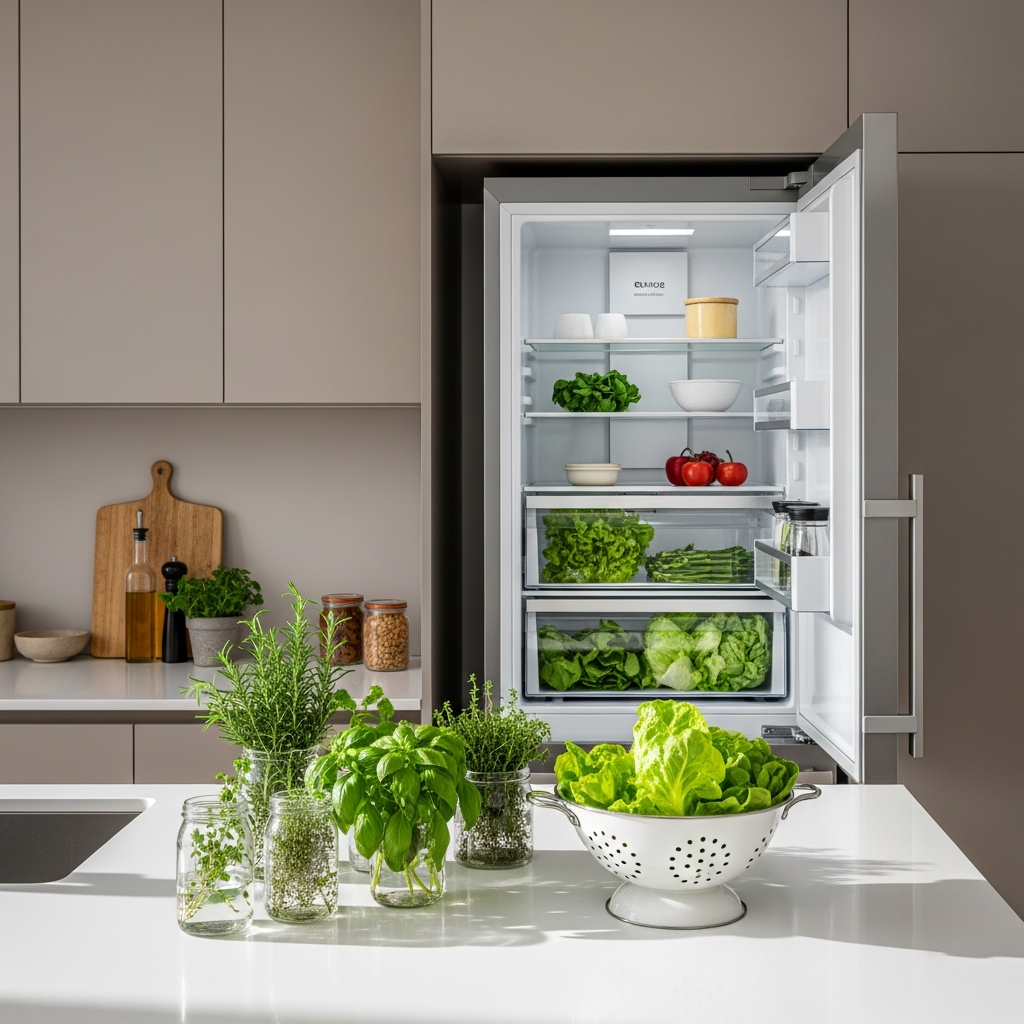
There’s a special kind of satisfaction in coming home to a Naperville kitchen stocked with vibrant greens, ripe fruit, and vegetables that still snap when you slice them. Whether you shop after school pickup by 95th Street, swing in on your Route 59 commute, or stroll after a jog along the Riverwalk, a dependable fresh market sets you up for a week of flavor. The trick is preserving that freshness once the bags are on your counter. With a bit of storage know-how and a few small routines, you can stretch quality across busy weekdays and make every crisper drawer feel like a promise kept.
I’ve spent years helping neighbors troubleshoot the same kitchen puzzles: soggy lettuce by Thursday, berries that seem to fade overnight, herbs that wilt before the pasta water boils. The good news is that small changes—how you wash, how you wrap, where you place each item—deliver outsized results. Think of your fridge as a set of microclimates, and your countertop as a brief staging area. Handle produce in the right order, in the right places, and you’ll taste the payoff at dinner.
Start with a Clean Slate
Before a single tomato hits the cutting board, set your kitchen up for success. Clear a bit of counter space. Give your sink and colander a quick rinse. Have towels ready—some dry, some lightly damp. This two-minute reset prevents cross-contamination, keeps grit from sneaking into leafy folds, and turns unpacking into a calm routine rather than a scramble. A clean start also helps you notice what you already have, so new purchases don’t bury last week’s survivors.
As you unpack, sort by immediacy. Fragile items—spinach, tender herbs, ripe berries—go first. Sturdier produce like carrots, cabbage, and potatoes can wait a moment. That triage mindset mirrors how markets stage their displays and keeps delicate foods from suffering while you hunt for containers.
Wash Smart, Not Hard
Washing strategies differ by item. For hearty greens like kale, remove tough stems, swish leaves in cold water, and spin until bone-dry before storing with a lightly damp towel. For delicate lettuce and herbs, minimize agitation—dip, lift, and drain—to avoid bruising. Berries prefer a last-minute rinse; if you must wash ahead, dry them thoroughly and store with a paper towel to absorb humidity. Tomatoes, onions, and winter squash generally prefer being wiped rather than washed before storage to reduce surface moisture that can hasten spoilage.
Whatever you wash, dryness is your friend. Water trapped in crevices is an invitation to limp textures. Let produce air on a towel while you prepare containers. This pause becomes a rhythm you’ll rely on week after week.
Containers and Drawers: Create Microclimates
Most Naperville fridges include two crisper drawers with adjustable humidity. Use the high-humidity drawer for leafy greens and herbs, where a slightly moist, sealed environment slows wilting. Reserve the low-humidity drawer for fruits that prefer airflow, like apples and pears. If your drawers aren’t labeled, a simple rule helps: leaves like lids, fruits like flow.
Breathable containers are game-changers. For greens, a wide, shallow container lined with a lightly damp towel keeps leaves cushioned and hydrated without being wet. For cut vegetables, use airtight containers and keep them in a visible spot so they get used. Herbs do well in a jar of water (like flowers) topped loosely with a bag, or wrapped in a damp towel and sealed. Choose a method and stick with it; consistency is what locks in results.
Ethylene Awareness
Some fruits release ethylene gas as they ripen, nudging nearby produce to age faster. Apples, avocados, and bananas are common culprits. Keep them away from tender greens and herbs. Store apples and pears in the low-humidity drawer and your lettuces in the high-humidity drawer. If your kitchen is small, a simple separation—different shelves, different bins—can buy you days of freshness.
Ethylene can be an ally, too. Want to ripen an avocado for taco night? Tuck it into a paper bag with a banana on the counter, then move it to the fridge when it reaches the sweet spot. Mastering this dance means you decide when produce is ready, not the other way around.
Counter vs. Fridge: Know the Boundaries
Not everything wants the chill. Tomatoes taste best at room temperature until they fully ripen; refrigerate only to stall decline, and let them return to room temp before slicing. Stone fruit like peaches and plums should ripen on the counter and then move to the fridge to hold. Cucumbers and peppers prefer cooler temps but can get rubbery if too cold; the main fridge, not the back wall, is ideal. Potatoes, onions, and winter squash store well in a cool, dark place—think pantry or basement shelf—kept apart so moisture and aromas don’t mingle.
In many Naperville homes, basements provide perfect conditions for storage crops. A ventilated basket keeps air moving around potatoes and squash, while onions do best with distance from potatoes. Label a shelf, stick to it, and you’ll never again find a surprise sprout party in the corner bin.
Prep Once, Eat All Week
Batch-prep is the quiet hero of busy weeks. Roast a tray of vegetables—broccoli, carrots, cauliflower—tossed simply with oil and salt. Blanch green beans until just tender, then chill. Chop a few onions and store in a sealed container for fast starts to soups and stir-fries. These building blocks turn “What’s for dinner?” into “How shall we assemble?” They also honor the quality of the produce you brought home.
A favorite Naperville routine is the Sunday reset: wash and spin greens, roast one vegetable, prep a sauce or vinaigrette, and slice fruit for snacks. It takes less than an hour and returns dividends every night. Your future self will thank you when practice runs late or a meeting spills over.
Midweek Tune-Up at the Market
No matter how well you prep, the middle of the week is where plans flex. A quick visit to a convenient fresh market for herbs, citrus, or one standout vegetable can reboot your menu. That five-minute stop keeps your earlier efforts from stalling. It also prevents the overbuying that can happen when you try to predict every craving on Sunday.
Think of the midweek visit as quality control. You take stock of what’s left—maybe some roasted carrots, a half head of lettuce, a container of cooked grains—and choose one fresh item that ties it together. Suddenly, you’re not scrambling; you’re composing.
Common Mistakes (and Easy Fixes)
Overwashing delicate items is a big one. If you must wash berries ahead, dry them completely and don’t crowd the container. Another frequent misstep is storing wet greens in sealed plastic; moisture has nowhere to go, and leaves collapse. Give them a towel to hug and a little airspace. Ethylene mix-ups also sabotage quality; keep apples and avocados away from tender leaves. Finally, avoid pushing produce to the back of the fridge where it’s colder and less visible. Front-and-center is your ally against waste.
Cut produce deserves attention, too. Once you slice a pepper or cucumber, store it in an airtight container and use it within a couple of days. Keep a notepad on the fridge door tracking cut items so they don’t become the forgotten middle child of your crisper.
Safety and Taste Go Hand in Hand
Clean as you go. Keep raw protein separate from produce on both the counter and in the fridge. Use dedicated cutting boards if you can or wash thoroughly between tasks. Dry your hands before handling leafy greens so you don’t add unnecessary moisture. When in doubt, smell and inspect. Good produce tells you what it needs: a tomato with dull skin wants the counter; greens that feel stiff want a touch of humidity.
Taste is the north star. If an item is nearing the end of its prime, cook it. Heat revives texture and concentrates flavor. A quick sauté, a roast, or a soup can transform “use it or lose it” into “why didn’t we do this sooner?”
FAQ
How do I keep herbs fresh longer? Treat tender herbs like cilantro and parsley as you would flowers—stems in a jar of water with a loose cover—and sturdier herbs like rosemary wrapped in a damp towel in the fridge.
Should I wash produce right away or right before using? Wash sturdier items and greens during your weekly reset so they’re ready to go, but rinse delicate berries just before eating to prevent mushiness.
Why do my greens get slimy by midweek? Usually excess moisture and poor airflow. Spin greens dry, wrap in a lightly damp towel, and store in a breathable container in the high-humidity drawer.
Can I freeze produce from my weekly shop? Yes. Blanch sturdy vegetables like broccoli before freezing. Slice and freeze fruit on a tray, then transfer to bags for smoothies or baking.
How do I revive limp vegetables? An ice-water bath can perk up carrots and celery. For greens that seem tired, a quick sauté with garlic can restore flavor and texture.
Make Freshness Your Habit
If you’re ready to turn good intentions into reliable results, start this week with a simple routine: clean slate, smart wash, right container, midweek tune-up. And if your crisper needs a nudge, swing by a trusted fresh market for a bright bunch of herbs or a standout vegetable that brings dinner back to life.