
In Naperville, where calendars fill quickly with school events, neighborhood get-togethers, and weekend sports, the difference between a calm dinner and a scramble often comes down to how well you store and handle your ingredients. That is especially true for halal proteins. Shoppers here love the clean flavor and ethical grounding of halal meat, but the journey from the counter to your table is where that quality is protected—or lost. With a few practical habits, you can preserve freshness, prevent cross-contamination, and cook with confidence every day of the week.
Think of storage and handling as the quiet steps that make visible magic possible. When you chill food promptly, keep raw and cooked items separate, and portion meat intelligently, your recipes work the way you imagined. Colors stay bright, textures remain supple, and aromas read as clean and inviting. Those benefits are universal, but halal’s careful sourcing and drainage make the payoff especially noticeable in your skillet or on your grill.
Plan the Trip Home
Quality protection starts the moment you leave the store. On hot Naperville afternoons, keep an insulated bag in your trunk. Head straight home instead of running errands, and place meat in the refrigerator right away. If traffic on Ogden or Route 59 slows you down, that bag buys you time and peace of mind. Little decisions like these prevent temperature creep that can dull flavors and shorten shelf life.
When you arrive home, do a quick check: packages intact, no leaks, and a clear spot on the coldest shelf—usually toward the back. If any packaging seems loose, slip the meat into a clean, shallow container to catch drips and keep the fridge organized. This is not just about tidiness; it protects other foods from contact and keeps your kitchen system strong.
Refrigeration Fundamentals
Set your refrigerator to 40°F (4°C) or below and avoid over-packing shelves so air can circulate. Store raw halal meat on the lowest practical shelf to prevent drips onto ready-to-eat items, and keep it in a leak-proof container. For chicken and ground meats, aim to cook within one to two days; for steaks and roasts, two to four days is typically fine when properly chilled. Label packages with the purchase date so you rotate intelligently and avoid the “mystery pack” problem that leads to waste.
Open your fridge as few times as necessary when prepping a meal. Each long door swing invites warm air, which can nudge temperatures upward. Gather spices, vegetables, and tools first, then retrieve the meat when you are truly ready to season and cook. It sounds small, but these micro-habits add up to better results.
Freezing Without Compromise
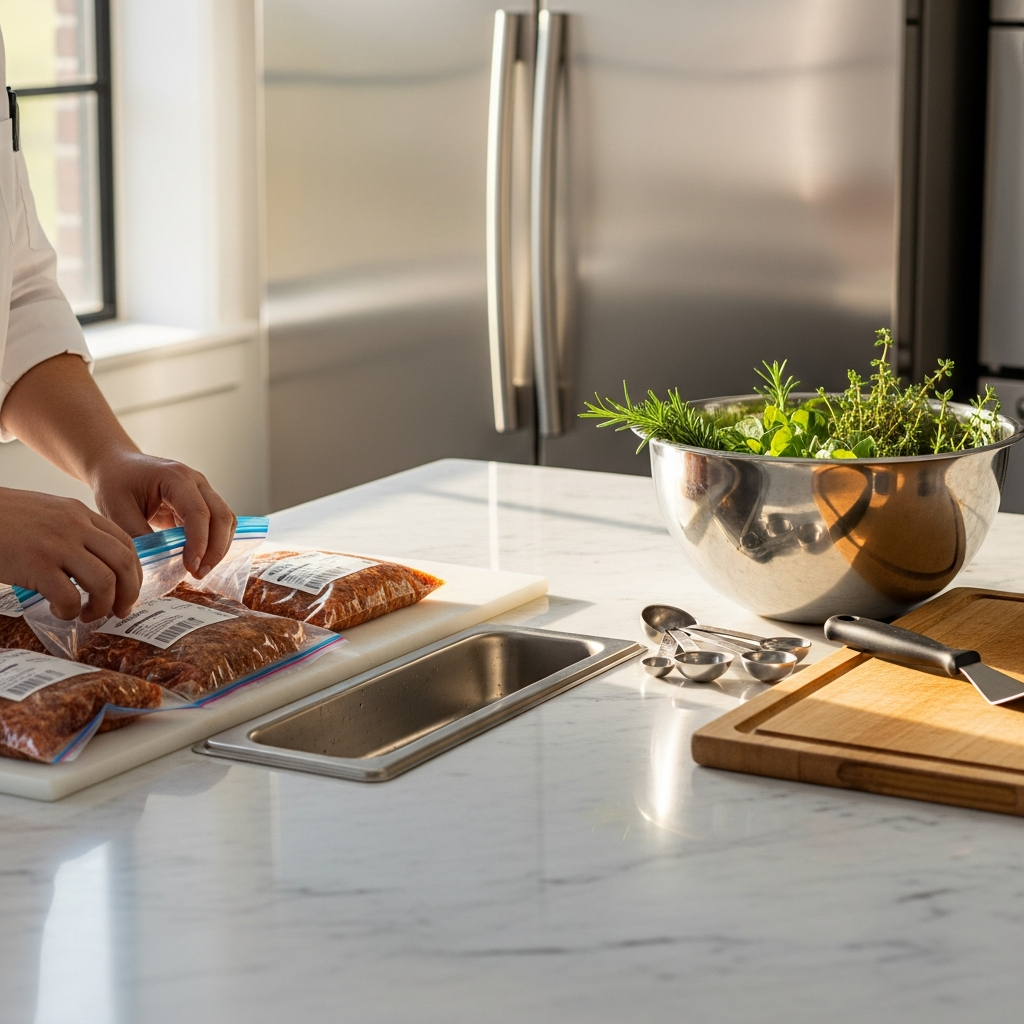
Freezers buy time, but only if you pack with purpose. Divide bulk purchases into meal-size portions, press them flat in freezer bags, and label with cut, marinade (if any), and date. Flat packs freeze and thaw faster, reducing the window in which ice crystals can damage texture. If you plan to marinate before freezing, keep acids moderate—too much lemon or vinegar for too long can mush delicate cuts like chicken breast.
Use freezer paper or vacuum sealing for steaks and roasts you intend to hold for several months. Squeeze out extra air and protect edges from freezer burn. Well-packed halal meats hold their clean flavor admirably, making it easy to plan around busy school weeks or holiday travel.
Safe, Effective Thawing
Thawing is where many home cooks go astray. The safest options are overnight in the refrigerator, cold-water thawing in a sealed bag with frequent water changes, or cooking directly from frozen for certain cuts. Countertop thawing invites uneven temperatures and should be avoided. For a fast dinner, submerge sealed portions in cold water, changing the water every 30 minutes until pliable, then pat dry and season.
Once thawed, treat meat like fresh: keep it chilled until cooking and do not refreeze without cooking first. Plan marinade time accordingly—refrigerator-thawed portions can absorb flavors efficiently because they are free of excess surface moisture. A quick pat-dry before seasoning improves browning dramatically.
Cross-Contamination: Prevention by Design
Halal’s careful origin story deserves an equally careful kitchen. Designate one cutting board for raw meat and another for produce. Wash tools with hot, soapy water between tasks, and change towels frequently. Keep raw meats on the lower refrigerator shelf and store cooked dishes higher, covered and cooled. If you plate raw kebabs, swap that plate for a clean one before serving the cooked skewers. These simple checkpoints are the backbone of safe, delicious meals.
At the grocery counter, do not hesitate to ask staff to use separate tongs and clean knives for halal orders. Clear labeling and dedicated tools are signs of a thoughtful operation. The same clarity should carry through at home: mark containers, separate shelves, and keep your routine simple enough to follow on a hectic Wednesday.
Marinating with Intention
Because halal meat tastes clean, marinades have room to shine. Build yours around balance: a touch of acid for brightness, a bit of fat for moisture, salt for structure, and aromatics for personality. Most cuts do well with two to eight hours; thinner steaks and chicken breast need less time, while thighs and shoulder cuts are forgiving. Avoid highly acidic soaks overnight, which can soften textures too much.
For freezer efficiency, marinate before freezing when you want deep flavor without last-minute prep. Just keep acid levels modest and label clearly. When you thaw, the seasoning will be ready to go. A quick finish—herb sauce, citrus squeeze, or warm spices bloomed in butter—can lift flavors right before serving.
Temperature and Doneness
Cooking temps matter as much as storage temps. Preheat pans and grills so you get an assertive sear that locks in juices. Use a thermometer for larger cuts and pull them at the right internal temperature, then rest briefly so juices redistribute. These habits prevent dryness and elevate texture, allowing halal’s natural qualities to stand front and center.
If you cook for a family with diverse preferences, consider splitting a batch: sear some pieces more for those who prefer firmer textures and keep others a touch juicier. Managing doneness intentionally is easier when your ingredients are well stored and handled from the start.
Transporting Meals Around Town
Between park picnics, potlucks, and school events, Naperville families move a lot of food. Keep hot foods hot and cold foods cold. For chilled dishes, use insulated coolers with ice packs and minimize lid-opening. For hot items, pre-warm insulated carriers and transport immediately. If you are grilling on-site, keep raw halal meat chilled until it is time to cook and use separate utensils for raw and cooked items. Small checklists prevent big headaches when you are feeding a crowd.
When you return home with leftovers, cool them quickly in shallow containers and label them with the date. Reheat to steaming and enjoy within a few days. The same respect you gave the meal on the way out should carry through when it comes back.
Batch Cooking for Busy Weeks
Smart storage turns batch cooking into a joy instead of a chore. Prepare a pot of halal beef chili or a tray of marinated chicken thighs, then portion into lunch-size containers. Refrigerate what you will eat in two to three days and freeze the rest flat for effortless weeknights. With these habits, your freezer becomes a curated library of easy wins, not a graveyard of forgotten intentions.
To keep variety in rotation, write a simple list on the fridge of what is in the freezer: chicken shawarma packs, burger patties, lamb stew cubes. Cross items off as you go. Families tell me that this small visual cue is the difference between ordering out and enjoying a wholesome dinner at home.
Working with Your Butcher
Great storage starts with the right cut. Talk to the counter team about your week. If you need quick-cooking options, request thinner cuts or boneless pieces. For weekend projects, ask for shoulder cuts that reward slow cooking. Skilled butchers help you choose packaging that suits your plan and offer tips tailored to your kitchen gear, from air fryers to charcoal grills. The conversation is a hidden part of storage and handling—and one of the best ways to make sure your efforts at home pay off.
When a store invests in staff training, clear labeling, and a strong selection of halal meat, the whole process feels easy. You shop with purpose, store with confidence, and cook meals that taste exactly the way you hoped.
Frequently Asked Questions
How long can I keep raw halal meat in the fridge?
Chicken and ground meats are best within one to two days; steaks and roasts typically hold two to four days when properly chilled at or below 40°F (4°C). Label packages with dates and prioritize older items first.
What is the safest way to thaw?
Refrigerator thawing overnight is ideal. For same-day cooking, submerge sealed packs in cold water and change the water every 30 minutes. Avoid countertop thawing, which leads to uneven temperatures.
Can I marinate before freezing?
Yes, with moderation. Keep acids modest to protect texture, press bags flat for efficient freezing and thawing, and label clearly so you remember the flavor profile when you plan meals.
How do I prevent cross-contamination at home?
Use separate cutting boards for raw meat and produce, wash tools with hot soapy water, store raw items below ready-to-eat foods, and assign clean plates for cooked items. Simple, repeatable routines are key.
What should I do with leftovers after a picnic or potluck?
Cool promptly in shallow containers, refrigerate, and reheat to steaming before serving again. When transporting, keep hot foods hot and cold foods cold with insulated carriers and ice packs.
Why does my meat sometimes cook unevenly?
Uneven cooking often traces back to storage and prep: crowded pans, cold centers, or insufficient preheating. Let meat rest briefly at room temperature before cooking, avoid overloading the pan, and preheat thoroughly.
Make Every Meal Count
Protect the flavor and integrity you value by storing and handling your groceries with care. When you are ready to restock, choose Naperville’s trusted selection of halal meat, plan a simple rotation for the week, and enjoy meals that reward your effort from the first bite to the last.