
For many Naperville families, halal has become a trusted way to shop and cook. Still, even seasoned home cooks run into the same handful of challenges: understanding labels, preventing cross-contamination, choosing the right cuts, and keeping flavors bright on a busy schedule. The good news is that these are solvable problems. With a little local know-how and the right questions at the counter, you can bring home halal meat that performs beautifully, night after night.
Over the years, I have watched neighbors—from first-time halal buyers to lifelong experts—navigate the same learning curve. The pattern is familiar: an initial burst of enthusiasm, a few uncertain meals, then a steady rise in confidence as techniques and sources click into place. If you are somewhere on that path, this guide is designed to meet you where you are and smooth the road ahead.
Issue: Confusing Labels and Certifications
Labels crowd the meat case, and halal terms can sit alongside “natural,” “humane,” “antibiotic-free,” and more. It is no wonder shoppers feel lost. Halal certification specifically addresses the permissibility of the meat under Islamic law, focusing on animal health, the method of slaughter, the invocation, and thorough blood drainage. Other attributes—organic, grass-fed, or hormone-free—are separate. Clarity begins with knowing that halal is a process, not a flavor or a single marketing claim.
Solution: Approach the counter with targeted questions. Ask which certifying bodies are recognized by the store, how cross-contamination is prevented, and what training staff receive. A confident, transparent answer is your best signal. Build a relationship with a butcher who welcomes your curiosity and remembers your preferences. Over time, your questions sharpen, and the shopping experience becomes smooth and predictable.
Issue: Cross-Contamination Concerns
Even when meat is sourced correctly, sloppy handling can undermine the standard. Shared tools, cutting boards, or trays can introduce doubt. In bustling Naperville markets—especially at peak hours—it is reasonable to want reassurance that your purchase stayed halal from case to checkout.
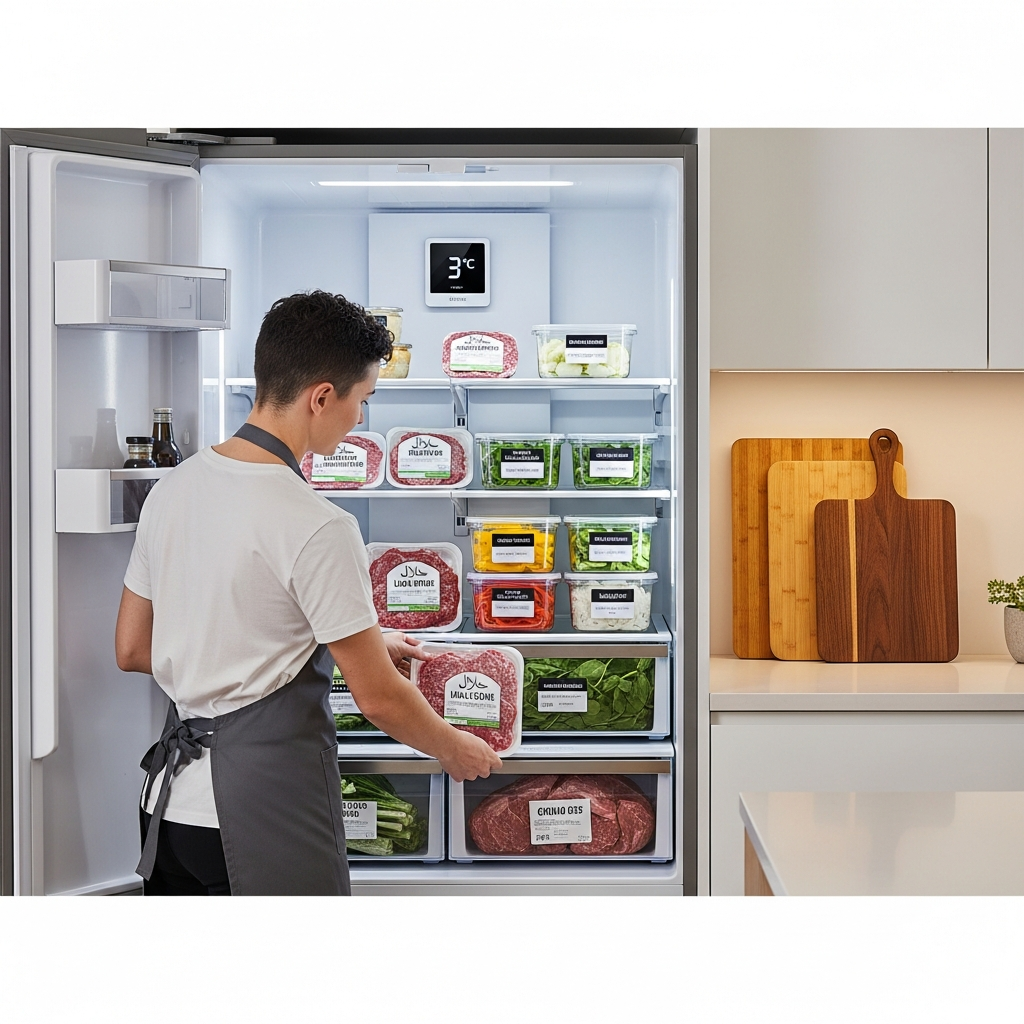
Solution: Look for visual cues of best practices. Separate tongs for halal, clearly labeled trays, and dedicated prep areas are strong indicators. Do not hesitate to ask staff to change gloves or use a clean knife for your order. At home, keep halal items on the top refrigerator shelf to avoid drips, and designate cutting boards for raw meats to protect your kitchen system end to end.
Issue: Inconsistent Results in the Kitchen
Halal meat often inspires people to try new cuts and techniques. That’s great—until an overcooked steak or a dry roast dents your confidence. Because halal handling tends to yield cleaner flavors, mistakes can feel more obvious, even if they are easily fixable.
Solution: Return to fundamentals. Pat meat dry, preheat thoroughly, and season with intention. Use a thermometer for larger roasts and rest meat after cooking to lock in juices. For quick weeknights, choose forgiving cuts—chicken thighs, ground beef, or lamb shoulder—that tolerate a little variance in heat. As your technique firms up, graduate to leaner steaks and delicate roasts.
Issue: Choosing the Right Cut for the Right Dish
Naperville’s halal cases are expanding, which is wonderful until choice paralysis sets in. A marinade that sings on thighs may fall flat on breast; a stew cut might be too tough for a quick sauté. Shoppers sometimes blame the meat when the real culprit is a mismatch between cut and method.
Solution: Tell the butcher how you plan to cook: grill, sear, braise, or roast. Ask for a cut that matches the method, and request thicknesses that fit your timeline. If you want a 12-minute weeknight dinner, thin and even pieces help. For Sunday braises, ask for shoulder or shank with good connective tissue that melts into tenderness over time.
Issue: Storage and Handling at Home
The clean flavor people love about halal starts at the counter, but it relies on your fridge and freezer to stay that way. Warm car rides, crowded shelves, and leaky packaging can all chip away at quality before you light the stove.
Solution: Bring an insulated bag on hot days and refrigerate promptly. Store raw meats on the coldest shelf—typically toward the back—and keep them in leak-proof containers. If freezing, press packages flat for quick thawing and label them with dates so you rotate stock intelligently. Small habits like these keep meals consistently excellent.
Issue: Over-Marinating or Under-Seasoning
Because halal meat tastes clean, spices and herbs shine. But that also means an unbalanced marinade can dominate or, conversely, leave the dish underwhelming.
Solution: Build marinades with three parts: acid for brightness, fat for moisture, and aromatics for personality. Aim for a few hours, not days, for most cuts—especially chicken breast and thin steaks. Save bold finishes, like a squeeze of lemon or a drizzle of herb sauce, for just before serving so they pop without overpowering.
Issue: Peak-Hour Availability
Naperville weekends can be a crush at the meat counter. Popular cuts sell fast, and late arrivals can face slim pickings just when company is on the way.
Solution: Shop earlier in the day, ask about delivery schedules, and do not be shy about pre-ordering special cuts for holidays and parties. Building a rapport with the counter team pays off—they will steer you toward fresh arrivals and suggest smart alternatives when your first choice is gone.
Issue: Myths That Won’t Quit
Some shoppers worry that halal limits culinary options or will change the taste of familiar recipes. Others assume it always costs more or that certification guarantees attributes like organic or grass-fed. These myths persist despite the everyday experiences of Naperville cooks who find halal both flexible and delicious.
Solution: Treat halal as a standard of care, not a cuisine. Your Italian meatballs, Korean-style short ribs, and classic Midwestern chili can all be made with halal proteins. If certain attributes matter to you—like grass-fed—ask for them specifically. Let your palate, not rumors, guide your cart.
Midweek Systems that Work
Busy families need strategies that survive Wednesday. Batch-marinate chicken, portion ground beef by the pound, and keep one slow-cooker recipe in rotation for the nights when traffic on Route 59 decides dinner’s schedule. Halal’s consistency helps these systems click, turning a chaotic evening into a calm, satisfying meal.
Another smart habit is cooking once, eating twice. Grill extra chicken for salads and wraps, or make a double batch of keema for tacos one night and stuffed peppers the next. With a dependable base protein, second-day meals feel intentional instead of leftover.
Working with Your Butcher
The most reliable path to great results runs through a good conversation at the counter. Share your plan, describe your tools, and ask for advice on thickness and trim. In my experience, Naperville’s best counters love these chats—they are proud of their craft and eager to help you succeed. When a store invests in staff training and carries a strong selection of halal meat, that partnership becomes a weekly pleasure.
Frequently Asked Questions
How can I confirm that a store’s halal process is trustworthy?
Ask about recognized certifiers, staff training, and cross-contamination prevention. Look for separate tools and clearly labeled trays, and expect straightforward answers to detailed questions.
Is halal automatically organic, grass-fed, or antibiotic-free?
No. Those attributes are separate from halal certification. Many providers combine them, but always read labels and discuss your preferences at the counter.
What cuts should I choose for quick weeknights?
Chicken thighs, thin-cut steaks, and ground beef are forgiving and fast. For slow weekends, opt for shoulder cuts and shanks that benefit from time and gentle heat.
Why did my halal roast turn out dry?
Dryness often comes from high heat for too long or slicing without a rest period. Use a thermometer, roast to the right doneness, and rest the meat so juices redistribute before carving.
Can I serve halal dishes to mixed dietary groups?
Absolutely. Halal standards are inclusive and work across cuisines, making it easier to feed diverse gatherings without preparing separate main courses.
How do I avoid over-marinating?
Stick to a few hours for most cuts, and balance acid, fat, and aromatics. Add bright finishes right before serving to boost flavor without turning textures mushy.
Cook with Confidence in Naperville
If you are ready to solve common hurdles and enjoy consistently great meals, stock up on Naperville’s best selection of halal meat today. Ask questions at the counter, set up simple home systems, and cook the kind of dinners that make weeknights feel easy.