
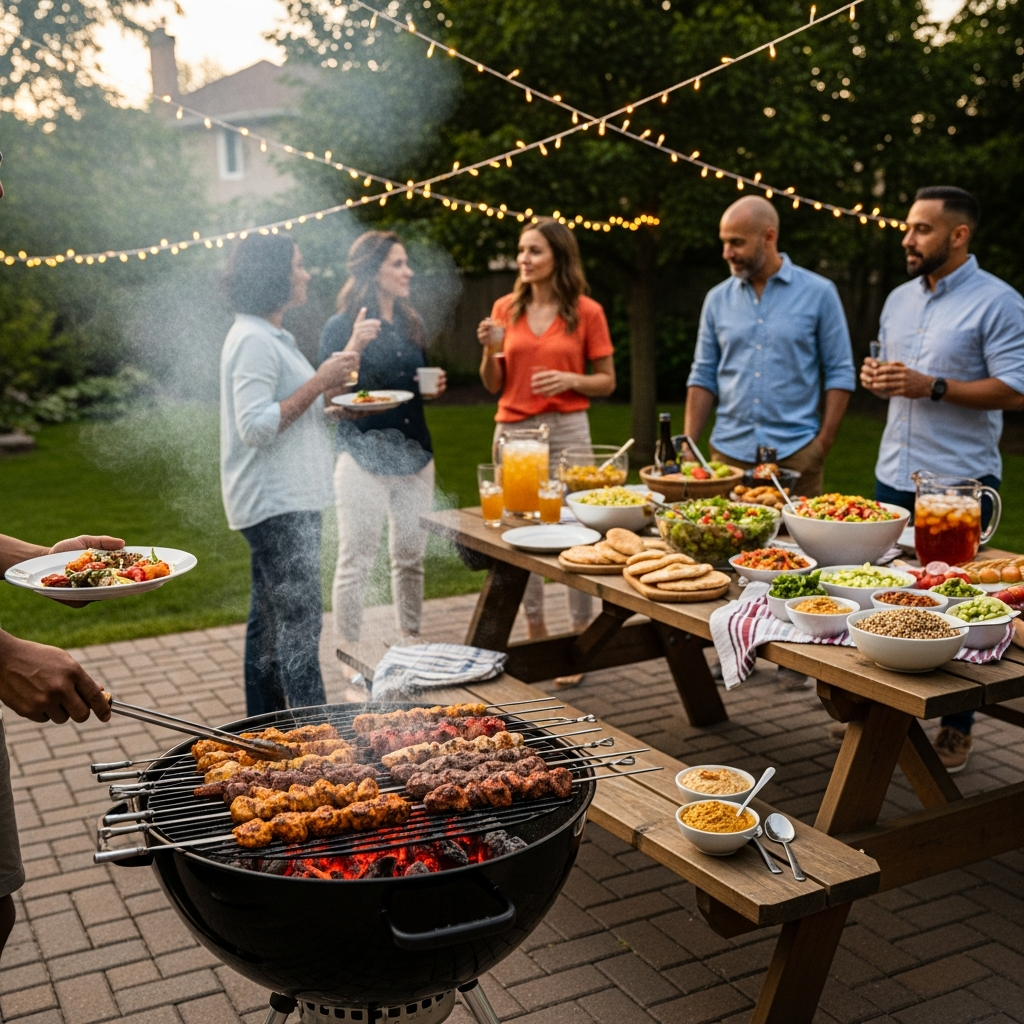
Spend an evening roaming downtown Naperville—from the Riverwalk to the side streets off Jefferson—and you will notice a subtle shift in how the city eats. Menus wink with global flavors, backyard grills puff with adventurous marinades, and home cooks talk as easily about spice blends as they do about school schedules. Inside that evolution sits a powerful driver: halal. Whether you follow halal as a matter of faith or simply as a mark of quality, the rise of halal meat is shaping what and how we eat across town.
Trends are not born in test kitchens alone; they grow where people gather. In Naperville, that means bustling grocery aisles, family porches, and office potlucks. Over the last few years, I have watched three big currents push halal into the mainstream: inclusivity that lets more diners share the same plate, an appetite for transparency that values clear standards, and the simple pursuit of better flavor. Together, those forces are changing restaurant menus, household shopping lists, and even the kinds of cuts we ask butchers to carry.
From Niche to Normal
What once felt like a specialty request is now a comfortable expectation. Restaurants are building halal-friendly dishes into their core offerings, not just as a one-off accommodation. Home cooks in neighborhoods from White Eagle to Tall Grass are stocking halal chicken and beef as default options because the results are so consistent. That normalcy is important. It turns halal from a separate lane into a shared road, where mixed groups of friends and families can order and cook together without extra planning.
This shift has also widened the range of flavors on our plates. Halal’s presence invites conversations about spice, technique, and regional foodways—conversations that ripple through community events and school fundraisers. The more people taste and talk, the faster good ideas spread. You can feel it at summer block parties where shawarma marinades share space with Southwestern rubs, and at winter potlucks where biryanis mingle with roasts and stews.
Quality-First Sourcing
One of the loudest signals in the trend data is the appetite for quality you can verify. Halal’s procedural clarity—healthy animals, trained hands, swift action, thorough drainage—makes shoppers feel informed, not marketed to. That demand for openness has nudged butchers and grocers to improve their communication, labeling, and staff training. In Naperville, where customers ask smart questions, this translates to better counters and cleaner prep across the board.
Alongside clarity comes freshness. Because halal handling is deliberate, meats often exhibit bright color, clean aromas, and strong performance in the pan or on the grill. When home cooks can rely on those cues, they cook more confidently, and confidence is contagious. It impacts what retailers stock, how they display it, and which specialties they expand—think marinated options, seasoned skewers, and leaner cuts that match evolving fitness goals.
Fast-Casual and Meal-Prep Momentum
If you have noticed more grain bowls, wraps, and skewers built around halal proteins, you are not imagining it. Fast-casual formats suit Naperville’s busy rhythm. They let diners customize spice levels, choose wholesome sides, and keep lunch light without sacrificing substance. The same logic drives meal-prep at home. Batch-cooked halal chicken breast for salads, ground beef for quick tacos or keema, and marinated thighs for sheet-pan dinners all fit into weeknight routines without stress.
As more families split their week between office commutes and remote days, convenience has become a marker of success. Halal’s reliability makes it a natural anchor for these systems: cook once, enjoy twice; prep on Sunday, eat well on Thursday. The trend is not simply toward speed, but toward organized, delicious flexibility.
Fusion, But Done with Respect
Fusion can be a loaded word, but Naperville is getting it right by focusing on care rather than gimmicks. Think tandoori-spiced wings during football season, chimichurri over halal lamb chops on the patio, or miso-glazed halal short ribs for a winter dinner party. The key trend is balance—borrowing flavors while honoring technique. Because halal emphasizes product integrity, these mashups begin with a solid foundation. Good ingredients invite good ideas.
You can see this in how home cooks think about pantry staples. Spice drawers that once held only Italian blends and chili powder now share space with sumac, cumin, coriander, berbere, and gochugaru. The conversation is not about abandoning traditions, but about layering them. In many households, a single week can include pasta night, taco night, and a halal kebab grill night, all feeling cohesive because the underlying meat cooks and tastes consistently great.
Seasonal Menus and Community Rituals
Another clear trend is the seasonal rhythm shaping halal dining. During the warmer months, grills dominate: skewers, burgers, and thin-cut steaks cook fast for evening gatherings. As temperatures drop, slow braises, stews, and roasts take center stage. Holiday calendars also matter. Ramadan prompts larger-format cooking and community iftars; graduation season brings backyard feasts; and the return of the school year pushes families toward smart, make-ahead strategies that keep weeknights sane.
These rhythms are especially strong in Naperville, where people organize around parks, schools, and neighborhood clubs. Food becomes a consistent way of caring for each other, and halal’s inclusivity helps those circles expand. When more guests can say “yes” to a shared meal, the calendar fills with connection.
Butcher-to-Table and Storytelling
We are also seeing a renewed interest in the butcher’s craft. Shoppers ask for specific trims, custom grinds, and advice about underused cuts that stretch a budget without sacrificing quality. That curiosity fits halal perfectly because the standard is built on transparency. When a counter team can articulate the path from supplier to skillet, customers become partners in the process.
Storytelling matters here. People want to know what they are serving. They want to explain to their kids why the meat tastes so clean, or to friends why a certain cut shines in a particular recipe. The more clearly a shop tells that story, the more loyal Naperville shoppers become—and the more likely they are to share that story at the next cookout.
Health-Conscious Choices
Fitness-forward households are leaning into leaner cuts, balanced with flavorful marinades that keep calories in check while delivering satisfaction. Halal chicken breast, sirloin, and trimmed leg of lamb anchor meals that pair well with seasonal produce and whole grains. The trend is not about austerity; it is about smart swaps and good technique. A well-seared lean steak with a bright herb sauce, or grilled chicken with a punchy salad, can feel both light and indulgent.
Because halal begins with careful handling, home cooks often find it easier to hit the sweet spot of doneness without dryness. That consistency reduces the need for heavy sauces and encourages cleaner plates—a small but meaningful shift that families notice over time.
Digital Discovery and Kitchen Education
Another trend shaping Naperville dining is how people learn. Recipe inspiration travels by text threads, neighborhood groups, and quick videos shared between friends. Many of those recipes highlight halal cuts because they are so dependable. As more home cooks trade tips—how to rest meat properly, why to salt early or late, how to freeze portions flat—kitchen skills rise with the tide. Better technique leads to better results, which lead to more demand for quality ingredients.
Education also shows up at the counter. The best experiences involve staff who encourage questions, explain why a certain cut suits a certain method, and help shoppers match a meal plan to a budget. In a town that values lifelong learning, the meat counter becomes an unexpected classroom.
What This Means for Local Restaurants
Restaurants that lean into halal trends gain access to a wider, more loyal customer base. By integrating halal proteins into core dishes—rather than siloing them—chefs invite mixed groups to dine together without friction. Specials that highlight seasonal halal cuts, thoughtful marinades, and global flavors stand out on crowded menus. And because halal customers often bring families and friends, word-of-mouth can be powerful.
The smartest kitchens treat halal as a catalyst for creativity. They pair technique with transparency, train staff to answer questions, and celebrate dishes that deliver clean, bright flavor. In a competitive dining scene, those details make a difference.
Home Kitchen Playbook
Naperville’s home cooks are as ambitious as any, but they favor methods that work reliably on a Tuesday night. Sear and roast for quick, satisfying dinners; slow-braise for weekend warmth; grill when the weather smiles. Build a small library of marinades and rubs, and keep a few freezer-friendly meals ready for the busiest weeks. When your anchor protein is halal, the rest of the puzzle snaps together smoothly.
Midweek success is about planning without pressure. Portion ground meats by the pound, freeze marinated chicken flat for fast thawing, and label everything clearly. Halal’s consistency helps these systems hum. Somewhere in the middle of the week—often Wednesday, when energy dips—having a ready pack of seasoned chicken or beef can save the day and keep everyone happy at the table.
Frequently Asked Questions
Is halal a trend or a lasting change in Naperville dining?
All signs point to lasting change. As more households and restaurants adopt halal for flavor, inclusivity, and transparency, it becomes a standard expectation rather than a passing fad.
Does halal limit what cuisines I can cook?
Not at all. Halal is a sourcing and handling standard, not a flavor profile. From Italian to Mexican to Korean and Middle Eastern, any cuisine can be cooked with halal proteins.
How does halal impact flavor and texture?
Careful handling and thorough drainage often yield cleaner flavors and better browning. Many cooks notice juicier results with simple techniques, which makes home cooking feel more rewarding.
What cuts are trending right now?
Lean steaks for quick sears, marinated chicken thighs for sheet-pan dinners, and lamb shoulder for slow cooking are popular. Custom grinds and pre-seasoned skewers are also gaining traction for convenience.
How can restaurants communicate their halal options clearly?
Integrate halal choices into the main menu, train staff to explain sourcing, and make sure kitchen procedures prevent cross-contamination. Consistency and clarity build trust.
What should home cooks do to stay on trend?
Keep a few versatile marinades on hand, plan portions that suit your week, and practice fundamentals like resting meat after cooking. Pair seasonal produce with reliable halal proteins for fresh, modern meals.
Cook What the City Is Craving
If you are ready to lean into the flavors shaping our town, stock up on Naperville’s best selections of halal meat. Build a simple plan for the week, invite friends to taste something new, and enjoy how effortless good eating can be.