Walk into any neighborhood grocery in Naperville, and you will feel the energy of a community that loves gathering around food. From backyard grills along the DuPage River to bustling weekend dinners on 95th Street, residents here care as much about how their meals are raised and prepared as they do about how they taste. That is exactly where halal practices shine. In recent years, more families, fitness enthusiasts, and thoughtful shoppers have discovered that choosing halal meat is about nourishing body and conscience at the same time, and Naperville’s diverse dining culture makes that choice both accessible and rewarding.
Halal is often introduced through faith, but its benefits reach far beyond religious dietary needs. When I talk with neighbors who have made the switch—or simply incorporated halal choices into their weekly rotation—they consistently mention cleanliness, humane treatment, traceability, and remarkable flavor. Those values speak to a broader Naperville mindset: we prefer food that tells a story we can stand behind. Whether you are browsing the meat counter for a weeknight stir-fry or planning a celebratory roast for a family milestone, halal practices offer a grounded, transparent path from farm to table.
Understanding What Halal Really Means
At its core, halal refers to what is permissible in Islamic dietary law. In meat production, the standard emphasizes the health of the animal before slaughter, the invocation of God’s name, and a swift, expert method designed to minimize suffering. The protocol ensures that blood is drained efficiently—an aspect many health-conscious shoppers appreciate because it relates to cleanliness and may affect taste and shelf life. In a marketplace sometimes crowded with vague labels, halal’s procedural clarity stands out and builds trust.
Now, if you have shopped across Naperville’s varied markets, you know that labels and claims can multiply quickly. What sets halal apart is not a single buzzword, but a verified sequence of actions: the animal’s wellbeing, the sharpness of the blade, the trained hand that performs the cut, and the careful handling that follows. That chain, repeated consistently, creates a standard consumers can learn, verify, and rely upon—especially when shops are open to questions and can point to their sources and certifications.
Health Benefits Shoppers Notice
People often ask what practical health differences they might experience when buying halal. The first is the emphasis on freshness. Because halal meat is handled deliberately and blood is drained thoroughly, many customers perceive a cleaner taste and a more delicate aroma in their kitchens. Those sensory cues are not imaginary; they come from precise handling practices that can reduce the conditions in which certain microbes thrive when blood residues remain. While any meat demands careful refrigeration and cooking, halal standards stack the odds in favor of a cleaner, more reliable product before it even arrives in your cart.
Another everyday benefit is confidence. When you trust your source, you handle meat more thoughtfully, plan better meals, and waste less. I see this with families who build a weekly rotation: lean ground beef for aromatic kofta one night, marinated chicken thighs for sheet-pan dinners the next, and a slower Sunday meal that fills the home with warmth. Nutrition often improves simply because planning becomes easier when you respect the ingredients, and halal naturally encourages that respect through its careful origin story.
Ethics You Can Taste
Ask around Naperville—ethics matter to shoppers here. Humane practices are not just a footnote; they are central to the experience. Halal protocols require animals to be healthy and well-treated before slaughter. Minimizing stress reduces the release of stress hormones that can affect meat texture and quality. But beyond biochemistry, people want to feel good about what they buy. There is a kind of gratitude that comes from eating a meal grounded in integrity, and that feeling becomes part of a family’s culinary heritage. In a town where community matters, those choices ripple outward, nudging local stores to keep their sourcing high and their answers ready.
There is also a fairness to the halal model that residents appreciate. It holds producers and sellers to a public, faith-informed standard. The butcher’s craft is not a hidden step, but a visible art worthy of care. In many Naperville households, that attitude echoes long family traditions—whether your grandparents rolled grape leaves in Aurora or grilled kebabs after a Little League game by Commissioners Park. Halal folds naturally into those stories.
Nutrition, Flavor, and Everyday Cooking
One of the quiet truths about halal meat is how well it performs in home kitchens. Properly drained and handled cuts sear beautifully, produce less spatter, and deliver a clean, bright flavor that lets herbs and spices sing. In my own testing across skillet, grill, and oven, halal chicken thighs render evenly and brown with confidence, while halal beef holds a satisfying bite in stews and quick sautés alike. Because the meat starts clean, marinades cling better, and aromatics—from garlic and ginger to sumac and rosemary—develop into complex layers instead of fighting off off-notes.
Nutrition is not only about macros; it is also about how encouraging a food is to cook. If the experience is pleasant and the flavor reliable, you are more likely to prepare balanced meals at home. Halal has a knack for inspiring that kind of kitchen momentum. Families tell me their picky eaters come around faster when the chicken tastes like honest chicken and the beef finishes tender without heavy sauce. Over time, that means more protein-forward dinners, more vegetables on the side, and fewer last-minute takeout decisions.
Transparency and Trust in Naperville
Local knowledge is everything. In Naperville, you can ask detailed questions at the counter and expect clear answers. Was the animal healthy at inspection? How is cross-contamination prevented? What is the chill chain from the processor to the case? Good halal counters welcome those conversations because they are confident in their processes. That transparency is part of why many non-Muslim shoppers now prefer halal options: the path from pasture to plate is described in plain language, not mystery.
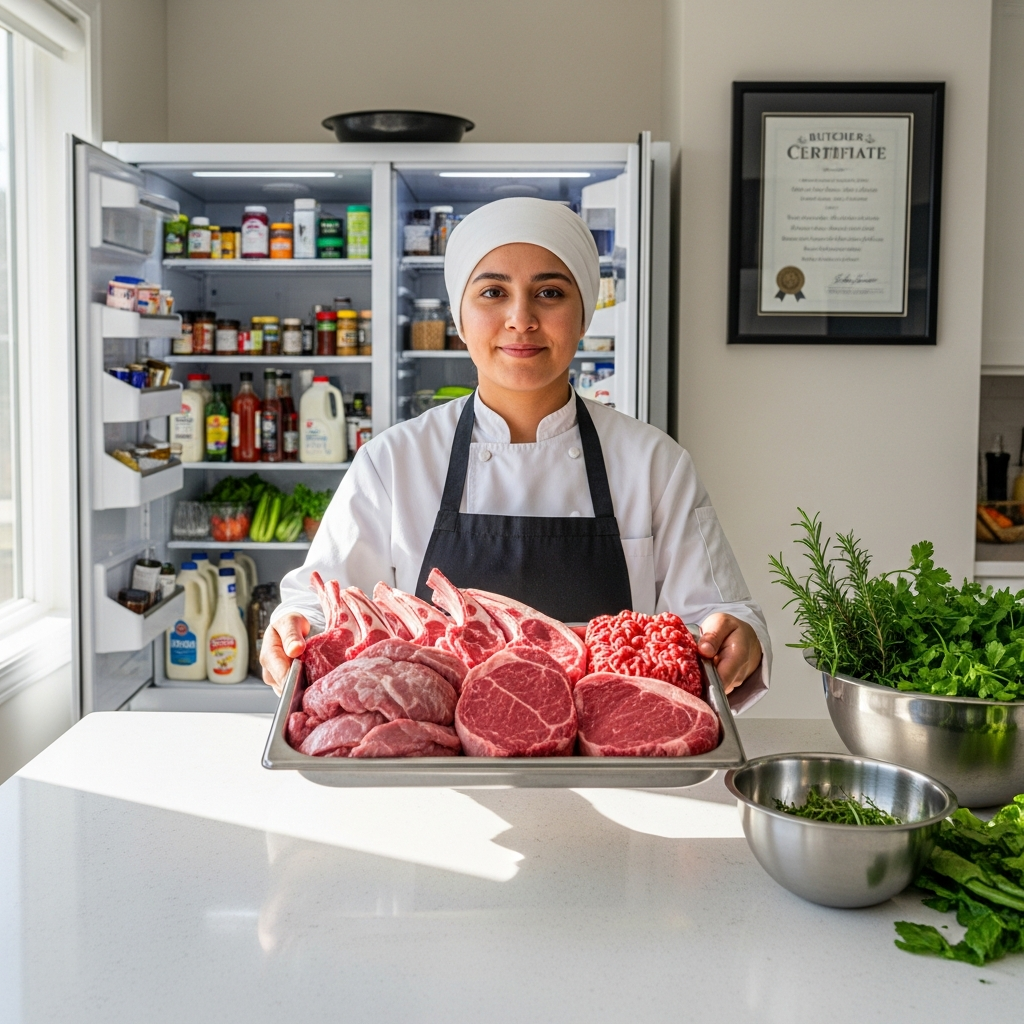
As you compare options during your weekly errands, pay attention to how confidently a team can explain handling and sourcing. In my experience, the most reliable departments are the ones that invite you to look closely at color, smell, and cut quality—and that welcome feedback. Mid-week restocks, clear date labels, and courteous guidance on which cuts suit which cooking methods are the kinds of small signals that add up to real trust. When a shop pairs that care with a strong selection of halal meat, your meal planning becomes both easier and more satisfying.
Community, Culture, and Shared Tables
Naperville is at its best when we gather across cultures. Halal fits beautifully into that picture because it solves for inclusivity without sacrificing flavor. If you have ever planned a school potluck or workplace lunch, you know how helpful it is to serve food that everyone can enjoy with confidence. Offering halal options is a gesture of respect that also broadens the culinary palette for the whole group. Suddenly, shawarma nights lead to spice conversations, and a simple biryani becomes a lesson in family history and technique.
Those social benefits carry into daily life. Neighbors swap marinades, friends trade recipes, and grocery runs become small acts of bridge-building. In a city proud of its libraries, parks, and festivals, halal encourages another kind of civic pride: feeding one another well.
Environmental and Local Economy Considerations
Ethics in food are rarely isolated. Many halal-conscious buyers also ask about sustainability, transport distances, and waste reduction. While halal is not automatically organic or local, its emphasis on deliberate handling often overlaps with producers who care about land and animals. In Naperville’s market ecosystem, that mindset supports butchers who trim carefully, stock smartly, and help you pick the right quantity so less goes to waste. It also supports local food professionals—from delivery drivers to cooks—who are proud to be part of a principled chain.
When residents vote with their carts, they encourage more stores to expand certified offerings and maintain high standards. That is how a community nudges industry forward: through informed, steady demand for products that match our values. Over time, improved handling and clear labeling become the norm, not the exception.
Cooking Confidence: Techniques That Let Halal Shine
For weeknight success, pat your cuts dry before seasoning to promote browning. Give steaks and chops a few minutes at room temperature to ensure even cooking. When roasting chicken, preheat your pan so the thighs sizzle on contact and render properly. If you are simmering a stew, resist the urge to rush; halal beef rewards patient braising, releasing deep flavor without greasiness. And when grilling, rest the meat after cooking so juices redistribute and slices stay succulent. These techniques matter to any cook, but halal’s clean start magnifies every improvement.
For families juggling busy schedules—school pickups, sports practices, and commutes along Route 59—batch marinating can be a lifesaver. Portion chicken into freezer bags with yogurt, lemon, garlic, and spices; freeze flat for easy thawing. When you are ready, cook straight on a sheet pan with vegetables. Small systems like this extend the convenience and health benefits of halal into everyday life without extra stress.
Common Misconceptions, Clarified
Some folks assume halal is a niche choice only for religious households. In fact, it is a quality choice for anyone who values humane treatment, transparent handling, and clean flavor. Others think halal and kosher are identical. While they share an ethical emphasis and certain crossover principles, each follows its own scriptural guidance and certification systems. Another myth is that halal automatically guarantees antibiotic-free or organic. Not necessarily—those are separate attributes—but halal’s culture of accountability pairs well with thoughtful sourcing, and many providers voluntarily pursue multiple best practices.
The final misconception I often hear is that halal cooking is bound to a specific spice set or cuisine. In reality, halal is a method of preparation and care, not a culinary straitjacket. Your favorite Italian meatballs, Korean bulgogi, or Midwestern chili can all be halal when made from properly sourced meat. That flexibility is one of the best reasons households across Naperville have embraced it.
How Naperville Shoppers Put It All Together
Putting values into action can be as simple as dedicating one night a week to a meal that celebrates ethics and flavor. Try a fragrant rice pilaf with seared halal lamb, or a colorful taco night built around cumin-coriander chicken. Invite neighbors and let the food start the conversation. Ask your butcher for lesser-known cuts that fit your budget and style; halal standards apply across the case, not just to premium steaks. When questions come up about sourcing or handling, lean into them—your curiosity improves the market for everyone.
Over time, these small choices add up. Households cook more confidently, kids grow familiar with new flavors, and gatherings feel more inclusive. The personal becomes communal, and Naperville becomes an even better place to eat and live.
Frequently Asked Questions
Is halal meat healthier than conventional options?
Health depends on many factors, but halal’s emphasis on cleanliness, animal wellbeing, and thorough blood drainage contributes to a product many people find cleaner-tasting and easier to digest. When paired with good refrigeration, careful cooking, and balanced sides, halal can be a very health-forward choice for families.
Does halal slaughter ensure humane treatment?
Halal requires that animals be healthy and handled with care. The method is designed to be quick and performed by trained professionals to minimize suffering. While standards can vary by producer, a reputable halal counter can explain its process and certifications in detail.
Is halal the same as organic or antibiotic-free?
No. Halal addresses permissibility, humane handling, and specific slaughter practices. Organic, grass-fed, or antibiotic-free are separate attributes. Many providers pursue several standards together, but it is important to read labels and talk with staff to understand each product’s profile.
How can I verify halal sourcing locally?
In Naperville, ask your butcher about certificates, suppliers, and how they prevent cross-contamination. Reputable teams will answer clearly and welcome follow-up questions. Visible freshness, clean prep areas, and confident guidance are additional good signs.
Will halal meat taste different in my favorite recipes?
Most home cooks report brighter, cleaner flavors and better browning. Because handling is deliberate, marinades absorb well, and textures stay satisfying across grilling, roasting, and stewing. Your existing recipes should translate easily, often with improved results.
What cuts should I try first?
Start with familiar options like chicken thighs, ground beef, and boneless lamb leg. As you gain confidence, explore shoulder cuts for slow cooking and bone-in chicken for rich soups. Your butcher can match cuts to the cooking methods you enjoy most.
Bring Home Integrity and Flavor
If you are ready to cook with confidence and values you can taste, explore Naperville’s best selections of halal meat today. Ask questions at the counter, plan a meal that brings friends together, and enjoy how good food feels when it is raised and handled with care.