
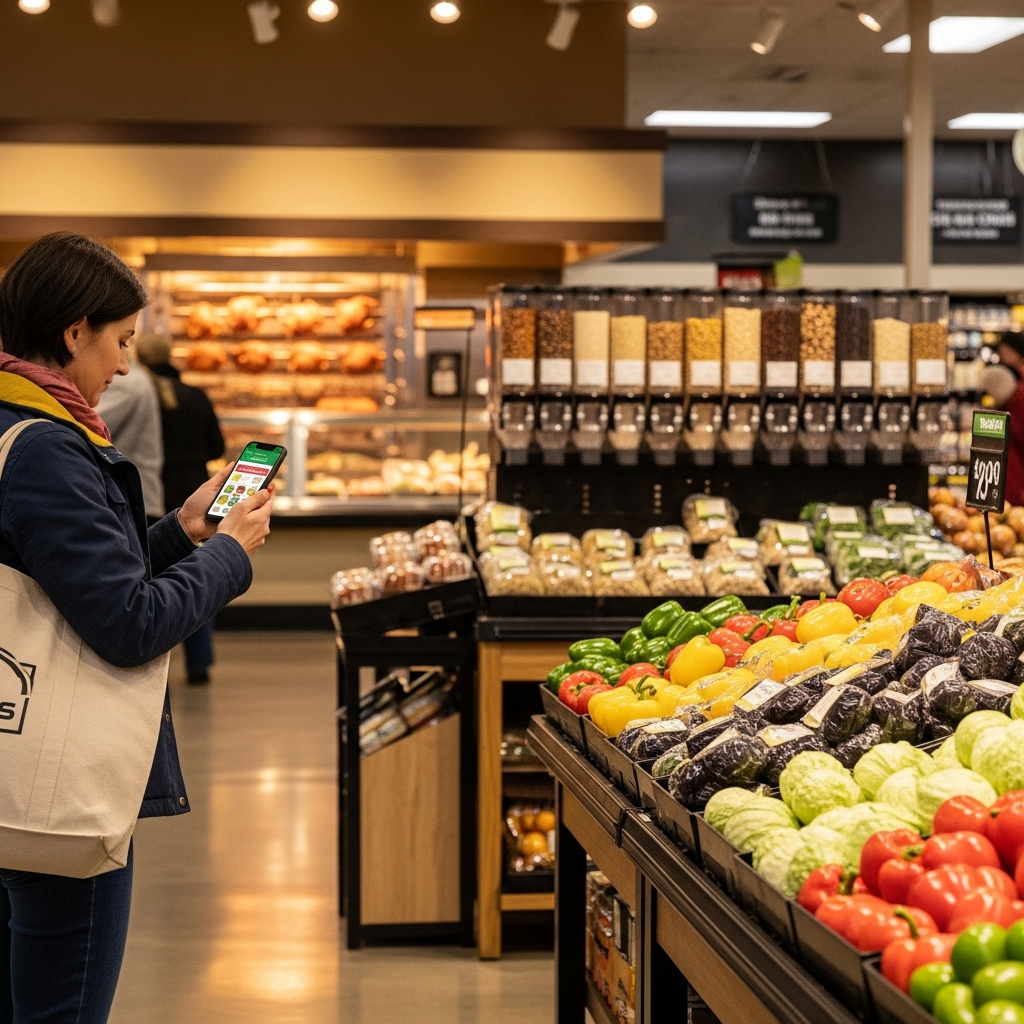
Ask anyone who keeps a close eye on their household budget in Naperville and they will tell you that a well-run supermarket is more than a place to grab groceries—it is a toolkit for living well without overspending. From north of Ogden to the neighborhoods near 95th Street, residents are learning to make the most of weekly rhythms, seasonal produce, and smart pantry strategies to stretch every dollar further. Early in the week, a quick scan of the store circular and a look at curated weekly deals can frame an entire meal plan, but the real magic happens when you combine those highlights with local know-how about traffic patterns, community events, and even the way weather shifts the produce aisle.
As someone who has shopped Naperville supermarkets for years, I have learned that budgeting success is rarely about a single trick; it is a mosaic of small, repeatable habits. Choosing a store brand for pantry staples, catching a midweek produce special, and organizing the week’s meals around what is fresh and abundant all add up. You can feel the difference on a Thursday evening when dinner practically assembles itself and your fridge looks purposeful rather than chaotic.
It also helps that Naperville shoppers, by and large, value quality. We want crisp greens, flavorful fruit, and dependable proteins, and we want them to fit within our spending targets. That is why the most reliable savings in town tend to come from planning for freshness, reducing waste, and taking advantage of a store’s best seasonal variety. When your kitchen becomes an extension of the market—rotating items in and out with intent—your budget benefits every single week.
How supermarkets stretch a Naperville budget
Supermarkets in Naperville are designed to serve families with busy calendars, professionals with long commutes, and students finding their footing in new apartments. That breadth is a budgeting advantage. Think about the sections engineered for quick wins: the rotisserie counter that anchors multiple meals, the bulk bins for exact quantities, the spice aisle that allows you to buy a small jar instead of an oversized container that will sit for months. When you move through a store with a list in one hand and a sense of purpose, your total is less about impulse and more about intention.
Store layouts also reward shoppers who notice patterns. Bakery specials often run early in the day; prepared foods may be most abundant shortly before dinner. If you build your routine around these predictable cycles, you will consistently find fresh options that suit your plan. Beyond timing, a supermarket’s variety enables substitutions that keep meals satisfying without straining the budget—think chicken thighs for chicken breasts, or a sturdy seasonal green instead of a delicate one out of its prime.
Meal planning that fits real Naperville schedules
Meal planning is not about drafting a rigid script; it is about making space for life’s curveballs. In Naperville, weeknights might include a soccer practice at Commissioners Park, a music lesson on Aurora Avenue, or a late arrival on the BNSF line. A flexible plan anticipates those realities: two quick-cook dinners, one slow-simmer option that yields leftovers, and a pantry-based fallback like pasta with a bright, vegetable-forward sauce. When your plan has this elastic quality, it can bend without breaking, and that is when you save the most—because you are not scrambling for last-minute fixes.
I like to sketch the week on a notepad: anchor meals on the busiest days, slot an experiment or new recipe when I know I have time, and earmark a “use-it-up” night to catch any produce that is nearing its peak. The beauty of the supermarket is that it supports each of these modes. You can grab pre-cut vegetables to shave minutes off prep, pick up a small cut of a new-to-you protein to test a recipe without overcommitting, and rely on the international aisle to bring fresh flavors to pantry standbys.
Mastering store brands and smart substitutions
One of the most dependable ways to improve a budget is to evaluate store brands with an open mind. Many Naperville shoppers are pleasantly surprised to discover that a store’s own label matches or exceeds the quality of national brands in categories like canned tomatoes, oats, pasta, and dairy. A smart approach is to run your own household taste tests on a few items each month and note which ones hold up in your favorite recipes. If the quality meets your expectations, make the switch permanent and pocket the savings week after week.
Substitutions are the companion skill to brand exploration. If a recipe calls for a specific ingredient that is not in season or not featured that week, look for a sturdy cousin. Swap out delicate spinach for kale in soups, trade peaches for nectarines in a crisp, or let lentils stand in for a portion of ground meat in a chili. Substitution does not just rescue a plan; it often makes the meal more interesting. Over time, your mental pantry becomes nimble, and you begin to see the supermarket as a palette rather than a list.
Seasonal and regional choices that pay off
Naperville’s proximity to rich Midwestern farms means that seasonal shopping can be both delicious and budget-savvy. When peppers, squash, apples, or sweet corn come into their prime, the quality rises right alongside the value. Building meals around what looks best in the produce section is an efficient way to keep costs in line while elevating flavor. In late summer, I build a week around tomatoes, basil, and crusty bread, then give myself permission to enjoy variations on that theme—panzanella one night, a simple pasta the next, a roasted tomato soup toward the end of the week.
It also helps to watch the middle-of-the-week shifts, which often include standout produce or pantry promotions. A quick check of curated weekly deals midweek can point you toward a few high-impact ingredients. If Brussels sprouts are highlighted, plan for a sheet-pan dinner that roasts them alongside a hearty protein and a tray of cubed potatoes. If citrus is shining, build a vinaigrette, a marinade, and a simple dessert around that one bright note. In practice, this means fewer ingredients doing more work, and that is the essence of thrifty, satisfying cooking.
When seasonal abundance is really rolling, buy modestly beyond your immediate needs and preserve the excess in simple ways. Freeze berries in a single layer, tuck blanched green beans into labeled bags, or turn peak tomatoes into a quick sauce for later. The trick is to be realistic about your freezer space and your future schedule; set a calendar reminder to use those items so they become planned assets rather than forgotten artifacts.
Reduce waste, save more
Food waste is the budget’s quiet enemy. A few habits safeguard against it. First, store produce with intention. Put a damp towel around greens, stand asparagus in a bit of water, and keep ethylene-sensitive items apart from those that speed ripening. Second, label leftovers with the date and a few words about what is inside. Third, place a small “eat first” bin in your refrigerator so that tonight’s sides come together from yesterday’s partial onion, the last of the roasted carrots, or that half cup of rice waiting patiently.
On weekends, I often dedicate a half hour to fridge triage. Anything that is on the edge becomes soup, frittata, or fried rice. It is less about perfection and more about clearing paths for the week ahead. The deli and bakery can help here too: turn day-old bread into croutons or breadcrumbs, and stretch roasted chicken into a broth that anchors two weeknight meals. Waste prevented is money saved, and it also fosters a calmer, more confident kitchen.
Shopping cadence and route strategy
Budget-friendly shopping in Naperville benefits from a rhythm. Many households do one large trip and one small top-off each week; others do two medium trips timed around activities. Aim to shop when you are not rushed or hungry, and choose a route that supports your plan. In winter, when roads can be slick and temperatures sharp, consider consolidating errands so frozen items do not spend extra time in the car. In summer, keep a cooler in the trunk to protect dairy and meat during hot afternoons, especially if your route includes other stops.
Inside the store, begin in produce rather than starting with center aisles where temptations live. Let the freshest items set the tone for your list. Then move through proteins, dairy, and bakery with your plan in mind. If you pass an appealing promotion that fits your plan, say yes; if it would derail the week, leave it for next time. That disciplined flexibility is the hallmark of savvy shoppers in town.
Healthy eating without overspending
A budget is strongest when it supports your well-being. Happily, the supermarket makes that alignment possible. Beans, whole grains, eggs, yogurt, and an assortment of in-season fruits and vegetables can carry a week’s menu with color and variety. Think bowls layered with grains, greens, roasted vegetables, and a protein; think soups that transform from hearty to light with the twist of a lemon; think salads anchored by beans or lentils instead of pricey add-ons. When your cart reflects balance, your meals deliver energy without draining resources.
A practical approach is to choose two or three nutritional anchors each week and build around them. If oats are on your list, plan sweet and savory versions for breakfast. If cabbage is looking good, you can rely on it for slaws, stir-fries, and braises. If you bring home a big tub of yogurt, earmark it for breakfasts, sauces, and marinades. This kind of cross-utilization means fewer ingredients, less waste, and, over time, a much friendlier bottom line.
Budgeting for families, students, and seniors
Different life stages call for tailored strategies. Families racing between schools and practices benefit from batch cooking on Sundays and simple, build-your-own meals—taco bars, baked potato bars, and DIY grain bowls—assembled from a few core components. College students and young professionals do well with small-format cooking and versatile staples like eggs, tortillas, and canned beans. Seniors often prefer smaller quantities, high flavor, and items that are easy to portion and freeze. The supermarket serves each group beautifully when you let the aisles meet your specific needs.
For multigenerational households common in parts of Naperville, a shared calendar for meals prevents overbuying and encourages collaboration. If one person is shopping, another can be prepping a pot of soup or marinating a protein. Communicate about what is running low and what is already stocked. When households function as small teams, the supermarket becomes a resource everyone knows how to use well.
Pulling it all together
Here is how a typical, budget-friendly week might look. On Sunday, you check the fridge and pantry, glance over a few recipes you want to try, and skim highlighted weekly deals to see what aligns. You write a plan that includes a slow-cooker meal for your busiest night, a sheet-pan dinner, and one flexible dish that can absorb leftovers. You buy seasonal produce that looks fantastic and a couple of pantry staples to replenish what you used last week. Midweek, you do a short top-off to grab milk and a high-impact vegetable or fruit. By Friday, your fridge looks purposeful and light, and you have one or two items tucked in the freezer to ease next week’s planning.
Over time, this rhythm becomes second nature. You spend less energy deciding what to cook, and your meals reflect your intentions rather than the emergencies of the day. That is the quiet miracle of a supermarket used well in Naperville: it turns a necessary errand into a foundation for healthier, happier, more affordable living.
What day of the week is best for finding fresh options?
It can vary by store, but many Naperville supermarkets are well stocked early in the week and again before the weekend. If you like a calmer shopping experience, mid-morning on weekdays offers a good balance of selection and space. The key is to observe your preferred store’s rhythm for a couple of weeks and time your visits accordingly.
How can I avoid impulse buys without feeling deprived?
Shop with a flexible list that includes a few “wildcards,” such as one fruit, one vegetable, or one snack of your choice. That way you enjoy spontaneity within a boundary. Eat before you shop, move through produce first, and save center aisles for last so your cart already reflects your plan by the time you reach them.
Are store brands really comparable to national brands?
In many categories, yes. Conduct your own taste tests on staples you use weekly—canned tomatoes, pasta, dairy, oats—and switch permanently when quality meets or exceeds your expectations. If you are hesitant, blend half store brand and half national brand in a recipe as a bridge step.
What is the smartest way to buy in bulk without waste?
Buy bulk items that match your household’s actual pace of use and storage capacity. Grains, beans, nuts, and baking basics store well, especially if you have airtight containers. For perishable bulk buys, plan multiple recipes that share the ingredient and freeze portions immediately so they are assets rather than obligations.
How do I keep produce fresh longer?
Store greens with a lightly damp cloth, keep herbs in a jar with water like a bouquet, separate ethylene-producing items from sensitive ones, and use clear bins labeled “eat first” to guide your nightly sides. A short weekly “fridge triage” session turns near-the-edge produce into soups, frittatas, or stir-fries before it is lost.
What if my household has varied tastes or dietary needs?
Build meals from shared bases—grains, greens, roasted vegetables—and offer a couple of simple add-ons so everyone customizes their plate. This approach respects preferences without multiplying your ingredient list, and it allows you to buy larger quantities of the shared components for better efficiency.
Shop smarter in Naperville today
If you are ready to turn supermarket trips into real momentum for your household budget, start with a short plan, a calm time of day, and an eye for seasonal abundance. Keep your cart focused, protect your time, and celebrate small wins as they stack up week after week. When you want inspiration for a midweek refresh or a weekend anchor, explore curated weekly deals, then build meals that make those highlights shine. Your kitchen—and your budget—will thank you.