
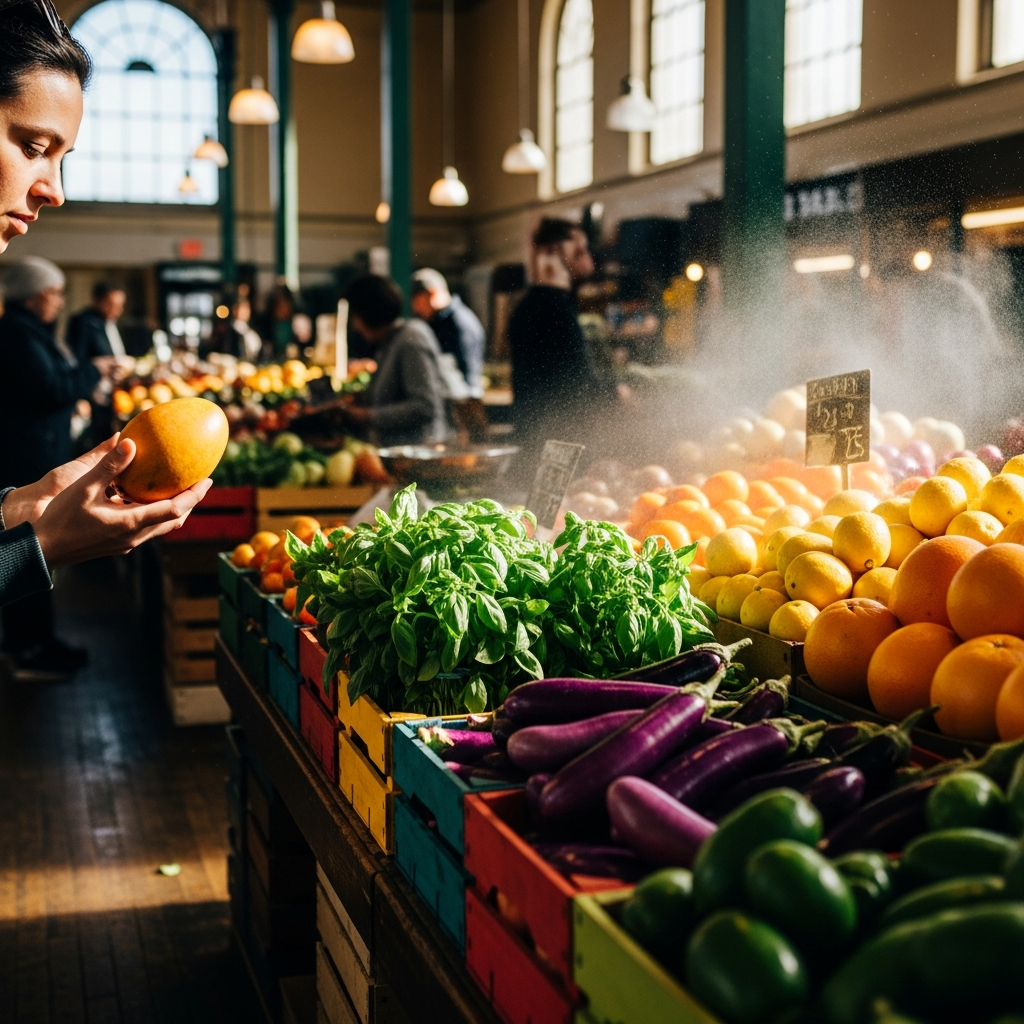
When friends ask me where I find the freshest fruits and vegetables in Naperville, I always end up telling a story rather than offering a single sentence. That is because an international market here is more than a place to buy lettuce and lemons; it is a crossroads where seasons, cultures, and everyday routines meet. On any given afternoon, you will see a family comparing the fragrance of different mangos, a home cook weighing the merits of basil versus Thai holy basil for a noodle dish, and a student discovering that there are at least four kinds of eggplant beyond the standard American globe. The produce section is a living atlas, and you can taste the world without leaving town.
Early in your visit, it helps to give yourself a few minutes to simply look and breathe. Produce at an international market is displayed with a kind of confident abundance, and the aromas of cut herbs and ripe fruit guide you through the aisles. If you are planning meals for the week, you can make the most of seasonal offerings by glancing at weekly deals before you arrive, then letting your senses lead once you are inside. I like to walk one slow lap around the perimeter first, noting which items are peaking in color and scent, and which bins are replenished most often by the staff—both good signs of freshness.
A local’s perspective on fresh produce in Naperville
Living in Naperville means we experience distinct seasons, and you can feel those rhythms in the market. In late spring, the first delicate herbs roll in, and the greens look so lively they nearly curl under the misting sprays. Summer is lush with stone fruit—peaches, plums, apricots—and peppers that range from sweet to bravely hot. Autumn brings its own palette of squashes, roots, and apples, while winter shines with citrus and sturdy greens. What makes the international market special is that alongside these Midwestern cycles, you find specialties from multiple culinary traditions that peak at different times around the world. That is why, in the same trip, you might see fresh lychees alongside local cucumbers or glossy poblano peppers next to bok choy and tatsoi.
Over the years, I have learned to shop with a short list and an open mind. My list keeps me from forgetting the essentials for dinner, but I always leave space for a couple of discoveries. Recently, a crate of long, slim Chinese eggplants caught my eye. They were firm with a gentle sheen, and the vendor suggested a quick stir-fry with garlic chives. Next to them, I found fat bundles of cilantro with roots still attached—ideal for making a flavorful sauce. That combination ended up turning a simple weeknight meal into something memorable, and it started with paying close attention to what looked vibrant that day.
What “fresh” really looks, feels, and smells like
Fresh produce tells its own story if you let it. Leafy greens should feel cool and snappy, with no wilting at the edges. Herbs should release a clean, bright aroma when you lightly rub a leaf between your fingers. For fruit, weight is your friend; a surprisingly heavy lemon or mango often means deep juiciness. Tomatoes should smell like the plant itself when you bring them close to your nose, and avocados will yield very slightly to a careful press at the stem end when they are ready for slicing. At an international market, you often have access to varieties that ripen differently than you might expect, so do not hesitate to ask the staff for a quick tip. I have had helpful conversations about when to cut open a jackfruit pod, how to store fresh turmeric, and whether to choose green or yellow plantains for the dish I had in mind.
Another sign of freshness is turnover. If you notice employees steadily restocking a display and rotating items forward, that is a sign that the produce is moving quickly through the store. The misting systems over the greens also matter; while they keep leaves crisp, the best markets adjust the timing to avoid waterlogging tender items. I like to watch for crisp stems on leafy vegetables and the clean slice marks where bunches have been trimmed—details that tell you the produce has been handled with care.
Navigating the produce aisle with purpose
Start with your anchor ingredients, then build outward. If you have a gorgeous head of cauliflower in your basket, consider what would frame it: flat-leaf parsley for a herbaceous accent, a couple of lemons for zest and juice, and perhaps pomegranate seeds if they look bright and intact. If you find a pile of just-ripe Roma tomatoes, you can plan around fresh basil, red onions, and a pepper with mild heat to make a robust salsa or a fast pasta sauce. This approach works beautifully across cuisines. A box of strawberries might become a Thai-inspired salad with mint and lime one evening and a simple yogurt topping the next.
The layout itself can guide you. Root vegetables and hardier items often sit closer to the entrance, where they can handle a bit of temperature fluctuation. Delicate greens and herbs hug the misting zones, while tropical fruits tend to gather where air circulation is strongest. Watch where the staff places new arrivals; those spots tell you what they are proud of that day. I always pass by the herb wall twice—once early to see what is freshest, and once again before checking out to grab the exact bunches that will round out the week.
Global produce, local tables
One of the joys of shopping at an international market in Naperville is encountering produce that unlocks flavor memories from around the globe. Thai basil looks similar to sweet basil, but its peppery, anise-like fragrance thrives in stir-fries and curries. Shiso leaves can turn a simple cucumber salad into a layered, refreshing side. Fresh turmeric adds golden color and warm citrus notes to roasted vegetables, while galangal offers a sharper, almost piney aroma that is perfect for soup bases. I once stumbled upon bunches of epazote near the peppers; a staff member explained how it complements beans and adds character to quesadillas.
Do not overlook the varieties of chiles. Beyond jalapeños and serranos, you might see poblanos, Fresno chiles, long hot peppers, Scotch bonnets, and bird’s eye chiles. Each has a distinct flavor profile, and pairing them with the right dish makes all the difference. Poblanos roast beautifully and give body to sauces; Fresno chiles bring a bright, fruity heat; and bird’s eye chiles sear through rich coconut milk with a clean, focused spice. In the same spirit, look for Chinese long beans, opo squash, chayote, taro root, and cassava. These ingredients can transform familiar recipes or inspire completely new ones.
Then there are the fruits that announce themselves with perfume before you even spot them. Guavas can fill an aisle with tropical fragrance when they are just right. Mangos vary widely; Ataulfo mangos, small and golden, have creamy flesh with gentle acidity, while Kent and Haden varieties tend to be larger and juicier with more pronounced tang. Lychees, when in season, have a rosy hue and translucent flesh that snaps sweetly. I like to pair tropical fruits with something local and crisp—sliced cucumbers, radishes, or apples—to make a balanced snack plate that pleases a range of palates at home.
Seasonality and smart planning
Seasonal awareness helps you bring home the best quality and reduce waste. Think of a simple routine: a fruit for immediate eating, a couple of vegetables for fast cooking, and one special item that encourages you to try something new. In summer, that might mean tomatoes ready for slicing, green beans for a quick sauté, and a specialty like fresh okra or bitter melon. In winter, consider citrus you can peel and eat, sturdy greens for soups, and a special item like kabocha squash. If you are feeding a family with different tastes, mix textures and colors so that every plate looks inviting.
Planning does not have to be rigid. I keep a mental map of a few go-to meals that adapt to whatever is freshest: a stir-fry template that works with any tender green, a roasting pan formula for roots and brassicas, and a raw salad base that can handle everything from thin-sliced fennel to shaved Brussels sprouts. These flexible ideas help you put produce to work quickly on weeknights without feeling like you are repeating yourself.
Midweek is often when I check on what I bought over the weekend, triaging the ripest items to the front of the refrigerator. Herbs get special care—stems trimmed, leaves loosely wrapped, and placed in a jar with a splash of water—so they maintain their snap. Tomatoes that are almost there stay on the counter to finish. Greens get spun dry and packed with paper towels. A little attention in the first day or two stretches freshness remarkably and keeps your culinary options open.
Connecting the middle of your week to the middle of the market
Somewhere between the initial excitement of shopping and the Friday night sigh of relief, your week will ask for quick decisions. That is where the middle of the market becomes your ally. Fresh noodles, tofu, and prepared sauces usually sit near the produce section, ready to amplify a basket of vegetables into dinner. A couple of handfuls of snap peas, a bunch of scallions, and a package of firm tofu can become a full meal in minutes. If you want to time your produce runs around rotating specials, it never hurts to revisit the store’s current highlights; peeking at weekly deals midweek can nudge you toward what is especially abundant, and abundance often translates to peak freshness.
Do not underestimate the value of conversation. The clerks who handle the produce daily know which mangos arrived that morning and which lettuces came in the previous day. They can suggest whether to choose green plantains for a savory fry-up or the speckled, riper ones for a sweeter dish. Over time, these small exchanges turn into a personal education. You will learn that cilantro with roots attached keeps longer, that baby bok choy cooks more evenly when halved lengthwise, and that radishes wake up when stored with a little moisture on their leaves.
From basket to kitchen: turning finds into meals
Everything in the cart should have a destination. If you fell in love with a head of napa cabbage, imagine it in stages: a crisp salad on day one, a hot pot on day three, and a sauté with garlic on day five. Tomatoes can become a bright salad with cucumbers at the start of the week and a roasted tray with onions toward the end. Plantains can carry you through snacks and sides depending on ripeness. When you arrange produce at home, group it by urgency: what must be eaten soon, what is at its peak in a day or two, and what will hold until the weekend. This tiny habit ensures that nothing languishes and that your meals feel consistently fresh.
Pairing produce with pantry items magnifies your options. A can of chickpeas turns a bunch of spinach and a tomato into dinner. Rice noodles meet carrots, bell peppers, and herbs with ease. Yogurt blends with cucumbers and mint for a cool sauce. And do not forget the power of citrus; lemons and limes lift flavors across cuisines, brightening roasted vegetables and dressing fruit salads without much effort.
Shopping with family and cooking for real life
If you shop with kids, let them choose one new fruit or vegetable each time. A child who selects a dragon fruit or a bundle of rainbow chard is more likely to try it at the table. At home, turn preparation into a shared ritual: wash, spin, and arrange produce where everyone can see it. A bowl of washed grapes on the counter disappears faster than grapes hidden in the crisper. Sliced cucumbers next to a small dish of salt become an instant snack before dinner.
For those nights when time is scarce, think in building blocks. Pre-chop a trio of aromatics—ginger, garlic, and scallions—and keep them ready. Roast a tray of mixed vegetables at the start of the week; they reheat and combine beautifully with grains or eggs. Keep a simple dressing on hand, bright with citrus and a touch of sweetness, to wake up lettuce and herbs. These habits marry well with the bounty from an international market, where the produce encourages variety without demanding elaborate technique.
Respecting the growers and reducing waste
Every crisp bean and fragrant herb began with a grower who cared for it, and you can honor that work by buying responsibly. Take only what you will use, handle fragile items gently, and store them properly at home. If you find yourself with too much of something, cook and share. A pot of vegetable soup or a platter of roasted roots turns surplus into generosity. You can also explore quick preservation methods—freezing chopped scallions, making a small jar of pickled radishes, or blending ripe tomatoes into a sauce for later in the week. Waste less, enjoy more, and your grocery budget will feel lighter without ever mentioning numbers.
Frequently asked questions
What is the best time to shop for the freshest produce?
Early in the day tends to be the calmest, and you will often find the displays newly replenished. That said, turnover can remain strong throughout the day at a busy international market. If you prefer quieter aisles, weekdays in the morning or early afternoon are reliable. When in doubt, ask a staff member when the latest shipment of a particular item arrived so you can plan your visit accordingly.
How do I choose a ripe mango, avocado, or melon?
For mangos, look for fragrance and a slight give at the stem end rather than focusing on color alone. Avocados should yield gently to pressure near the top without feeling mushy. Melons benefit from a weight test and an aroma check; a ripe cantaloupe, for example, smells sweet near the blossom end. If you are unsure, the produce staff can tell you whether a fruit is ready for immediate eating or will ripen at home in a day or two.
Do international markets carry organic options?
Many do, and they often label organic items clearly. You will also see produce grown with different methods and from a range of regions. If organic selection matters for a particular item, check the signage and ask a clerk if you do not see what you want. Variety is a hallmark of international markets, and that variety often includes organic greens, herbs, and fruits alongside conventional choices.
What is the best way to store delicate herbs and leafy greens?
Trim the ends, remove any wilted leaves, and store herbs upright in a jar with a little water, loosely covered. Leafy greens benefit from a thorough rinse, a spin dry, and breathable storage with a paper towel to absorb moisture. Keep tomatoes and bananas at room temperature until they are at peak; refrigerate only after they ripen if you want to slow further changes.
Can I ask staff to help me with unusual items?
Absolutely. One of the pleasures of shopping at an international market is the eagerness of staff and fellow shoppers to share tips. Ask how to peel a young coconut, what to do with galangal, or which pepper suits your tolerance for heat. You will often learn a simple preparation that lets the ingredient shine without a complicated recipe.
How do I build a week of meals around seasonal produce?
Pick a handful of versatile ingredients, then plan for quick transformations. A leafy green can become a salad one day and a sauté the next. A starchy vegetable can roast for dinner and turn into a breakfast hash. Combine fresh produce with reliable pantry items—beans, grains, noodles, eggs—and you will always have a path to dinner.
Is there a way to try something new without risking waste?
Buy small to start. Many markets sell produce by the piece or in small bundles, making it easy to experiment. Choose one new item per trip and pair it with familiar vegetables. Keep the preparation simple so you can taste what makes the ingredient unique. If you love it, scale up next time.
Plan your visit and bring home what inspires you
Naperville’s international market scene rewards curiosity and a relaxed pace. Give yourself time to look, smell, and ask questions. Let a handful of perfect tomatoes or a bright bunch of herbs set your dinner plans in motion. And when you are ready to make the most of what is in season, skim the current weekly deals, then head out with an open mind and an empty produce bag. Your kitchen will thank you with color, fragrance, and meals that feel as fresh as they taste.