
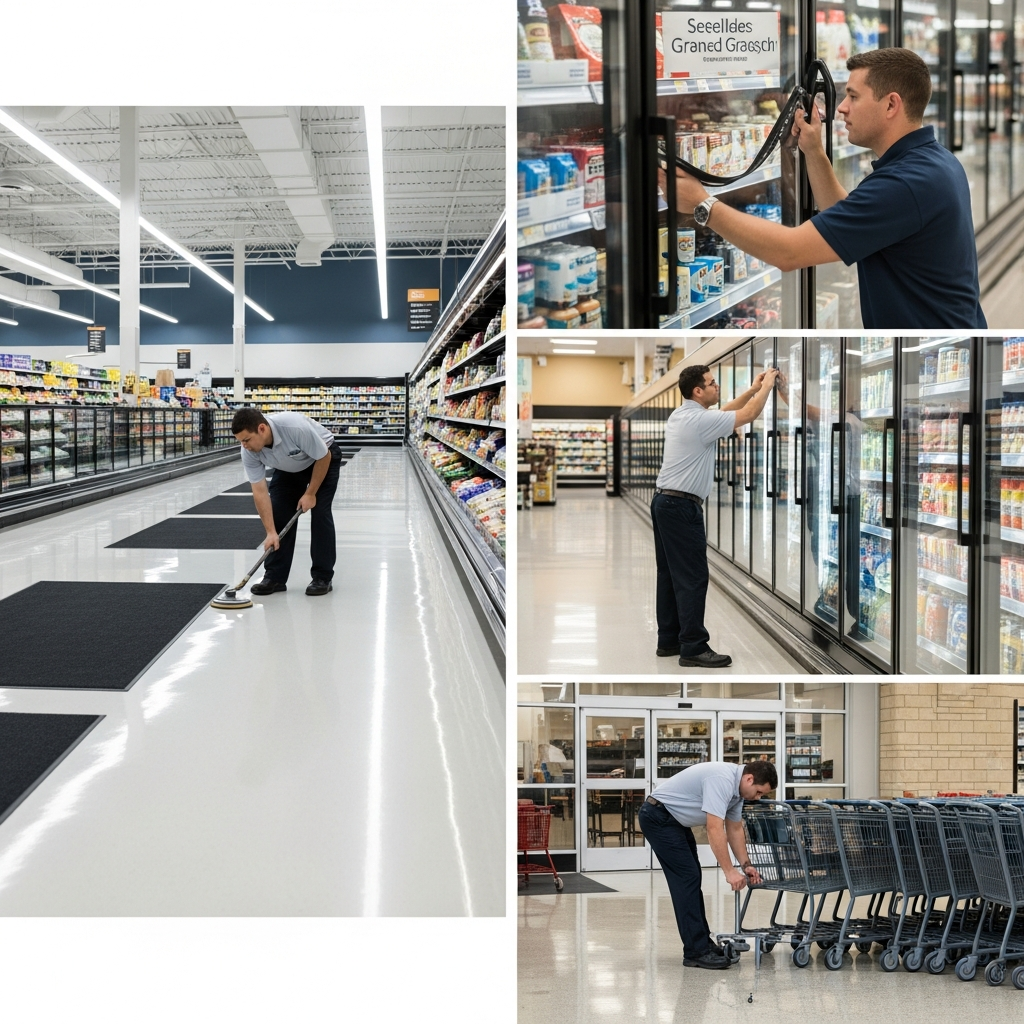
Running a great supermarket in Naperville requires more than sharp merchandising and friendly service. The most memorable stores feel effortless to shoppers because maintenance is invisible and constant. Floors shine after a slushy day. Refrigeration holds steady during a summer surge. Carts roll true, lights glow cleanly, and restrooms are spotless. Behind that calm surface is a disciplined operational rhythm—daily, weekly, and seasonal checklists that protect food safety, energy efficiency, and the shopper experience. For owners and managers fine-tuning their playbook, it also helps to think like a customer. Early in the week, when residents skim a few highlighted items—often guided by curated weekly deals—they picture a quick, confident trip. Maintenance either supports that expectation or undermines it.
Naperville’s climate adds complexity. Winter brings snow, ice, and salt that test entrances, mats, and floors. Spring storms challenge roofs and drains. Summer heat loads refrigeration and HVAC. Fall adds leaf debris to gutters and parking lots. A proactive program anticipates these pressures and resolves small issues before they become customer-facing problems.
Refrigeration: the backbone of food safety and freshness
Refrigerated cases, walk-ins, and reach-ins demand vigilant care. Keep condenser coils clean, gaskets intact, and doors aligned to prevent temperature drift. Establish a schedule for temperature logging that is frequent, consistent, and easy for staff to execute. Alarms should notify managers quickly when cases rise out of spec, and backup plans—moving product to a stable walk-in, calling service partners—must be rehearsed, not theoretical.
Defrost cycles and airflow deserve attention too. Overstocking cases blocks circulation and creates warm pockets that degrade product quality. Train teams to face and space items in ways that respect airflow while still presenting an abundant appearance. When product looks brilliant and holds its integrity through the day, shoppers build trust in every department connected to refrigeration: dairy, meat, seafood, produce, and frozen.
HVAC, lighting, and the comfort equation
Comfort drives dwell time and satisfaction. A well-balanced HVAC system prevents cold spots in frozen aisles and stuffiness near busy checkout areas. Replace filters on a strict schedule, check economizers, and calibrate thermostats to reflect real-world conditions. In winter, vestibules and air curtains reduce drafts at entrances; in summer, shading and tuned vents protect perishable displays near windows.
Lighting sets the mood and reveals your standards. LED retrofits cut energy use and sharpen color rendering, bringing produce to life and making labels easier to read. Keep lenses clean and replace burned-out bulbs immediately. A single dark fixture in a service case or restroom communicates neglect far louder than we realize.
Floors, mats, and entrances: first impressions and safety
In Naperville winters, the battle against moisture and salt is daily. Use high-quality scraper mats outside, absorbent mats inside, and rotate them through laundering so saturation does not turn mats into hazards. Train staff to spot-mop quickly and to place temporary caution signage without blocking traffic. Floor finish should be chosen for slip resistance and ease of cleaning, with periodic deep scrubs scheduled around traffic patterns.
Entrances deserve a weekly audit: door sweeps, closers, and sensors must function flawlessly. A misaligned automatic door frustrates shoppers and bleeds conditioned air. Keep glass spotless—fingerprints, smudges, and salt spray degrade the perception of cleanliness before a cart even rolls inside.
Carts, baskets, and mobility aids
Customers equate cart quality with store quality. Inspect wheels and bearings, tighten loose hardware, and remove damaged units from circulation immediately. Offer a range of cart sizes and ensure a steady supply of baskets near entrances and in produce. Provide well-maintained motorized carts and ensure batteries hold a full charge; place charging stations where staff can monitor them without obstructing foot traffic.
Hand sanitizing stations near cart corrals should be stocked and functional. It is a small touch with outsized customer impact, especially during peak cold and flu seasons when Naperville households are trying to avoid setbacks.
Restrooms, backrooms, and the unseen spaces
Restroom condition sets a baseline for perceived cleanliness. Establish a tight inspection cadence: replenishment, touchpoint disinfection, floor checks, and fixture function. Graffiti, loose hardware, or slow drains should trigger immediate work orders. In backrooms, safe stacking, clear aisles, and labeled zones keep staff efficient and reduce accidents. Cold dock doors must seal properly to protect the cold chain, and pest prevention should be an ongoing, documented program rather than a reactive call.
Staff areas deserve the same care as public ones. Clean, well-lit break rooms with working microwaves and refrigerators signal respect. When teams feel cared for, they extend that care to shoppers.
Front-end reliability: checkouts, POS, and queuing
Nothing erases a positive visit faster than a faltering checkout. Keep barcode scanners, scales, and receipt printers calibrated. Test payment devices regularly, and train staff on quick troubleshooting for common hiccups. When lines build, a well-practiced “all hands” response deploys managers and cross-trained associates to open lanes, bag, or guide traffic. Clear queue markers reduce friction and protect privacy at the pin pad.
Self-checkout requires sharp oversight. Attendants should scan the bank of stations constantly, intervening with friendly speed. Ensure that bagging areas read weights accurately so honest shoppers are not flagged for assistance unnecessarily. Post simple, legible instructions to shorten learning curves.
Signage, merchandising, and the weekly rhythm
Great signage reduces questions and sells product by clarifying choices. Price cards should be uniform, legible, and accurate, and promotional signs must come down when programs end. Cross-merchandising works best when it solves a dinner problem—pasta near sauces, grains next to beans, lemons by the fish counter. Seasonal storytelling invites shoppers to build a meal, not just buy an item.
Align merchandising with a predictable weekly beat. Early in the week, shoppers look for anchors for lunches and dinners. Midweek, they want a small refresh. Weekend displays can lean into family gatherings and quick entertaining. A short, bold sign referencing curated weekly deals directs attention without overwhelming the eye, and it invites customers to imagine meals rather than simply scanning shelves.
Food safety and quality control
Beyond refrigeration, adopt a culture of temperature verification. Use calibrated thermometers at receiving, document holding temperatures on the floor, and train staff to recognize early signs of spoilage—off odors, discoloration, or unusual textures. Rotate stock with first-in, first-out discipline, and schedule regular audits that include random checks of date codes.
Sampling is a trust builder when executed meticulously. Keep utensils single-use or sanitized between guests, protect displays with sneeze guards, and brief staff on allergen awareness. Clear ingredient cards respect shoppers with dietary needs and reduce liability.
Snow plans, storm readiness, and backup power
Weather is a constant character in Naperville operations. Before the first significant snowfall, confirm vendor agreements, salt inventory, and plow routes that protect pedestrian paths first. Keep shovels and ice melt staged at entrances for quick action. During heavy rain, inspect roof drains and downspouts to prevent pooling that leads to leaks.
Generator tests should follow a published schedule, with load checks that mirror actual usage. In a power event, communicate quickly with staff and customers about which departments remain operational and which are paused for safety. A calm, informed response preserves trust and minimizes product loss.
Training, culture, and continuous improvement
Training is the thread that ties maintenance together. Build short, frequent sessions into shift huddles so knowledge compounds. Celebrate teams that spot small problems early—a sweating case line, a flickering light, a mat creeping into an unsafe position. When staff take pride in details, the whole store shines.
Feedback loops close the gap between intention and reality. Invite associates to submit maintenance notes from every department, and recognize ideas that save time or improve safety. Encourage managers to walk the store as a customer would, noticing the journey from parking lot to cart to aisle to checkout to car.
Community standards and local expectations
Naperville shoppers notice and appreciate stores that operate with polish. Family-friendly restrooms with changing stations, clear allergen labeling at the bakery, and courteous help loading cars for seniors are not bells and whistles; they are table stakes for neighborhood loyalty. Cleanliness, reliability, and hospitality are amplified in a community where word of mouth travels quickly.
Small touches make the difference: a staff member who offers a paper towel at the entrance on a rainy day, a manager who walks a product to a customer instead of pointing, and an associate who proactively wipes a wet spot in frozen foods before anyone slips. These gestures flow naturally when maintenance is a culture rather than a checklist.
Frequently asked questions from store owners
Below are practical answers to the questions I hear most often from local operators.
How often should I schedule deep cleans on high-traffic floors?
Match the cadence to season and load. In winter, increase frequency to keep salt and moisture from degrading finish and safety. In milder months, focus on steady daily care with periodic scrubs based on traffic patterns.
What is the most common cause of inconsistent case temperatures?
Dirty condenser coils and blocked airflow top the list. Add coil cleaning to your monthly routine and train teams to avoid overpacking cases, which traps warm air and strains compressors.
How can I reduce checkout bottlenecks without adding lanes?
Fine-tune staffing by analyzing traffic by quarter-hour, cross-train associates for rapid deployment, and keep equipment calibrated. Small fixes—fresh receipt paper, responsive pin pads, and clear queue lines—create outsized improvements.
What should my storm readiness checklist include?
Confirm plow and salt plans, stage mats and caution signs, test the generator under load, verify roof and drain clearances, and brief staff on communication protocols. After the event, debrief and update the plan while details are fresh.
How do I keep restrooms consistently excellent?
Adopt a tight inspection loop with visible logs, empower any associate to submit immediate work orders, and stock backups for essentials in a locked but accessible cabinet. A spotless restroom telegraphs standards for the whole store.
What is the smartest way to signal promotions without clutter?
Use large, legible signs at decision points and keep messages simple: the item, the benefit, and the meal idea it supports. Reference curated weekly deals where relevant, and retire old signage as soon as programs end.
Make maintenance your competitive edge
When maintenance hums in the background, everything else becomes easier—merchandising lands, staff move confidently, and customers relax into a pleasant routine. Start with a clear seasonal plan, empower teams to act on what they see, and follow through with quick fixes that prevent small issues from becoming big ones. As you tune the details, remember what shoppers imagine when they plan a trip: an efficient visit, abundant displays, and a store that anticipates their needs. Deliver that consistently, and your reputation in Naperville will grow with every cart that rolls through your doors.