
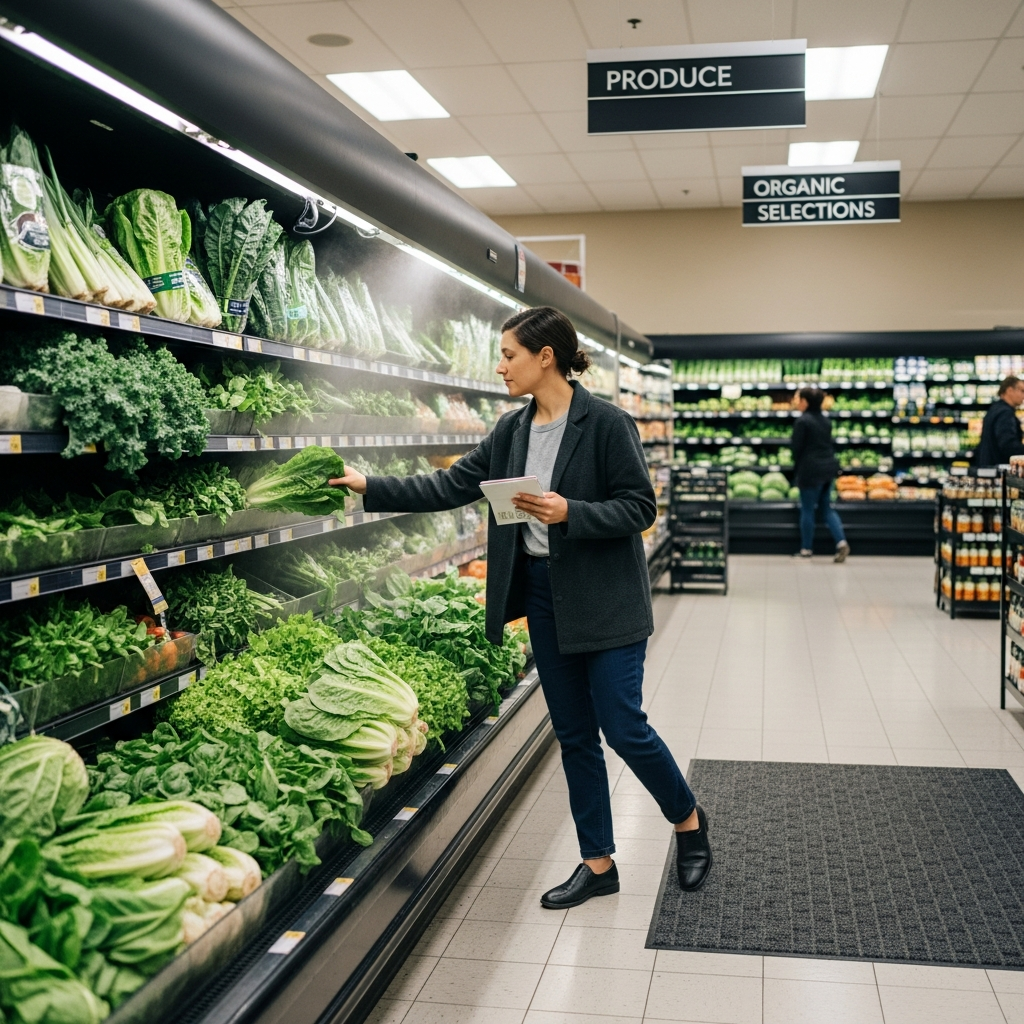
Even the most beloved supermarkets in Naperville encounter frictions that test a shopper’s patience. Parking lots fill just as school lets out, carts go missing in a rush of weekend errands, and a favorite ingredient can be elusive when home cooks have already planned around it. As a longtime shopper and neighbor, I have seen these moments from every angle, from early Saturday runs stacked with ambition to last-minute dashes before a storm rolls in. The good news is that most issues have practical solutions—habits, timing, and small strategies that help you shop with confidence. It often starts before you leave home: a short, flexible list anchored by seasonal ingredients and a quick scan of curated weekly deals to spot high-impact items you can build around.
When we look honestly at common pain points, we see patterns that are manageable with a bit of planning. Crowding, stockouts, confusing labels, long lines, and the occasional miscommunication at checkout each have a fix. The trick is to approach the store like a partner in your week rather than an obstacle course. With a calm plan, a sense of timing, and a few backup ideas in your pocket, even peak hours in Naperville can become workable.
Crowded parking lots and peak-hour traffic
Parking congestion is a fact of life near dinnertime and on weekend mornings. If you can, aim for mid-mornings on weekdays or late evenings when families are home and the aisles are calmer. When that is not an option, consider the “park once” strategy: choose a spot a bit farther from the entrance where foot and car traffic are lighter, and give yourself an extra five minutes. The walk is often faster and safer than circling for a space, and you arrive less frazzled.
In winter, remember that the plowed piles at the edges of lots can hide slick patches. Good footwear and a patient pace go a long way. Using a small insulated bag is smart too, especially if your errands include other stops. Those little adjustments keep perishables safe and your nerves steady.
Product outages and smart substitutions
Supply hiccups happen. A specific brand or size may be out when you arrive, even if it was available the day before. The key is to think in meal functions rather than strict items. If your plan calls for a leafy green, you might pivot to kale or chard instead of spinach. If you wanted a certain cut of chicken, ask the butcher for a comparable option. Maintaining a short list of substitutions at the bottom of your shopping note turns a roadblock into a detour rather than a dead end.
It also helps to shop with a two-tiered plan. Tier one: ideal ingredients. Tier two: acceptable swaps that keep the spirit of the recipe intact. Over time, this mindset makes you impervious to small outages. Your meals remain tasty and complete, and your stress level stays low.
Label confusion and dietary needs
Shoppers juggling allergies, sodium sensitivity, or sugar control can find labeling tricky. Packages compete for attention, and it is easy to miss important details. Slow down at the shelf for core items you buy repeatedly, and choose a brand whose labels you find clear. Once you trust a product, you save time and risk every week. When in doubt, ask a staff member for help locating low-sodium broths, whole-grain options, or items free of specific allergens.
Inside the store, look for simple signposting that groups nutritious choices in ways that make sense: whole grains gathered together, no-salt-added canned goods near their counterparts, plant-forward items placed at eye level. The more intuitive the layout, the easier it is to make choices aligned with your health goals and your recipes.
Long lines and checkout slowdowns
Peak-hour lines are probably the most visible frustration for Naperville shoppers. Two tactics ease the pinch. First, shop slightly off-peak. Fifteen minutes before the top of the hour often sees a lull as shoppers transition between errands. Second, assess lines not only by length but by cart composition. A shorter line with a few overfull carts might move more slowly than a slightly longer line with baskets and medium carts.
At self-checkout, scan heavy items first and place them directly in your cart after the system records their weight. Keep a steady rhythm rather than rushing. If a light blinks for assistance, take a breath. Attendants want to clear snags quickly, and a calm approach helps both of you.
Navigation challenges inside the store
Endcaps brimming with seasonal finds are exciting, but they can also complicate the flow if aisles get narrow. A simple fix is to structure your trip in two passes. First pass: produce and proteins while your energy is high. Second pass: pantry and household goods, where you can pause to compare labels without juggling fragile items. If you are shopping with kids, hand them the mission of spotting three things on the list; it turns distraction into engagement and keeps the trip moving.
Maps posted near entrances or on signage help you learn the layout after a renovation. When a familiar item has moved, do not hesitate to ask. Staff insights can save you five minutes of wandering, which adds up across a year of weekly trips.
Freshness concerns and storage at home
Sometimes the issue starts after you leave the store. Lettuce wilts, berries fade, and meat gets lost in the freezer. A few home habits make a difference. Store greens with a lightly damp cloth, keep herbs in a jar with water, and transfer berries to a breathable container. Label freezer-bound items with the date and the meal you intend to make: “chicken for pasta bake” is more motivating than a generic label. These cues help you use what you buy, which is the real heart of saving time and money.
On Sundays, a quick “prep sprint” turns raw ingredients into ready-to-cook components. Roast a tray of vegetables, wash and spin-dry greens, and cook a pot of grains. When Wednesday arrives and your energy dips, these prepared pieces collapse into dinner with almost no effort.
Communication slipups at service counters
A busy deli or bakery can feel like a game of telephone. Specific requests get garbled when the line is long and the clock is ticking. Prepare a short, clear description of what you need—“a half-pound, thinly sliced, please”—and confirm before you leave the counter. If something is off, a quick, friendly correction solves the issue on the spot.
Consider timing here too. Service counters are busiest right before dinner and on weekends. If your schedule allows, stopping by in the late morning gives you more attention and fewer distractions, which means your order is more likely to match exactly what you intended.
Kids, fatigue, and the mental side of shopping
Shopping while tired or managing small children amplifies every hurdle. Build in small comforts: a snack before you enter, a clear endpoint for the trip, and a promise to yourself that if energy flags, you will pivot to a simpler plan for dinner. Kids often embrace choice when it is bounded—let them pick the fruit for the week or choose a new vegetable to try. These micro-decisions turn potential meltdowns into small wins.
Be kind to your future self. Keep a couple of pantry-friendly meals on standby, and allow a night of leftovers without judgment. Strong shopping habits are not undermined by a single off evening; they are reinforced by consistency over months.
Budget alignment without nickel-and-diming
It is easy to overcorrect and turn budgeting into a grind. Instead, let a few standout items guide your plan while you maintain flexibility everywhere else. Build meals that cross-utilize ingredients so you shop for fewer unique items and get more value from each. A sauce that works for both roasted vegetables and a grain bowl, or a protein that becomes tacos one night and a salad topper the next, supports both flavor and efficiency.
A simple ritual helps: midweek, glance at curated weekly deals and see if one or two align with what you already have at home. If they do, great—swap them into your plan. If not, skip them this time. The point is to let promotions serve your plan, not drive it.
Weather swings and power blips
Naperville’s seasons can be dramatic. Storms and heat waves sometimes ripple into supply and operations. If bad weather is forecast, do a small, focused shop for essentials you know you will use. Keep a few shelf-stable backups like beans and grains on hand year-round. If the power flickers, a thermometer in the fridge and freezer helps you make safe, informed decisions about what to keep and what to discard.
After a storm, be patient with restocking. Staff are often working hard behind the scenes to bring order back quickly. A friendly attitude at the register recognizes that shared effort and makes the experience better for everyone.
Frequently asked questions from Naperville shoppers
Below are straightforward answers to the concerns I hear most often around town.
When is the least crowded time to shop?
Weekday mornings right after opening are typically calm, with a second lull on Tuesday or Wednesday mid-afternoon. Late evenings can be peaceful too, especially outside of holiday weeks.
How do I handle it when my key ingredient is out of stock?
Think in functions. If you wanted spinach, try kale or chard. If a specific cut of chicken is missing, ask the butcher for a comparable option. Keep a short list of tried-and-true swaps at the bottom of your shopping note.
What is the best way to avoid long lines?
Time your trip slightly off-peak and assess lines by cart composition rather than length. Self-checkout works well if you scan heavy items first and keep a steady rhythm. For large hauls, a full-service lane with an experienced cashier can be faster.
How can I keep produce fresh once I get home?
Store greens with a damp cloth, herbs in water, and berries in breathable containers. Label leftovers and freezer items with dates and intended meals so they get used on time. A short Sunday prep sprint sets you up for easy weeknights.
What if shopping with kids is stressful?
Give kids focused jobs—choose the fruit for the week, find the next item on the list—and set a clear endpoint. Bring a snack and shop earlier in the day if possible, when energy is higher and aisles are calmer.
How do I keep my budget on track without overthinking?
Plan around a few versatile ingredients and let them star in multiple meals. Check midweek highlights, and only pivot if they match what you already have. Promotions should serve your plan, not dictate it.
Make your next trip smoother
Small shifts in timing, planning, and mindset can transform supermarket challenges into manageable routines. Start with a focused list, a flexible attitude, and one or two anchor ingredients that tie the week together. When you want a nudge toward fresh inspiration, take a quick look at curated weekly deals and turn them into meals that simplify your life rather than complicate it.