
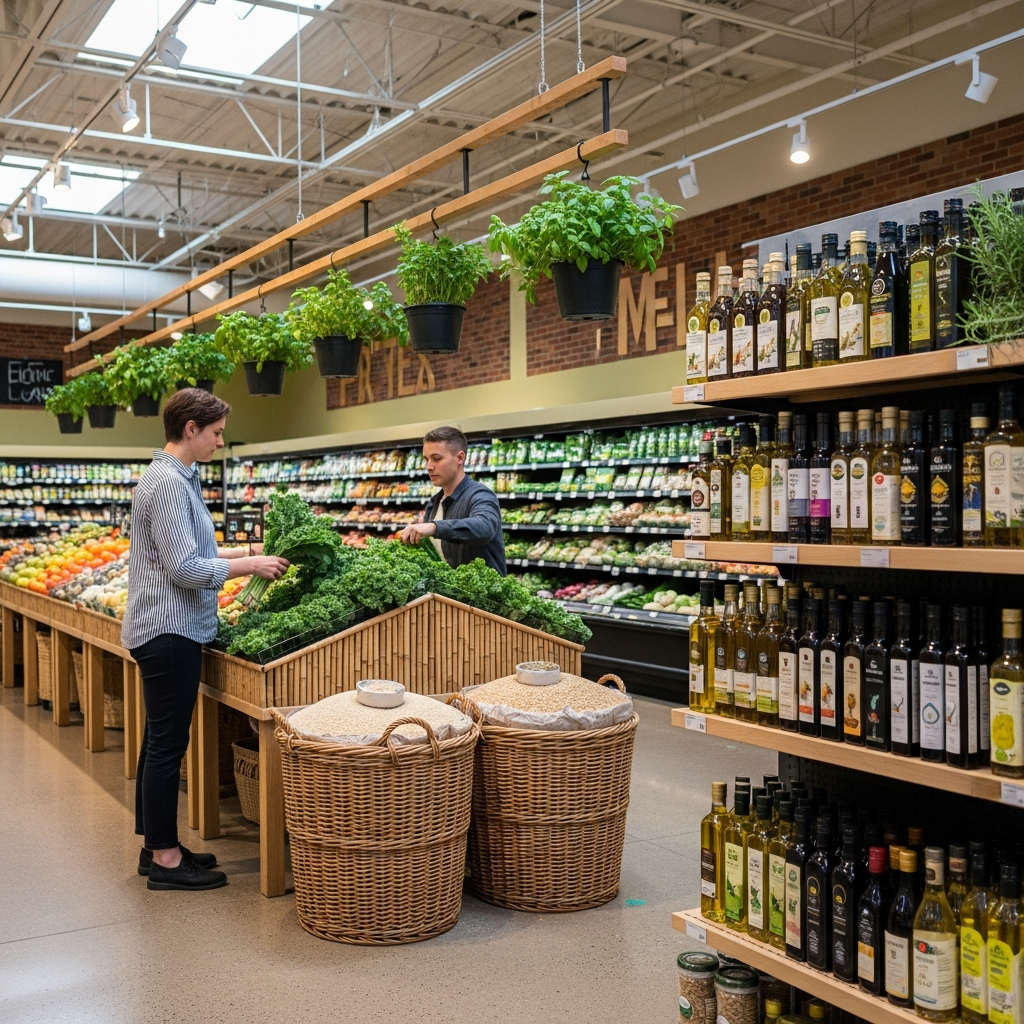
Choosing Organic the Naperville Way
Going organic in Naperville is not about perfection; it is about building a pantry and produce drawer that supports the way you actually live. Between work commutes on Route 59, weekend soccer at frontier fields, and impromptu dinners with neighbors, healthy staples need to be easy to find, simple to use, and consistent from week to week. The good news is that our local supermarkets have leaned in, expanding certified organic offerings in produce, dairy, pantry goods, meats, and even frozen shortcuts. I like to start with a flexible meal plan and a skim of a store’s weekly deals to see which organic items are spotlighted. Let the highlights guide your cart, then build the rest of your week around them.
Organic shopping is most successful when you think in building blocks. A base of whole grains, legumes, and vegetables can turn into a dozen dinners with small changes. Keep brown rice, quinoa, oats, and whole-wheat pasta on hand; rotate beans and lentils; and let seasonal produce fill in the colors and textures. A reliable organic olive oil, a mellow vinegar, mustard, and a couple of spice blends become your everyday toolkit. With those in place, organic meats, eggs, tofu, and dairy slip into the mix to round out meals without stress or complexity.
Naperville’s stores do a solid job labeling, making it easy to verify certifications and scan ingredient lists. If your goal is to reduce additives and keep flavors clean, look for short lists you can pronounce and pantry items that do double duty: tomatoes you can turn into soups and braises, broths that lift grains and sauces, and nut butters that spread on toast and blend into dressings. That kind of versatility cuts food waste and keeps weeknights more spontaneous.
Organic Produce: The Cornerstone of Healthy Staples
Produce is where organics shine in day-to-day cooking. In spring, organic greens and herbs flood the shelves—tender lettuces, peppery arugula, and parsley that tastes like the garden. Summer bursts with tomatoes, peppers, zucchini, and berries that make salads and pastas feel bright and effortless. Fall brings apples, squash, and sturdy greens; winter leans into citrus and roots. If you build your plan around what looks best today, you will find that organic choices slip naturally into your meals without the need for elaborate recipes.
Shopping smart helps with both flavor and longevity. Pick greens that look perky, berries that are dry and vivid, and tomatoes that feel heavy for their size. Ask staff about restocking windows if you are aiming for peak freshness, and grab herbs toward the end of your shop to keep them cool. Once home, wash sturdy greens, spin them dry, and store with a paper towel; keep tomatoes on the counter; and treat tender herbs like flowers in a jar with water. These small moves keep organic produce at its best, which in turn keeps your weeknight salads and sides crisp and satisfying.
For those who love global flavors, Naperville’s organic sections increasingly include cilantro, mint, scallions, and specialty items like ginger and turmeric. That means you can assemble bright salsas, soothing broths, and curries with an organic backbone without chasing ingredients across town. Tie your picks to a couple of anchor meals—grain bowls early in the week, soup or stew midweek, and a sheet-pan bake near the weekend—and you will glide through the days without last-minute scrambles.
Pantry Power: Grains, Beans, and Everyday Oils
A sturdy organic pantry turns a quiet fridge into dinner on demand. Stock brown rice for stir-fries and bowls; quinoa for quick-cooking protein; and oats for breakfast and baking. Keep chickpeas, black beans, kidney beans, and lentils within reach; they form the base of chilis, salads, and spreads. Organic tomatoes—diced, crushed, and paste—anchor sauces, soups, and braises, while broths and stocks bring everything together. Oils matter, too. An organic extra-virgin olive oil handles dressings and low-to-medium heat cooking; a neutral organic oil works for higher heat and baking; and toasted sesame oil adds a finishing flourish when you are leaning into Asian flavors.
Spices and condiments steer your meals without a lot of effort. An organic curry powder, chili powder, smoked paprika, Italian herbs, and cumin cover a surprising amount of ground. Keep vinegars—apple cider, red wine, and rice—plus mustards and tamari or soy sauce to round out dressings and marinades. If you are dairy-free, organic tahini and nut butters make creamy sauces in minutes, lending richness to vegetables and grains with minimal cooking.
Plan your pantry around weekly rhythms. If you roast vegetables on Sunday, save a portion to fold into a quinoa salad on Tuesday and a pasta on Thursday. If you cook a pot of beans, stash some for burrito bowls and purée a cup for a quick dip. Organic staples love being repurposed, and those second acts are where you feel the payoff in both nutrition and convenience.
Dairy, Eggs, and Plant-Based Alternatives
Naperville’s organic dairy cases have grown up. You will find milks in multiple fat levels, yogurts ranging from traditional to Icelandic and Greek styles, and cheeses that run from weeknight mozzarella to aged wedges for weekend boards. Eggs from organic flocks are consistent, and if you bake, you will appreciate how predictable they are in cakes and cookies. For those who are plant-forward, the organic aisle offers almond, oat, and soy milks, tofu in multiple textures, and plant yogurts that perform well in smoothies and bowls.
Mix and match as your week demands. A tub of plain organic yogurt becomes breakfast with fruit and granola, a marinade for chicken, or a creamy dressing for cucumbers. A block of tofu can be crisped and glazed with tamari and ginger or crumbled into a skillet with spices for a hearty scramble. Cheese pulls double duty, tucking into quesadillas one night and melting over roasted broccoli and potatoes the next. When your staples level up, even simple meals feel special.
For lunch boxes and snacks, look for organic hummus, cottage cheese, and nut mixes with short ingredient lists. These “grab and go” helpers stop you from sacrificing quality on a busy day and help you avoid the afternoon slump. Pair them with crisp apples, carrots, or celery, and you have a mini-meal that carries you through the next meeting or practice.
Meat, Seafood, and Frozen Helpers
Organic meats and responsibly sourced seafood are increasingly straightforward to find in Naperville. Many butcher counters carry organic or no-antibiotics options for chicken and ground beef, and you will often see sustainably minded choices labeled clearly. If you prefer to build your proteins from plants, frozen aisles offer organic vegetables, veggie burgers, and grains that jumpstart dinners in minutes. A bag of organic peas or spinach can rescue a lean crisper; frozen berries keep smoothies and breakfasts consistent even when the fresh selection is limited.
When you have a full week ahead, let the freezer be your ally. Organic soups, vegetables, and prepared entrées give you a safety net. Keep one or two “insurance meals” in the back of the freezer so that a late meeting or a surprise school project does not derail your efforts. With a bag of frozen vegetables, a block of tofu, and a reliable sauce, you can turn out a balanced dinner faster than takeout arrives.
Seafood nights benefit from a bit of planning. If you spot fresh fillets that look excellent, plan to cook them soon and fill the rest of the week with heartier proteins. If you need flexibility, consider frozen options that thaw quickly and cook reliably. Pair with roasted vegetables and a bright herb sauce for a meal that tastes restaurant-worthy without being fussy.
Sustainable Habits that Stick
Organic shopping often pairs naturally with low-waste habits. Bring reusable bags, store produce in breathable containers, and repurpose leftovers with intent. Keep a small bin in the fridge labeled “use first” so family members know what to grab for snacks and lunches. Freeze broths in ice cube trays for easy portioning; save Parmesan rinds to enrich soups; and turn slightly stale bread into crunchy croutons. These tiny acts add up to a kitchen that respects the ingredients you worked to choose well.
Another habit worth building is a simple weekly prep ritual. Wash and chop a few hardy vegetables, cook a grain, and make a vinaigrette. With those elements ready, you will find it easy to assemble meals on the fly: grain bowls, sautéed vegetables with eggs, or a quick pasta with greens and beans. Set aside twenty to thirty minutes, and watch how the rest of the week clicks into place.
Finally, keep your plan flexible. If you discover gorgeous organic asparagus midweek or a standout citrus display in winter, pivot. Meals built around what looks best right now tend to taste brighter and keep you excited about eating well. That excitement is the secret ingredient that sustains healthy habits longer than any rulebook ever could.
Frequently Asked Questions
Is organic produce always the better choice?
Organic produce aligns with certain farming practices and ingredient standards, but taste and freshness depend on seasonality and handling. Many organic items shine when in season and quickly stocked, while conventional options can taste just as vibrant when they are at peak ripeness. Use your senses—look, feel, and smell—to judge quality in the moment, and choose organic when it fits your values and your menu.
How do I build an organic pantry without overbuying?
Start with a short list of versatile essentials: an oil you love, vinegars, tomatoes, two grains, two beans, oats, and a couple of spice blends. Cook from those for two weeks and note what you actually finish. Add one or two new items at a time so your shelves reflect how you cook, not how you wish you cooked. This slow build keeps waste down and confidence up.
What is the best way to store organic greens and herbs?
Wash sturdy greens, spin them dry, and store in a container with a paper towel to absorb moisture. Keep tender herbs like parsley and cilantro in a jar with a bit of water, covered loosely with a bag. Change the towel or water every couple of days. Avoid crowding drawers; airflow prevents sliminess and extends life.
Can frozen organic vegetables be as good as fresh?
Yes, particularly when fresh options are out of season or look tired. Frozen vegetables are usually packed near harvest and retain nutrients well. They shine in soups, sautés, and quick pastas. Keep a few favorites on hand—spinach, peas, broccoli florets—so you can turn a sparse fridge into a colorful plate with minimal prep.
How can I keep organic eating affordable without sacrificing variety?
Plan around what is abundant and highlighted this week. Check a store’s weekly promotions to decide which meals to feature, then fill in with staples you already have. Cook once, eat twice: roast extra vegetables, make a larger pot of grains, and repurpose sauces. Variety comes from seasonings and smart pairings as much as from buying more items.
What organic proteins are the most versatile for busy weeks?
Eggs, tofu, and chicken breast or thighs cover breakfast scrambles, quick stir-fries, salads, and sheet-pan dinners. Pair them with a steady rotation of grains and vegetables, and you will have a dozen meal paths ready. Keep a jar of a favorite sauce—pesto, curry, or tahini—so you can flip a dish’s flavor profile without changing your core ingredients.
Build Your Healthy Cart Today
Naperville makes organic eating feel practical rather than precious. If you start with a simple plan, lean on adaptable staples, and let the aisles tell you what is freshest, you will cook meals that nourish without slowing you down. Before you head out, glance at the latest weekly deals, pick the store that fits this week’s rhythm, and enjoy the kind of everyday cooking that keeps your household feeling energized and well-fed.