
Discovering Authentic Flavors Right Here in Naperville
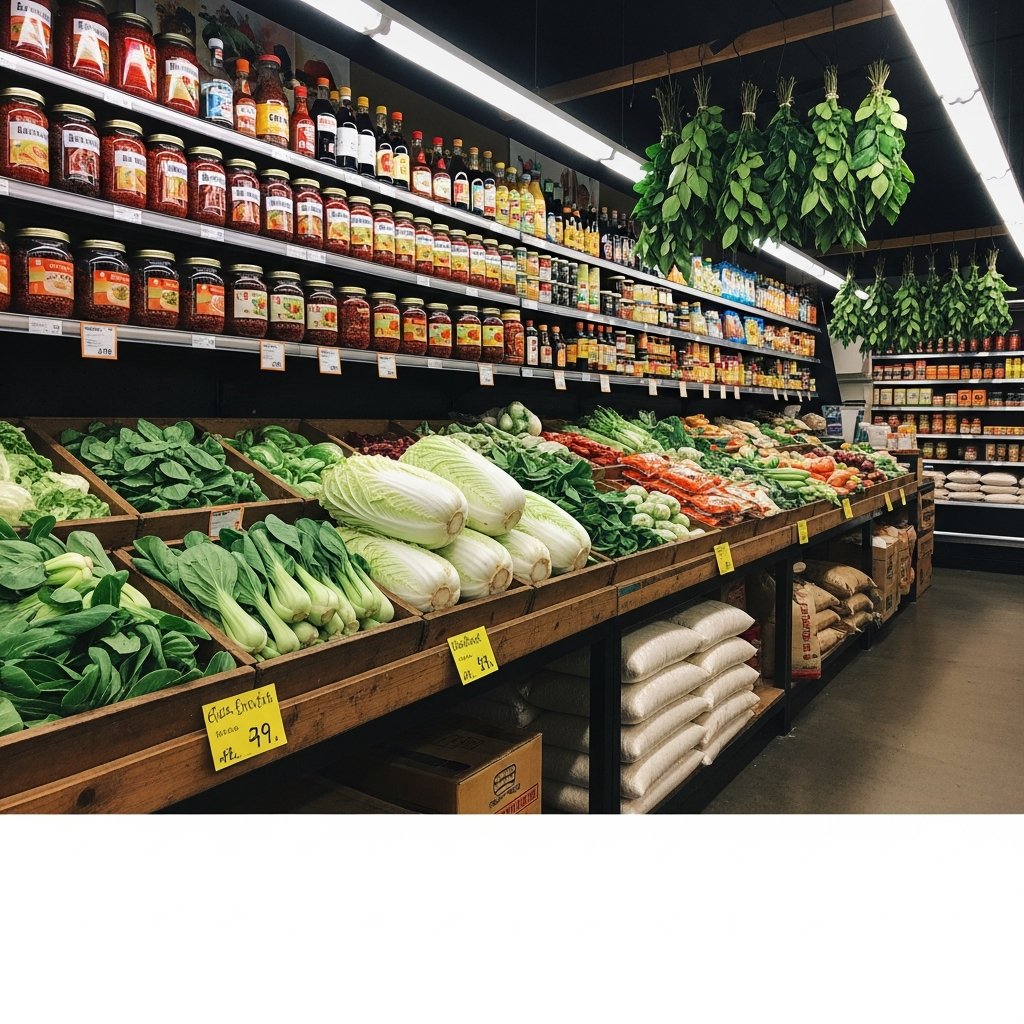
One of the most energizing parts of living in Naperville is how effortlessly you can cook across borders without leaving town. Walk into a well-stocked Asian supermarket and you can taste a dozen culinary traditions in a single lap: crisp bunches of bok choy and choy sum, the perfume of Thai basil and makrut lime leaves, tidy stacks of seaweed sheets, jars of chili crisp glinting like stained glass, and rice varieties whose textures tell different stories on the plate. When friends ask where to begin, I point them to a flexible list, a spirit of curiosity, and a quick look at a store’s rotating weekly deals to anchor the week’s meals. Let the ingredients lead, and authentic flavors follow naturally.
Naperville’s Asian supermarkets reflect the community they serve—Korean, Chinese, Japanese, Thai, Vietnamese, Filipino, and South Asian traditions represented in pantry staples and fresh counters. The variety is more than an aesthetic flourish; it is an invitation to cook with specificity. Choosing a jasmine rice for Thai stir-fries, a short-grain for sushi and onigiri, or a nutty basmati for biryani changes more than texture; it changes the entire experience at the table. Sauces and pastes are equally distinct. Gochujang brings a mellow heat and sweetness that transforms marinades; fish sauce adds an underpinning of umami that makes a simple lime-and-garlic dressing sing.
Produce is where authenticity often begins. Fresh lemongrass, galangal, Chinese chives, long beans, daikon, and Napa cabbage open up recipes you may have only tasted in restaurants. Once you know how to handle them—smash lemongrass to release oils, slice galangal thin for broth, blanch long beans for salads—they become weeknight tools rather than weekend projects. The seafood section takes that exploration further, with whole fish, shellfish, and fillets suited to steaming, hot-pot nights, or a quick pan-sear with ginger and scallions.
Building a Pantry that Works Across Cuisines
Think of your Asian pantry as a palette of colors that can paint both traditional dishes and fusion ideas. Start with a good soy sauce, a bottle of rice vinegar, toasted sesame oil, and a mild neutral oil. Add oyster sauce for savory gloss, fish sauce for depth, and mirin for a gentle sweetness. Keep chili elements at the ready—Sichuan chili oil, Thai chili flakes, gochugaru, or a bright sambal—so you can tune heat to your family’s preferences. Noodles deserve their own chapter: rice sticks for pad Thai, buckwheat soba for chilled salads, udon for brothy bowls, and curly ramen for speedy comfort food.
Spices and aromatics bring out the character of each cuisine. Star anise, cassia, and cloves perfume slow-simmered broths; white pepper adds a distinct warmth to stir-fries; cumin and coriander seed ground fresh can tilt a dish toward North Indian or Pakistani flavors. Keep ginger and garlic on constant rotation, store scallions in water like herbs, and refresh cilantro often. With these basics, you can improvise confidently—stir-fry snow peas and mushrooms with soy and oyster sauce one night, then pivot to a lemongrass-lime dressing over grilled chicken the next.
From frozen aisles to snacks, Asian supermarkets in Naperville make it easy to build quick meals. Dumplings in multiple styles, bao that steam to pillowy softness, and pre-cut stir-fry blends help on busy nights. The snack aisles, lined with seaweed crisps, rice crackers, and flavored nuts, are perfect for lunch boxes and movie nights. You might come for a jar of chili paste and leave with matcha ice cream or a sesame pastry that ensures you remember the trip fondly at dessert.
Fresh Counters: Seafood, Butcher, and Bakery
A reliable mark of authenticity is how the fresh counters feel in the middle of the day. At a strong seafood counter, you will see bright eyes on whole fish, a clean ocean scent, and staff ready to prep to order—gutting, scaling, or filleting. Ask for recommendations tied to your cooking method: firm fillets for grilling, delicate white fish for steaming, or meaty cuts for stews. For hot-pot nights, go for thinly sliced beef, seafood variety packs, and abundant greens. The butcher counter often offers cuts that are perfect for specific dishes, such as pork belly for braises, short ribs for Korean barbecue, and thin-sliced beef for shabu-shabu.
The in-store bakery is a joy. Soft milk bread, savory buns with scallion or curry fillings, egg tarts with glossy tops, and seasonal sweets tied to festivals show up regularly. Pick up a loaf you can slice for breakfast toast or French toast; grab buns that reheat beautifully for quick snacks. If you time it right, you will catch a tray rolling out, the warmth perfuming the aisle and practically insisting you add one to the cart.
Prepared foods make weeknights smoother while staying true to the store’s strengths. Roast duck, soy-braised eggs, kimchi in multiple heat levels, seaweed salads, and marinated tofu extend your home cooking with minimal effort. Pair a couple of prepared items with a cooked pot of rice and a quick stir-fry, and you have a complete meal that straddles convenience and authenticity with confidence.
Shopping Strategies for Confident Cooking
Plan your first visit with a simple recipe in mind—mapo tofu, pad kra pao, miso soup with tofu and wakame, or a basic stir-fry with garlic, ginger, and scallions. Start in produce, then pantry, and finish with protein and noodles or rice. That order protects delicate greens while letting you see what inspires a pivot. If you find beautiful baby bok choy, let that become the star and choose sauces and aromatics to match. If the fish counter is your draw, build the rest of dinner around a steaming setup or a ginger-scallion pan sauce.
Take time to read labels. Many sauces come in multiple regional styles, and choosing the right one makes a difference. Light versus dark soy, sweet versus salty chili sauces, or curry pastes in varying heat levels all shape the result. If you are unsure, ask. Naperville’s store teams are used to guiding both new and experienced cooks, and they tend to offer tips that go beyond the label—how a brand behaves in a stir-fry, whether it is better suited to dipping, or when to thin with stock.
Midweek inspiration often strikes in the snack or freezer aisles. Keep a standby bag of dumplings and a pouch of miso on hand; together they make a satisfying lunch with a handful of greens and a soft-boiled egg. Dried noodles, nori sheets, and shelf-stable tofu are smart backups, turning a sparse fridge into a respectable dinner with a few pantry moves. And do not overlook tea—green, oolong, and barley teas become quiet rituals that round out a meal and invite you to linger at the table.
Local Rhythm: Crowds, Festivals, and Restocking
Naperville’s Asian supermarkets follow weekly patterns. Weeknights after the commuter rush can be calm and perfect for unhurried browsing. Weekend mornings often see families shopping together, especially ahead of communal meals. Around Lunar New Year, Mid-Autumn Festival, Diwali, and other celebrations, stores expand selections—think mooncakes, specialty sweets, auspicious produce, and elaborate gift boxes. That is the time to shop early and with a prepared list, since popular items move quickly. Pay attention to restocking waves; if you notice crates of greens coming out or a seafood delivery landing, linger in that section to catch the freshest picks.
Parking lots tell their own tale. Larger lots on major corridors handle festival surges and Saturday midmornings, while smaller lots closer to residential streets reward early birds and late-night shoppers. If you plan to stock up on frozen items or fish, bring an insulated bag so you can keep exploring other stores or run an extra errand without worrying about temperature-sensitive goods. This small habit turns a multi-stop food tour into an easy Saturday ritual.
When you are mapping your culinary week, it helps to skim promotions midweek and build a flexible plan. Glancing at the current specials can nudge you toward dishes that make the most of seasonal herbs, seafood, or pantry items, and that foresight keeps cooking economical without sacrificing authenticity. A jar of chili crisp on promotion might inspire a noodle bowl night; a spotlight on leafy greens could lead to a garlicky stir-fry that anchors two dinners.
From Store to Stove: Techniques that Highlight Authenticity
The simplest techniques often unlock the most flavor. Stir-frying thrives on high heat and preparation—slice ingredients evenly, keep sauces ready, and cook aromatics just until fragrant before adding vegetables or protein. Steaming preserves delicacy; fish with ginger and scallions or dumplings over cabbage leaves come out gently cooked and succulent. Braising builds depth, whether you are making soy-braised chicken with hard-boiled eggs or a red-cooked pork that perfumes your home all afternoon. Keep your rice cooker or a covered pot at the ready; properly cooked rice provides the canvas that shows off these flavors.
Taste as you go, especially with potent seasonings like fish sauce, fermented bean paste, or black vinegar. Add a little, let it bloom with heat, then adjust. Finish with freshness—herbs, scallions, lime, sesame seeds—so dishes feel alive. Those garnishes are not afterthoughts; they are structural, creating contrast and lifting the main elements so the final bite tastes balanced rather than heavy.
If you are new to some ingredients, buy small amounts first. A handful of dried shiitakes can transform soups and sauces; a small jar of tobanjan or doubanjiang gives you multiple dinners’ worth of savor and heat. With each trip, your pantry becomes more expressive, and you will find yourself cooking with a sense of play that keeps weeknights interesting and guests impressed.
Frequently Asked Questions
How do I choose the right soy sauce for my recipe?
Light soy is saltier and used for seasoning and marinades; dark soy is thicker, slightly sweeter, and adds color and depth to braises and stir-fries. Japanese shoyu is often smoother, while Korean brands may lean differently in sweetness and umami. If a recipe specifies a style, start there; otherwise, keep one bottle of light and one of dark on hand and blend to taste until you understand the balance you prefer.
What is the easiest authentic dish to start with?
Stir-fried garlic green beans, miso soup with tofu, and Thai basil chicken are excellent introductions. They rely on a few key sauces, straightforward techniques, and ingredients that are easy to find locally. Once you master heat control and timing, you can branch into mapo tofu, hot-and-sour soup, katsu curry, or bibimbap. Each step expands your pantry in ways that build on what you already own.
How should I store herbs like Thai basil and cilantro?
Trim the ends and place them in a jar with a little water, like flowers. Cover loosely with a bag and refrigerate. Change the water every couple of days. For hardy aromatics like lemongrass and galangal, wrap them and refrigerate, or freeze for longer storage without major flavor loss. Keep makrut lime leaves in the freezer as well; they retain their aroma beautifully.
What should I look for at the seafood counter?
Seek clear, bright eyes on whole fish, firm flesh that springs back when pressed, and a clean ocean scent. Ask staff for guidance based on your cooking method—steaming, frying, grilling, or braising—and let them prep to order. If you are trying a new fish, buy a small portion first to learn how it behaves in your pan or steamer.
Are frozen dumplings and noodles worth keeping on hand?
Absolutely. High-quality frozen dumplings, udon, and ramen are weeknight saviors that maintain authenticity when paired with fresh produce and a quick sauce or broth. They bridge busy schedules and ambitious cooking, letting you enjoy a satisfying, from-the-aisles meal even when time is tight. Combine with a handful of greens, scallions, and a drizzle of sesame oil for a complete bowl.
How do I avoid overwhelming heat in spicy dishes?
Layer heat gradually and balance with sweetness, acidity, and fat. Start small with chili pastes or flakes, taste after heating, and add more if needed. Keep lime juice, rice vinegar, and a touch of sugar at the ready; they rein in heat and bring flavors into focus. Dairy is not traditional in many Asian cuisines, but coconut milk is—a silky, authentic way to temper spice while adding richness.
Bring Authentic Ingredients Home Tonight
Naperville is a gift to curious cooks. With each visit to an Asian supermarket, you add a brushstroke to your kitchen’s canvas, discovering flavors that feel both new and comfortingly familiar. Start with a simple plan, follow your nose in the produce and seafood sections, and let promotions like the store’s weekly deals inspire one or two easy wins. Your table will reflect the city’s diversity—and your growing confidence—one delicious bowl at a time.