
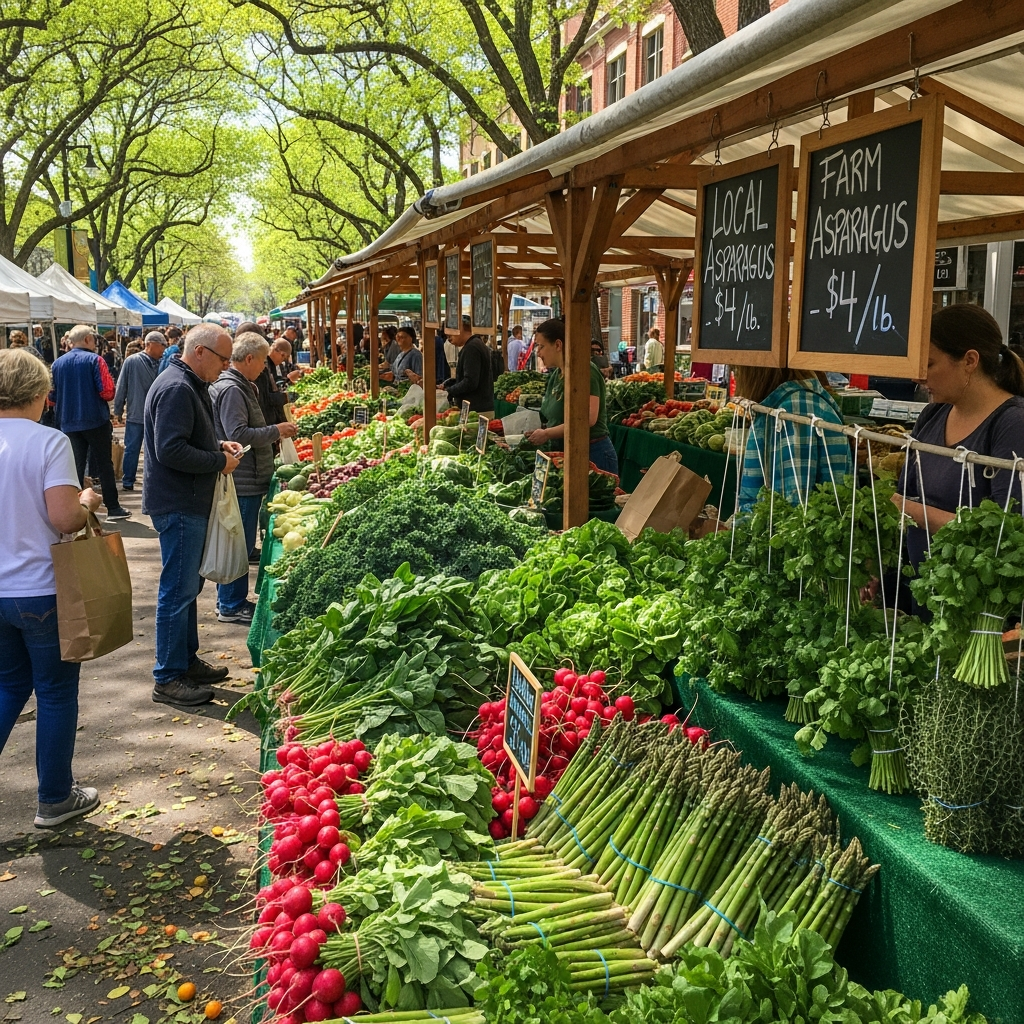
Finding fresh organic produce in Naperville is easier when you think like a local. The city’s neighborhoods, from the historic blocks near the Riverwalk to the communities that stretch west toward tallgrass preserves, each offer their own paths to quality. The key is to follow the rhythm of the week and the seasons, to know which places shine on Saturday mornings and which aisles deliver steady excellence on a Tuesday after work. Once you understand that flow, you can stock your kitchen with vegetables and fruit that look as if they still remember the field.
Start by choosing a home base for your shopping, a store that consistently treats organics as a central feature instead of a side note. When a market leads with clean, lively produce and supports it with an array of pantry staples, the rest of your planning becomes easier. As you refine your routine, pair that anchor store with a few well-timed stops at markets and seasonal stands. If you prefer one destination that handles both your weekly staples and your discovery items, look for a grocer with a dedicated organic foods department that keeps rotation tight and freshness high—this combination saves time and reduces waste at home.
The Naperville area rewards early risers. On weekend mornings, shoppers are out with totes over their shoulders, comparing the snap of green beans and peeking at flats of berries that arrived before sunrise. Even on weekdays, produce managers tend to stock shelves first thing, which is why a short stop after a morning Riverwalk loop can be the best moment to pick lettuce that looks like it drank before you did. If your schedule pushes you to evenings, opt for heartier items like squash and apples, then plan to build salads from greens midweek when you can slip out for a quick restock.
Year-round anchors for organic produce
When you think long term, you want a place that nails the fundamentals in every season. Year-round groceries with strong organic programs anchor your routine, giving you consistent access to staples like carrots, celery, onions, leafy greens, and seasonal fruits. The best of these stores in and around Naperville keep produce cold-chained, rotate diligently, and take pride in how the department looks and smells. You’ll see greens that glisten with just enough moisture, herbs that release a clean fragrance when touched, and fruit arranged to protect against bruising.
In winter, when the landscape outside is quiet, these anchors shine even brighter. Root vegetables, hardy greens, and well-kept citrus keep meals vivid. This is when you notice details like crisp-topped carrots and kale that squeaks a little when you tear it—small signs that the produce hasn’t spent unnecessary days in limbo. If you find a store that also supports a broad pantry with beans, grains, oils, and spices chosen to match the produce, you’ll be set to improvise nourishing meals no matter the temperature.
Naperville’s seasonal pulse
Spring is the first invitation. Tender greens, radishes with peppery bite, and asparagus with tight tips arrive just as lawns turn a softer green. These ingredients want simple handling: a hot pan, a squeeze of lemon, a few grains of salt. Summer follows with a burst of color—strawberries that stain your fingers, tomatoes that seem to glow from within, cucumbers that refresh before they even reach your mouth, and peppers that crunch with confidence. Stone fruit is the heartbeat of July and August; you can often smell a good peach before you see it.
Autumn is Naperville’s comfort season for produce. The markets glow with squash, apples, and sturdy greens, and the cooking shifts to roasting and braising. This is the time to stock up on items that hold well and support your weekday habits. Winter narrows the focus but doesn’t dim it. Bright citrus, beets, and cabbages carry the table, and you can enliven meals with stored herbs and a reliable pantry. Following this cycle means you always have something good to eat, and you avoid fighting the calendar with wishful thinking about out-of-season foods.
Farm connections and local sourcing
While Naperville is very much suburban, it sits within easy reach of farms that value organic practices. Many year-round stores build relationships with these growers, featuring their produce when it’s in season and aligning orders to reduce waste. Ask a produce clerk which items came in locally that week, and you’ll often hear about lettuces harvested the day before or apples that rolled in from an orchard just across the county line. Those small connections show up on your plate as a kind of quiet vitality that’s hard to fake.
For those who sync well with routine, community-supported agriculture shares can complement your weekly shop. A CSA box gives you produce chosen by the farm, which tilts your meals toward true seasonality. Pair that with a short in-store stop to fill gaps, and your kitchen will feel both abundant and balanced. If you’re new to CSAs, start with a shorter commitment or a trial run to calibrate quantity and variety to your household’s habits.
Choosing produce like a pro
In any season, the simplest test is still the best: look, lift, and smell. Greens should look like they just rained. Herbs should be fragrant, not shy. Tomatoes should feel heavy for their size, and stone fruit should carry perfume before you press it. Berries tell the truth in an instant—the brightest color, intact caps, and dry surfaces predict both flavor and longevity. When in doubt, buy a modest amount and plan to return a few days later for a top-up. This rhythm works beautifully in Naperville, where quick trips fit easily between commutes, school pickups, and walks along the river.
Storage is the second half of choosing well. Bring home your haul and act like a grocer for a few minutes. Spin lettuces, trim herb stems, and store in breathable containers or loosely wrapped towels. Keep tomatoes on the counter away from sun, and tuck berries into the fridge unwashed. These simple habits keep produce lively without demanding much effort. The payoff is a week of meals that taste bright instead of tired.
Balancing discovery with reliability
One reason many locals stick with a single primary store is that reliability frees up attention for discovery. When you trust that the cucumber selection or lettuce mix will be strong, you can spend your curiosity on a new variety of apple or a less familiar green like tatsoi. Stores that curate thoughtfully often make room for these explorations without crowding out the staples that form the structure of your weeknight cooking.
Exploration also arrives in the form of prepared items that introduce new flavors—fermented vegetables, miso pastes, or a tzatziki that upgrades a simple grain bowl. While not strictly produce, these companions amplify what you bring home from the produce section, and they’re especially welcome on evenings when time is tight. It’s a good sign when a store’s prepared foods reflect the same ingredient standards as the fruits and vegetables nearby.
Midweek refreshes and the art of the quick stop
Even the best weekend shop benefits from a midweek refresh. If you’re near downtown for a meeting or an errand, duck in and replenish herbs, salad greens, and fruit for lunches. This small habit reduces waste and keeps meals feeling inspired instead of obligatory. A quick loop through produce, a glance at dairy for a yogurt or plant-based milk, and a pass by the bakery for a fresh loaf can reset your kitchen in ten minutes.
For those who prefer to consolidate errands, a store with a well-defined organic produce selection adjacent to pantry staples makes it possible to shop swiftly without sacrificing quality. It’s reassuring to know that you can find what you need in a familiar layout, especially when the day is already busy. When you build a mental map of where your favorites live, you move through the store with purpose and leave with exactly what you planned to cook.
Cooking simply with what you find
Great produce invites simple cooking. In spring, toss tender greens with lemon and olive oil and let them sit while you cook farro. In summer, slice tomatoes thick and pair them with cucumbers, herbs, and a drizzle of vinegar. Autumn calls for roasting: squash wedges, carrot sticks, and halved Brussels sprouts become an easy tray dinner with a handful of chickpeas. Winter leans toward soups and stews, where root vegetables and cabbages mellow in a pot and invite a finish of bright herbs. Keeping preparations light lets the produce speak and means you’ll cook more often because nothing feels complicated.
If you’re cooking for a household with varied tastes, think in components. Roast a sheet of vegetables, cook a grain, and set out a protein. Everyone assembles a bowl the way they like, and the cook rests easy knowing dinner came together from honest ingredients. This approach also makes leftovers feel intentional rather than accidental, which is perhaps the most underrated kitchen skill there is.
Naperville neighborhoods and the feel of the shop
Stores near Downtown tend to be compact and walkable, the kind that encourage short, frequent visits. Out toward 95th Street and the southwest neighborhoods, you’ll find larger footprints with wider aisles and big produce displays. Each style has its strengths. The former shine for convenience and quick restocks, while the latter carry breadth and depth that help when you’re planning for a gathering or stocking for the week. Choosing which to use when is part of becoming a savvy local shopper.
Whatever your location, talk to staff. Produce managers in Naperville are used to customers who care about freshness and flavor, and many are happy to tip you off when a beautiful shipment lands or a particular variety is peaking. That small conversation can change your week’s menu in the best way.
Frequently Asked Questions about finding organic produce in Naperville
When is the best time of day to buy organic greens?
Early mornings on weekdays are ideal because shelves are freshly stocked and misted, and rotation happens before the first rush. If you can’t make it early, aim for a midweek evening and reach for heartier greens like kale, which hold their quality better later in the day. Either way, plan a brief rinse-and-spin routine as soon as you get home to lock in freshness.
How do I balance variety with not overbuying?
Pick two centerpiece vegetables and one fruit that’s perfectly ready now, then add a second fruit that will ripen in a few days. This structure gives you meals for the start and end of the week without setting you up for waste. If you find yourself craving something new midweek, make a quick stop rather than guessing on Sunday and risking spoilage.
What signs tell me produce was handled well?
Look for bright color without dulling, intact leaf edges on greens, unblemished skins on fruit, and dry berry surfaces. Sturdy root vegetables should feel heavy for their size, and herbs should spring back when you brush them. These clues point to careful picking, storage, and transport, which carry through to better flavor and longevity at home.
Are organic prepared items helpful or a distraction?
They can be helpful when they echo the standards of the produce section. A cleanly made hummus, a container of roasted vegetables, or a simple slaw can bridge a busy night and keep you on track with your goals. Use them to fill gaps rather than replace cooking altogether, and you’ll stay close to the flavors that drew you to organic produce in the first place.
What’s the simplest way to store herbs and greens?
Trim herb stems and place them in a jar of water in the fridge, loosely tented with a bag. Spin greens dry, wrap them in a clean towel, and store in a container that breathes a little. Keep tomatoes and bananas at room temperature and berries chilled but unwashed until you’re ready to eat them. These small habits extend freshness without adding much work.
Fresh organic produce is a kind of quiet luxury that doubles as a daily pleasure when you find it consistently close to home. In Naperville, the combination of steady year-round groceries and a seasonal pulse makes the search an enjoyable routine rather than a chore. If you’re ready to simplify your path to great ingredients, choose a strong anchor store and build a rhythm around it. For a streamlined experience where selection and freshness stay front and center, explore a grocer with a focused organic foods area, then bring home what looks most alive and let it guide the week’s meals.