
Food safety in a supermarket is like stage lighting in a theater: when it’s done well, you don’t notice it—yet it shapes everything you experience. In Naperville, where families count on fresh produce for school lunches, quality meats for weekend grills, and prepared foods for the tightest weeknights, behind-the-scenes maintenance makes the visible magic possible. From refrigeration checks to cleaning routines, the details determine whether your cart holds ingredients you can trust.
Good maintenance isn’t a single task but a system, and it starts with a culture of care. Managers set expectations, associates follow through, and customers sense the difference instantly. For residents balancing sports at Frontier Sports Complex and evening classes, confidence at the shelf saves time and worry. It also begins with simple planning—many of us sketch meals after glancing at timely weekly deals, then trust the store to uphold safety at every step from receiving to checkout.
Refrigeration: The Heartbeat Of Cold Chain Integrity
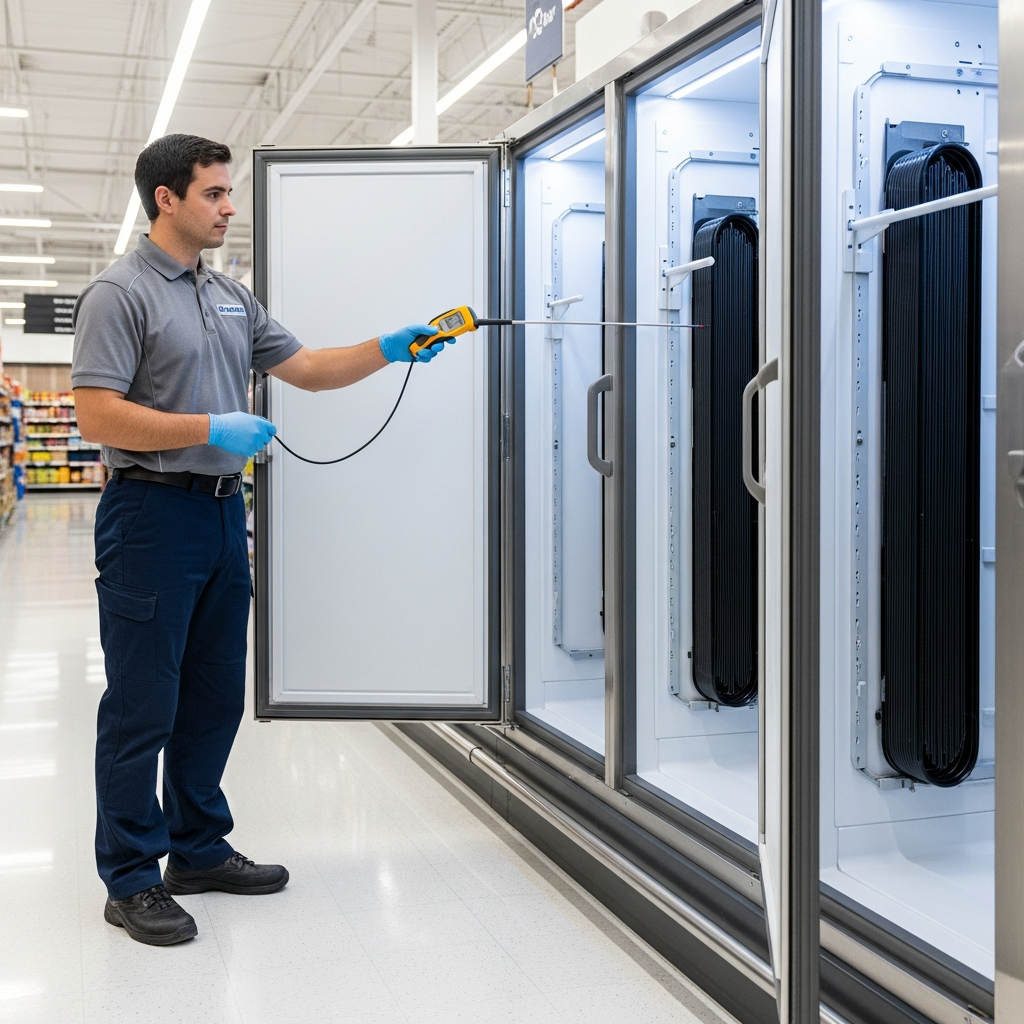
Refrigeration units are the backbone of food safety. Reliable supermarkets track temperatures continuously and respond fast to deviations. Door gaskets stay supple and sealed, fans run quietly and consistently, and cases are loaded to allow cold air to circulate. When displays are overpacked or vents are blocked, warm pockets form and quality slips. In Naperville’s humid summers and frigid winters, equipment must adapt quickly to door-open surges and temperature swings near entryways.
Routine maintenance catches small problems before they threaten safety. Cleaning condenser coils, inspecting thermostats, and verifying defrost cycles don’t make headlines, but they keep lettuce crisp and dairy safe. Associates learn to spot frost buildup, pooling water, or fluctuating case temps and report them immediately, turning vigilance into habit.
Receiving And Storage Discipline
Food safety begins long before an item hits the shelf. Well-run stores schedule deliveries to avoid bottlenecks, stage thermometers at receiving docks, and reject loads that don’t meet temperature or quality standards. Pallets never sit unmonitored on warm loading bays. Cold products move into appropriate zones swiftly, and dry goods rest on clean, elevated shelving away from moisture.
Organization matters as much as speed. First-in, first-out rotation prevents older items from lingering. Clear date labels and tidy backrooms reduce mistakes, while routine audits catch oddities like misplaced allergens or damaged packaging. These quiet disciplines build your trust even when you never see them.
Sanitation Routines With Purpose
Cleanliness is a rhythm. Daily, weekly, and monthly checklists keep every surface in shape, from slicers in the deli to drains in the seafood department. Effective cleaning agents, correct dilution, and contact time are nonnegotiable. Staff log completions, and supervisors verify results, ensuring the routine is lived, not just written. Floors stay dry, cutting boards are sanitized between tasks, and touchpoints like cart handles and door pulls receive frequent attention—especially during flu season.
Naperville families feel the difference in small ways: a produce misting station that doesn’t leave puddles, a bakery case that sparkles, restrooms that remain clean from morning rush to evening lull. The environment signals the store’s standards long before you put anything in your cart.
Allergen Awareness And Cross-Contact Prevention
For households managing allergies, safety is personal. Supermarkets protect those customers by segregating storage, using color-coded tools, and labeling clearly at the shelf and service counters. Deli staff switch gloves and clean surfaces between orders, and bakery teams isolate ingredients that can trigger reactions. Prepared foods carry straightforward ingredient lists so families can decide quickly and confidently.
Training underpins all of this. New associates learn the why behind the rules, and refreshers keep vigilance high. When a customer asks about a product, staff should be able to access ingredient details promptly and explain how items are handled behind the scenes.
Produce Care That Preserves Quality
Produce safety and quality go hand in hand. Associates cull tired items throughout the day, wash displays, and monitor misting to avoid oversaturation. Cutting stations sanitize tools and surfaces between tasks, while fresh-cut fruit and veggie packs are labeled with preparation times and held at safe temperatures. Seasonal flux—sweet corn in summer, sturdy greens in winter—demands flexible handling so each item gets the environment it prefers.
Shoppers can read the cues: vibrant colors, crisp textures, and tidy cases suggest a team that respects the product. When you ask for a fresher head of lettuce or a just-cut melon, the response you receive reveals the store’s produce culture.
Meat, Seafood, And Deli: Precision On Display
Protein departments operate under tight tolerances. Calibrated thermometers, sanitized slicers, and well-timed case rotations are the daily language of safety. Associates trim and wrap with care, ensuring oxygen exposure and moisture don’t conspire against quality. Seafood counters manage ice beds to keep fillets cold without waterlogging them, and cooked items live clearly apart from raw.
Customer education is part of the equation. When staff suggest safe thawing or cooking tips, they extend the safety chain into your kitchen. A quick conversation about storing ground meat or reheating leftovers can prevent issues after you leave the store.
Hot Bars And Prepared Foods
Prepared foods carry special responsibilities. Hot items must stay hot, cold items cold, and self-serve areas require constant attention. Utensils are swapped regularly, sneeze guards stay spotless, and time logs dictate when items are refreshed or retired. Transparent labeling helps shoppers with dietary needs make confident choices without turning lunch into a research project.
Behind the counter, teams work like a line kitchen—handwashing rigor, sanitized work zones, and clear separation of raw and ready-to-eat foods. The smoother that choreography, the safer and tastier the results.
Equipment Upkeep And Preventive Maintenance
From ovens to slicers to dish machines, equipment reliability is essential. Preventive maintenance calendars reduce breakdowns at crunch time. Blades are sharpened on schedule, gaskets replaced before they fail, and sensors tested routinely. Managers track service histories so they can spot patterns and plan upgrades before emergencies strike. It’s the difference between Friday night deli lines humming and grinding to a halt.
When equipment does falter, contingency plans kick in. Departments shift production, signage guides customers, and teams communicate clearly about alternatives. Reliability in the face of hiccups preserves trust when it matters most.
Employee Training And A Culture Of Ownership
Even the best checklists fall flat without engaged people. Investing in onboarding and refresher training ensures associates know both the rules and the reasons. Empowered employees stop a display if something looks off, escalate concerns quickly, and treat food safety as everyone’s job. Morning huddles and department standups keep priorities front and center, aligning teams for busy stretches and seasonal surges.
Recognition matters, too. When staff who catch issues or suggest improvements are applauded, the culture tilts toward vigilance. Shoppers may not see the applause, but they taste the results in fresher, safer food.
Waste Reduction With Safety In Mind
Reducing waste isn’t just good stewardship; it’s a safety ally. Smaller batch cooking near closing, careful portioning, and creative repurposing of trim—within safety rules—keep cases appealing without overexposure. Donation partnerships move edible surplus quickly to local organizations, while inedible scraps head to compost or responsible disposal. Each step tightens the loop between abundance and prudence.
Clear policies prevent the well-intentioned from becoming risky. Staff learn when an item can be safely chilled, reheated, or must be discarded. Those boundaries protect both the community and the brand.
Customer-Facing Signals Of Strong Maintenance
Shoppers don’t need to see a maintenance log to sense professionalism. They notice cold milk, crisp greens, spotless floors, and staff who answer questions without hesitation. They see tidy storage through the dairy case window, detect the gentle hum of a well-tuned compressor, and observe how quickly spills disappear. These clues add up to a powerful instinct: this place is careful.
Naperville residents, especially those juggling busy evenings, rely on that instinct to make quick decisions. When trust is high, you can plan meals around what’s fresh without hesitation, confident that safety guards every step.
Seasonal Adjustments And Weather Readiness
Midwest weather keeps teams on their toes. Summer heat challenges cold cases and delivery docks; winter snow demands vigilant lot clearing and moisture control at entrances. Stores that stage floor mats, rotate mops frequently, and guard against condensation near cases lower slip risks and protect product. Temperature checks tighten during heat waves, and hot bars are monitored closely during high-traffic holiday weekends.
Power reliability factors in as well. Backup plans for outages—generators, emergency procedures, and rapid response protocols—help preserve cold chain integrity when storms roll through. The best stores practice these plans before they’re needed.
Continuous Improvement Through Audits
Regular internal audits, plus third-party inspections, keep standards honest. They spot drift, identify training gaps, and celebrate departments that excel. The most effective audits are collaborative, turning findings into action plans with clear owners and timelines. Over time, those loops sharpen performance and protect the customer experience.
Metrics matter, but so do stories. Sharing success cases—like a seafood team that redesigned its ice rotation or a deli that streamlined glove changes—spreads good ideas quickly across departments.
FAQ
Q: How can shoppers quickly gauge a store’s food safety culture?
A: Look for clean cases, tidy floors, and employees who handle food confidently. Notice temperatures on hot and cold bars, ask a question at the deli to test responsiveness, and check restrooms for consistency. Those visible cues reflect the unseen systems that protect your food.
Q: What should I do if I spot a food safety concern?
A: Alert the nearest associate or ask for a manager. Share specifics—location, product, and what you observed—so the team can act quickly. Good stores welcome feedback and will thank you for raising the flag.
Q: Are prepared foods as safe as groceries I cook at home?
A: They can be, provided the store maintains temperatures, follows strict sanitation, and labels clearly. Many operations run like professional kitchens with time logs and frequent checks. If you have allergies or dietary needs, ask for ingredient details before purchasing.
Q: How can I keep food safe once it’s in my car?
A: Shop chilled and frozen items last, use insulated bags in extreme weather, and drive straight home. Refrigerate perishables promptly and follow safe thawing and reheating practices. The store protects food up to checkout; you carry the baton from there.
Q: Do sustainability efforts conflict with safety?
A: Not when executed well. Refillable packaging and waste reduction can complement safety as long as cleanliness, temperature control, and labeling remain rigorous. The key is clear procedures and staff training so green practices never compromise protection.
Q: How often do reliable stores maintain equipment?
A: Frequently and predictably. Preventive maintenance schedules guide routine tasks—cleaning coils, calibrating thermometers, replacing gaskets—so breakdowns are rare. When equipment falters, contingency plans prioritize product safety first.
Keep Safety Front And Center
Naperville shoppers deserve supermarkets that treat safety as sacred and maintenance as a living commitment. If you’re ready to plan a confident week of meals, start by mapping easy dinners, watching for seasonal highlights, and scanning current weekly deals for inspiration that fits your rhythm. With a store that invests in the details, you’ll bring home food that’s not only delicious but carefully protected at every step.