Even in a city as organized and community-minded as Naperville, grocery runs can go sideways. Parking snarls test patience, aisles bottleneck at the worst moments, and the one ingredient you need vanishes just as you reach for it. When daily life is already a juggling act—between school pickups, fitness classes, and evening practices at local fields—supermarket hiccups can feel bigger than they are. The good news is that many of these issues are predictable, and with a store that understands local rhythms, they’re also solvable.
Part of mastering the weekly shop is anticipating the friction points. Timing, layout, communication, and inventory all play roles. Savvy Naperville shoppers know to scan store highlights at the start of the week, sketch a simple meal map, and enter with a flexible mindset. Many of us check timely weekly deals for inspiration, then commit to a quick route so we’re back out the door before the after-school surge.
Parking Lot Pinch Points
Lots around Ogden Avenue and the Route 59 corridor can fill fast at peak hours. The frustration isn’t only the lack of spaces; it’s the slow circulation and uncertain sightlines as drivers angle for open spots. Families with car seats and strollers need room to load, and seniors appreciate closer access. A well-run store mitigates this with clear arrows, safe pedestrian paths, and snow removal that preserves visibility. For shoppers, parking slightly farther out and using a marked walkway can lower stress and often save time compared to circling.
Pickup zones require special care. When curbside overlaps with general parking, confusion mounts. The best operations isolate pickup lanes and assign visible staff who can keep vehicles moving. That small bit of choreography sets the tone for the entire trip.
Aisle Congestion And Store Flow
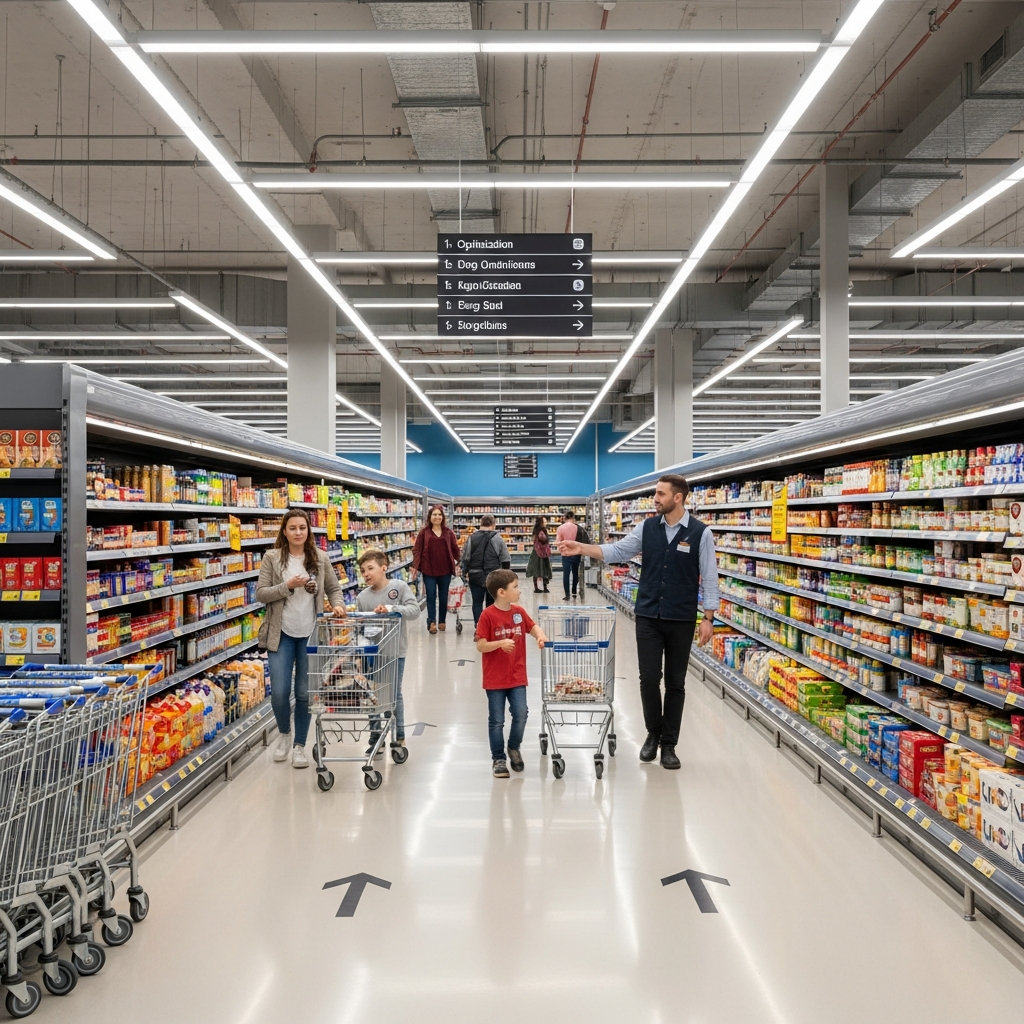
Narrow aisles, endcap traffic, and popular departments placed too closely can create chokepoints. Produce and bakery are typical hotspots, especially on Saturdays. Thoughtful design makes a huge difference: wider lanes at known bottlenecks, diagonal displays that invite movement, and strategic spacing around sampling stations. Shoppers can help by staging carts to one side, navigating in a consistent direction, and resisting the urge to backtrack. When flow improves, tempers cool and trips shorten.
Flow isn’t only physical. Clear signage that points to staples reduces wandering and allows families to split up and reunite smoothly. That clarity is worth its weight in calm.
Out-Of-Stocks And Substitution Frustrations
Few things sting like discovering the exact pasta shape or spice you need is missing. The sting doubles when a substitution doesn’t fit the recipe. Behind the scenes, forecasting and supplier relationships determine how often this happens. The most reliable stores learn from patterns, order proactively, and communicate early when an item may be tight.
For shoppers, a backup plan helps. Keeping a mental roster of acceptable alternates—think penne for rigatoni, or a milder curry paste if your usual is out—protects dinner. It also helps to ask staff: they often know when a delivery will land and can suggest a close match you might not spot.
Long Lines And Checkout Fatigue
Checkout is the last impression, and it can sour an otherwise smooth trip. Understaffed lanes, finicky self-checkout terminals, and unclear queuing rules all slow momentum. On busy weekends, stores that flex quickly—opening new lanes, dispatching floor leaders to triage issues, and positioning baggers strategically—earn real loyalty. The fix doesn’t always require more hardware; sometimes it’s the choreography of people that changes everything.
Shoppers can set themselves up for success by grouping like items, placing fragile goods last, and signaling preferences early. A friendly exchange with the cashier steadies the pace and keeps the mood human.
Temperature Woes And Product Integrity
Cold chain slips show up as wilted greens, sad berries, or ice crystals on seafood. They’re often symptoms of overloaded cases, frequent door openings, or aging equipment. The best supermarkets attack these problems with vigilant monitoring, routine maintenance, and quick pulls of anything that looks questionable. Naperville’s weather swings add pressure, making teamwork between receiving, stockers, and department leads essential.
As a shopper, you can spot quality by touch and appearance. Choose produce that feels lively, look for firm, cold proteins, and don’t hesitate to ask staff for fresher product from the back if something seems off. A good store will meet you halfway with pride.
Communication Gaps
So many frustrations boil down to not knowing what’s happening. If a department is short-staffed, if an item is delayed, or if a recipe ingredient moved to a new location, a small sign or a proactive associate can prevent confusion. The same goes for curbside: timely texts, clear pickup instructions, and thoughtful substitution notes turn a potential headache into a smooth handoff.
Shoppers can lean into this by asking early rather than stewing. A quick question about restock times or a pointer to a relocated product can save ten minutes of wandering and a dose of annoyance.
Cart Quality And Store Cleanliness
Wobbly wheels, sticky handles, and carts that veer like canoes in a crosswind are more than nuisances; they signal larger maintenance gaps. A clean, well-maintained fleet—along with sanitized handles and tidied child seats—sets positive expectations from the entrance onward. Floor cleanliness matters too. Prompt attention to spills and clutter keeps aisles safe and shopping relaxed, particularly for parents with little ones and seniors who value steady footing.
Store restrooms deserve mention. When they’re spotless and consistently stocked, confidence in the rest of the operation rises. It’s a small space with an outsized impact on trust.
Label Clarity And Allergen Concerns
Shoppers managing allergies, intolerances, or specific diets need clarity at a glance. Confusing tags and poor shelf placement add friction and can even be risky. The best stores invest in unambiguous labeling, aisle markers that actually guide, and staff training that empowers associates to answer ingredient questions. When you can parse a shelf quickly, carts roll smoother and kitchens stay safer.
For families juggling mixed dietary needs, smart labeling streamlines compromise. It allows a single trip to satisfy everyone, from gluten-free bakers to dairy-light snackers, without turning the aisle into an investigative mission.
Digital Ordering Snags
Online ordering brings convenience but also pitfalls: inventory mismatches, vague windows, or substitutions that miss the mark. Strong operations sync their digital shelves to real stock, train pickers to choose as carefully as a home cook would, and keep communication open from cart to trunk. When that’s the norm, curbside feels less like a gamble and more like an extension of your kitchen.
As a shopper, adding notes—“greenest bananas available,” “no flavored yogurt as a substitute,” “firmest avocados OK”—helps the team meet your expectations. Over time, profiles and history fine-tune results so your cart feels more personal.
Seasonal Surges And Holiday Stress
From backyard cookouts to winter holidays, seasonal peaks reveal the strengths and weaknesses of a store. Parking tightens, popular items vanish quickly, and patience thins. The best markets plan staffing in waves, build sensible displays, and stage quick-replenish bins in the backroom. Managers who stay visible during the crush calm the energy and keep things moving.
Shoppers can counterbalance by planning menus early, shopping outside peak hours, and leaning on make-ahead dishes. Keeping a few flexible recipes in your back pocket turns out-of-stocks into creative pivots instead of disappointments.
Turning Friction Into Flow
Every issue on this list has a counterpart solution. It starts with a store that views your time and well-being as precious resources, then backs that mindset with training, maintenance, and communication. When operations click, errands shrink to their proper size, and your meals reflect the calm. The difference shows up not just in minutes saved, but in energy regained for the rest of your day.
Value plays a role too, and it doesn’t have to be complicated. Shoppers who glance at current weekly deals often find gentle nudges toward quicker dinners and fresher snacks, sidestepping last-minute scrambles. Pair that planning with a store that listens and adapts, and the common pain points begin to fade.
FAQ
Q: When is the least crowded time to shop in Naperville?
A: Early weekday mornings are usually best, with late evenings a solid second choice. Saturdays tend to peak late morning through midafternoon, especially near major corridors like Route 59. If you must shop then, plan a tight route and consider curbside for heavier staples.
Q: How can I avoid out-of-stock frustrations?
A: Ask staff about delivery schedules and shop shortly after replenishment. Keep a short list of acceptable substitutes, and consider buying a backup of pantry staples you use often. For online orders, add clear notes so pickers know what matters most.
Q: What should I do if self-checkout slows me down?
A: Don’t hesitate to switch to a staffed lane, especially if you have produce, coupons, or many small items. A good front-end team will open extra lanes during surges. If an issue arises, flag an associate quickly to keep momentum.
Q: How do I shop efficiently with kids?
A: Bring a simple list and involve them with small tasks—choosing apples, counting yogurts—so they feel engaged. Aim for times when they’re fed and rested. Shorter, more frequent trips can also help maintain focus and reduce meltdowns.
Q: How can I protect food quality on hot or cold days?
A: Shop chilled and frozen items last, use insulated bags in extreme weather, and head straight home after checkout. If you’re doing errands, plan the supermarket stop at the end so cold items stay in the safe zone.
Q: What’s the best way to give feedback to a store?
A: Be specific and timely. Share what worked and what didn’t with a manager or through the store’s contact channel. Constructive feedback helps teams adjust quickly and improves the experience for everyone.
Make Your Next Trip Smoother
Naperville’s best supermarket experiences are built on clear communication, smart design, and respectful service. If you’re ready to turn friction into flow, start by plotting a calm shopping window, sketching a flexible meal plan, and scanning current weekly deals for a few quick wins. With the right approach—and a store that sees you—your cart will roll lighter, your kitchen will run easier, and your week will feel a notch brighter.