7 Signs Your Naperville Produce Is Truly Organic (Not Just Labeled That Way)
How do you actually know the apple in your cart is organic? That’s the question Naperville shoppers ask more often than you’d think, and the honest answer is: the label alone isn’t always enough. From PLU sticker codes to USDA certification seals, there are concrete, easy-to-check signals that separate genuinely certified organic produce from items that simply look the part. This guide walks through seven of them, so your next trip to a Naperville grocery store leaves no guesswork on the table.
1. Check the PLU Code First, It’s the Fastest Clue
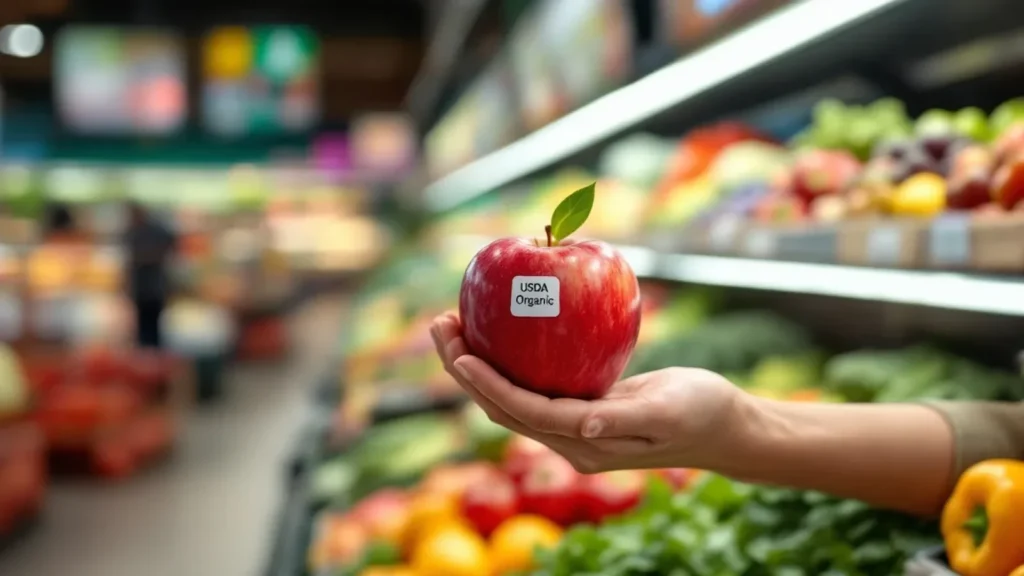
Every piece of loose produce in a supermarket carries a small sticker printed with a Price Look-Up (PLU) code. The number of digits and the leading digit tell you a lot. A five-digit code that starts with 9 indicates the item was grown using certified organic practices. A four-digit code (or a five-digit code starting with 3 or 4) means conventionally grown. A five-digit code starting with 8 historically indicated genetically modified, though that designation is no longer officially maintained by the International Federation for Produce Standards. The key takeaway for Naperville shoppers: flip the sticker, look for a leading 9, and you have your first confirmation before you even reach the register.
2. Look for the USDA Organic Seal on Packaged Items
For bagged salads, clamshell berries, boxed greens, and any other packaged fresh produce, the USDA Organic seal is the gold standard. Under National Organic Program rules, products bearing that green-and-white circle must contain at least 95 percent organically produced ingredients and must be certified by an accredited certifying agent. “Made with Organic Ingredients” on a label means a lower threshold (70 percent), and it cannot display the USDA seal. “Natural,” “hormone-free,” and similar phrases carry no organic certification requirement at all. When you’re doing organic grocery shopping in Naperville, train your eye to find that specific circular seal rather than relying on any green-colored packaging or feel-good wording.
3. Ask About the Certifying Agent, Not Just the Farm Name
If you want it handled correctly the first time, consider professional service areas in Naperville.
Farmers’ market vendors and specialty produce sections sometimes feature attractive signage about their farm’s practices without displaying a formal certification. That doesn’t automatically mean the produce isn’t organic, but it does mean you should ask a direct question: “Are you USDA certified, and which certifying agency issued your certificate?” Legitimate certified growers can name their certifier (Oregon Tilth, CCOF, Midwest Organic Services Association, and similar bodies are common examples). If a vendor hesitates or can’t name a certifying agent, the produce may be grown with organic-style practices that haven’t been independently verified. This matters especially when buying fresh produce in Naperville Illinois at seasonal pop-up markets or farm stands, where certification paperwork is less visible than it is on a grocery shelf.
4. Understand What “Local” and “Organic” Mean Separately
These two words are often used together, but they describe entirely different things. “Local” refers to geographic proximity, with no standard legal definition. “Organic” is a federally regulated production and handling standard. A tomato can be local without being organic, and it can be certified organic while having traveled from a distant certified farm. Neither is automatically superior to the other, but they are not interchangeable. For Naperville shoppers who want both qualities, the practical approach is to look for items that carry the USDA seal and identify a regional growing source. Our article on the advantages of locally grown organic produce explores why that combination is worth seeking out when it’s available seasonally.
5. Naperville’s Seasonal Context Shapes What’s Genuinely Available
Illinois sits in USDA Plant Hardiness Zone 5b to 6a, which means the outdoor growing season runs roughly from late May through October. During those months, certified organic produce from Illinois and neighboring Midwest farms is genuinely abundant, and a well-stocked local grocery store in Naperville will rotate its organic section to reflect what’s actually in season. Outside that window, organic items on the shelf are almost certainly sourced from warmer-climate states or from greenhouse operations. Neither is a problem, but it’s worth noting that a bin labeled “organic spinach” in January is not coming from a DuPage County field. Knowing the local growing calendar helps you calibrate expectations and spot when a retailer’s organic selection is genuinely regional versus year-round imported stock. Naperville’s proximity to the Chicago metro also means the distribution infrastructure supports consistent certified organic supply from major regional distributors, so availability rarely drops off the way it might in more rural Illinois markets.
Many Naperville homeowners rely on expert service areas in Naperville for exactly this.
6. Inspect the Physical Condition of the Produce
Organic certification is a production standard, not a cosmetic one. Certified organic apples may have minor surface blemishes; certified organic peppers may be slightly irregular in shape. That imperfection is often a reasonable indicator that synthetic cosmetic treatments weren’t applied post-harvest, though it is not a certification substitute on its own. What physical condition can tell you is whether the produce has been handled and stored properly after leaving the farm. Wilted greens, soft spots on root vegetables, or signs of mold suggest a cold-chain or freshness issue regardless of certification status. When you’re comparing options at a Naperville supermarket, fresh, firm, and properly cooled organic produce is a sign that the retailer is maintaining the quality the certification promises. For tips on keeping that quality intact once you get home, see how to store organic vegetables properly after purchase.
7. Cross-Reference the Retailer’s Own Sourcing Standards
Not every store that sells organic produce applies the same sourcing rigor. Some retailers maintain direct relationships with certified farms and can trace each item back to a specific grower. Others buy through conventional distribution channels where organic and non-organic items move through the same warehouses, increasing the risk of commingling or mislabeling, though reputable distributors have protocols to prevent this. When you’re evaluating where to do your regular organic grocery shopping in Naperville, it’s worth asking the produce staff how they source their certified items and whether they conduct any independent audits of their suppliers. A retailer that can answer those questions specifically, rather than gesturing vaguely at “our standards,” is demonstrating the kind of supply chain transparency that gives organic labels their meaning. For a broader look at where to find certified organic options across the city, the complete guide to organic food in Naperville covers the full landscape of local sourcing options.
Ready for the next step? Learn how service areas services in Naperville can help and reach out to the team.
Frequently Asked Questions
Does “no pesticides” on a sign mean the produce is certified organic?
Not necessarily. “No pesticides” is an unregulated marketing claim that any vendor can make without third-party verification. Certified organic production does restrict synthetic pesticide use, but the USDA Organic certification involves far more than pesticide avoidance, including soil management, prohibited substance lists, and annual third-party inspections. Look for the USDA seal or ask for the certifying agent’s name rather than relying on unverified signage.
Can I trust the organic label at a Naperville farmers’ market?
Some vendors at local markets are fully USDA certified; others use organic practices without formal certification, sometimes because the certification cost is prohibitive for small operations. The honest approach is to ask the vendor directly whether they hold a current USDA Organic certificate and who issued it. A certified vendor will have that information readily available and may even display their certificate at the booth.
Is organic produce worth the price difference?
That’s a personal decision based on your priorities, and the cost gap varies significantly by item and season. Our piece on managing your organic grocery budget in Naperville breaks down which items tend to show the biggest difference between organic and conventional options, so you can make informed choices without overhauling your entire shopping list at once.
Reading labels carefully, understanding PLU codes, and knowing which questions to ask turns organic grocery shopping in Naperville from a guessing game into a straightforward skill. At Naperville Fresh Market, the produce team is available to answer sourcing questions directly, so you can shop with the kind of confidence that comes from actual information rather than attractive packaging. Stop in and ask us anything.