In Naperville, conversations about food often start simply: What tastes good? What’s in season? What will make dinner feel satisfying without taking over the evening? But beneath those practical questions, many of us weigh a deeper one—how do organic and conventional foods compare for our households, our community, and the land that sustains both? Walking through a local grocer, scanning labels in the produce section, and chatting with growers at the market, you’ll notice that the choice is less a binary and more a set of tradeoffs and values. The comparison becomes clearer when you look at taste, farming practices, nutrition, cost-management strategies, and the rhythms of shopping in this particular city. One steady way to explore both sides is to browse a store’s organic foods department and compare flavors and labels directly with their conventional counterparts, trusting your senses as much as you trust the signage.
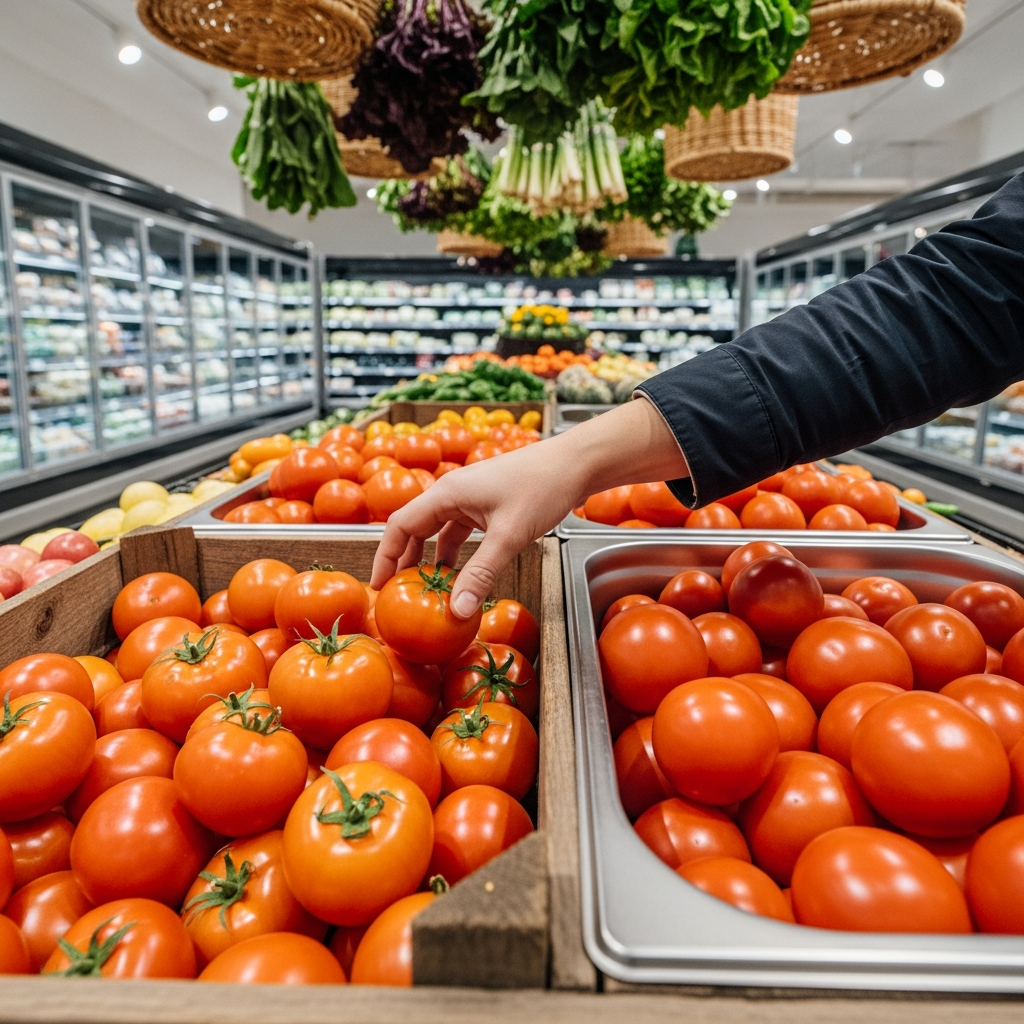
Let’s begin with flavor, because it’s the reason we keep coming back to the table. In my own kitchen, I notice that organic produce often tastes closer to the farm—a tomato that greets you with a green, stemmy aroma; carrots that crack when you snap them; greens with a pleasant bitterness that asks for lemon and salt rather than a heavy dressing. Conventional produce can taste excellent, too, especially when it’s picked at the right time and handled well. The key is freshness. Naperville’s stores and markets, with their robust turnover, give both organic and conventional produce the chance to be excellent. Still, when farms manage soil health carefully and let crops ripen on a saner timeline, as many organic operations do, that attention shows up in the bite.
Farming practices and their ripple effects
Organic farming generally avoids synthetic pesticides and fertilizers, relying instead on methods like crop rotation, composting, and biological pest control. These practices support soil structure and the biodiversity that keeps a farm resilient. Conventional farming, on the other hand, has a wider toolkit that includes synthetic inputs designed to maximize yields and manage pests efficiently. In practice, the difference is visible in how fields look after rain, how insects and birds move through the landscape, and how farmers talk about their work.
For consumers, the question is how those upstream decisions affect dinner. When soil is treated as a living system, crops often develop flavors that reflect that vitality. Nutrient profiles can vary by variety and growing conditions, not just by whether a field is organic or conventional, but the general principle holds: tending the soil tends the flavor. Shoppers in Naperville can ask growers directly about their practices at markets, and stores increasingly offer signage that details sourcing, which helps you align purchases with your values without conducting a research project in the aisle.
Nutritional considerations and label literacy
Nutrition science is nuanced, and sweeping claims rarely hold up across every food. What you can count on is this: minimally processed foods with clear ingredient lists tend to support better eating habits, regardless of the certification. Many organic packaged foods embrace that simplicity—fewer additives, shorter labels. On the produce side, differences in nutrient levels between organic and conventional items often come down to variety and freshness. That’s why Naperville’s emphasis on turnover and seasonality matters so much; the fresher the item, the more likely it is to deliver the flavor and texture that encourage good choices throughout the week.
Label literacy helps. Organic certification has specific requirements, while terms like “natural” are less regulated. Learning the basics—what the USDA Organic seal covers, how to read PLU codes, where to find farm origin—arms you with confidence. Over time, you won’t need to parse every label; you’ll build a stable of trusted products and farms that become your defaults, reducing decision fatigue.
Cost and value without the noise
Families sometimes frame organic versus conventional as a budget battleground. The reality in Naperville is more flexible. Value emerges when you buy what’s in season, plan meals that use ingredients fully, and shop where quality is consistent. Choosing organic for daily staples like greens, milk, and eggs can align spending with impact, while allowing conventional choices for sturdier items when quality is comparable. Batch-cooking and smart storage reduce waste, which is often the silent cost that undermines careful planning more than the price on a single item ever could.
Another underappreciated lever is cooking technique. When you roast vegetables properly or finish a soup with a bright splash of acid, you draw out depth that satisfies with smaller portions and fewer extras. In other words, good cooking amplifies value regardless of the certification on the box.
Environmental and community impacts
Organic practices aim to reduce certain environmental burdens, including chemical runoff and soil degradation. Conventional farms, especially larger operations, can produce food at volumes that stabilize supply and meet demand. The sweet spot for a community like Naperville is often in supporting a mix: buy from local farms that steward their land carefully—many of which farm organically or close to it—and rely on trustworthy stores to bring in additional produce and staples when the season or weather thins local availability. That hybrid approach keeps your table full and your purchases aligned with a more resilient food system.
Community benefits go beyond the environment. When you talk with a grower at a market or a knowledgeable clerk in a store’s produce section, you’re building a relational map of food in Naperville. Those conversations travel. They inform what stores stock, what restaurants cook, and what kids learn about dinner at home. In a city that prides itself on education and parks, it makes sense that we’d extend that care to our food culture, too.
Cooking differences at the stove
Cooking organically doesn’t require new skills, but it does reward attention. Because flavors can be more pronounced—greens with a peppery edge, carrots with deeper sweetness—you can season with a lighter touch. Let ingredients lead. The same is true with well-sourced conventional produce: if the tomatoes smell like tomatoes, you don’t need to bury them in sauce; you can slice, salt, and finish with oil. The throughline is freshness and care, which Naperville stores increasingly prioritize regardless of category.
One practical difference shows up in perishability. Produce grown without certain post-harvest treatments might have a shorter window at peak. That’s not a drawback if you shop with rhythm: a bigger weekend trip and a small midweek refresh. That pattern keeps your kitchen stocked with food that’s ready to shine, and it fits the city’s flow whether you’re near downtown or out by 95th Street.
Choosing where to spend attention
Attention is the scarcest resource in a busy household. The best strategy is to spend it where it pays off most. If your family eats a lot of salads, focus on organic greens and dressings made from recognizable ingredients. If breakfast anchors your day, prioritize organic yogurt and fruit. For pantry items you use occasionally, pick the best option available and move on. This targeted approach converts a complex debate into practical action you can sustain all year.
Over time, many Naperville shoppers settle into a hybrid cart: organic for high-impact items, conventional for sturdy produce and packaged goods that meet their standards, and local for what the season does best. That mix reflects respect for your budget, your time, and your taste buds. It also reflects the reality that our stores are built to support a range of good choices.
Shopping patterns that make comparison easy
Side-by-side comparisons teach you more than any article can. Choose a night to make a big salad or a vegetable-forward pasta. Buy an organic head of lettuce and a conventional one from a store with strong turnover. Taste them plain first, then dress them lightly. Do the same with carrots or apples. Take notes—informal is fine. You’ll learn which items pay the biggest dividends for you. The exercise isn’t about proving a point; it’s about building a personal map of value that reflects your preferences, not someone else’s.
In stores where organic options are clearly arranged, the process is even simpler. You can move from one case to the other in a straight line, compare labels, and decide in the moment. When the layout makes it easy, you’re more likely to run the experiment and refine your habits with confidence. That’s one of the quiet advantages of shopping in a city that treats organic as part of the norm.
Kids, schools, and teaching through taste
Naperville families know that kids learn by doing. Invite them into the taste tests. Let them choose the apple they prefer and explain why. Ask which greens they like better in a taco. When children participate, they take ownership of the result, and that ownership turns into curiosity at the table. Whether the item came from the organic or conventional bin matters less than the fact that you’re building a habit of paying attention to food.
Schools, parks, and community programs reinforce those lessons. Potlucks that feature market salads, cooking demos that spotlight local produce, and garden beds that kids can tend all contribute to a culture where the organic-versus-conventional conversation feels less like a debate and more like an exploration.
Frequently asked questions
Is organic always more nutritious than conventional? Not in a blanket sense. Nutrient levels vary by variety, soil, and freshness. What consistently supports good nutrition is eating a wide range of fruits, vegetables, whole grains, and proteins, and choosing items that taste good enough to keep you coming back for more.
How do I decide which items to buy organic? Start with what you eat most often, especially thin-skinned fruits and leafy greens. If a particular item’s organic version tastes significantly better to you, prioritize it. For sturdier produce where the difference feels smaller, choose based on freshness and value that week.
Will I have to change how I cook if I buy more organic food? Not really. Focus on simple techniques—roasting, sautéing, simmering—that let ingredients lead. Taste as you go and adjust seasoning lightly. The quality of the produce does most of the work.
Can conventional produce still be a good choice in Naperville? Yes. Our stores do a strong job with turnover and sourcing, so conventional items can be fresh and flavorful. Use your senses. If it looks and smells great, it probably will taste great, too.
How can I compare without spending extra time? Build comparisons into meals you’re already making. Split a salad’s base between two lettuces, or place organic and conventional apple slices side by side for dessert. Quick, low-effort checks teach you a lot and help you refine your cart over time.
If you’re ready to turn a complicated comparison into a confident routine, let your senses guide you, plan around the season, and shop where quality is easy to find. When it’s time to restock, walk through a dependable grocer’s organic foods in Naperville, choose the items that match your values and taste, and bring them home. Your table—and your week—will reflect the difference.