When you live in Naperville, the rhythm of family life has its own local cadence—Saturday soccer at Frontier Park, a quick stop downtown for coffee, and a late-afternoon stroll along the Riverwalk before dinner. Many of us here have been rethinking what lands on our plates, especially as our kids grow and schedules tighten. The turn toward organic choices is not just a national trend; it is something you can feel at the grocery aisles in town, at the farmers market near Fifth Avenue Station, and in conversations at school pickup. It’s easier than ever to find a thoughtful range of organic foods that fit real family routines without sacrificing flavor, quality, or values.
Talking with neighbors, you’ll hear a familiar mixture of motivations: healthier meals that kids will enjoy, support for local growing practices that keep our waterways clean, and a desire to slow down and cook at least a few nights a week. Organic eating in Naperville isn’t about perfection or rules; it’s a practical approach that recognizes how families actually live. When we focus on building a week around fresh produce, responsibly raised proteins, and pantry staples that we can trust, the payoff shows up in energy, better sleep, and a little more confidence in the kitchen. The fact that these choices often resonate with our community values is a welcome bonus.
Why families in Naperville are embracing organics
Parents in District 203 and 204 often trade notes about school lunches and after-practice snacks, and the conversation frequently returns to simplicity and quality. Organic produce and dairy can reduce exposure to certain pesticides and additives while helping us re-center family meals around recognizable ingredients. There’s also a taste benefit that kids notice. Vine-ripened tomatoes in late summer, crisp apples as the weather cools, or leafy greens with real bite can turn an ordinary dinner into something that feels special. When food tastes better, we spend less time persuading picky eaters and more time enjoying the meal together.
Health-wise, families report feeling steadier energy when their meals lean on whole foods. It’s not magic; it’s the cumulative impact of nutrient-dense ingredients and fewer distractions from artificial flavors or colors. Many parents see this most clearly at breakfast and in lunchbox snacks, where consistent choices help kids focus through the day. Meanwhile, teens who are learning to cook discover that organic basics—eggs, oats, yogurt, and vegetables—give them a dependable foundation for experimenting with recipes and forming lifelong habits.
Local flavor: how Naperville’s places shape our plates
Our town’s parks, schools, and market hubs make it easy to keep food fresh in both senses of the word. Riverwalk strolls encourage everyday movement; Centennial Beach afternoons pair perfectly with quick homemade wraps; and a weekend pass through the growers’ stands reveals what’s at peak ripeness. These cues, unique to Naperville life, guide us toward seasonal eating without much effort. When sweet corn is incredible, we plan for it. When crisp fall greens are at their best, we lead with salads and soups. The rhythm of local abundance keeps meals interesting while naturally tilting toward organic choices that respect the season.
Within neighborhoods—from Brookdale to Ashbury—food conversations travel. One family cracks the code for kid-friendly roasted root vegetables; another perfects a five-ingredient pasta with spinach and mushrooms. Sharing these small victories builds a culture where choosing organics is simply part of being a good neighbor: we borrow recipes, trade tips for storing produce, and keep an eye out for the freshest arrivals.
Making organic choices work on busy schedules
Time is the biggest obstacle for most families. Between commutes, activities, and homework, the idea of cooking from scratch can feel unrealistic. The trick is organizing meals in layers. Start with one reliable anchor for the week—a big pot of brown rice, roasted sweet potatoes, or a tray of marinated chicken—and then remix it into tacos, grain bowls, and quick soups. When the ingredients are organic and flavorful, repurposed meals still feel vibrant. It’s a method that particularly suits weeknights after practice at Nike Park or a late return from a school event.
Another tactic is building a smart snack shelf. Keep organic nuts, dried fruit, whole-grain crackers, and a few dark-chocolate squares within reach for the afternoon rush. Pair them with cut vegetables and hummus, and you’ve got a rotation that supports concentration without a sugar crash. Small, predictable details like these make the overall commitment feel less like a project and more like a rhythm.
What the science tells families—without the jargon
Discussions about food can get technical fast. Most parents I speak with just want clear takeaways. First, centering meals on whole, minimally processed ingredients helps regulate energy and mood. Second, organic produce and dairy reduce exposure to certain synthetic pesticides and additives, a tradeoff many families find reassuring. Third, when kids can taste the difference—especially in fruits, vegetables, and eggs—they’re more likely to participate in cooking and eat a wider variety of foods. None of this demands a perfect pantry. It’s about nudging your baseline upward and letting the results accumulate over months, not days.
It’s also worth noting that the sensory experience reinforces the habit. When strawberries are fragrant, carrots snap cleanly, and greens have a peppery lift, our brains register satisfaction that highly processed snacks struggle to match. You begin to feel the feedback loop in your own household: better ingredients lead to simpler meals, and simpler meals taste better.
Cooking with kids the Naperville way
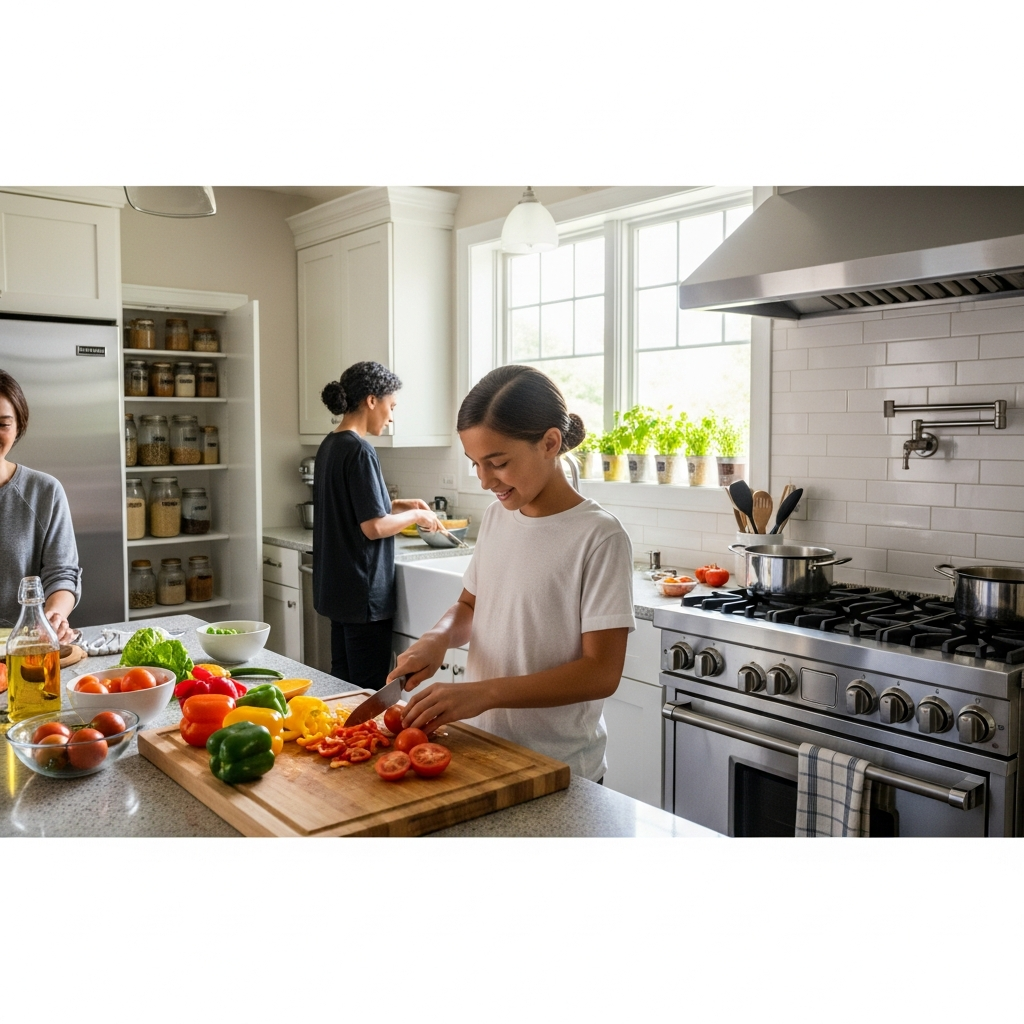
Involving children transforms weeknight meals from a chore into a family ritual. Assign age-appropriate jobs: washing greens, tearing herbs, whisking dressings, or stirring soups. A favorite local twist is to connect cooking projects to the season—packing trail mix for a Knoch Knolls outing, baking squash boats on chilly weekends, or blending smoothies before biking the DuPage River path. The more ownership kids feel, the more likely they are to try new foods, including those leafy greens that once seemed intimidating.
Keep the first experiments small. A side of roasted carrots with a drizzle of honey, a skillet of garlicky spinach, or a yogurt parfait with organic berries can recalibrate palates gently. Once a few vegetables earn “favorite” status, the rest follows. Before long, your family will have a go-to rotation of easy, organic sides that slip into any menu without fuss.
Finding momentum in the middle of the week
Midweek is where intentions live or die. This is the moment to lean into convenience that still honors your goals. Pre-washed salad greens, steam-ready broccoli, canned beans, and jarred tomato passata can combine into real meals in minutes. A bowl of warm lentils layered with roasted vegetables, a splash of olive oil, and a crumble of cheese hits the table faster than takeout most nights. Knowing you can swing this after a long day reduces stress and helps maintain consistency over time.
It helps that Naperville’s stores have diversified selections. Whether you’re grabbing pantry staples or browsing a dedicated section for organic produce, it’s easier than ever to find what suits your plan. If you need a reset while shopping, let your cart pass through the aisle with a strong range of organic foods. It’s a quick way to anchor the rest of your choices, reminding you to keep meals colorful and ingredient lists short.
Supporting the local environment while feeding your family
Families here care deeply about our shared spaces—clean creeks, lively gardens, and pollinator-friendly yards. Choosing organics where you can dovetails with those values by encouraging farming practices that protect soil health and biodiversity. That matters even when products come from beyond our city limits, because the growing methods echo the stewardship we practice at home. Teaching kids that their snacks and suppers connect to the world outside the kitchen is a small but powerful lesson in citizenship.
There’s also community resilience to consider. When more residents seek out responsibly grown food, our local retailers expand their offerings, making it easier for every household to find what they need. This positive feedback loop strengthens Naperville’s food landscape and helps ensure that the next generation inherits better choices by default.
Building balanced plates without overthinking it
On busy nights, think in threes: something fresh, something hearty, and something bright. Fresh can be a simple salad or sliced fruit. Hearty might be roasted potatoes, quinoa, or a warm loaf of bread. Bright could be a lemony dressing, pickled onions, or a handful of chopped herbs. If the core elements are organic, small touches go a long way. This structure keeps meals from feeling repetitive and teaches kids how to assemble satisfying plates intuitively.
Breakfast deserves the same care. A bowl of hot oatmeal topped with apples and cinnamon, eggs with sautéed greens, or a smoothie blended with frozen berries can carry a morning. Knowing that the core ingredients were grown with care adds a layer of reassurance as everyone scatters for the day’s commitments.
Overcoming common sticking points
Every family has hurdles. Picky eaters, limited time, and the occasional kitchen burnout show up in nearly every household. Rotate flavors to stay interested—swap romaine for peppery arugula, stir fresh herbs into rice, or add a citrus splash to roasted vegetables. Keep a few back-pocket sauces ready: yogurt with garlic and lemon; tahini with warm water, salt, and cumin; or a quick pesto using kale and walnuts. These easy accents turn ordinary staples into craveable meals while keeping the focus on whole, organic ingredients.
When a week gets away from you, fall back on “pantry dinners.” Beans, pasta, canned tomatoes, and frozen vegetables can quickly morph into soups, stews, and skillets that taste home-cooked and nourishing. You don’t need perfection to reap the benefits; you need persistence, plus a willingness to celebrate small wins like a kid asking for seconds of roasted broccoli.
Weekend resets that support the week ahead
Naperville weekends are tailor-made for a gentle reset. Swing by a market for seasonal produce, plan two anchor dinners, and pre-wash a few vegetables. Bake a tray of granola, whisk a jar of vinaigrette, and hard-boil a half dozen eggs. These quiet steps, done in an hour, eliminate decision fatigue Monday through Wednesday. When the house smells like roasted squash and your fridge holds a colorful selection of ready-to-mix components, dinner practically assembles itself.
Use Sundays to reconnect with why the shift toward organics matters to your family. Maybe it’s about energy for sports and music lessons, or respect for the natural beauty along the DuPage River. Naming that purpose helps everyone pull in the same direction when schedules tighten and temptations arise.
Stories from Naperville kitchens
Some of my favorite local moments come from tiny victories: a preschooler discovering that roasted carrots taste like candy, a high schooler perfecting sheet-pan fajitas with peppers and onions, or a couple at the Riverwalk sharing a thermos of homemade vegetable soup on a cool evening. These small wins accumulate into a culture of eating we’re proud to pass down. Food becomes more than fuel—it’s a language of care that kids understand immediately.
If you’re just beginning, pick one nightly habit. Maybe it’s a salad starter, a piece of fruit after dinner, or cooking an extra batch of grains for quick leftovers. Stack one improvement on the next. In a few months, you’ll look back and see a very different kitchen—one that hums efficiently and welcomes everyone to the table.
Frequently asked questions
Note: The following questions reflect what local families ask most often, translated into clear guidance you can use tonight.
How do I start switching to organic without overhauling everything at once?
Begin with the items your family eats daily. If breakfast always includes milk and fruit, focus there. If salads anchor most dinners, make leafy greens and olive oil your first organic picks. This approach maximizes impact while minimizing stress. As you gain momentum, expand to pantry basics and snacks, one category at a time.
What if my kids are picky about vegetables?
Introduce new flavors alongside familiar favorites, and let kids help prepare them. Roasting brings out sweetness in carrots, squash, and tomatoes, making them more appealing. Offer dips, herbs, and a little crunch from seeds or nuts. Celebrate small victories and repeat them until they become part of your rotation.
Can organic choices really fit busy school nights?
Yes. Keep a short list of “under 20 minute” meals: eggs and greens with toast, pasta tossed with canned tomatoes and spinach, or lentil bowls with roasted vegetables you prepped on Sunday. Stocking flexible organic staples ensures you can pivot when practices run late.
Do organic foods taste different?
Often, yes—especially produce, eggs, and dairy. Peak-season fruits and vegetables tend to have fuller aroma and more concentrated flavor. That difference is what persuades many families to stick with organic once they begin.
How can I keep produce fresh longer?
Store leafy greens in breathable containers with a paper towel to absorb moisture, keep berries dry until just before eating, and separate ethylene-producers like apples and bananas from sensitive items like greens and herbs. A small weekly reset—washing, drying, and portioning—pays big dividends.
Is it okay to mix organic and conventional in the same meal plan?
Absolutely. Many households blend approaches based on availability and preferences. The aim is a long-term pattern that emphasizes whole, nourishing food. Celebrate progress rather than chasing perfection.
When you’re ready to translate ideas into action, you’ll find that Naperville’s stores and markets make it easy to keep momentum. Reacquaint yourself with a dependable selection of organic foods and plan your next dinner around what looks and smells best today. Let the season lead, keep flavors simple, and invite the whole household to help.
If you’d like a nudge to get started this week, commit to one home-cooked dinner and one family breakfast, then build from there. Your next great meal might be simpler than you think—fresh greens, a warm grain, a bright dressing, and good company. For reliable variety and inspiration close to home, explore Naperville’s best selection of organic foods and make tonight’s table the beginning of a new family rhythm.