
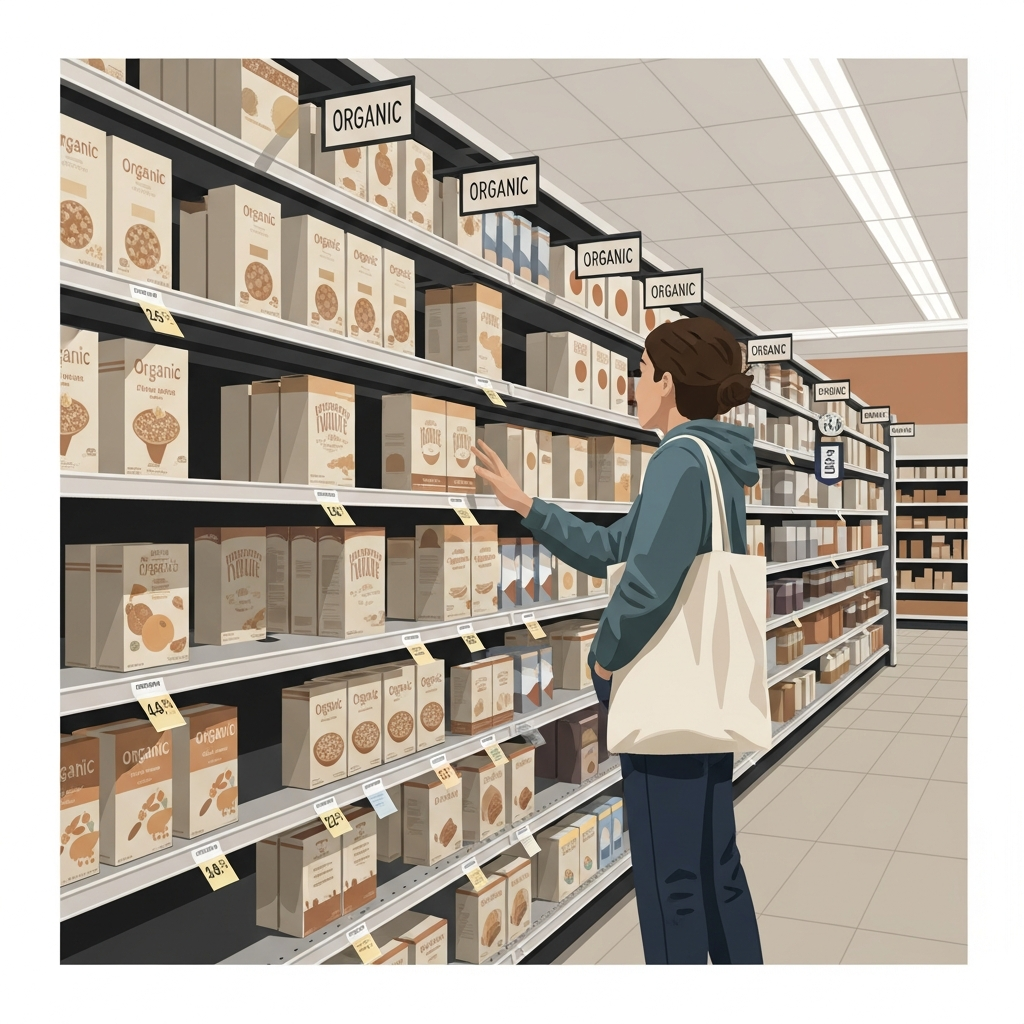
Most Naperville shoppers I meet want the same three things from their cart: great taste, reliable freshness, and a plan that actually fits a busy week. Choosing organic sounds simple until you’re standing in front of a wall of labels, puzzling over claims, and wondering how to keep kale crisp until Thursday. If that’s familiar, you’re not alone. The good news is that the most common issues have practical fixes that respect both your time and your palate. With a clear approach—and a few local habits—you can turn organic shopping into a dependable rhythm, from the Riverwalk to your kitchen table.
Think about how you move through a store. In Naperville, many of us zip in after work or between practices, scanning for a handful of anchors and a few bright accents. That speed is part of the problem and the solution. If you know what to look for and how to store it once you get home, organic choices become second nature. Below, I’ll unpack the sticking points I hear most often and share how neighbors are solving them without adding stress.
Issue 1: Label overload and certification confusion
Organic labels live in a thicket of terms: certified organic, made with organic ingredients, natural, non-GMO, regenerative, and more. It’s no wonder shoppers feel stalled. The simplest starting point is to look for clear, third-party certification for core items and then read the ingredient list. Short, recognizable ingredients usually point to products that align with organic values, even beyond produce. When comparing two cereals, for instance, the one that reads like a home pantry—oats, nuts, dried fruit—will typically serve you better than a list laced with isolates and flavoring agents.
It also helps to connect labels to function. If you’re buying something you eat daily—milk, eggs, greens—prioritize formal certification. If it’s an occasional treat or specialty condiment, focus on quality and ingredient clarity. This framework reduces decision fatigue and keeps your attention where it matters most.
Issue 2: Inconsistent freshness
Nothing discourages good intentions faster than wilted lettuce or mealy peaches. Freshness is partly on the store and partly on us. Shop with your senses: look for firm greens, aromatic herbs, and fruit that smells like itself. Check stems and leaves for vitality; if they’re limp, the clock is already ticking faster. Once home, give produce a quick triage. Dry-wash-and-store delicate greens; keep berries dry until you’re ready to eat; and separate ethylene producers like apples from ethylene-sensitive items like leafy herbs.
Naperville’s weekly rhythms can help. Make a brief stop midweek to refresh fragile items and restock a staple or two. That 10-minute visit can salvage a week’s plan and keep dinners colorful when energy dips.
Issue 3: Limited variety at peak times
Saturday mornings can feel like a treasure hunt with half the city competing for the same perfect tomatoes. If you’ve ever watched your must-have item vanish just as you arrive, consider a two-pronged habit: shop early for the most perishable produce and keep a shortlist of flexible substitutes. No arugula? Grab spinach and a lemon—different, but still bright. Out of cherry tomatoes? Pick up a can of high-quality organic tomatoes for a quick sauce and lean on another fresh vegetable for crunch.
Middle-of-the-week shopping is another secret weapon. Selection can rebound after weekend rushes, and the store is calmer, allowing you to ask staff questions and discover alternatives you might otherwise miss.
Issue 4: Family preferences and picky eaters
Parents quickly learn that organic doesn’t automatically equal kid-approved. The solution is exposure without pressure. Roast vegetables to bring out sweetness, add a familiar dip, and involve kids in choosing herbs or seasonings. If a new vegetable flops on Monday, try it again a different way on Thursday—raw, shaved thin into a salad, or stirred into soup. Keep the tone casual and celebratory, and let favorites lead the way. Success with carrots or sweet potatoes often opens the door to beets, broccoli, and greens.
Remember that texture sells as much as flavor. Crisp edges on roasted cauliflower or the snap of sugar snap peas can hook a hesitant eater more effectively than a lecture on nutrients.
Issue 5: Time constraints and meal planning fatigue
Between commutes and activities, time is the real tax on good intentions. The antidote is repetition with variation. Choose two anchor meals per week—say, a tray of roasted vegetables and a pot of grains—and spin them into bowls, wraps, or frittatas. Keep pantry-ready sauces on hand: a lemony yogurt, a tahini drizzle, or tomato passata warmed with garlic. These small building blocks give you options even when you’re running behind after practice at Frontier Park.
Prepared organic components can also be a bridge. Pre-washed greens, steam-in-bag vegetables, and cooked beans take minutes to turn into a meal. The key is assembling, not overcooking. Let texture do the work, and you’ll be surprised how quickly dinner appears.
Issue 6: Storage mishaps that shorten shelf life
Most waste happens after checkout. A few simple tweaks extend freshness dramatically. Keep greens in breathable containers with a dry towel, store herbs upright in water like a bouquet, and give root vegetables a cool, dark home. Keep berries dry and separate, rinsing only before you eat. Label leftovers with the day of the week so they don’t become mystery containers hiding in the back of the fridge.
Think in “quick-use” tiers. Fragile items—berries, tender greens, herbs—go first. Sturdy produce—cabbage, squash, carrots—carries you through the weekend. Planning around durability keeps meals colorful without forcing a midweek scramble.
Issue 7: Skepticism about whether organic is worth it
Plenty of Naperville shoppers ask if organic is truly different. Start by tasting side by side when the season is at its best—tomatoes in late summer, berries in early summer, apples in fall. Flavor is a compelling teacher. Then, read a few labels in the center aisles and notice the shorter, simpler ingredient lists on many organic pantry staples. For many households, those two observations are enough to make organic choices feel like common sense rather than a trend.
It also helps to connect the dots between soil health, water quality, and the spaces where we walk, bike, and play. Choosing products grown with care supports the same values we practice in our yards and parks, closing the loop between personal and community well-being.
Issue 8: Decision fatigue in the middle of the store
The center aisles can be overwhelming—cereals, crackers, sauces, snacks. Create a personal rule: if a staple shows up five times a week, choose the organic version when available. Oats, beans, rice, and canned tomatoes are good candidates. Apply the “five-ingredient” glance for processed items; the closer the list is to your home pantry, the better it tends to play with fresh ingredients at home.
Once you’ve set these rules, shopping speeds up. You’ll spend your energy choosing vibrant produce rather than parsing tiny font on boxes. That’s a better use of attention on a tight schedule.
Issue 9: Running out of ideas
Even enthusiastic cooks hit ruts. Naperville’s advantage is our communal curiosity. Swap recipes with neighbors, ask store staff what they’re cooking, or let a single seasonal ingredient drive the week. A beautiful head of cabbage might become slaw, stir-fry, and soup. A tray of roasted squash can morph into tacos, salads, and a creamy pasta. One decision sparks three dinners when you think in terms of components instead of isolated recipes.
Prepared foods can serve as inspiration, too. If you loved a roasted cauliflower salad from the deli, reverse engineer it at home with organic cauliflower, chickpeas, and a bright dressing. Copying success is faster than inventing from scratch.
Frequently asked questions
Note: These Q&As reflect the concerns I hear most in Naperville’s aisles.
How do I verify that a product is truly organic?
Look for clear certification on the package and skim the ingredient list for simplicity. If you’re unsure, ask staff—they often know which suppliers maintain strong standards and can point you toward reliable choices across categories.
What should I buy fresh, and what works well frozen or canned?
Buy fresh when texture matters—salads, quick sautés, and raw applications. Choose frozen berries, peas, and spinach for convenience and reduced waste. Canned tomatoes and beans are weeknight heroes. All three forms can be organic and play well together in fast, satisfying meals.
How can I keep greens from wilting before I use them?
Wash and dry them thoroughly, then store in a breathable container with a dry towel to absorb moisture. Keep the container near the front of the fridge as a visual cue, and plan to use tender greens early in the week and sturdier greens later.
What’s the fastest path to a kid-friendly organic dinner?
Roast a tray of vegetables with olive oil and a pinch of salt, cook a pot of grains, and set out a simple sauce or yogurt. Let kids build their own bowls. Familiar textures and choices tend to lower resistance and encourage trying new flavors.
How do I avoid food waste with organic produce?
Plan quick-use tiers: eat fragile items first, save sturdy vegetables for later, and earmark a midweek pantry dinner for odds and ends. Label leftovers, and keep a “use-soon” bin that collects ingredients for omelets, soups, or quesadillas.
When the week is moving fast and you need a dependable game plan, look for sections that group high-quality organic foods with complementary pantry staples. That visual cue makes it easier to stick to your plan without overthinking. Rely on repeatable techniques—roasting, simmering, quick sautés—and let seasonal produce set the tone.
If you’re ready to turn these ideas into dinner tonight, start with one beautiful vegetable, one grain, and one protein you’re excited to cook. Keep the sauce simple, invite a helper, and enjoy the process. For steady inspiration and reliable variety all year, stop by Naperville’s most curated selection of fresh and pantry-ready organic foods and make your next week smoother, tastier, and more colorful.