
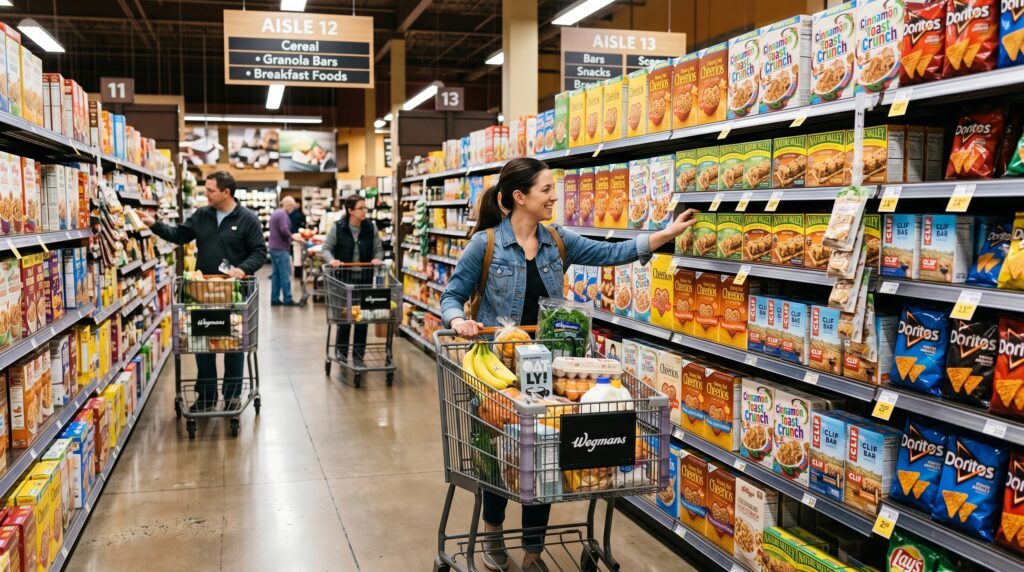
Even in a well-run Naperville store, shopping can bring challenges that chip away at the joy of cooking and gathering. The good news is that many of these hurdles are solvable with thoughtful store practices and a bit of shopper strategy. Over years of talking with families in neighborhoods from Brookdale to South Pointe, and observing the ebb and flow of busy weeks, I’ve seen the same themes recur. The goal isn’t to eliminate every hiccup—that’s unrealistic—but to reduce friction so meals feel easier and more satisfying. A responsive grocery department can make the difference between frustration and a smooth, even pleasant trip.
Some challenges trace back to timing, others to communication, and still others to layout and product mix. The effects are felt most keenly by parents shopping with kids, older neighbors managing mobility, and anyone squeezing errands between commitments. When stores acknowledge these realities and adapt, everyone wins.
Inconsistent Stock And The Domino Effect
Few things derail a plan faster than missing key ingredients. You might have built dinner around fresh basil, only to find the bin empty. Or a favorite yogurt is gone when a child needs it for school mornings. These gaps trigger a domino effect—recipes change, backup plans falter, and time evaporates. Solutions often involve better forecasting, tighter communication between departments, and transparent signage that suggests alternatives. For shoppers, keeping a flexible mindset and a small list of go-to substitutes can restore momentum without compromising satisfaction.
Overcrowding At Peak Hours
Saturday late morning, weeknights just after work, and pre-holiday afternoons can turn a quick shop into a maze. Narrow pinch points, long waits at service counters, and congested checkouts add stress. Stores can ease this with deliberate staffing, additional express lanes, and clear traffic patterns. Shoppers who can swing a morning or late-evening visit often enjoy a quieter experience. But not everyone has that luxury, so designing for peak flow is essential.
Layout Confusion And Backtracking
We all know the feeling of hiking back across the store because tortillas were grouped in an unexpected spot or the baking aisle had a surprise reorganization. Confusing placements slow trips and increase fatigue, particularly for parents with strollers or seniors using mobility devices. The best stores post clear, accurate signage, keep related items together, and notify shoppers when sections are shifting. When changes are necessary, friendly associates stationed nearby can save the day with a quick redirection.
Quality Variability
Quality lapses, even small ones, erode confidence. Wilted herbs, bruised berries, or a deli that’s behind on rotation turn an otherwise pleasant trip into a disappointment. The fix involves consistent training, rigorous backroom checks, and empowered staff who remove questionable items proactively. Shoppers can also help by flagging concerns in the moment; a responsive team appreciates the heads-up and can address issues before they ripple outward.
Allergen And Dietary Clarity
Managing allergies or dietary needs is stressful when labels are unclear or items are scattered. Cross-contamination concerns at self-serve areas add to the anxiety. Thoughtful stores cluster allergen-friendly items, invest in clear shelf tags, and provide transparent ingredient lists at service counters. This isn’t just a convenience issue; it’s about safety and inclusion for neighbors with serious health considerations.
Technology Without Friction
Digital shopping tools can save time, but glitches—out-of-sync inventory, confusing substitutions, or clunky apps—undercut their promise. A balanced approach ties digital systems closely to what’s actually on the floor and trains staff to handle online orders with the same care as in-person requests. For shoppers, keeping notes in the app, specifying acceptable substitutions, and double-checking produce preferences can improve outcomes over time.
Parking And Quick-Trip Access
In busy corridors, parking can be a stressor, especially when you’re grabbing a handful of items. Designating short-term spots and clear curbside pickup lanes helps, as do thoughtful cart corrals that keep aisles open. Inside, a few well-placed endcaps with milk, eggs, bread, and produce favorites can turn a long hike into a three-minute dash, restoring sanity to a full day.
Service Counters During Rush
Delis, bakeries, and meat counters can create bottlenecks when staffing doesn’t match demand. Posted wait times, number systems that actually move, and visible prep activity reassure shoppers that progress is happening. Associates trained to suggest quick alternatives—pre-sliced options, packaged equivalents, or time-saving components—help families keep moving without sacrificing quality.
Communication Gaps
Sometimes the biggest issue is not knowing what’s happening. Is a product discontinued or just temporarily out? Has the layout changed or is a shelf simply being restocked? Stores that communicate with clear signs, friendly floor staff, and updated digital listings reduce confusion across the board. For shoppers, a quick conversation can save fifteen minutes of hunting, and most associates are eager to help.
Fatigue And Decision Overload
Modern stores carry thousands of items, which can overwhelm a tired brain. Thoughtful merchandising—fewer, better choices where appropriate; simple meal suggestions beside staple ingredients—helps shoppers stay focused. Parents appreciate endcaps that show how to assemble a dinner quickly, and seniors value clear fonts and logical groupings that cut down on guesswork.
Maintaining Cleanliness During Busy Times
Clean floors, tidy displays, and well-sanitized carts make or break a shopping trip. During rushes, it’s easy for standards to slip. Stores that schedule quick-turn cleaning sweeps and empower every associate to tidy on sight keep the environment consistently welcoming. Shoppers notice the difference and reward it with loyalty.
Balancing Choice With Simplicity
Choice is good until it becomes noise. The best stores strike a balance, offering depth where it matters—authentic global ingredients, trusted household staples—while keeping other categories lean and navigable. This balance respects both adventurous cooks and busy families trying to get home for dinner on time.
Seasonal Swings And Holiday Pressure
Holiday weeks test even the best operations. Demand spikes, and patience thins. Stores that plan early with expanded hours, additional staging areas, and extra hands on deck can keep aisles calm and lines moving. Shoppers who build a simple plan and delegate a few tasks to family members navigate the season with less stress, turning pressure into festive anticipation.
Frequently Asked Questions
How can I avoid the worst crowds?
Early mornings and later evenings on weekdays are typically calmer. If weekends are your only option, arrive right when doors open. Keeping a focused list and starting with high-demand sections first also helps you beat the rush.
What should I do when a key item is out of stock?
Check for store signage with alternatives or ask an associate for a quick substitute. Often, a similar product sits just a few feet away. Consider a simple recipe pivot that keeps your overall plan intact.
How can I shop with kids and stay sane?
Give children small jobs—counting produce, choosing one new fruit, or locating a familiar cereal. Short, purposeful trips minimize fatigue, and a calm, predictable route through the store reduces backtracking.
What’s the best way to use curbside or delivery effectively?
Be specific about substitutions and note produce preferences. Keep a running list throughout the week so your order reflects real needs. When possible, review your cart once more before checkout to catch duplicates or gaps.
How do I communicate concerns without feeling like I’m complaining?
Be direct and kind. Describe the issue and how it affected your trip. Most teams appreciate the feedback and will act quickly to fix the problem, especially when it helps other shoppers too.
When a store listens, adapts, and communicates clearly, common issues lose their sting. Your trip becomes smoother, and home cooking regains its place as the centerpiece of family life. If you’re ready to experience a more thoughtful approach to shopping—where associates anticipate needs and solutions are easy—visit us and explore a smarter, calmer grocery experience designed for Naperville neighbors.