
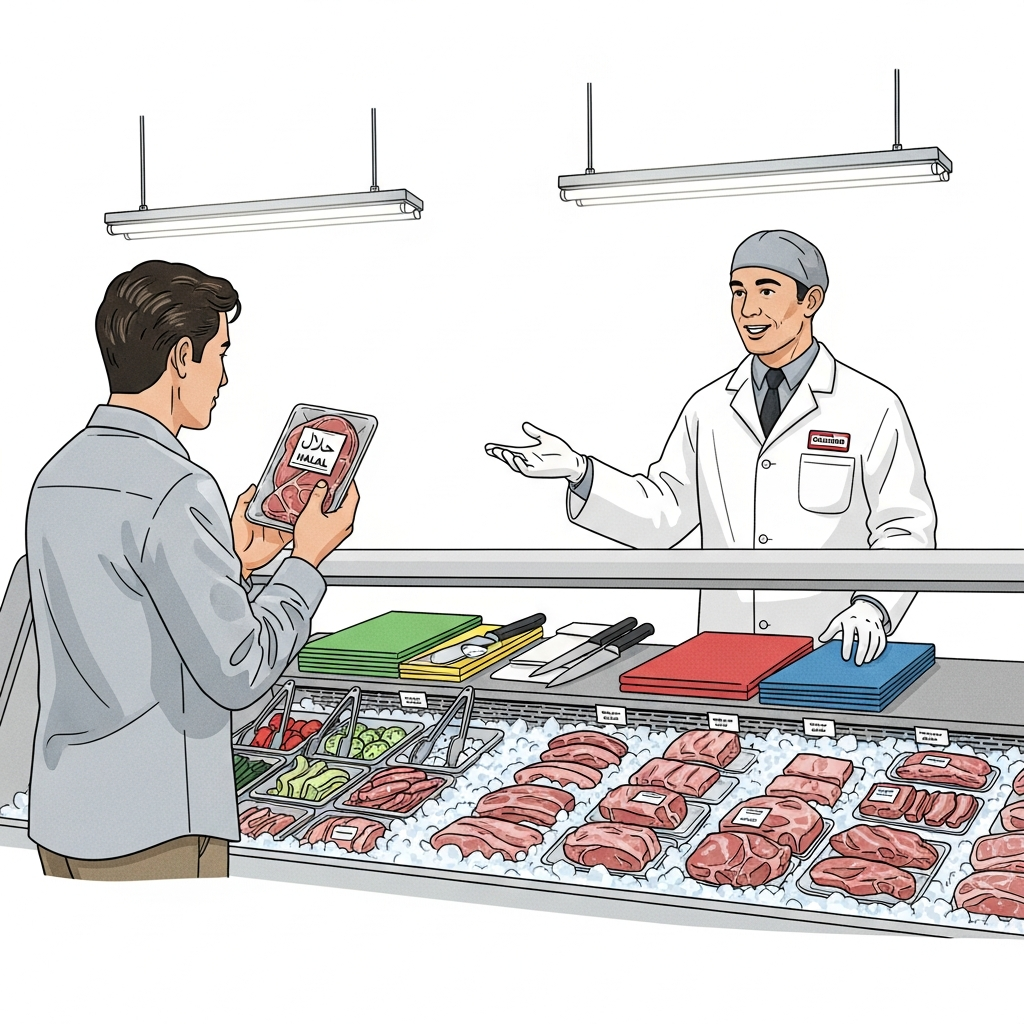
Shoppers in Naperville are discerning, and with good reason. You can taste the difference when sourcing and handling are done right, especially with halal meat. Still, even in a city that values transparency and quality, a few avoidable issues can creep into the buying process. Knowing what to watch for can save you time, protect your kitchen, and ensure that your meals deliver on both ethics and flavor. Whether you are new to halal or have been cooking with it for years, this guide will help you sidestep the most common pitfalls, starting with where you shop and how you assess a counter—ideally one with a reliable selection of carefully handled halal meat that makes both weekday dinners and weekend feasts feel easy.
The first and most fundamental safeguard is choosing a reputable market. In Naperville, good programs are not shy about their process. They label clearly, maintain clean cases, and invest in staff who can explain sourcing in plain language. That openness is a signal that the store treats halal as more than a marketing term. Shoppers who prioritize transparency at the outset avoid a long list of downstream problems, most of which are tied to confusion, rushed handling, or inadequate separation from non-halal products.
Mislabeling and vague claims
Ambiguous signage is a red flag. If you see terms like “style” or “inspired by” without explicit certification or clear separation from non-halal products, pause and ask questions. Authentic programs are specific. They can point to certifying bodies, explain training for staff, and describe how tools and equipment are kept distinct. When details are fuzzy, the risk of accidental cross-contamination or inconsistent standards rises sharply.
Another clue is how staff respond to direct questions. If you ask about the supplier or how the counter prevents mix-ups and receive hesitant answers, consider that a warning sign. In a well-run program, employees are educators who welcome curiosity. Good information at the point of purchase is your first defense against mistakes.
Cross-contamination risks
Cross-contamination is one of the most common issues to avoid. It can occur when tools, cutting boards, or gloves are shared between halal and non-halal products. In a busy market, shortcuts are tempting, but the best operations resist them with clear procedures and plenty of training. As a shopper, you can observe the counter during a normal rush. Do you see separate utensils? Are cases tidy and labeled? Is the traffic flow designed to minimize mix-ups? Those clues tell you whether the program is set up for success.
At home, the same principles apply. Dedicate a cutting board for raw meat, wash hands often, and keep ready-to-eat foods away from raw proteins. These are universal kitchen habits, but they carry special importance when you are cooking halal, since you want to preserve the integrity of your ingredients all the way to the plate.
Temperature control and storage lapses
Even excellent sourcing cannot save meat that is handled poorly once it arrives at the store. Temperature control is crucial; cases must stay cold, and staff must rotate stock to avoid products lingering past their prime. If you notice condensation, pooling liquids, or fogged doors that never clear, those may indicate inconsistent temperatures. Ask about restocking schedules and how the store monitors its cases. Attentive answers are a good sign; vague ones should prompt caution.
Once you have purchased your meat, keep the cold chain intact. Plan your errands so that the market is your last stop, use insulated bags in warmer months, and refrigerate or freeze items promptly at home. When storage is managed well from start to finish, you will taste the difference in texture and aroma the moment you start cooking.
Thawing and refreezing mistakes
Improper thawing can undo a lot of careful work. Thaw meat in the refrigerator to keep temperatures safe, or use a cold-water method that you monitor closely. Avoid leaving meat out on the counter, even if you are in a rush; it invites texture issues and off flavors. Refreezing after partial thawing can also compromise quality. Plan ahead so that you only thaw what you intend to cook, which helps protect both flavor and safety.
For busy families, it is helpful to portion larger purchases before freezing. Dividing cuts into meal-sized packs reduces the temptation to thaw more than you need and encourages better planning. These small steps add up to a smoother, more reliable cooking routine.
Overlooking the butcher’s expertise
Many issues can be prevented by talking to the butcher. If you are unsure about a cut, ask how it behaves in the pan and what cooking methods will bring out its best qualities. The right advice can prevent overcooking lean cuts, under-seasoning richer ones, or choosing a steak when a braise would be more satisfying. Naperville counters with strong halal programs tend to be staffed by people who enjoy this kind of conversation, turning a quick question into a practical plan for dinner.
The same applies to special requests. If you need a thicker chop for grilling or a custom trim for a stew, ask. Personalized preparation improves results and helps you avoid common mistakes like overcrowding the pan or wrestling with an awkwardly shaped piece of meat that will never cook evenly.
Rushing marinade and seasoning decisions
It is tempting to drown a cut in heavy sauces, but that can hide the very qualities you are seeking. Start with salt, pepper, citrus, garlic, and herbs, then layer flavors carefully. Many halal cuts shine with a lighter touch that emphasizes freshness and texture. Give marinades enough time to work, but do not let acidic blends sit so long that they compromise the meat’s surface. A thoughtful balance preserves tenderness and brings forward natural character without masking it.
For quick weeknights, consider dry rubs and short rests before cooking. These approaches add complexity without the pitfalls of long, acidic baths. Once you find the rhythm that works in your kitchen, you will rely less on heavy sauces and more on confident technique.
Ignoring seasonal rhythms and crowd size
Cooking for a backyard party is not the same as cooking for a quiet evening. Plan your cuts and methods accordingly. Grilling thicker steaks demands attention and patience, while skewers and smaller chops are more forgiving for a group. In colder months, braises and roasts deliver comfort and are more resilient to timing slip-ups. When your menu matches the occasion, you are less likely to run into overcooking, drying, or frantic last-minute adjustments.
Seasonal planning also extends to shopping strategy. Before major holidays or community events, buy early and store properly. The best cuts sell quickly when demand surges, and a little foresight prevents compromises that lead to uneven results.
Frequently asked questions
How can I quickly assess whether a halal counter is well run?
Look for clean, well-lit cases; clear labeling; and staff who answer questions directly. Separate tools and organized workflow suggest that the store is serious about preventing cross-contamination. If the team can explain sourcing and certifications without hesitation, that is another strong indicator of quality.
What are the biggest at-home mistakes with halal meat?
Common errors include poor temperature control during thawing, inadequate separation of raw and ready-to-eat foods, and overcomplicating seasoning. Keep storage cold, thaw safely, and season with a light, confident hand to let the natural character of the meat come through.
Does halal labeling alone guarantee quality?
No. The designation tells you about compliance with dietary laws, but quality also depends on freshness, handling, and the skill of the butcher. Choose reputable stores that combine proper certification with excellent day-to-day practices.
How do I avoid overcooking?
Match the cut to the method. Tender cuts prefer quick, high-heat cooking; tougher, more flavorful cuts reward slow, moist heat. Ask the butcher for guidance if you are unsure—five minutes of conversation can save a meal.
What should I do if something seems off when I open a package?
Trust your senses. If the aroma or color is not right, set the package aside, keep it cold, and contact the store promptly. Reputable markets take concerns seriously and will work with you to make it right.
When you are ready to shop with confidence and avoid common pitfalls, choose a trusted local market with a dependable selection of halal meat. Ask questions at the counter, plan your menu thoughtfully, and bring home cuts that suit your kitchen. With good habits and a reliable source, every meal can be both effortless and satisfying.