
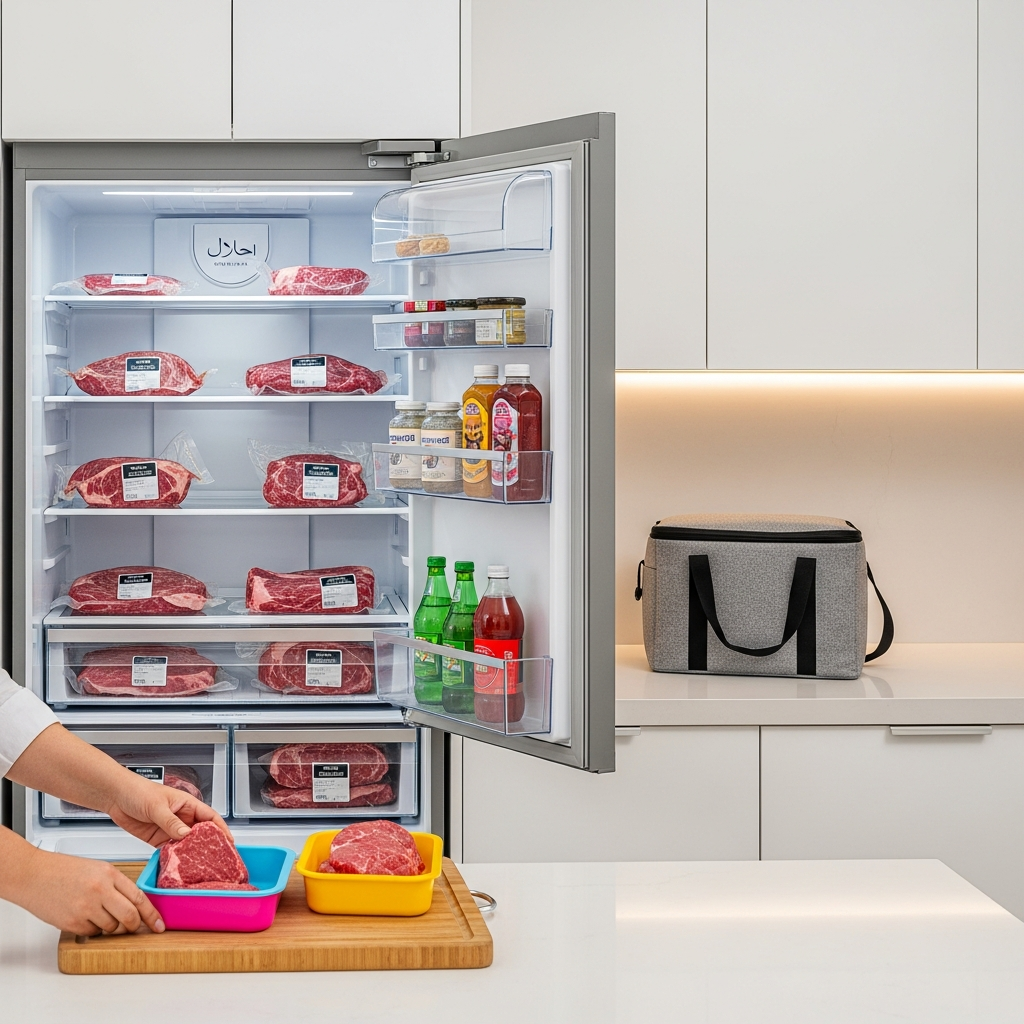
Naperville kitchens are the heartbeat of busy weeks, school nights, and weekend gatherings, and safe storage and handling of halal meat sits at the center of many of those meals. It is not a topic that grabs headlines, but it makes all the difference when you lift the lid off a simmering pot or carve into a roast that smells clean and tastes vibrant. The good news is that safe practices are straightforward when you understand the flow from store to table, starting with a dependable source for fresh, well-managed halal meat and continuing with simple, disciplined habits at home.
Think of safety as a chain. Each link matters: the market’s cold cases, the time in your car, the organization of your refrigerator, and your habits at the cutting board. When all those pieces line up, quality and flavor follow naturally. Families in Naperville who cook regularly know the rhythm well, and newcomers quickly find that a few basic routines protect the integrity of halal standards while making everyday cooking less stressful.
Choosing and transporting with care
It starts at the counter. Look for clean, well-lit cases and talk to the butcher about the cut you have in mind. Good programs explain their sourcing and handling, and they are happy to package items to suit your plans—smaller portions for tonight’s dinner and larger packs for the freezer. In warmer months, consider bringing an insulated bag or cooler for the ride home. Planning your route so the grocery stop comes last reduces the time meat spends outside a controlled environment.
Organize your cart to keep raw items separate from ready-to-eat foods. Ask for double-bagging if the package contains any surface moisture. These simple steps limit the chance of drips and cross-contact in transit, setting you up for an easier, safer unload at home.
Refrigeration, freezing, and labeling
Once home, act promptly. Store fresh cuts in the coldest part of the refrigerator and freeze items you do not plan to cook within a couple of days. If you are portioning bulk purchases, use freezer-safe bags, press out excess air, and label each package with the cut and the date. Clear labels reduce guesswork on busy nights and help you rotate stock so nothing gets lost at the back of the freezer.
Freezing does not have to mean sacrificing quality. Many cuts freeze beautifully when they are wrapped tightly and thawed carefully. If you are preparing for a busy week, freeze portions in meal-sized packs so you thaw only what you need. This habit preserves texture and gives you flexibility when plans change, a common reality in households with shifting schedules.
Thawing the right way
Thawing is where many home kitchens stumble. The safest method is a controlled thaw in the refrigerator, which keeps the meat at a consistent temperature. If time is tight, use a cold-water bath, changing the water regularly to maintain a safe chill. Avoid leaving meat out on the counter; while it might seem like a shortcut, it can lead to texture issues and off flavors. Planning ahead is the real timesaver here, turning what feels like a constraint into a calm, predictable step in your routine.
Once thawed, cook the meat promptly. Refreezing after a partial thaw can diminish quality, so try to portion sensibly up front. If you find yourself with more than you need, consider cooking the extra and using it for next-day lunches or freezing the finished dish for a quick meal later in the week.
Preventing cross-contamination at home
Clean zones are the unsung heroes of a safe kitchen. Dedicate a cutting board and knife for raw proteins, and wash hands thoroughly before and after handling. Keep raw meat away from salads, breads, and fruit bowls, and sanitize surfaces that come into contact with juices. These habits protect the halal integrity of your meal and eliminate hassles that otherwise show up as last-minute scrambles to wipe counters or toss suspect ingredients.
In Naperville’s many open-plan kitchens, where cooking, homework, and conversation blend together, it helps to build a little choreography. Set up a prep area before you begin, gather the right tools, and move finished items out of the splash zone. When the workflow is clear, cooking becomes smoother and more enjoyable for everyone involved.
Marinating, seasoning, and timing
Marinades add depth, but they require care. Use food-safe containers, keep everything cold, and avoid letting acidic mixtures sit so long that they compromise texture. A good rule is to start light and adjust seasoning as you go. Dry rubs are a smart alternative on busy nights, giving you flexibility without the time commitment of a long soak. Whether you choose a marinade or a rub, a measured approach preserves the quality that draws so many families to halal meat in the first place.
Timing also matters after you season. Take the meat out of the fridge a short while before cooking so the surface is not icy cold. Patting it dry helps with browning, and leaving space in the pan prevents steaming. These fundamentals—simple but reliable—deliver better texture and flavor, making safe practices feel like culinary wins rather than chores.
Cooking, resting, and storing leftovers
Once you start cooking, focus on even heat and patience. Thicker cuts reward a steady approach, while thinner ones appreciate quick, high heat. Resting the meat before slicing allows juices to redistribute, keeping the final plate moist and satisfying. After the meal, cool leftovers promptly and store them in shallow containers in the refrigerator. Labeling helps here too; knowing what you have makes it easier to plan lunches and reduces waste.
Leftovers can be a gift on a packed weekday. A few slices tucked into a salad or folded into a quick stir-fry can make a second meal feel fresh. By managing storage carefully, you extend both safety and enjoyment, turning one good dinner into two.
Seasonal considerations for Naperville households
Our seasons influence safe handling. Hot summer days call for insulated bags and quick trips from store to fridge. During backyard barbecues, keep raw and cooked items on separate platters and use clean tongs when you move from grill to table. In colder months, the environment gives you a little more leeway on transport, but indoor heating can dry out refrigerators; check seals and avoid crowding shelves so air circulates properly. Small adjustments like these keep your routine reliable all year long.
Special events bring their own logistics. When hosting, map your prep, cook, and serving zones before guests arrive. Assign a friend to help monitor the grill or the oven, and keep a thermometer handy if you are nervous about timing. Planning turns a busy kitchen into a calm one, and calm kitchens produce better meals.
Frequently asked questions
How soon should I refrigerate or freeze meat after shopping?
As soon as possible. Make the grocery stop your last errand, use an insulated bag in warm weather, and get items into the refrigerator or freezer promptly. Protecting the cold chain from store to home is one of the most effective habits you can adopt.
What is the safest way to thaw meat?
Thaw in the refrigerator for the most control. If you need a faster method, use a cold-water bath and change the water regularly. Avoid countertop thawing, which can encourage uneven temperatures and off textures.
How do I prevent cross-contamination?
Keep raw and ready-to-eat foods separate, dedicate tools to raw proteins, and wash hands and surfaces frequently. Organize your workspace before you begin so that finished items move away from the prep zone.
Can I marinate meat on the counter?
No. Always marinate in the refrigerator, using food-safe containers. Keep an eye on timing, especially with acidic blends, to preserve texture and flavor.
What should I do with leftovers?
Cool them promptly, store in shallow containers, and label with the date. Use within a reasonable window, and reheat gently to preserve texture. Thoughtful storage makes next-day meals both safe and delicious.
When you are ready to make safe handling second nature, start by choosing a trusted local market with a well-managed selection of halal meat. Build a simple routine—smart transport, careful storage, clean prep—and enjoy the calm confidence that comes from knowing your meals are as safe as they are satisfying.