If you shop regularly in Naperville, you have probably noticed how the halal meat section has changed in recent years. What began as a smaller, specialized counter has grown into a well-curated selection with diverse cuts, ready-to-cook options, and staff who can answer detailed questions. These changes are not accidental; they reflect consumer demand from a city that has become more curious and more confident about what it buys. The shift is visible in busier butcher counters, expanded case space, and frequent conversations among shoppers comparing notes on marinades, grill techniques, and favorite recipes. For anyone trying to understand where the market is headed, the best place to start is the shopping cart—especially at stores that consistently carry fresh, reliable halal meat that suits both everyday meals and special occasions.
Demand is rising for several reasons. Naperville’s population is diverse, and many households seek halal options for religious or ethical reasons. At the same time, non-Muslim shoppers increasingly choose halal for its clarity around sourcing and handling. That combination of cultural heritage and practical standards has created a steady, mainstream customer base. Stores have responded by investing in staff training, improving signage, and forging stronger relationships with suppliers who can deliver consistency week after week.
From niche to neighborhood staple
One of the clearest trends is the normalization of halal in mixed carts. Ten years ago, it might have been unusual to see someone outside the observant community exploring these counters. Today it is common to see shoppers of many backgrounds picking up halal chicken for weeknight dinners or lamb for a weekend roast. Familiarity breeds confidence, and confidence leads to experimentation. As more people cook with halal cuts, they discover that the results are predictably good, which in turn supports repeat purchases and broader product lines.
This normalization has encouraged retailers to rethink their displays. Rather than treating halal as a separate corner, many stores now integrate it into the main flow while preserving the separation needed for compliance. The effect is subtle but significant: halal is present as an equal participant in the city’s food culture, with options that feel inviting rather than niche.
Product variety and value-added convenience
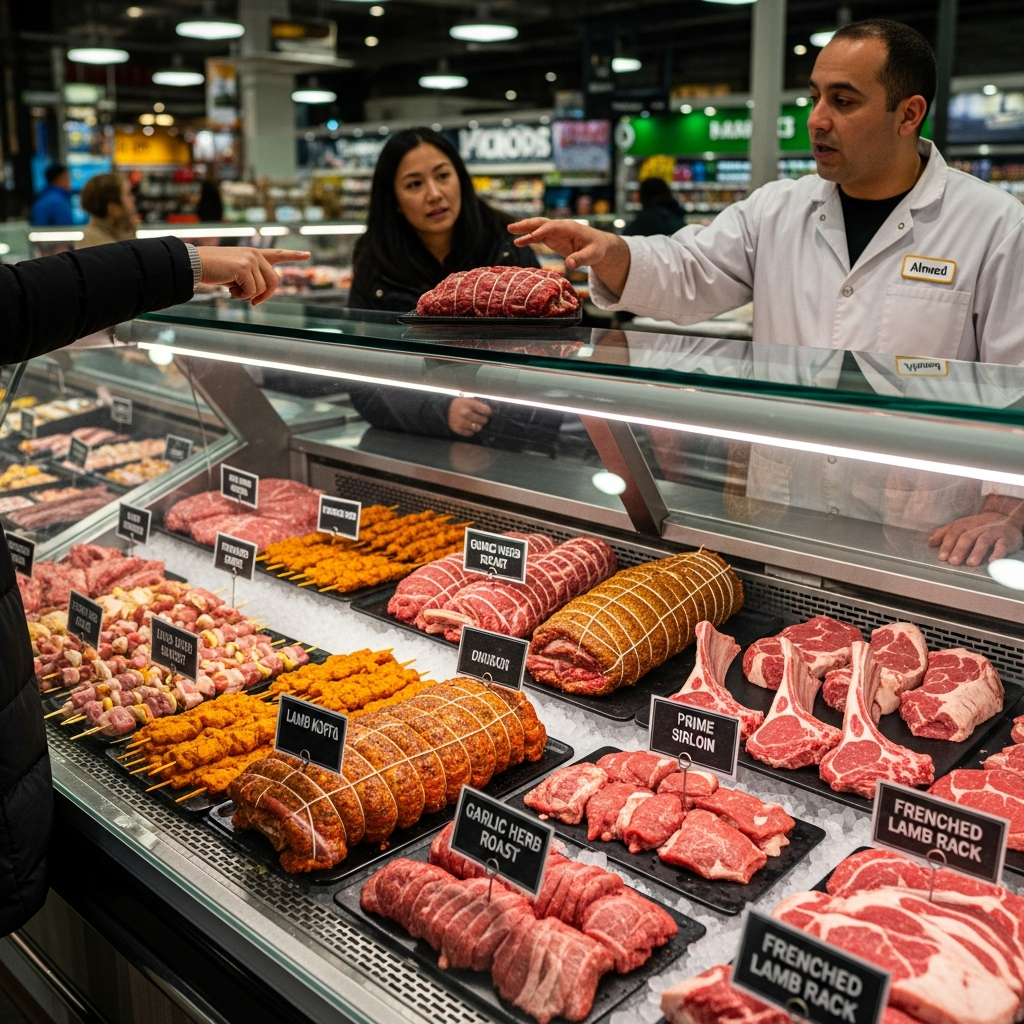
Another local trend is the rise of value-added offerings. Busy families love pre-marinated skewers, seasoned ground meats for weeknight tacos or kebabs, and neatly trimmed roasts ready for the oven. These products are curated to balance authenticity with convenience, letting shoppers lean on expert prep without giving up control over final seasoning. For those of us who like to cook but are short on time, this meeting point between tradition and modern life is a welcome relief.
We are also seeing a more thoughtful range of cuts: bone-in options for deeper flavor, smaller steaks for quick grilling, and lean selections for lighter meals. That flexibility is especially valuable when you are cooking for a crowd with different preferences. With a strong supply chain and capable butchers, stores can tailor their offerings to local tastes, which encourages people to try new preparations and keep their menus fresh.
Transparency and trust as growth engines
As halal options expand, so does the expectation for transparency. Shoppers in Naperville, used to asking detailed questions, want to know not only that meat is halal, but how that standard is maintained behind the scenes. Markets that open their process—explaining certifications, laying out prevention against cross-contamination, and keeping the cases immaculate—earn repeat customers. This trust is an engine for growth: once a family feels a store has their back, they return regularly and tell their friends.
Staff training is part of this story. The best counters operate like teaching kitchens, where a quick question about a cut can turn into a micro-lesson on cooking methods. That knowledge sharing is one of the most exciting local shifts, because it helps home cooks feel adventurous without fear of wasting an ingredient.
Seasonality, celebrations, and culinary creativity
Demand rises and falls with life’s rhythms, and in Naperville that means spikes around holidays, school breaks, and milestone gatherings. The halal section becomes a hub for community, supplying roasts and specialty cuts for festive meals while keeping weekday staples in stock. As families host more inclusive gatherings, halal options help ensure everyone can partake, which strengthens the habit of shopping at stores that can deliver reliably.
Culinary creativity has followed. With reliable halal cuts, cooks feel free to explore global spices, new marinades, and cross-cultural menus. This experimentation feeds back into demand; when a dish succeeds, it becomes part of the household repertoire, adding another reason to return to the same trusted counter the next week.
Digital habits and in-store expertise
While many of us still prefer to choose meat in person, digital tools now support planning. Shoppers check inventories online, browse recipes, and compare notes in neighborhood groups. In-store expertise remains crucial, though. The magic happens at the counter, where you can see the cut, ask for a trim, and get cooking advice that matches your equipment and schedule. Stores that combine helpful digital touchpoints with a hands-on, human conversation at the case have the edge in retaining loyal customers.
In the middle of the week, this hybrid approach pays off. You might scan a store’s site to confirm they have your preferred cut, then head over knowing a steady selection of halal meat awaits. Once there, a quick chat with the butcher seals the plan for dinner, turning a stressful errand into a pleasant routine.
What to watch next in Naperville’s halal scene
Looking ahead, expect more tailored selections, including chef-inspired marinated items and rotating specialty cuts aligned with seasonal produce. Education will likely deepen as counters offer quick tips on labels, storage, and cooking methods right at the point of purchase. We may also see more collaboration with local events—grilling demos in summer, braising workshops in fall—designed to help home cooks expand their repertoire with confidence.
Another area of growth is family-friendly packaging that balances portion control with value. Smaller packs support singles and couples, while larger family-sized options help with batch cooking and meal prep. Clear, informative labels that explain cut types and best uses will continue to make shopping faster and less intimidating for newer cooks.
Frequently asked questions
Why is demand for halal meat growing in Naperville?
Our city’s diversity is a major driver, but so is a broader interest in transparency and quality. As more shoppers learn how halal standards promote cleanliness, humane handling, and clear sourcing, they become comfortable choosing halal for reasons that extend beyond religious observance.
Are halal options limited to a few cuts?
Not anymore. Local counters increasingly offer a full spectrum—from everyday chicken and beef to specialty lamb cuts, pre-marinated skewers, and ground options geared toward quick weeknight meals. The variety reflects both demand and better supplier partnerships.
How do stores maintain compliance as selection grows?
Through training, clear procedures, and thoughtful layout. Separate tools, clean cases, and precise labeling ensure halal integrity while making the section feel welcoming and easy to shop. Staff are usually prepared to explain these steps in detail if you ask.
Do non-Muslim shoppers buy halal too?
Yes. Many are drawn to the standards and the consistent performance in the kitchen. As positive experiences spread by word of mouth, halal becomes part of the general shopping routine for households across the community.
What role does service play in demand?
Service is central. Butchers who can guide cut selection and offer cooking tips create confidence. When shoppers feel supported, they take more culinary risks and come back often, which fuels steady demand and motivates stores to keep improving.
When you are ready to see these trends in action, visit a trusted local market and explore its curated selection of halal meat. Spend a few minutes at the counter, ask questions, and choose cuts that match your plans. You will leave not just with groceries, but with ideas and confidence for delicious meals ahead.