Ask around at a youth soccer game in Naperville or along the Riverwalk on a Saturday morning, and you will hear familiar stories about the highs and lows of grocery shopping. For every inspired weeknight dinner that came together beautifully, there is a tale of a crowded aisle, a missing favorite, or a mad dash in winter weather. These are not failures; they are the predictable friction points of a busy, growing city with high expectations. Understanding the most common issues Naperville shoppers face—and how stores and customers together can smooth them—turns a weekly errand into a more reliable, even enjoyable, part of life. If you want to turn stress into strategy, begin by walking into the grocery department with fresh eyes, noticing the patterns that make or break your trip.
Weekend crowds and the dance of the cart
Between Saturday morning sports, errands along Route 59, and family commitments, weekend shopping can feel like a parade without a grand marshal. Aisles fill, carts bunch up at popular displays, and patience can wear thin. Thoughtful stores respond by adjusting staffing, opening additional checkouts, and smoothing traffic patterns near high-demand products. Shoppers can help by choosing off-peak times when possible, navigating with a consistent route, and treating the trip as a chance to breathe rather than a race. When everyone moves a little more deliberately, the store becomes less of an obstacle course and more of a shared space where kindness sets the tone.
Out-of-stocks and the sting of the missing ingredient
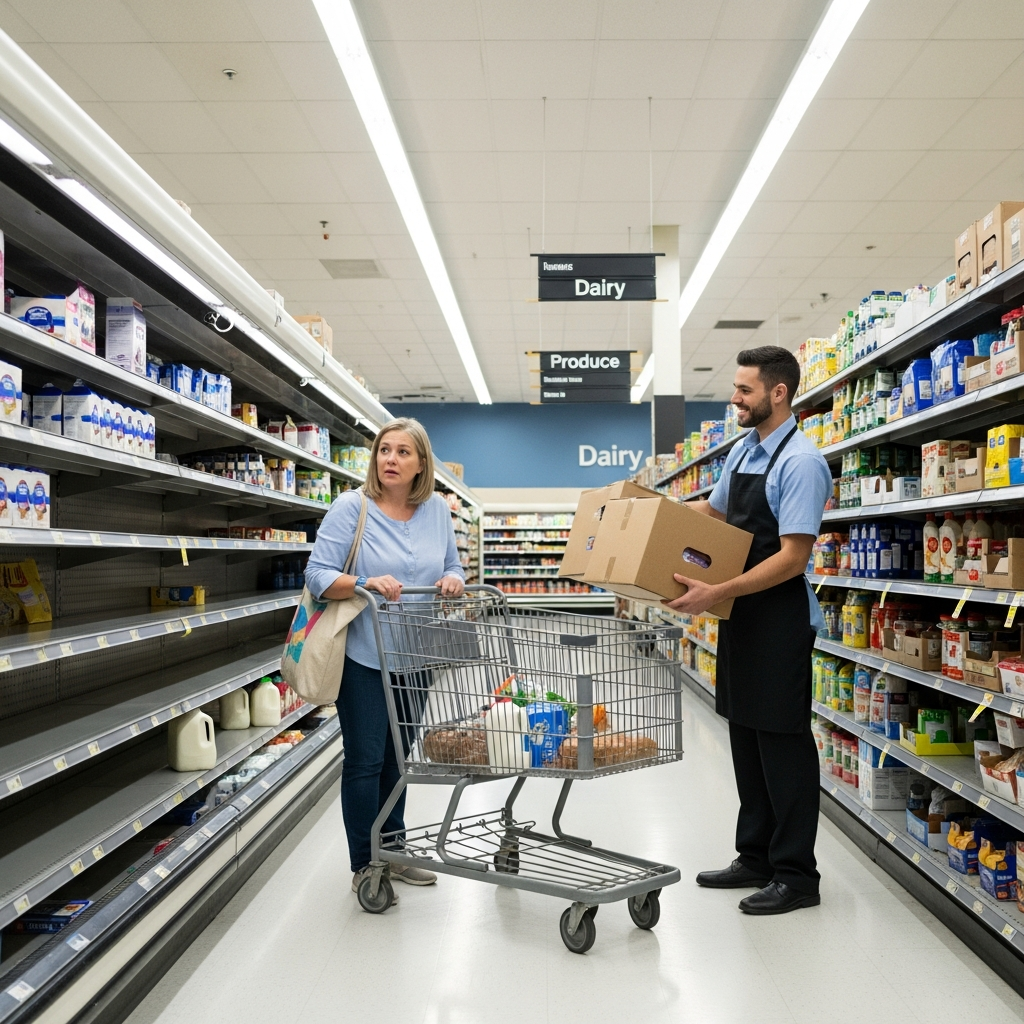
Few feelings derail dinner plans like reaching for an item that is simply not there. Weather, supply chain hiccups, or an unexpected run on a product can create gaps. Naperville stores fight this with improved forecasting, stronger vendor relationships, and quicker substitutions that respect taste and dietary needs. On the shopper side, flexibility is a superpower: swap spinach for kale, use chickpeas when cannellini are out, or try a new brand when your standby is missing. Over time, this improvisation skill turns out-of-stocks from a roadblock into a detour that sometimes leads to a new favorite.
Parking lot pinches and winter realities
Naperville winters add a layer of complexity, from slick spots in parking lots to slush that hitches a ride on cart wheels. Good stores salt proactively, clear lanes, and provide covered cart corrals where possible. Shoppers can plan by wearing shoes with traction and parking a bit farther from the entrance when it eases pressure near the doors. In summer, the issue flips to heat management—keeping cold items cool during the ride home. A soft-sided cooler or insulated bag in the trunk is a small investment in food quality and peace of mind.
Label overload and decision fatigue
Walk the cereal aisle or the wall of yogurt, and the sheer number of options can slow even decisive shoppers. Claims compete for attention, and comparing ingredients or nutrition can feel daunting mid-errand. Savvy stores counter with clear shelf tags, simple icons for dietary needs, and endcaps that anchor reliable choices. Shoppers can cut through noise by pre-selecting a few go-to staples and then exploring only one or two new items per trip. Small boundaries keep decisions focused, and that focus lightens mental load—a gift in a week already packed with to-dos.
Store layout changes that disrupt routine
When a favorite item moves, it can feel personal. Yet layout adjustments are often made to improve flow, highlight fresh items, or create space for expanded selections. Naperville stores that communicate changes—through signage, maps, and helpful staff—earn grace during the transition. Shoppers can reclaim control by scouting the adjusted path once without a full list, just to rebuild a mental map. A ten-minute recon can save twenty minutes later, turning frustration into familiarity.
Long lines and the rhythm of checkout
Checkout delays are a common pinch point, especially at peak times or just before a snow forecast. Well-managed stores respond by monitoring queue length, opening lanes swiftly, and deploying staff to guide traffic. Self-checkout can help light baskets fly through, but the human lane remains an essential service for larger hauls and complex orders. Shoppers who group items smartly, have payment methods ready, and bag with intention keep the flow humming. The goal is not speed at all costs; it is a steady rhythm that respects everyone in line.
Navigating dietary needs without a scavenger hunt
For households balancing allergies, sensitivities, or chosen diets, locating the right products can feel like detective work. Organized stores cluster alternatives near their conventional counterparts and train team members to guide you quickly. A brief conversation at the start of your trip can save laps around the store. Keeping a short list of reliable brands also reduces friction. In Naperville’s inclusive food scene, the expectation is that everyone finds something delicious; the trick is ensuring that the path to those items is as clear as the intent.
Kids in tow and the art of keeping trips cheerful
Shopping with children adds layers: snack requests, curiosity, and shorter attention spans. Stores that provide small touches—a spot for a quick pause, friendly staff engagement, and kid-forward displays of fruit—can transform a tough outing into a teachable moment. Parents often find success by giving kids simple missions: choosing a new vegetable to try, counting items for a recipe, or finding a whole-grain bread. When the trip becomes a game, time moves faster and the cart stays calmer.
Product freshness and home storage
Sometimes the issue is not what you buy but how you store it. Greens wilt in a crowded fridge, berries mold in sealed containers, and herbs languish in drawers. Good stores share quick storage tips right on signage—store herbs like flowers in water, keep tomatoes at room temperature, and ventilate berries. Shoppers can amplify freshness by prepping a few items right away: washing and drying greens, chopping sturdier vegetables for later in the week, and labeling leftovers. Small steps protect your investment and make healthy choices easier when time is tight.
Communication gaps and missed expectations
Sometimes the biggest frustration is silence: an online order that is not ready on time, a substitution that was not quite right, or a question left unanswered. Naperville stores that excel lean into proactive communication—text alerts with accurate windows, quick phone calls when preferences are unclear, and follow-ups that close the loop. Shoppers help by keeping profiles up to date, noting brand sensitivities, and sharing constructive feedback. Mutual clarity strengthens the relationship, and better service follows naturally.
Digital friction and app overwhelm
Online tools should make life easier, but clunky interfaces or too many notifications can do the opposite. The best solutions are lean and intuitive, surfacing your frequent buys and allowing quick edits on the fly. If you find yourself frustrated, it may help to prune your digital routine: favorite a short list of staples, disable unnecessary alerts, and place orders at predictable times. Technology should bend to the rhythm of your week, not the other way around.
Mid-aisle blockages and display placement
Beautiful displays sometimes cause bottlenecks. When a sample station lands in a narrow stretch or a popular item sits in a high-traffic corner, congestion builds. Managers who watch flow at peak hours quickly see where minor adjustments would ease movement. Shoppers can contribute by parking carts to one side, practicing a quick courtesy slide, and letting someone with two items go ahead. A little choreography goes a long way in keeping spirits high.
Return and replacement jitters
Even with careful selection, an item occasionally disappoints. The worry about returns can make shoppers hesitate to try something new. Stores strengthen confidence by posting clear policies and training staff to resolve issues with empathy. A swift exchange or a friendly recommendation repairs trust and invites exploration. In Naperville’s word-of-mouth culture, a single gracious interaction can turn a potential complaint into a loyal endorsement.
Bridging the gap between plan and plate
Many shopping issues stem from a simple mismatch: ambitious lists that collide with limited time. Stores that highlight quick-cook ingredients and share two- or three-step meal ideas reduce that gap. Shoppers who sketch a flexible plan—anchoring the week with a few versatile items—experience fewer midweek scrambles. The grocery trip stops being a wish list and becomes a practical blueprint for dinners that actually happen.
Collaboration as the Naperville advantage
The most encouraging trend is that stores and shoppers increasingly see themselves as partners. When customers share feedback and staff respond with changes—clearer signage, better flow, or improved substitutions—everyone wins. Naperville thrives on this kind of civic collaboration, and the grocery aisle is no exception. The more we treat shopping as a conversation, the more it becomes a bright spot in the week.
FAQ: Solving everyday grocery hurdles
When is the best time to avoid crowds? Early mornings on weekdays and later evenings often feel calmer. If weekends are your only option, arriving just after opening can make a notable difference.
What should I do if an item I need is out? Ask a team member about the delivery schedule or a comparable substitute. Keeping two or three flexible options in mind prevents meal plans from stalling.
How can I keep produce fresh longer? Store herbs upright in water, give berries airflow, and keep greens dry in breathable containers. Prepping a few items right away encourages you to use them before they fade.
How do I navigate with kids more smoothly? Give them a role—fruit selector, list checker, or cart captain. Brief, fun tasks channel energy and teach useful life skills.
What if curbside orders are not quite right? Provide detailed notes on ripeness and brand preferences, and follow up kindly when something misses the mark. Good stores adjust quickly with your guidance.
How can I speed up checkout? Group similar items, have payment ready, and use self-checkout for small baskets. A calm, prepared approach helps lines move for everyone.
What if label claims confuse me? Choose a few trusted staples and learn those labels well. Then add new items gradually, asking staff for help when something is unclear.
How do I share feedback that gets results? Be specific, mention time and location, and describe the impact. Positive notes when things go right are powerful, too—they reinforce what to repeat.
What if layout changes throw me off? Take one short visit to rebuild your mental map and ask a staff member for a quick tour of the new sections.
How can I balance ambition with time? Build meals around versatile anchors—grains, greens, and a protein—and layer flavors with sauces and herbs. Simpler plans tend to succeed.
Ready to turn grocery hurdles into smoother habits? Walk into the grocery department this week with a flexible plan, ask one question, and try one small change. A calmer cart and a happier kitchen are closer than you think, right here in Naperville.