
Sourcing Authentic Mediterranean Market Ingredients in Naperville
According to culinary import data, over eighty percent of the olive oil labeled as extra virgin in standard retail channels fails to meet the strict physical and chemical standards of the grade. When home cooks in the western suburbs of Chicago set out to recreate the vibrant, sun-drenched flavors of Greece, Italy, Spain, or Lebanon, they often find that standard supermarket ingredients fall flat. Ground sumac lacks its characteristic citrusy punch, tahini sits separated and bitter on the shelf, and bulk couscous turns to mush rather than light, fluffy grains.
Navigating the world of global ingredients can be challenging, especially when standard chain grocery aisles offer watered-down, heavily preserved imitations of traditional foods. In Naperville, the demand for authentic culinary products has grown rapidly alongside our community’s diverse palate. However, local home cooks frequently run into a wall of misinformation regarding what makes an ingredient truly authentic, how to store delicate imported items, and where to find genuine products. To get the most out of your kitchen, it is time to dispel the common misconceptions surrounding Mediterranean market ingredients in Naperville and discover how to stock a pantry that brings true international flavors to your table.
The Naperville Kitchen: Sourcing for a Unique Microclimate
Naperville residents experience dramatic seasonal shifts, from humid Midwestern summers to bitterly cold, dry winters. This local climate directly impacts how you must store delicate imports. Authentic stone-ground tahini, unrefined cold-pressed olive oils, and raw, unsalted pine nuts do not behave the same way in a DuPage County home as they do in a dry, temperate Mediterranean climate.
During our hot, humid summer months, pantry temperatures can fluctuate, causing high-fat items like authentic pine nuts and raw walnuts to turn rancid within a matter of weeks. Similarly, traditional stone-ground sesame pastes will quickly separate and harden into a concrete-like block if kept in an improperly cooled cupboard. In the winter, the dry forced-air heating common in Naperville homes can prematurely dry out soft, semi-dried herbs and whole spices, robbing them of their essential oils. Understanding how to source fresh, high-quality items from a dedicated international grocery store naperville is the first step, but knowing how to store and handle these products within our local environment is what ensures your home-cooked meals taste exactly as they would overseas.
Myth: All Extra Virgin Olive Oil is Created Equal
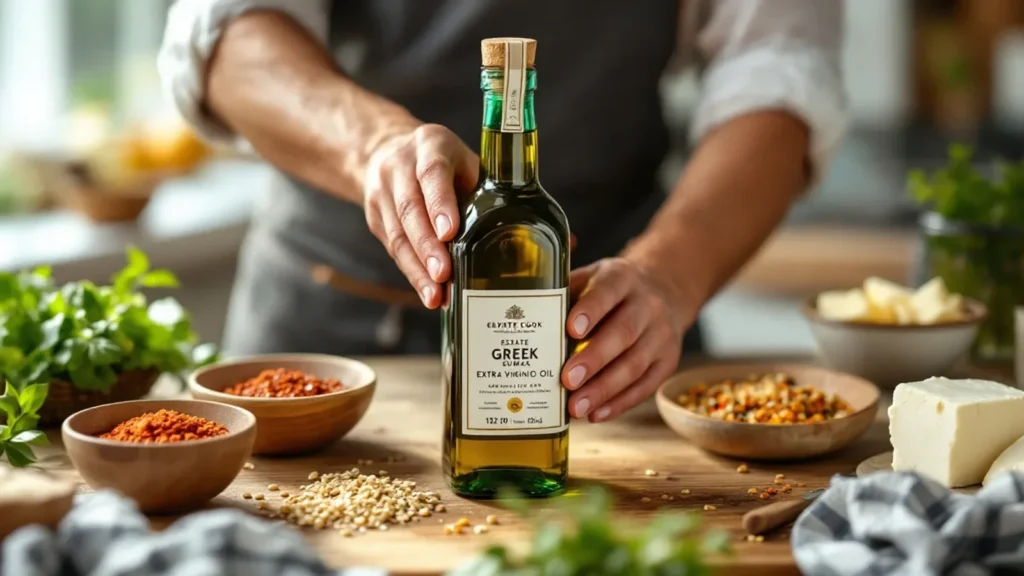
Reality: Many mass-market olive oils found on standard grocery store shelves are highly processed, blended with inferior seed oils, or harvested so long ago that they have lost all their nutritional value and complex flavor. True extra virgin olive oil is a fresh fruit juice. To ensure you are getting the real thing, look for a specific harvest date on the bottle rather than just an expiration date. Authentic Mediterranean olive oils should possess a vibrant, peppery finish at the back of the throat, which indicates the presence of active polyphenols.
When shopping, select oils packaged in dark glass bottles or tin cans, as light exposure quickly degrades the oil’s quality. Authentic regional oils, such as robust Greek Koroneiki or smooth Italian Nocellara, should state the country of origin clearly, rather than listing a vague blend of oils from multiple unnamed nations. If you are also exploring other regional cooking styles, sourcing your cooking bases from a specialized provider is key. For instance, you can learn more about sourcing specialized fats and foundational cooking elements in our guide to local halal cooking essentials.
Myth: Hummus and Baba Ganoush Require Canned Chickpeas and Eggplants
Reality: While canned shortcuts are convenient, they cannot replicate the velvety texture and deep, smoky profiles of traditional Mediterranean dips. True Mediterranean home cooking relies on dry chickpeas soaked overnight with a pinch of baking soda to soften the skins. This simple step allows the chickpeas to blend into an incredibly smooth, airy puree that canned varieties simply cannot match.
For baba ganoush, the eggplant must be charred directly over an open flame, such as a gas burner or a charcoal grill, until the skin is completely blackened and papery. This process infuses the flesh with a natural, rich smokiness that no liquid smoke or canned substitute can mimic. Once you combine these fresh bases with premium, runny tahini and fresh lemon juice, the difference in quality becomes immediately obvious.
Myth: Za’atar is Just a Generic Blend of Sesame and Thyme
If you want it handled correctly the first time, consider professional service areas in Naperville.
Reality: Genuine za’atar is not merely a mixture of common garden thyme and sesame seeds. True, traditional za’atar relies on a specific wild herb native to the hills of the Levant, often referred to as Origanum syriacum (biblical hyssop), which carries a complex flavor profile spanning thyme, marjoram, and oregano. This herb is harvested, dried, and blended with tangy, ruby-red sumac berries, toasted sesame seeds, and sea salt.
Many commercial, low-grade spice blends substitute cheap citric acid for real sumac and use standard, dust-like dried thyme leaves to cut costs. Authentic za’atar should have a bright, herbal aroma and a distinct, lingering citrus sourness. If you want to keep your spices as fragrant as the day they were ground, proper storage is critical. Be sure to check our guide on storing bulk spices in Naperville to prevent your delicate herbal blends from losing their potency in your pantry.
Myth: Feta Cheese is Simply Crumbly White Salad Topping
Reality: The dry, pre-crumbled white cheese sold in plastic cups at conventional supermarkets bears little resemblance to authentic feta. True feta is a protected designation of origin product that must be made in Greece using traditional methods, utilizing at least seventy percent sheep’s milk and up to thirty percent goat’s milk. It should be aged in wooden barrels or metal tins filled with a natural brine solution.
Authentic feta is creamy, tangy, and slightly sharp, with a complex depth of flavor that crumbles easily but never feels dry or chalky. When purchasing feta, always look for blocks sold swimming in brine. The brine protects the cheese from drying out and preserves its delicate, salty-sour balance. Keeping the cheese submerged in its liquid at home ensures it remains fresh and flavorful for weeks.
Myth: Pomegranate Molasses is Just Sweet Fruit Syrup
Reality: Authentic pomegranate molasses is not a sugary dessert topping or a highly sweetened syrup. Instead, it is a traditional reduction made from the pure, tart juice of specific varieties of sour pomegranates, simmered slowly until it thickens into a deep, mahogany-colored glaze. True pomegranate molasses should contain no added sugar, corn syrup, or artificial colorings, relying solely on the fruit’s natural sugars and intense acidity.
This ingredient is prized for its ability to cut through rich, fatty dishes, adding a sharp, complex sourness with just a hint of underlying sweetness. It is a vital component in dishes like muhammara (a roasted red pepper and walnut dip) and makes an excellent glaze for roasted meats. If you enjoy building complex layers of sweet, sour, and spicy heat in your dishes, you may also want to explore our detailed breakdown on choosing authentic regional chili pastes to elevate your culinary creations.
Myth: Dried Couscous is a Quick-Cooking Whole Grain
Reality: Couscous is not actually a grain, but rather a tiny, hand-rolled pasta made from semolina flour and water. The instant, pre-steamed couscous commonly sold in cardboard boxes at standard grocery stores is designed for convenience, but it often lacks the delicate, airy texture of authentic, traditionally prepared varieties.
In Mediterranean and North African cooking, authentic couscous is cooked using a multi-stage steaming process over a simmering broth in a specialized double-chambered pot called a couscoussier. This method allows the semolina grains to swell slowly, absorbing moisture and aroma without ever becoming waterlogged or sticky. Additionally, true Mediterranean markets offer varied sizes of couscous, such as large, pearl-like Lebanese Moghrabieh or medium-grained Tunisian varieties, each suited for specific traditional stews and salads.
Many Naperville homeowners rely on expert service areas in Naperville for exactly this.
Myth: All Bulgur Wheat Can Be Used Interchangeably
Reality: Bulgur wheat, which is whole wheat durum grain that has been parboiled, dried, and cracked, comes in several distinct grind sizes, each serving a highly specific purpose in the Mediterranean kitchen. Using the wrong grind size can completely ruin the texture of a traditional dish.
Fine bulgur (often labeled as #1) is highly delicate and absorbs liquid quickly without requiring extensive cooking. It is the absolute standard for authentic tabbouleh, where it should gently soften in the natural juices of freshly chopped parsley, tomatoes, olive oil, and lemon. Coarse bulgur (#3 or #4), on the other hand, maintains a chewy, toothsome texture and is used as a hearty rice substitute in pilafs and rustic stews. Substituting coarse bulgur in a salad will result in unpleasantly hard, crunchy grains, while using fine bulgur in a simmered pilaf will yield a mushy, unappealing porridge.
Frequently Asked Questions
How can I tell if my sumac is authentic and fresh?
Authentic sumac should have a deep, vibrant burgundy-red color and a coarse, slightly moist texture because it is ground from whole dried berries containing natural oils. If your sumac is a pale, dusty pink or feels bone-dry and powdery, it is likely stale, old, or diluted with salt and food coloring. It should smell distinctly fruity and sour, reminiscent of fresh lemon juice.
Why does my tahini separate, and how should I fix it?
High-quality, authentic tahini contains only one ingredient: pure, ground sesame seeds. Because it does not contain emulsifiers or stabilizers, the natural sesame oils will naturally separate and rise to the top of the jar over time. To fix this, store the jar upside down before opening, and when you are ready to use it, mix it thoroughly with a butter knife or a small whisk until smooth. Avoid refrigerating it if you plan to use it quickly, as the cold temperature will make it stiff and difficult to stir.
Can I substitute regular white vinegar for verjuice in Mediterranean recipes?
While regular white vinegar provides acidity, it lacks the complex, gentle fruitiness of authentic verjuice, which is the unfermented juice of unripe wine grapes. If a traditional recipe calls for verjuice, a much closer substitute is a splash of fresh lemon juice mixed with a dry, tart white wine. This combination mimics the mild, pleasant sourness of verjuice without overpowering the delicate herbs in your dish.
What is the difference between green and black olives in Mediterranean cooking?
The primary difference between green and black olives is their stage of ripeness when harvested. Green olives are picked early in the season when they are firm and bitter, while black olives are left on the tree to ripen fully, developing a softer texture and a milder, oilier flavor. Both types must undergo a curing process in brine, water, or dry salt to remove their natural bitterness before they are ready to eat.
Stock Your Kitchen with Authentic International Flavors
Creating truly memorable Mediterranean meals at home requires moving past the mass-produced substitutes and sourcing genuine, high-quality ingredients. From rich, estate-bottled olive oils to freshly ground, vibrant spices, using the correct culinary staples is what transforms a simple weekday dinner into an authentic dining experience. Beyond the Mediterranean coast, expanding your pantry can introduce you to a world of incredible flavors, from bold aromatics to specialized grains. If you are interested in exploring other culinary traditions, take a look at our guide to stocking an East Asian pantry in Naperville to discover how to source and use authentic ingredients from across the globe.
When you are ready to elevate your cooking, visiting a dedicated local market with a commitment to fresh, authentic imports is essential. Skip the generic supermarket aisles and find everything you need to create spectacular, globally-inspired dishes right in your neighborhood. To explore our full selection of imported olive oils, fresh cheeses, halal meats, and specialty spices, visit Naperville Fresh Market today and discover the difference that authentic ingredients can make in your kitchen.