
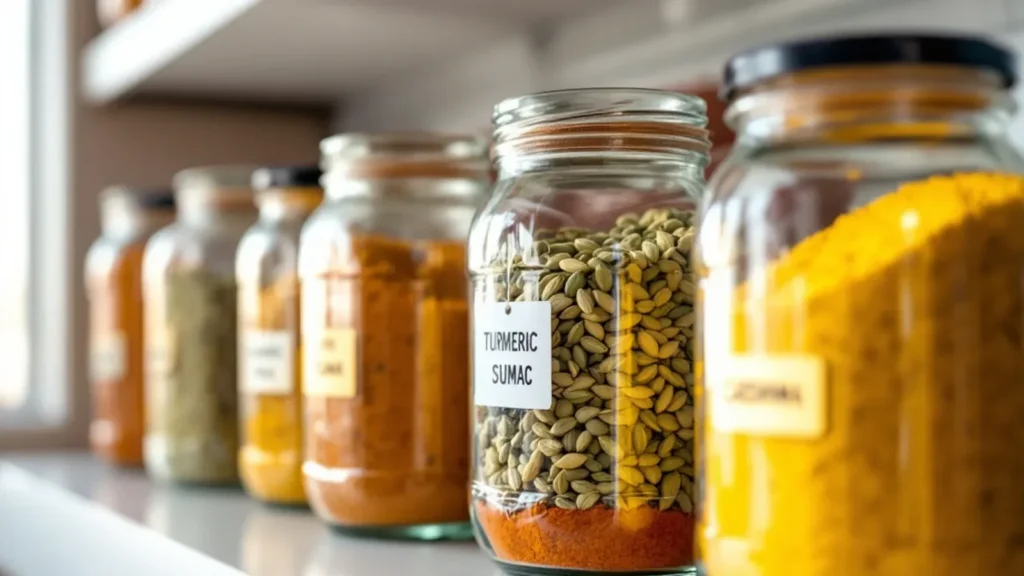
How to Store Bulk Spices and Keep Them Fresh in Naperville
You open a jar of ground cumin or green cardamom pods, expecting that immediate, warm aroma to fill your kitchen, but instead, you get a faint, dusty whisper of scent. In many Naperville homes, high-quality bulk seasonings lose their potency long before the jar is empty. This guide provides a practical blueprint for preserving the volatile oils, bright colors, and intense flavors of your favorite global ingredients, ensuring your pantry investments remain highly aromatic for months to come.
Establishing Your Bulk Spice Storage System
Preserving bulk seasonings starts with establishing a dedicated pantry system that actively combats flavor degradation. Proper container selection and smart organization are your first lines of defense against stale ingredients.
- Choose airtight glass containers over plastic bags. Transfer whole and ground seasonings out of temporary plastic packaging immediately after shopping. Heavy glass jars with tight-fitting gaskets or silicone-sealed metal lids create an impermeable barrier that locks in volatile oils.
- Opt for amber or opaque glass jars. Protect light-sensitive herbs like sweet paprika, turmeric, and dried cilantro from UV rays, which quickly fade vibrant colors and degrade delicate chemical compounds.
- Label every jar with the purchase date. Write down both the name of the ingredient and the month you purchased it. Ground varieties generally maintain peak potency for about six months, while whole seeds can last for up to two years when stored correctly.
- Dedicate a cool, dark cabinet away from the stove. Avoid the common mistake of mounting a spice rack directly above or next to your range. The constant cycles of heat and rising steam from cooking will rapidly decay your inventory.
- Divide your bulk purchases into smaller working jars. Keep a small, three-ounce jar in your main cabinet for everyday cooking, and store the larger bulk remainder in a sealed container in a dark pantry closet to minimize overall exposure to open air.
Environmental Controls: Combating Light, Heat, and Moisture
Environmental factors are the primary catalysts for flavor loss. Understanding how these elements interact with your culinary herbs allows you to create a stable, protective storage environment.
If you want it handled correctly the first time, consider professional service areas in Naperville.
- Control humidity levels in your pantry area. High humidity causes ground powders to clump, cakes them together, and can eventually encourage microscopic mold growth. Keep storage spaces dry and well-ventilated.
- Never shake spice jars directly over steaming pots. Shaking a jar of garlic powder or ground ginger over boiling water introduces moisture directly into the container. Instead, spoon the required amount into a small prep bowl or your hand before adding it to the dish.
- Keep storage temperatures consistently cool. Maintain pantry temperatures below seventy degrees Fahrenheit whenever possible. Warm air accelerates the evaporation of the essential oils that give seasonings their distinct flavor profiles.
- Utilize food-safe silica gel packets for moisture-sensitive powders. Drop a small, food-grade desiccant packet into jars containing onion powder, garlic powder, or fine salt blends to absorb excess moisture and prevent hardening.
Naperville-Specific Climate and Home Considerations
The local climate in the western suburbs of Chicago presents distinct challenges for maintaining a fresh pantry. From humid midwestern summers to dry winter heating cycles, your preservation strategies must adapt to the seasonal shifts of northern Illinois.
- Combat summer humidity in historic and modern Naperville homes. Whether you live in a vintage Victorian near North Central College or a newer construction in South Naperville, summer humidity can easily seep into standard pantries. Monitor indoor moisture levels during July and August, and consider utilizing dehumidifiers in basements or kitchen areas where dry goods are kept.
- Manage the dry heat of winter furnace systems. Forced-air heating systems used during cold Illinois winters dry out indoor air but can also create localized hot zones near duct vents. Ensure your storage cabinets are not located on walls that share space with active heating ducts or radiator pipes.
- Prepare for drafty seasonal transitions in older kitchens. Rapid temperature fluctuations near windows or exterior doors can cause condensation to form inside sealed glass jars. Position your collection on interior walls where temperatures remain stable year-round.
Whole vs. Ground Spice Preservation Tactics
Different physical forms of seasoning require distinct approaches. Treating whole seeds and fine powders with specific preservation techniques ensures that both types retain their peak culinary characteristics.
Many Naperville homeowners rely on expert service areas in Naperville for exactly this.
- Store whole seeds for maximum shelf life. Keep whole coriander, cumin, black peppercorns, and star anise in their whole form until the moment you need them. The hard outer shells naturally protect the flavorful oils inside from oxidation.
- Toast and grind in small, immediate batches. Use a dedicated electric grinder or a heavy mortar and pestle to process only what you need for a specific recipe. Freshly ground seeds deliver a far more intense flavor than pre-ground commercial powders.
- Compress ground powders gently in their jars. When storing ground varieties like cinnamon or curry powder, lightly press the powder down with a spoon before sealing. Minimizing the amount of trapped air inside the jar helps slow down the oxidation process.
- Inspect bulk ground items regularly for aroma potency. Rub a small pinch of the powder between your fingers. If the aroma is faint or metallic, the oils have dissipated, indicating it is time to refresh your pantry stock from a quality international grocery store naperville to ensure your recipes remain vibrant.
How to Use Common Specialty Spices in Cookery
Once you have mastered preservation, understanding how to apply these vibrant ingredients in your daily kitchen routine is key to elevating your home-cooked meals.
- Bloom whole seeds in hot oil before cooking. Heat oil or ghee gently in your pan and add whole seeds like mustard, cumin, or cardamom. This traditional technique, often used in Indian and East Asian cooking, releases the fat-soluble compounds directly into the cooking medium, creating a rich flavor foundation for your entire dish.
- Incorporate fresh ground powders toward the end of cooking. Unlike whole seeds, delicate ground powders can easily burn and turn bitter under high heat. Add ingredients like garam masala, ground cardamom, or sumac during the final stages of simmering to preserve their bright, volatile top notes.
- Create custom blends for consistent seasoning. Combine your fresh bulk purchases to make your own signature spice mixtures, such as berbere, za’atar, or five-spice powder. For balanced Middle Eastern profiles, ensure you are sourcing premium dried herbs from a reliable mediterranean market ingredients naperville guide.
- Balance rich dishes with warming spices. Use whole cinnamon sticks, cloves, and black cardamom pods in slow-braised meat dishes. These ingredients cut through rich fats and add complex depth, a technique that is central to mastering a variety of traditional recipes found in our halal cooking essentials naperville guide.
- Incorporate authentic chilies for balanced heat. Experiment with different ground chilies, flakes, and pastes to find the perfect level of warmth and complexity for your stews and marinades. To learn more about selecting the right heat profiles for your pantry, consult our detailed resource on how to choose authentic chili pastes naperville.
Frequently Asked Questions
Ready for the next step? Learn how service areas services in Naperville can help and reach out to the team.
Can I store my bulk spices in the freezer to keep them fresh?
While freezing can extend the life of whole spices, it is generally not recommended for everyday storage. The constant removal of jars from the freezer to room temperature introduces condensation, which ruins ground spices and causes clumping.
How can I tell if my stored spices have gone bad?
Spices do not typically spoil or rot in a way that makes you sick, but they do lose their potency. Crush a small amount in your hand; if the color is dull and you cannot smell a distinct, strong aroma, the ingredient has lost its volatile oils and should be replaced.
Is it better to buy whole spices or pre-ground spices in bulk?
It is always better to buy whole spices in bulk whenever possible. Whole seeds, pods, and bark retain their fresh flavor oils far longer than ground versions, allowing you to grind them freshly as needed for superior taste.
Aromatic Longevity in Your Kitchen
By protecting your culinary herbs from light, heat, and moisture, you preserve the incredible depth of flavor that makes global cooking so rewarding. To replenish your pantry with the freshest whole seeds, grains, and specialty ingredients from around the globe, explore the expansive selections available at the asian grocery store naperville department at Naperville Fresh Market today.