
A Cook’s Guide to Choosing and Using Global Chili Pastes in Naperville
Ruining a carefully prepared dish with the wrong type of heat is a common kitchen setback. Substituting a sharp, vinegar-forward hot sauce for a slow-burning, fermented chili paste can completely alter the intended flavor profile of a recipe, leaving you with an overly acidic dish rather than a richly spiced masterpiece. When seeking out specialized ingredients like fermented gochujang, complex harissa, or textured Sichuan chili crisp, knowing exactly what to look for makes all the difference in your culinary success.
Finding these specialized ingredients used to require long trips across multiple suburbs. Fortunately, Naperville home cooks can access an incredible variety of global condiments right in their backyard. Navigating the world of global heat requires an understanding of how different cultures process chilies, whether through fermentation, oil infusion, or drying. If you are planning a comprehensive culinary trip, you can find a wide array of these pantry staples by exploring our international grocery store naperville guide to source your ingredients efficiently.
Before You Start: Setting Up Your Global Heat Toolkit
Before stocking up on regional hot sauces and pastes, it helps to have a few basic kitchen tools and safety items ready. Some of these concentrates are highly volatile and require careful handling.
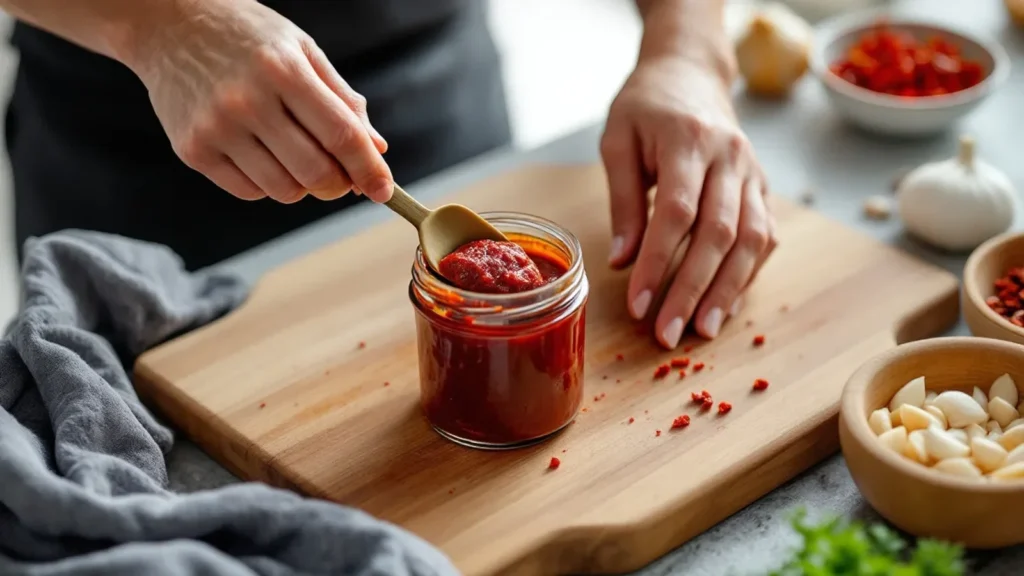
- Clean, dry glass jars: Essential for storing decanted pastes, as plastic containers will absorb intense pigments and stubborn oils.
- Dedicated silicone spatulas: Avoid wooden spoons, which easily absorb chili oils and can transfer spicy capsaicin or bright red stains to future dishes.
- High-neutral-heat oils: Having canola or grapeseed oil on hand helps you safely seal the surface of opened jars of paste to prevent premature molding.
- A pair of kitchen gloves: Highly recommended when handling concentrated chili pastes to prevent accidental contact with your eyes or skin.
Step 1: Map the Heat and Flavor Profile of Your Recipe
Before heading out to shop, determine the specific function of the chili paste in your dish. Not all heat is created equal, and global chili products generally fall into three distinct categories based on their preparation method:
- Fermented Pastes: Products like Korean gochujang rely on grain fermentation, which yields a thick, sweet, savory, and deeply umami-rich paste. It is designed to be cooked into stews, marinades, and sauces rather than used as a raw table condiment.
- Oil-Based Crisps: Chinese chili crisps focus on texture and aromatics, blending fried garlic, shallots, and Sichuan peppercorns in oil. This style provides moderate heat with a strong emphasis on crunch and numbing sensations.
- Spice-Blend Pastes: Middle Eastern and North African options, such as Tunisian harissa, combine roasted red peppers with garlic, caraway, coriander, and cumin. The flavor is earthy, smoky, and complex. You can discover more about these spice dynamics in our guide to mediterranean market naperville ingredients.
Step 2: Decode the Labels and Ingredients
Authenticity lies in the ingredient list. When looking for high-quality global sauces, flip the jar or tin over and examine the contents. For true East Asian profiles, look for short ingredient lists that prioritize natural fermentation over artificial thickeners. For instance, authentic gochujang should list fermented rice, red pepper powder, and soybeans, rather than corn syrup or wheat flour as the primary components.
When selecting North African harissa, look for options that list olive oil and authentic spices like caraway and coriander over generic vegetable oils and water. Paying attention to these details ensures you get the deep, caramelized flavors necessary for authentic cooking. For a broader look at building out these flavor profiles, consult our checklist for stocking an east asian pantry in Naperville.
If you want it handled correctly the first time, consider professional service areas in Naperville.
Step 3: Choose the Right Base for Your Cooking Technique
How you apply heat during the cooking process dictates which paste you should use. Understanding the physical behavior of these condiments under heat prevents kitchen mishaps:
- For high-heat stir-frying: Avoid sugary, fermented pastes early in the cooking process, as they will scorch and turn bitter. Instead, bloom dry chili flakes, chili oil, or broad bean paste (pixian doubanjiang) in hot oil to release fat-soluble flavors safely.
- For slow braises and stews: Thick, fermented options are ideal here. They dissolve beautifully into simmering liquids, thickening the broth slightly while mellowing their raw bite over time.
- For finishing and drizzling: Use textured chili oils or herb-heavy hot sauces just before serving. Exposing delicate oils to high pan temperatures can destroy their aromatic compounds.
Step 4: Assess and Balance the Heat Level
Every culinary tradition utilizes a different variety of pepper, resulting in wildly diverse heat profiles on the Scoville scale. Gochujang relies on the mild, sweet heat of taeyangcho (sun-dried red peppers), making it highly accessible for those sensitive to spice. Harissa can range from mild and smoky to intensely fiery, depending on whether it uses Baklouti or serrano-style peppers. Sichuan chili crisps often utilize Erjingtiao chilies, which offer moderate heat combined with the distinct, tingling sensation of Sichuan peppercorns. Always start with a small amount, taste as you go, and balance excess heat with acidity, sweetness, or fats like yogurt or sesame oil.
Step 5: Master the Art of Proper Storage
Once you bring your specialty condiments home, preserving their fresh flavors is key to keeping your pantry ready for any recipe. High-oil condiments like chili crisp can remain stable in a cool, dark pantry for some time, but refrigeration is always safest once opened to prevent the oils from turning rancid. Fermented pastes should always be stored in the refrigerator after breaking the seal. To maximize the shelf life of dense pastes, press a piece of plastic wrap directly onto the surface of the paste inside the jar to minimize air exposure, or top it with a thin layer of neutral cooking oil to seal out oxygen. For more detailed advice on preserving your ingredients, see our guide on storing bulk spices fresh in Naperville.
Understanding Naperville’s Unique Kitchen Climate and Sourcing Landscape
Naperville’s distinct climate, marked by humid midwestern summers and dry, cold winters, can impact how you store sensitive, oil-rich international ingredients. High indoor humidity during the summer months can encourage mold growth on the lids of opened jars of fermented pastes if they are not tightly sealed and refrigerated promptly. In contrast, dry winter heating can cause improperly sealed pastes to dry out and form hard, unusable crusts.
Additionally, Naperville homes often feature spacious kitchens with dedicated pantry storage, but keeping these specialized, temperature-sensitive condiments away from heat-generating appliances like ovens, ranges, or dishwashers is critical to preserving their delicate oils and aromatic spices. Sourcing these products locally ensures you receive fresh, high-turnover stock rather than dusty jars that have spent months sitting on remote warehouse shelves.
Many Naperville homeowners rely on expert service areas in Naperville for exactly this.
When to Seek Professional Guidance for International Ingredients
While exploring global hot sauces is a rewarding culinary journey, sometimes you need specialized advice to get your recipes exactly right. If you are preparing a traditional meal for guests with strict dietary requirements, navigating food allergies, or seeking specific certifications, it is always best to consult with a knowledgeable culinary associate.
For instance, if you require certified halal meat or specific spice profiles for Middle Eastern or South Asian dishes, speaking directly with an experienced butcher or specialty department manager ensures your ingredients align with both your culinary goals and dietary standards. Seeking advice from on-site culinary experts can help you substitute hard-to-find ingredients safely without compromising the structural integrity of your traditional family recipes.
Frequently Asked Questions
Can I substitute gochujang for harissa in a recipe?
It is not recommended, as their flavor profiles are entirely different. Gochujang is sweet, thick, and highly fermented with a strong soy umami undertone, while harissa is earthy, smoky, and heavily spiced with cumin, caraway, and garlic. Using one in place of the other will fundamentally change the cultural flavor profile of your dish.
Why does my chili crisp taste bitter?
Chili crisp can turn bitter if the oil or the garlic and onion sediments have been exposed to excessive heat during cooking, or if the product has gone rancid from poor storage. Always store your chili crisp in a cool, dark place, and add it at the very end of your cooking process rather than using it as a high-heat frying oil.
How long do open jars of fermented chili paste last in the fridge?
Due to their high salt content and fermentation process, most opened chili pastes like gochujang or doubanjiang can safely last in the refrigerator for up to a year if kept tightly sealed. Always use clean utensils to scoop out the paste to prevent introducing cross-contamination that can cause mold to grow.
Is chili paste gluten-free?
Not always. Many traditional fermented chili pastes, particularly East Asian varieties like gochujang, use barley malt, wheat flour, or soy sauce containing wheat as a fermentation agent. Always read the ingredient labels carefully if you are cooking for someone with a gluten sensitivity.
Elevate Your Cooking with Authentic Global Heat
Experimenting with international chili pastes is one of the simplest ways to add depth, complexity, and excitement to your everyday cooking. By understanding the distinct differences between oil infusions, fermented pastes, and spiced herb blends, you can confidently choose the perfect condiment for your next culinary creation. Ready to stock your pantry with authentic global flavors? Visit Naperville Fresh Market today to explore our extensive selection of international ingredients, or check out our weekly circular to find exceptional deals on fresh produce, specialty meats, and global pantry staples for your kitchen.