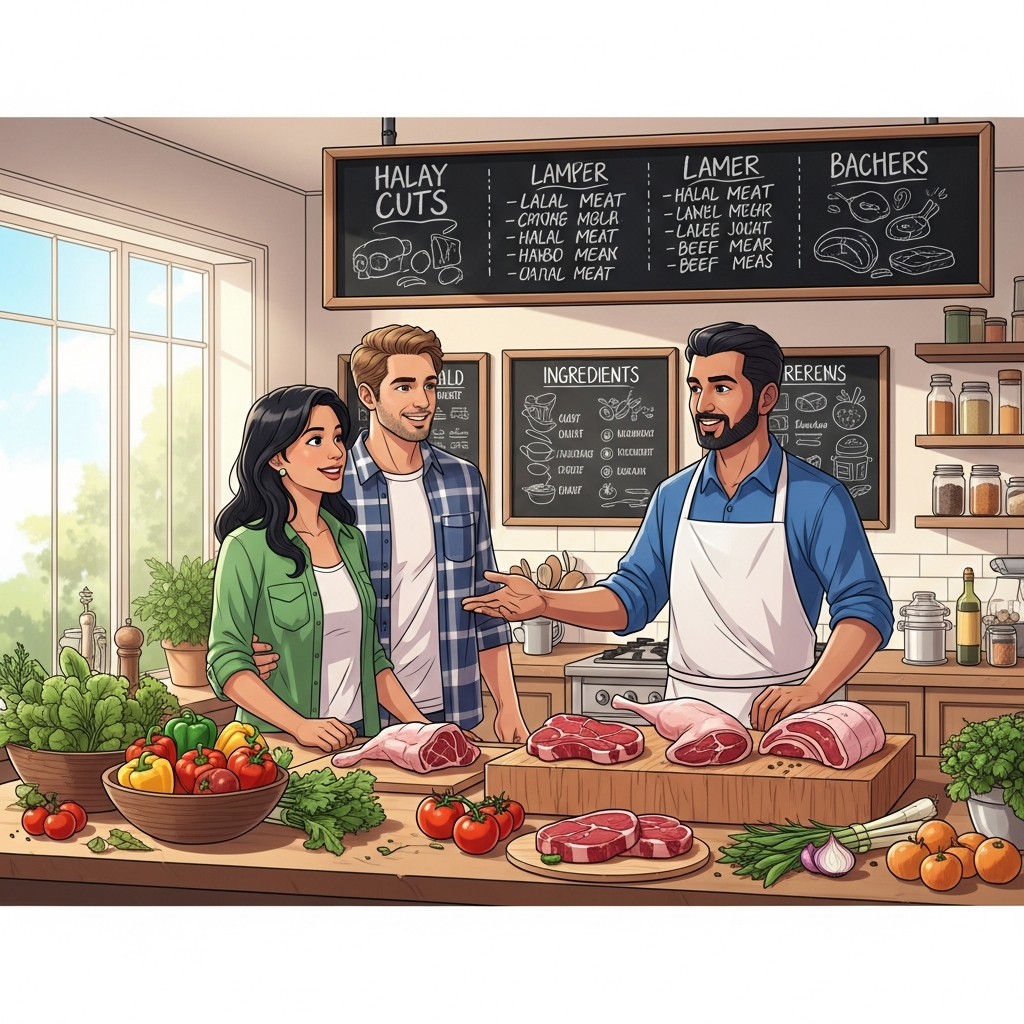
On any given afternoon in Naperville, you can stand in line at a neighborhood market and hear a dozen dinner plans unfolding at once. A dad is picking up chicken for fajitas, a grandmother is planning biryani for a family celebration, and a couple asks the butcher which cut will do best for a quick stir-fry after a long commute. What ties many of these plans together is the search for ingredients that respect different needs and values. That is where halal meat has become a quiet unifier in our city—a practical, ethical, and flavorful choice that accommodates a remarkable range of diets without forcing anyone to sacrifice tradition or taste.
As Naperville has grown, so has its culinary vocabulary. We have households that keep kosher, neighbors who eat vegetarian most days but include meat on special occasions, athletes focused on lean protein, and families who need to avoid certain additives. Amid that variety, halal stands out for its emphasis on humane handling, cleanliness, and transparent sourcing. These qualities are not only meaningful to Muslim residents; they also offer reassurance to anyone who wants to know how their food is raised, processed, and brought to the table.
What Makes Halal a Good Fit for Diverse Diets
Diversity in diets is about more than avoiding specific ingredients; it is about finding common ground in principles. Halal’s core guidelines prioritize respect for the animal, a swift and skillful slaughter, and thorough draining of blood. These steps align naturally with people who value minimal processing and careful handling. When you speak with Naperville butchers who specialize in halal, you hear a recurring theme: this is a system designed to uphold diligence from farm to counter.
For families managing allergies or sensitivities, the attention to detail is meaningful. While halal is not a synonym for allergen-free, the suppliers and markets that stand behind it tend to be meticulous about sanitation and documentation. That translates into clearer labeling, better informed staff, and a culture where questions are expected and welcomed. When your household needs reliable answers—about a cut’s origin, how it was handled, or what additives are used—you want a marketplace where those answers are close at hand.
How Halal Supports Healthy Habits Across Households
Healthy eating is not a single rulebook; it is a set of habits that fit your life. In Naperville, that might mean preparing quick, protein-rich meals around kids’ practices, or slow-cooking a roast on Sunday to portion for the week. Halal practices complement both approaches because they encourage freshness and accountability. Many local shoppers say their halal chicken or beef cooks cleanly, with predictable texture and flavor. That reliability lets you build meal plans with fewer surprises, whether you are marinating for the grill or simmering a stew for a cozy night in.
Another element is trust. When you feel confident about your ingredients, you are more likely to cook at home, experiment with new recipes, and share meals with friends. In a city like ours, where schedules are full, trust is the bedrock of sustainable healthy habits. Halal markets often earn that trust by investing in staff training, transparent supply chains, and clear communication—all values that make healthy routines easier to maintain.
Community, Culture, and the Joy of the Table
Food is how Naperville says welcome. Around Eid, you see neighbors exchanging plates dotted with samosas and slices of cake; during summer, the air along neighborhood blocks fills with the smoke of grills and the laughter of potlucks. Halal meat is a bridge in these moments because it can bring together guests with different backgrounds at the same table. A platter of chicken kabobs can be halal, gluten-conscious, and wildly delicious. A lamb roast can fit a family’s faith tradition while also impressing a neighbor who simply appreciates careful sourcing.
I remember a local block party where one family brought a tray of halal beef sliders. No one announced it as halal; it was just great food. Later, a guest with dietary restrictions asked where it came from, relieved to learn that the butcher had answered questions about handling and ingredients. That interaction summed up what I have witnessed time and again: halal’s strength is its quiet compatibility with varied needs, without demanding the spotlight.
Cooking with Confidence: Tips from Local Counters
Butchers in Naperville, especially those who focus on halal, tend to be generous with guidance. If you tell them you want to plan meals for a week, they may suggest buying a whole chicken, breaking it down, and using different pieces across several dishes—from roasting legs with lemon and garlic to simmering a quick broth from the carcass. For lean beef dishes, they might steer you toward sirloin for a fast sear on a busy night, or toward chuck for a low-and-slow braise that yields meals for days. The point is that the right cut, paired with simple technique, meets a range of dietary goals without sacrificing flavor.
If you are navigating specific nutrition targets—like higher protein or lower fat—talk it through at the counter. Staff who handle halal day in and day out are familiar with trim levels, marbling, and how different cuts behave. They can guide you to choices that align with your family’s preferences, which is especially helpful when you are juggling school lunches, late meetings, and last-minute guests.
Midweek Momentum: Planning Around What’s Fresh
Naperville households are busy, so planning around what is fresh is essential. Many locals check in with their preferred stores midweek, when new deliveries have arrived and popular cuts are well-stocked. That is also a smart moment to browse current halal meat selections online so you can decide whether to roast, grill, or simmer based on what looks best. Once you anchor one or two meals with high-quality protein, the rest of the week tends to fall into place with sides you can assemble quickly: roasted vegetables, a pot of rice, or a bright salad with citrus.
Something I hear often from neighbors is how halal options encourage them to cook together. When teens help choose cuts or mix a marinade, they engage with food in a way that snacks from a drive-thru never invite. It is not just about nutrients; it is about skills, confidence, and pride. Those are the building blocks of resilient eating habits that can support a busy school season or a long stretch of travel sports.
Ethics You Can Taste
Ethical choices have a way of showing up on the palate. When animals are handled calmly and the slaughter is swift and precise, meat tends to cook more evenly and taste cleaner. You do not need to be a culinary professional to notice the difference. That clarity of flavor allows spices, herbs, and cooking methods to express themselves fully. A simple yogurt-marinated chicken grilled over medium heat can taste extraordinary because there is nothing to get in the way—no muddiness, no off-notes—just the bright tang of lemon and the warmth of cumin.
Ethics also affect how we feel about serving food to others. In a town that prizes hospitality, there is comfort in knowing your meal aligns with values of respect and stewardship. You feel good about sharing it, and your guests feel good about enjoying it. The social ease that results is one of halal’s underrated strengths in a diverse community like ours.
Sourcing Stories from Naperville Counters
Ask a seasoned butcher where a particular batch of lamb came from, and you will often get a specific answer. In halal-focused shops, traceability is not an afterthought; it is part of the daily rhythm. Deliveries are logged, suppliers are vetted, and staff know when to expect the freshest products. That structure helps customers make better choices. If you are planning a big family dinner, you can time your purchase for the day the cut you need is at its best. If you are experimenting with a new recipe, you can ask for guidance on which piece will give you the most forgiving cooking window.
This kind of sourcing clarity turns shopping into a partnership. Shoppers keep coming back, and stores keep refining their selections. Over time, Naperville’s halal counters become more responsive to the community’s evolving tastes—from leaner ground beef options to special-order cuts for regional dishes.
From Weeknight Dinners to Celebrations
One reason halal matters for diverse diets is its easy movement between the everyday and the exceptional. The same store that sells you chicken thighs for Tuesday tacos can also help you plan a festive lamb shoulder for a holiday. The continuity matters. Your family can maintain its routines while also honoring big moments with food that carries cultural and spiritual meaning. For neighbors and friends from different backgrounds, that continuity becomes an invitation to share in each other’s stories through a meal that everyone can enjoy.
In the process, we strengthen the fabric of community. Food traditions are most alive when they are shared, adapted, and celebrated across tables. Halal options make that sharing simpler. You can bring a dish to a potluck confident that it will accommodate a wide range of guests, and you can receive a dish with the same assurance.
Frequently Asked Questions
Is halal meat suitable for non-Muslim households?
Absolutely. Halal is a set of standards around handling, slaughter, and cleanliness that many non-Muslim families value for ethical and quality reasons. In Naperville, it has become an appealing option for anyone who wants trustworthy sourcing and reliably clean flavor.
Does halal guarantee specific nutrition profiles?
No. Halal governs how meat is sourced and prepared, not its macronutrient content. Nutrition varies by cut, animal diet, and cooking method. If you are targeting specific protein or fat levels, your butcher can recommend cuts that align with your goals.
How can halal help with dietary restrictions?
Halal markets often emphasize transparency and sanitation, which supports people who need clear information about ingredients and handling. While halal is not synonymous with allergen-free or gluten-free, the culture of careful documentation makes it easier to shop confidently.
Will my favorite recipes work with halal meat?
Yes. Most recipes translate directly. Many cooks find that halal meat’s clean baseline flavor enhances spice blends, marinades, and slow-cooked dishes. If anything, you may discover your existing recipes become more expressive.
How do I start if I am new to halal options?
Begin by talking with a trusted local butcher. Share what you like to cook, your budget for time, and any dietary considerations. Ask about delivery days, recommended cuts, and how to store and cook them. Building that relationship will make your weekly planning far easier.
Where can I find a variety of halal cuts in Naperville?
Established local markets with a commitment to halal standards typically carry a wide range of cuts and can special-order items for holidays or large gatherings. Staff at these counters are usually happy to walk you through options, from weeknight staples to celebration-worthy roasts.
Ready to bring more ease and flavor to your meal planning? Stop by your neighborhood butcher, ask what looks best today, and plan a dinner that welcomes everyone at your table. When you want a dependable overview of what is available, browse a trusted local source for halal meat, and then cook with the confidence that comes from thoughtful sourcing and community-minded care.