Why Choose Local Organic Produce in Naperville, Illinois
Roughly 70% of fresh produce loses measurable nutrient density within 72 hours of harvest, according to post-harvest science research. For Naperville shoppers, that number has a practical meaning: the shorter the distance between a farm and your kitchen, the more of those nutrients survive the trip. This guide answers the real questions Naperville residents ask before switching to locally sourced, pesticide-free fruits and vegetables.
What actually makes produce “local” and “organic” at the same time?
The two terms describe different things. “Organic” refers to how a crop is grown, specifically without synthetic pesticides, synthetic fertilizers, or genetically engineered seeds, following standards overseen by the USDA National Organic Program. “Local” describes geography: how far the food traveled before reaching the shelf. When produce is both, it means a nearby farm used certified organic practices. In the Naperville area, that can mean farms in the surrounding DuPage, Kane, and Will County corridors that supply fresh-market grocers throughout the growing season. Getting both in one purchase means you are buying food that was grown cleanly and arrived quickly.
Does locally grown organic produce actually taste different?
Many shoppers notice a real difference, and there is a straightforward reason for it. Varieties bred for long-distance shipping are selected for durability over flavor. Tomatoes, stone fruit, and leafy greens destined for cross-country transit are often harvested before peak ripeness so they survive the journey. Locally sourced produce can be picked closer to full ripeness because it only needs to travel a short distance. Sugars, acids, and aromatic compounds that develop in the final days on the vine or tree are still present when the item reaches the shelf. The result is flavor that reflects what the plant was actually supposed to taste like.
What are the practical benefits of skipping synthetic pesticides?
If you want it handled correctly the first time, consider professional service areas in Naperville.
Conventional farming uses synthetic pesticides to manage insects, weeds, and fungal growth. Residues from some of these compounds can persist on the surface and, in some cases, inside the flesh of produce even after washing. Certified organic farming prohibits synthetic pesticide use, relying instead on approved natural inputs, crop rotation, beneficial insects, and soil health practices. For households with young children or anyone who eats large quantities of raw fruits and vegetables, reducing exposure to those residues is a straightforward reason to choose organic. The Environmental Working Group publishes an annual list of conventionally grown crops with the highest detected residue levels, which can help shoppers prioritize which items to buy organic first.
How does Naperville’s local food landscape support organic shopping?
Naperville sits at a useful intersection for fresh-food access. The city’s location in the broader Chicago metropolitan area means it draws from a dense network of Midwest farms in the Illinois River Valley and the Fox River corridor, many of which operate under organic or transitional-organic certification. The Naperville Farmers Market, held seasonally at the Riverwalk, connects residents directly with regional growers. Year-round, full-service local grocery stores in Naperville, including Naperville Fresh Market, carry certified organic lines across produce, dairy, and packaged goods, bridging the gap between market season and winter months. The city’s relatively high household income and educated consumer base have also encouraged retailers to maintain broad organic selections compared to many suburban Illinois markets.
Is organic produce more nutritious, or is that a marketing claim?
The nutritional comparison between organic and conventional produce is genuinely nuanced. Some peer-reviewed studies have found higher concentrations of certain antioxidants and polyphenols in organically grown crops, likely because plants under mild stress from pest pressure produce more of these protective compounds. Other studies show minimal differences. What the research does support more consistently is that freshness matters as much as, or more than, growing method for nutrient retention. A locally grown conventional item picked yesterday may deliver more vitamins than a certified organic item that spent two weeks in cold storage and transit. The strongest argument for local organic produce combines both factors: grown without synthetic inputs and arrived recently. For a deeper look at where to find those options in Naperville, see our guide to organic food in Naperville.
How can I tell if the organic label is legitimate when I shop?
Many Naperville homeowners rely on expert service areas in Naperville for exactly this.
USDA certified organic products must carry the green-and-white USDA Organic seal, and the certifying agency must be listed on the label. For loose produce at a grocery store, the PLU code on the sticker is a quick indicator: a five-digit code beginning with “9” conventionally signals organic. At a farmers market, certification documentation should be available from the vendor on request, though small farms grossing under a certain annual threshold are exempt from formal certification while still required to comply with organic standards. If you want to go further, how to verify organic produce covers the specific markers to look for on labels, stickers, and signage before you buy.
Does buying local organic produce actually support Naperville-area farms?
It does, in a measurable way. When a Naperville grocery store sources from regional farms rather than national distributors, a larger share of the purchase price flows back to the grower rather than to transportation, warehousing, and broker margins. That economic connection helps smaller farms in the Illinois region remain viable, which in turn preserves farmland that might otherwise be converted to development. Naperville and the surrounding DuPage County have seen significant suburban expansion over the past few decades, and the farms that remain in the broader collar-county area depend on demand from urban and suburban consumers to stay in operation. Choosing locally sourced organic items at a Naperville grocery store is a direct vote for that supply chain.
What is the best way to store organic produce once I get it home?
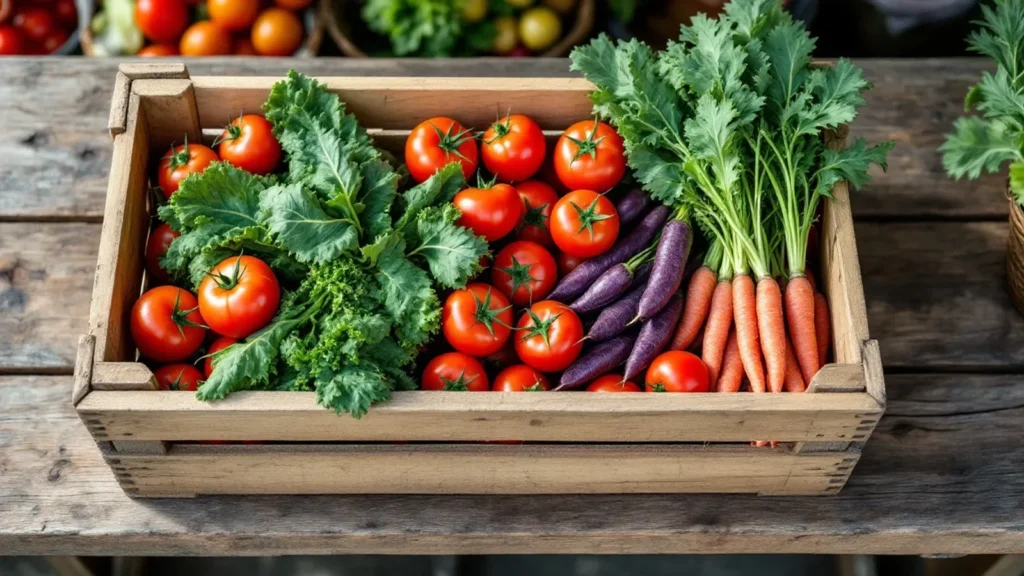
Organic produce, because it is grown without certain synthetic preservatives and post-harvest wax coatings common in conventional farming, can have a slightly shorter shelf life once purchased. Proper storage makes a significant difference. Leafy greens last longer wrapped in a dry cloth or paper towel inside a loosely sealed bag in the crisper drawer. Stone fruit and tomatoes should stay at room temperature until ripe, then move to the refrigerator. Root vegetables like carrots and beets prefer cool, dark, slightly humid conditions. For a full breakdown by vegetable type, storing organic vegetables at home walks through the specifics so you get the full value from every purchase.
Ready for the next step? Learn how service areas services in Naperville can help and reach out to the team.
Is organic grocery shopping in Naperville more expensive, and how do I manage the cost?
Certified organic items typically carry a price premium over their conventional equivalents, reflecting higher labor costs, lower yields, and the expense of certification. That said, the gap varies considerably by item and by store. Buying seasonal produce, which is also when local supply is highest and prices tend to soften, is one of the most effective ways to manage the difference. Prioritizing organic for items with the highest conventional pesticide residue levels (using guides like the EWG’s Dirty Dozen) and accepting conventional for lower-residue items (the Clean Fifteen) lets a household capture most of the benefit at a fraction of the full-organic cost. Shopping at a local Naperville grocery store that sources directly from regional farms can also reduce the markup compared to large national chains, since fewer intermediaries are involved. For practical strategies on keeping your cart within budget, managing your organic grocery budget in Naperville offers specific approaches worth considering.
Where should I start if I want to buy more local organic produce in Naperville?
The most practical starting point is a full-service local grocery store in Naperville that maintains a consistent organic produce section year-round, so you are not dependent on seasonal market schedules. Naperville Fresh Market carries certified organic produce alongside conventional options, which makes it easy to swap in organic items for the specific categories that matter most to your household without overhauling your entire shopping routine. From there, adding visits to the Naperville Farmers Market during the spring-through-fall season fills in with hyper-local farm-direct options. The combination of a reliable year-round store and a seasonal market gives Naperville residents access to fresh, pesticide-free produce across every month of the year.
Choosing local organic produce in Naperville is less about a single dramatic switch and more about a series of practical decisions: which items to prioritize, where to shop, how to store what you buy, and how to keep costs manageable. Each of those questions has a concrete answer grounded in how food actually moves from a Midwest farm to a Naperville shelf. For a full look at the stores and markets where you can put these choices into practice, visit the complete Naperville organic food shopping guide and start with the options closest to you.