
Finding Authentic Flavors in Naperville’s Asian Supermarkets
Walk through the doors of an Asian supermarket in Naperville and you feel a gentle transport—bright greens and fragrant herbs in the produce, the cheerful rattle of noodle packages, the soft clink of rice bags stacked like supper plans. Our community’s global palate is on full display in these aisles, which cater not only to heritage cooking but to any home cook chasing bold, balanced flavors. If you time your visit well and build a flexible list, you’ll fill your cart with discovery as well as dinner. A quick look at local weekly deals before you go can point you toward seasonal items and pantry treasures that stretch your budget and your imagination.
Naperville’s draw is its warmth—neighbors share recipes, clerks explain the difference between vinegars, and the seafood counter becomes a mini-lesson in freshness. Whether you grew up with hot pot and scallion pancakes or you’re exploring miso and gochujang for the first time, the key is to shop with curiosity. Start with what you love to eat, then let the shelves offer a new ingredient or two that extends your repertoire without overwhelming your weeknight.
Navigating the Aisles with Confidence
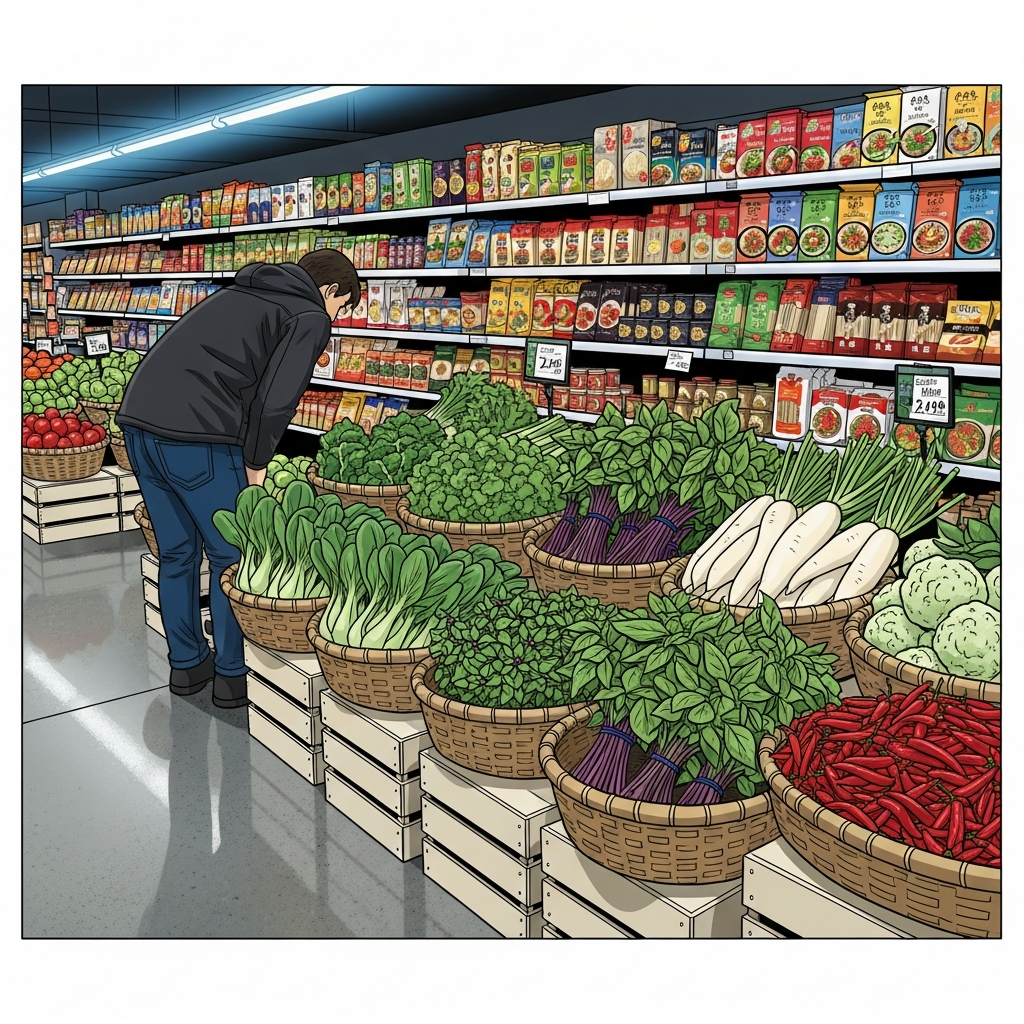
Begin with the produce section, where the clues to dinner often appear. You’ll see familiar staples alongside produce you may have only read about: Chinese broccoli, Thai basil, garlic chives, long beans, daikon, bok choy, perilla, and the bright zing of bird’s eye chilies. Choose a couple that spark ideas. Baby bok choy sautés in minutes with garlic and a splash of soy. Daikon adds a crunchy, peppery freshness to soups and pickles. Long beans stir-fry beautifully when blanched briefly and finished with ginger and sesame oil.
As you move deeper into the store, the noodle aisle is a centerpiece. Rice noodles of varying widths, wheat noodles for hand-pulled textures, soba for a nutty slurp, and glass noodles for silky salads—they all cook quickly and take on flavor with generosity. Pick one or two that align with your recipe goal; the package cook times are reliable, and a cold-water rinse keeps textures lively for stir-fries and salads.
The Seafood Counter and Fresh Picks
Seafood is where these markets shine. Ask for help choosing a fish suited to steaming, pan-searing, or grilling. Many counters will clean and prep the fish to your needs, and you’ll appreciate the guidance on which species flake gently versus those that hold tight in a stew. Clams and mussels turn a simple broth into a celebration. Shrimp—shell-on or peeled—behave like weeknight magic, taking on chili, garlic, and lime swiftly.
Look for whole fish when you want to capture a delicate sweetness. Steaming over aromatics like ginger and scallion, then finishing with a splash of soy and hot oil, delivers a restaurant-worthy dish with minimal fuss. If you’re new to whole fish, ask for a mild option and have it cleaned. The counter staff can recommend a size and cooking time based on your pan and your comfort level.
Pantry Builders: Soy, Vinegar, and Heat
Your pantry is the backbone of authentic flavor. Start with a balanced soy sauce that you enjoy on its own; a small taste on a spoon should read savory and bright rather than too salty. Add rice vinegar for gentle acidity and black vinegar for depth in dumpling sauces. Sesame oil delivers aroma—use it at the finish rather than the start. For heat, choose one or two condiments you’ll reach for often: a chili crisp with texture for eggs and noodles, a fermented chili paste for stews, or a smooth chili oil for drizzling.
Don’t overlook miso, which can anchor soups, glazes, and dressings. Light miso is sweet and floral, red miso robust and earthy. Keep it in the fridge and treat it like a flavor amplifier. For curries, coconut milk gives silkiness and richness; pick cans that feel heavy and avoid dented ones. A case of good stock, fish sauce for savor, and a jar of pickled vegetables round out a pantry that makes quick dinners possible.
Rice, Dumplings, and Ready-to-Cook Joy
Rice options abound: jasmine for perfume, short-grain for stickiness, basmati for a drier, elegant grain. A small bag lets you test which texture fits your taste and your favorite dishes. Frozen dumplings are the unsung heroes of busy nights; they steam, boil, or pan-fry in minutes and pair with simple dips. Try pork and chive for classic comfort or vegetable dumplings for a lighter take. Keep a bag on hand and you’ve got an instant appetizer or a satisfying lunch.
Ready-to-cook items extend the store’s hospitality into your kitchen. Marinated meats, seasoned tofu, and prepared broths reduce friction on weekdays. Think of these as anchors—add fresh greens, noodles, or rice, and dinner comes together with finesse. If you’re browsing and unsure, ask the staff for their favorites; you’ll pick up an insider tip and probably a new dinner idea.
Mid-Trip Inspiration
Halfway through your visit, pause in the sauce aisle and let your senses lead. Read labels, consider pairings, and imagine how a single condiment might transform eggs, grilled vegetables, or a bowl of noodles. Before you commit, glance at current weekly deals to see which pantry items dovetail with your plan. A thoughtfully chosen sauce earns its keep across breakfasts, lunches, and dinners, making your cart smarter rather than heavier.
Take a moment, too, to explore teas and snacks. A jasmine tea can refresh after a rich meal, and a roasted barley tea offers toasty calm. Snacks with sesame, seaweed, or peanut sweetness make charming treats that travel well to picnics or school events. These small pleasures round out the experience and keep your cooking curious.
Seasonal and Festival Finds
Asian supermarkets mark the seasons with finesse. Around Lunar New Year, you’ll find special candies, rice cakes, and decorative staples for gatherings. Mid-autumn brings mooncakes in ornate boxes, each with a story and filling to discover. Spring celebrates fresh greens and the return of tender herbs; summer swells with tropical fruits like lychee, mango, and rambutan. Keep a flexible list and let the calendar surprise you—the joy is in finding ingredients that only appear for a brief window and learning how to honor them.
When a festival approaches, staff knowledge shines. Ask how a particular ingredient is traditionally prepared or what a certain pastry symbolizes. The conversation gives context to the food and invites you to participate in the season in a genuine way, even if you’re new to the tradition.
Respect, Labels, and Smart Shopping
Cultural respect elevates the whole experience. Give others space at the seafood counter, return items to their spots if you change your mind, and handle produce thoughtfully. When deciphering labels, look for cooking suggestions and pairings. Many packages offer small diagrams or charts with recommended uses and heat levels. That guidance can steer you toward a sauce you’ll reach for again and again, rather than one that sits unopened.
If you’re unsure how to store a new ingredient, ask. Staff will tell you whether to refrigerate, freeze, or keep at room temperature. Herbs like Thai basil prefer gentle chilling and dryness; leafy greens stay happiest when washed, dried thoroughly, and wrapped in a breathable towel. Proper storage preserves flavor and reduces waste, which makes your new habit sustainable.
Cooking with Confidence at Home
Back in your kitchen, build meals around textures and contrasts. Pair crisp greens with silky noodles, or tender fish with a crunchy slaw. Balance salt, acid, heat, and sweetness so the dish feels complete. Start with a simple stir-fry, a quick miso soup, or a bright noodle salad; then add complexity when you’re ready. The goal isn’t to recreate a restaurant dish exactly but to capture the spirit of freshness and harmony that makes these cuisines sing.
Keep your pantry within reach. Soy, vinegar, sesame oil, and chili condiments deserve front-row spots. Cook rice while you chop vegetables, and you’ll be at the table faster than you imagined. If you’re hosting, invite friends to build their own bowls—rice, proteins, vegetables, herbs, and sauces—so everyone composes a plate that suits them.
Frequently Asked Questions: Asian Supermarket Shopping
How do I choose the right soy sauce?
Taste it on its own; it should be savory, balanced, and pleasant without harsh saltiness. Consider a lighter everyday soy for cooking and a richer, aged style for dipping. Read labels for added sugars if you prefer a cleaner profile.
What’s the easiest noodle for beginners?
Rice noodles are forgiving and cook quickly. Start with a medium width for stir-fries and a thinner style for soups. Rinse briefly under cold water after cooking to stop carryover heat and keep strands separate.
How can I tell if seafood is fresh?
Look for clear eyes, firm flesh, and a clean ocean scent. For shellfish, choose tightly closed shells and reject cracked or open ones that don’t close with a tap. When unsure, ask the counter for guidance on the day’s best picks and cooking times.
Which pantry staples should I buy first?
Begin with soy sauce, rice vinegar, sesame oil, a versatile chili condiment, coconut milk, and a favorite rice. Add miso, fish sauce, and a stock you enjoy to round out soups and stir-fries. These basics unlock a wide variety of quick meals.
How do I cook bok choy without overcooking?
Separate stems from leaves. Stir-fry stems in a hot pan with oil and garlic until just tender, then add leaves for a quick wilt. Finish with a splash of soy or a drizzle of sesame oil, and remove from heat while still vibrant.
What’s a respectful way to ask for help?
Approach staff with a specific question, like “Which noodle holds up best in soup?” or “How should I store Thai basil?” You’ll get precise advice, and the exchange adds to the sense of community that defines these markets.
Before your next visit, glance at the current weekly deals to spot pantry staples, produce, and seafood that inspire a new dish. Then head in with curiosity, let the aisles nudge your menu, and bring home the flavors that make Naperville’s kitchens hum with comfort and adventure.